Phonics practice Normal Worksheets for 4-Year-Olds
9 filtered results
-
From - To
Boost your child’s reading skills with our engaging Phonics Practice Normal Worksheets designed for 4-year-olds. Our expertly crafted worksheets help young learners recognize letter sounds and patterns, laying a strong foundation for future reading success. Each worksheet features fun activities, including matching letters to pictures and initial sound identification, making learning both enjoyable and effective. Perfect for at-home practice or classroom use, these resources support early literacy development and build essential skills. Introduce your child to the world of phonics with our structured and playful exercises that spark excitement for reading. Download now and watch your child's skills flourish!
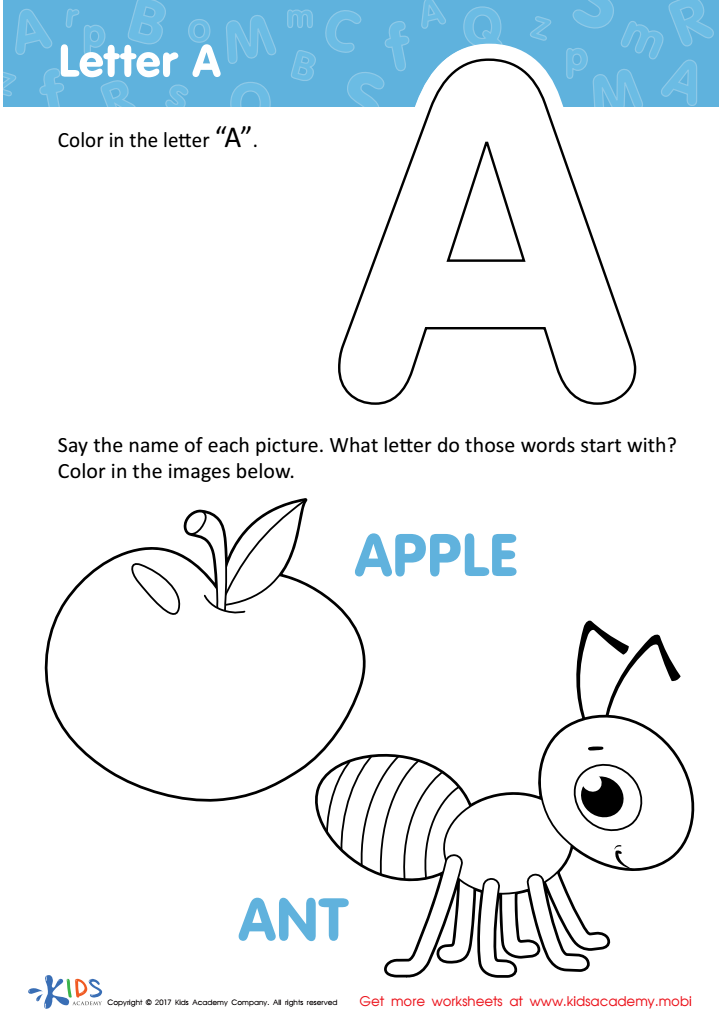
Letter A Coloring Sheet
 Assign to My Students
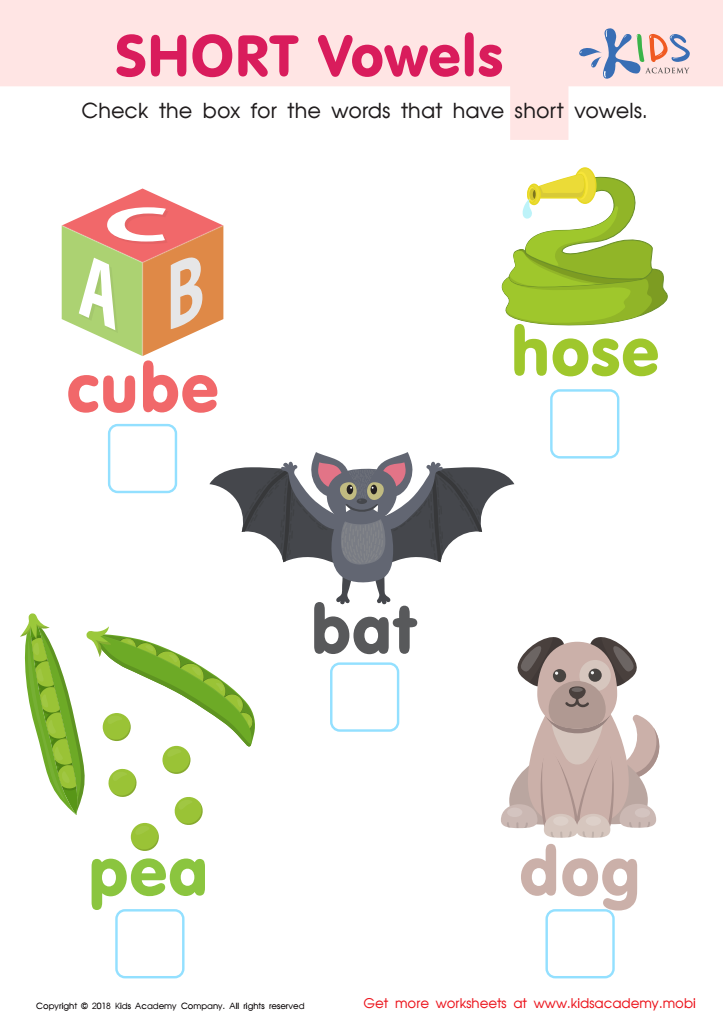
short vowels Worksheet
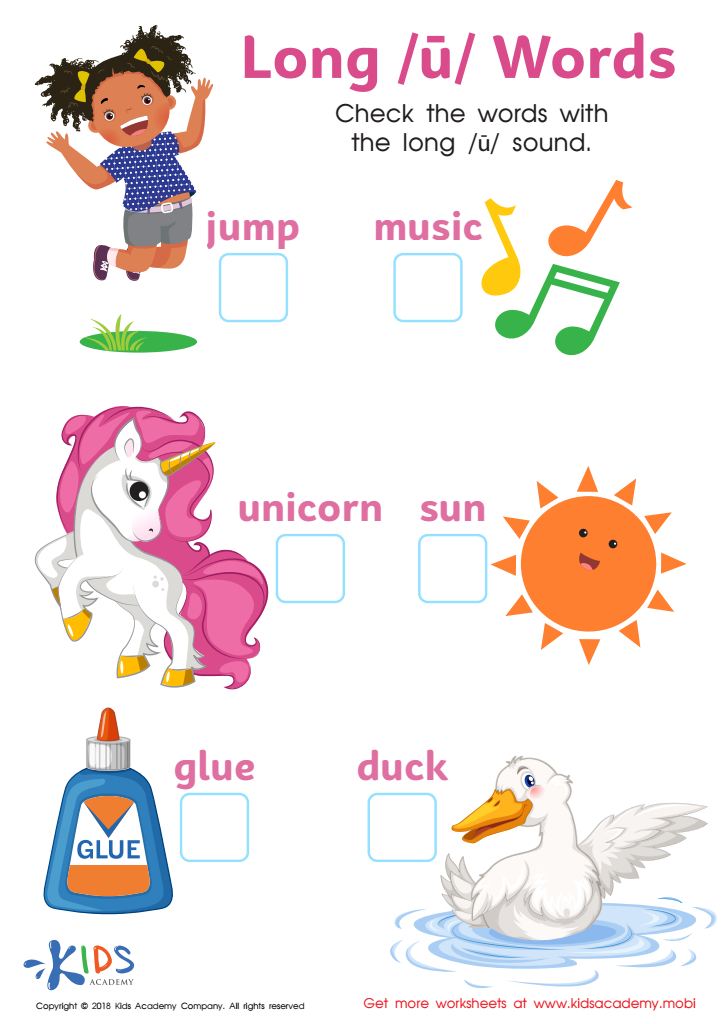
Long U Words Reading Worksheet
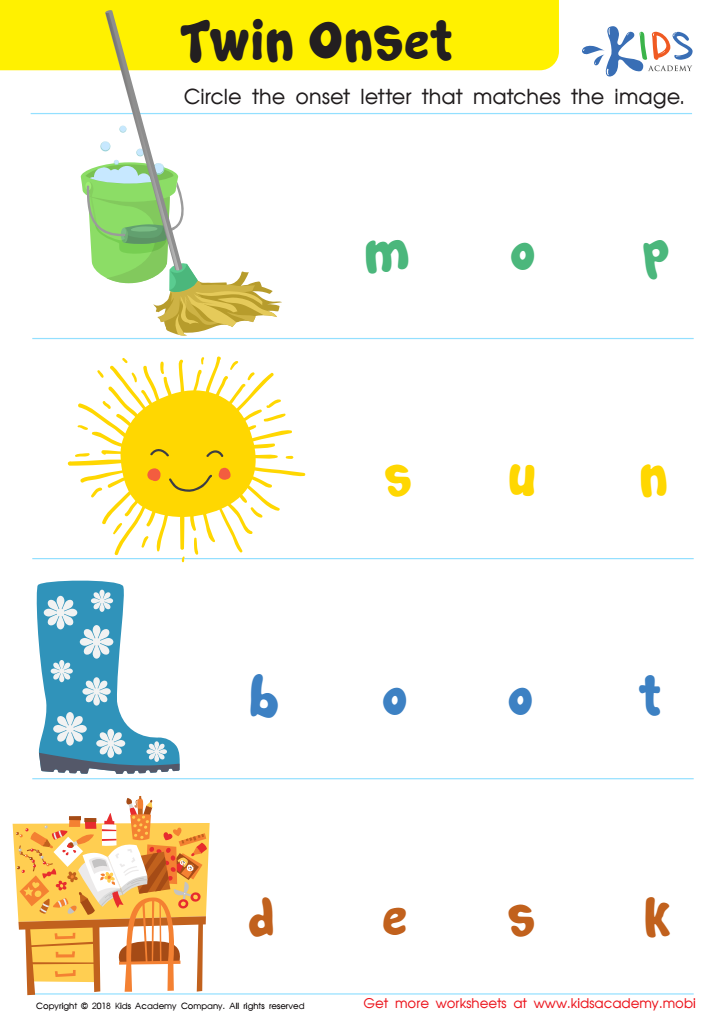
Twin Onset Worksheet
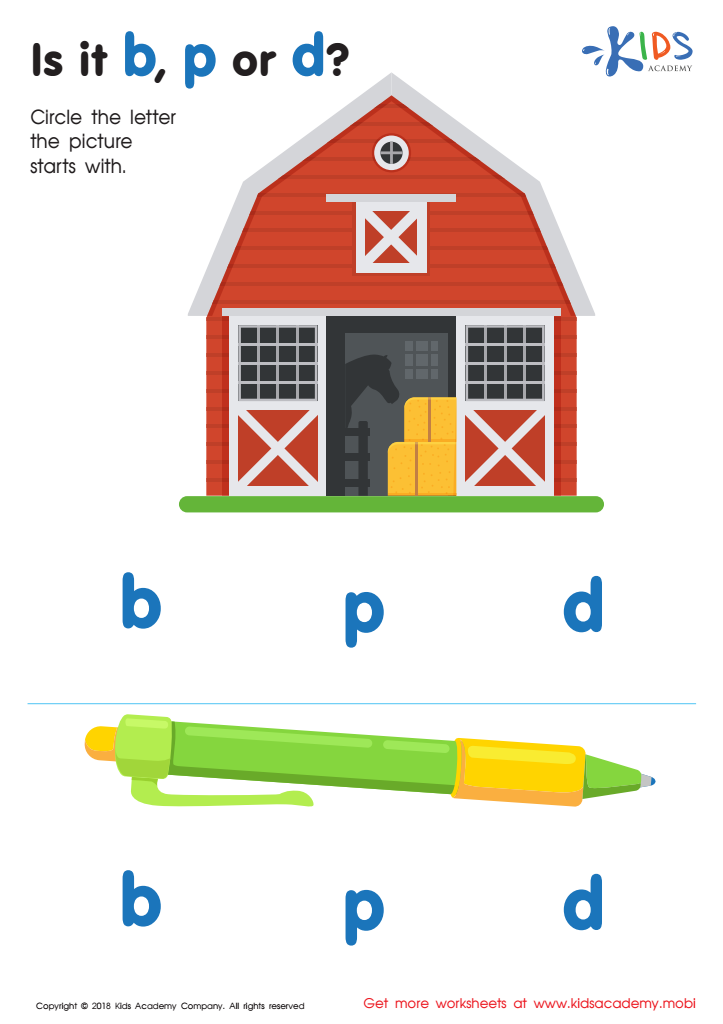
Is it b, p or d? Worksheet
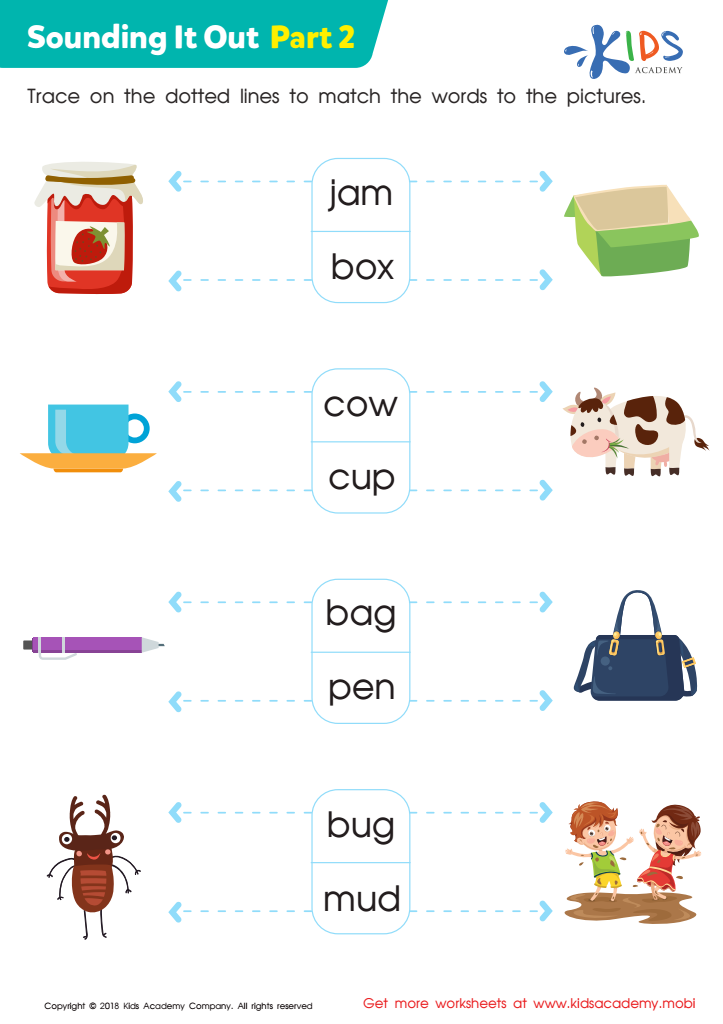
Sounding it Out: Part 2 Worksheet
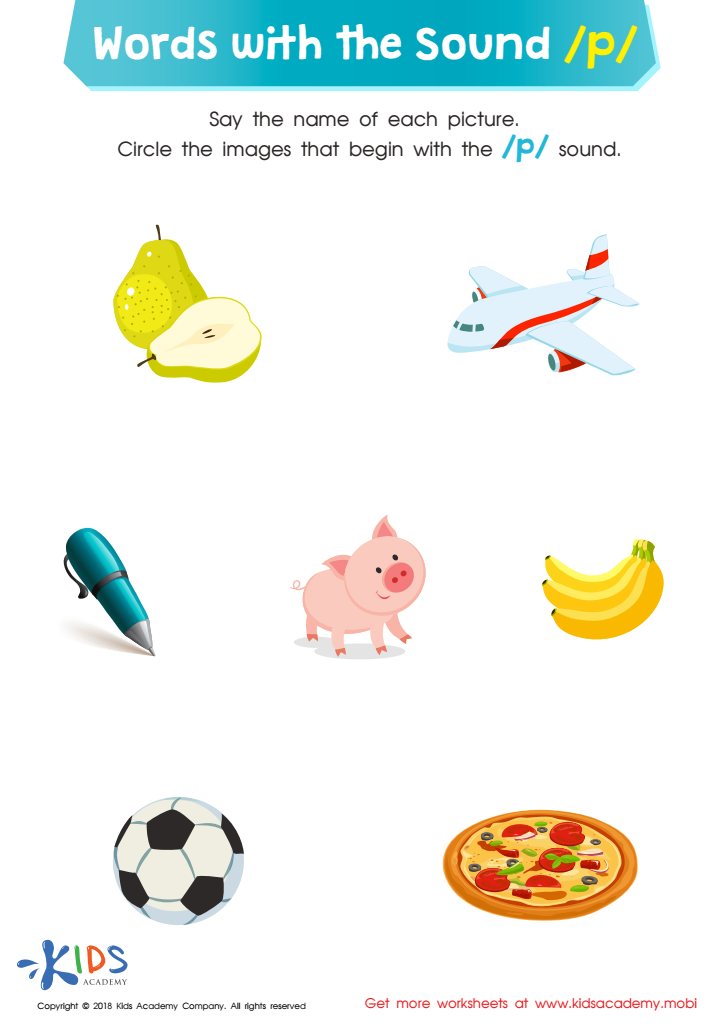
Words with sound p Reading Worksheet
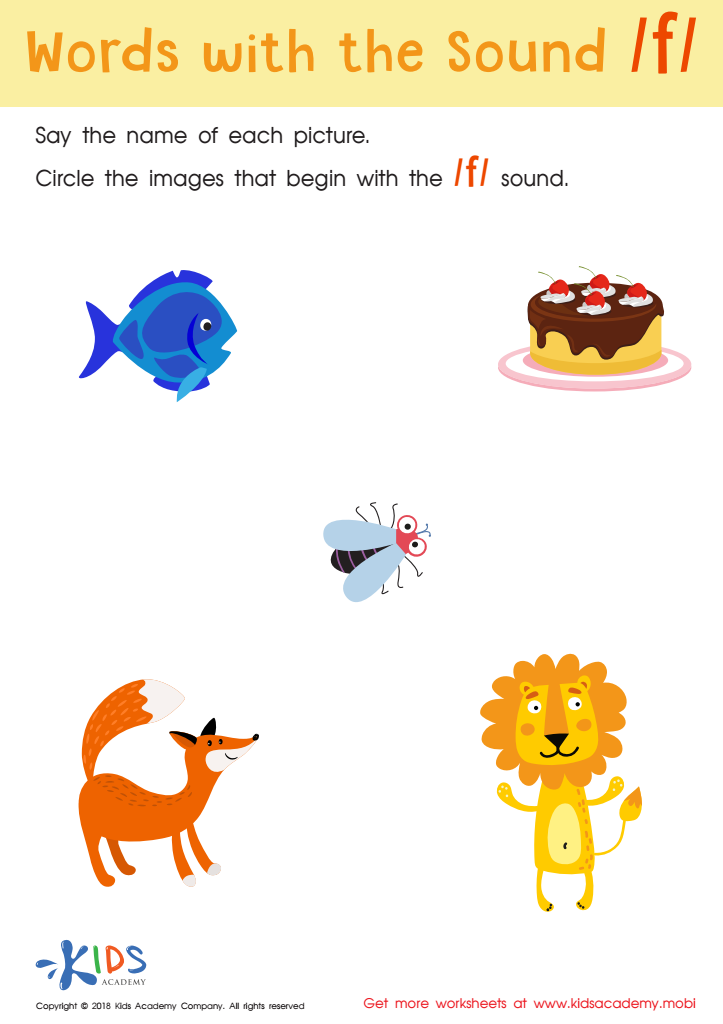
Words with sound f Reading Worksheet
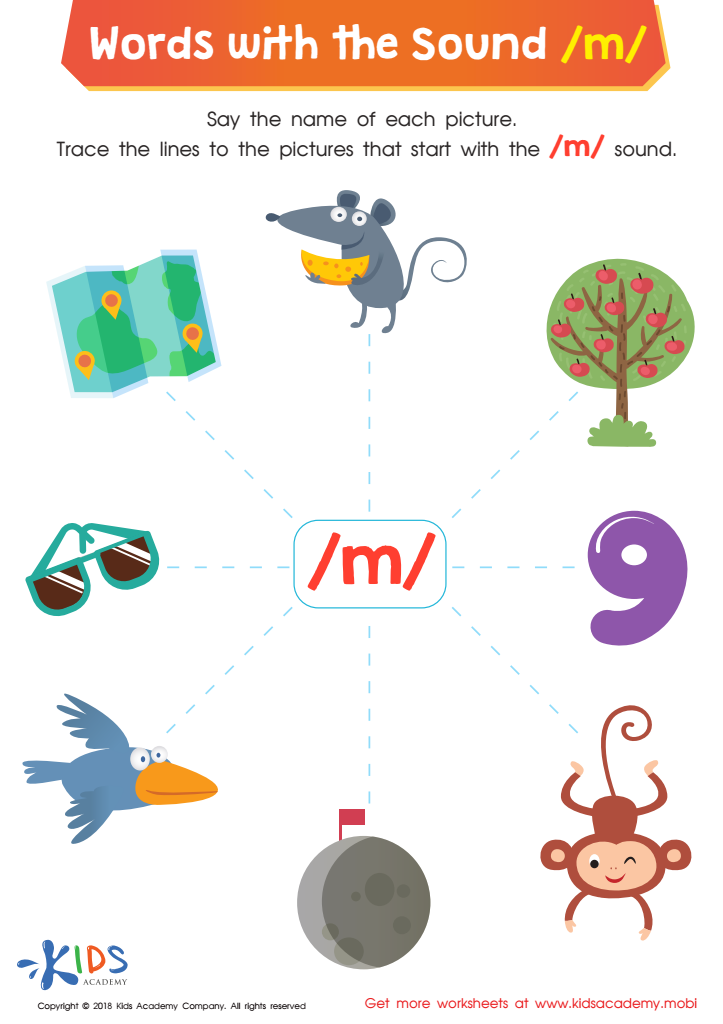
Words with Sound M Reading Worksheet






.jpg)
Phonics practice is crucial for 4-year-olds as it lays the foundational skills necessary for later reading and writing. At this developmental stage, children are rapidly expanding their language and cognitive abilities, soaking up new information like sponges. Phonics, the method of teaching reading based on sound and letter recognition, helps these young learners begin to understand how words are formed and pronounced.
Parents and teachers should care about phonics practice because it equips children with essential tools to decode words, improving both their reading fluency and comprehension. When children recognize the connections between letters and sounds, they can better tackle new words, enhancing their vocabulary. This not only aids in reading more complex texts as they grow older but also fosters a love for reading, encouraging lifelong learning.
Moreover, early phonics practice supports cognitive development and critical thinking. Engaging with phonics games and exercises can improve concentration, boost memory, and promote problem-solving skills. Additionally, developing a strong foundation in phonics during the preschool years can reduce the likelihood of reading difficulties later, making the educational journey smoother and more enjoyable.
In conclusion, phonics practice is an invaluable component of a 4-year-old's educational development, offering critical literacy skills, cognitive benefits, and a positive trajectory for future learning experiences.








