Problem-Solving Skills Normal Worksheets for 4-Year-Olds - Page 3
51 filtered results
-
From - To
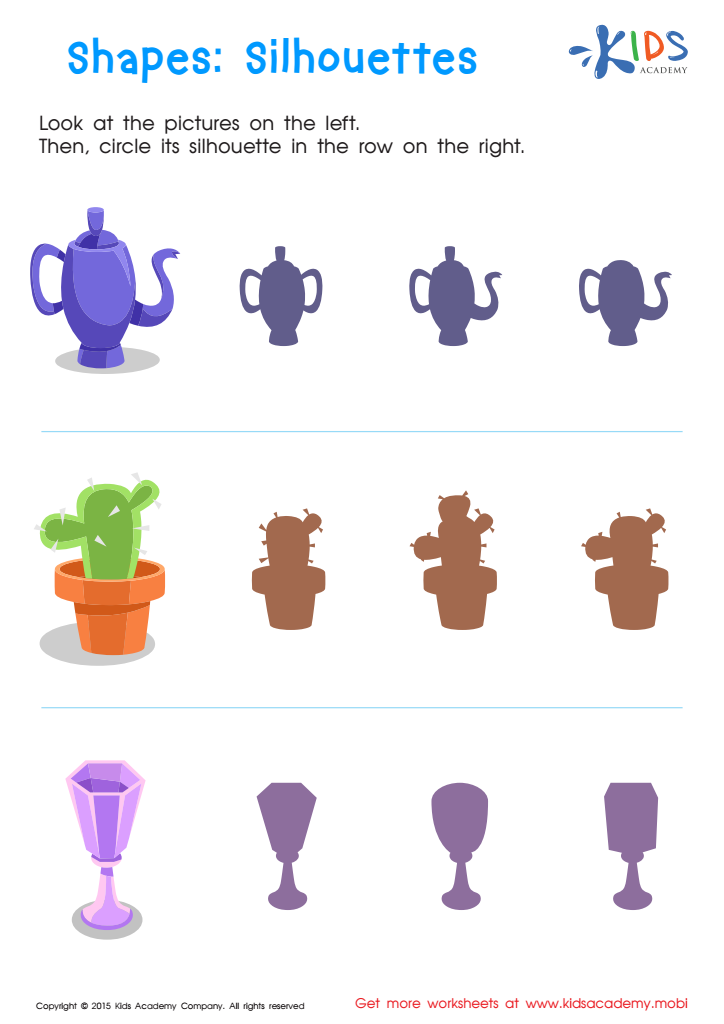
Silhouettes – Shapes Worksheet
 Assign to My Students
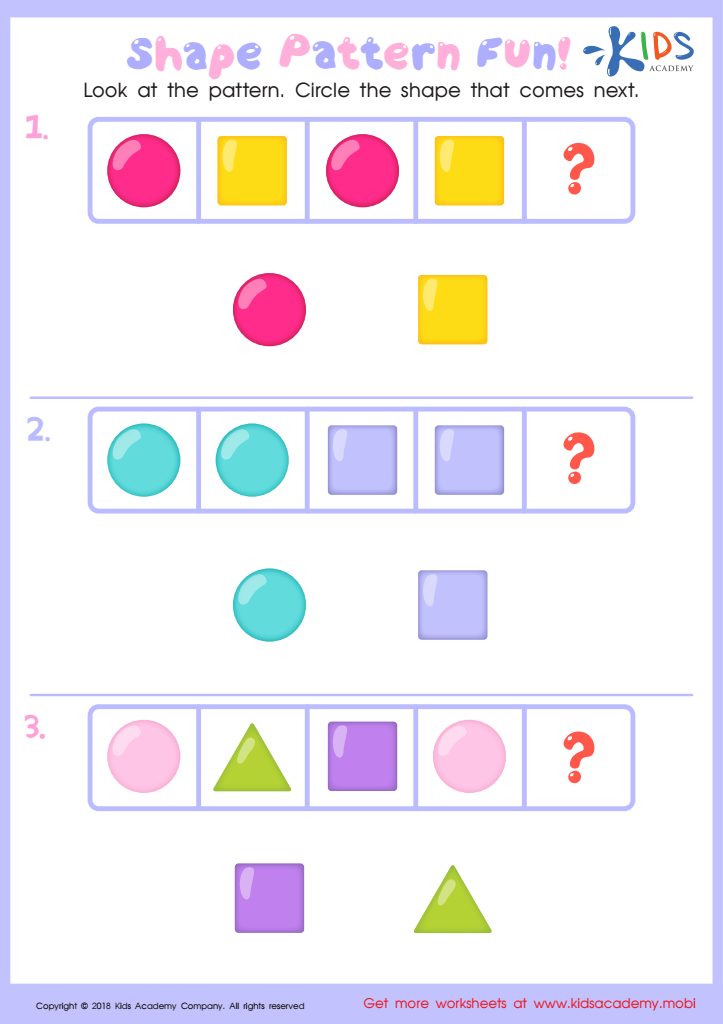
Shape Pattern Fun Worksheet
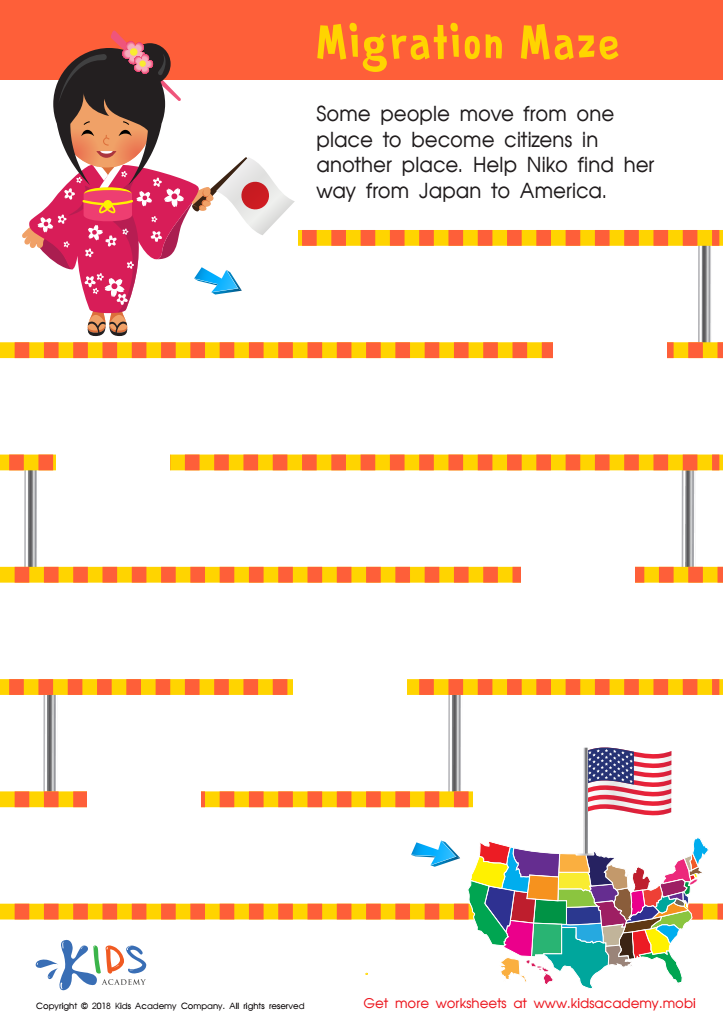
Migration Maze Worksheet




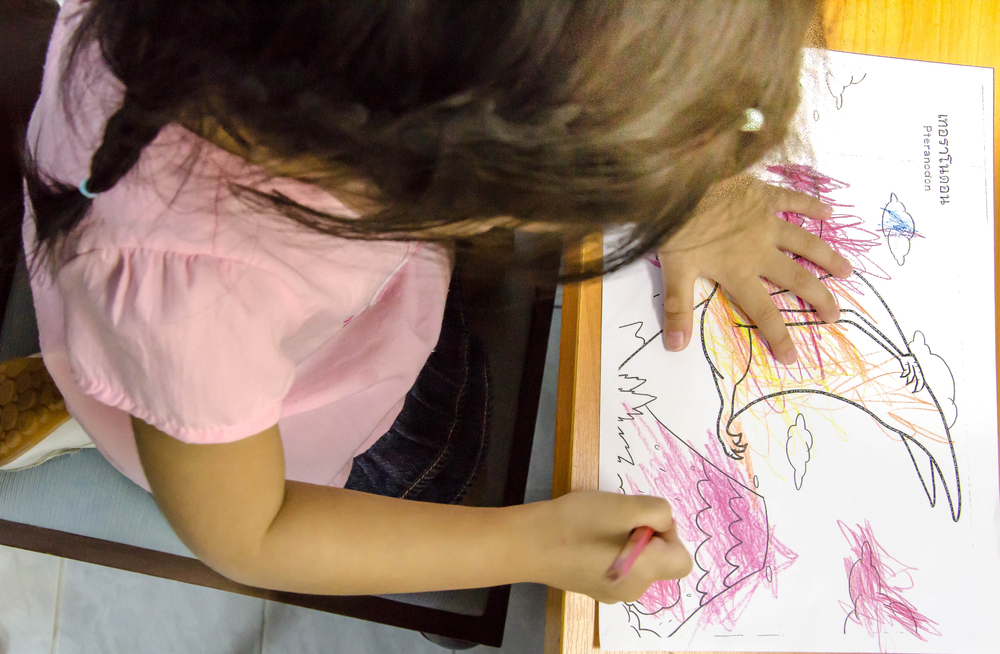


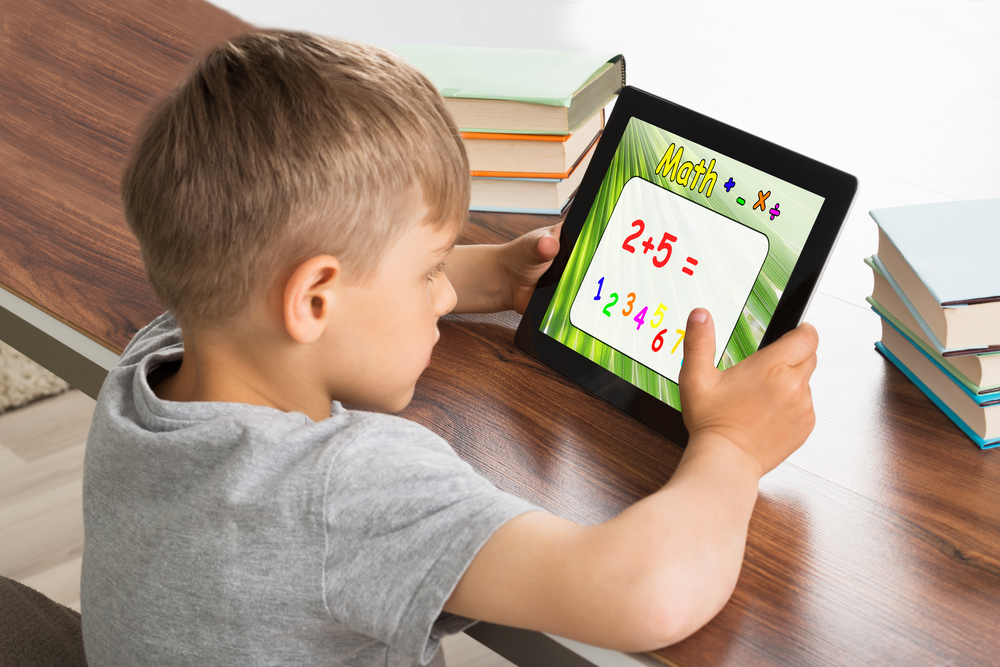
Parents and teachers should care about problem-solving skills in 4-year-olds because these skills are foundational to a child's cognitive development and future success. At this age, children are naturally curious and explore their environment. Encouraging problem-solving through play, puzzles, and everyday situations allows children to think critically and creatively. Early exposure to problem-solving helps them learn how to approach challenges, offering strategies that contribute to resilience and perseverance.
Moreover, problem-solving skills enhance a child's ability to make decisions, cooperate with others, and communicate effectively. As they engage in collaborative play or group activities, they learn to negotiate, empathize, and understand different perspectives, which are vital social skills. These abilities are not only essential for academic success but also for navigating relationships and developments throughout life.
Finally, fostering these skills early can lead to higher self-esteem, as children gain confidence in their abilities to overcome obstacles on their own. When parents and teachers prioritize problem-solving, they're equipping young learners with the tools necessary to thrive in an increasingly complex world, setting the groundwork for lifelong learning and adaptability. Thus, investing in these skills is an essential step for nurturing well-rounded individuals.








