Visual recognition Normal Worksheets for 4-Year-Olds
5 filtered results
-
From - To
Discover our collection of Visual Recognition Normal Worksheets designed for 4-year-olds, perfect for developing essential cognitive skills! These engaging worksheets cater to young learners, encouraging them to identify shapes, colors, and sizes through fun and interactive activities. Our resources support early childhood education by promoting critical thinking and enhancing visual perception. Each worksheet is thoughtfully crafted to keep children entertained while reinforcing their learning milestones. With easy-to-follow instructions and appealing illustrations, your child will enjoy mastering visual recognition skills in no time. Explore our printables today and watch your little ones thrive in their educational journey!
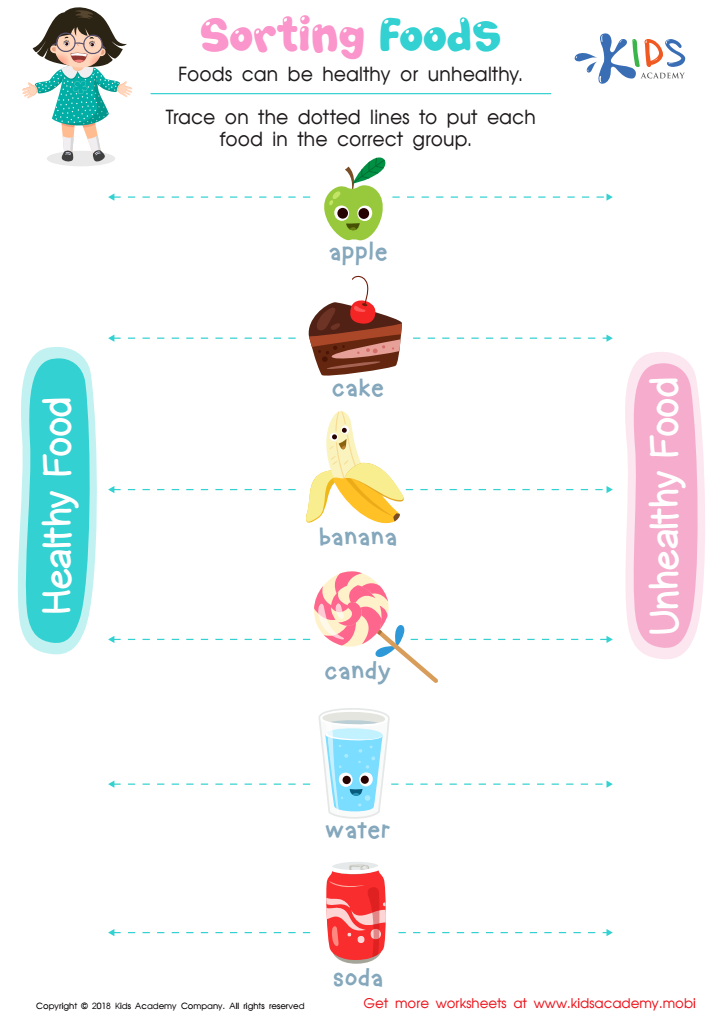
Sorting Food Worksheet
 Assign to My Students
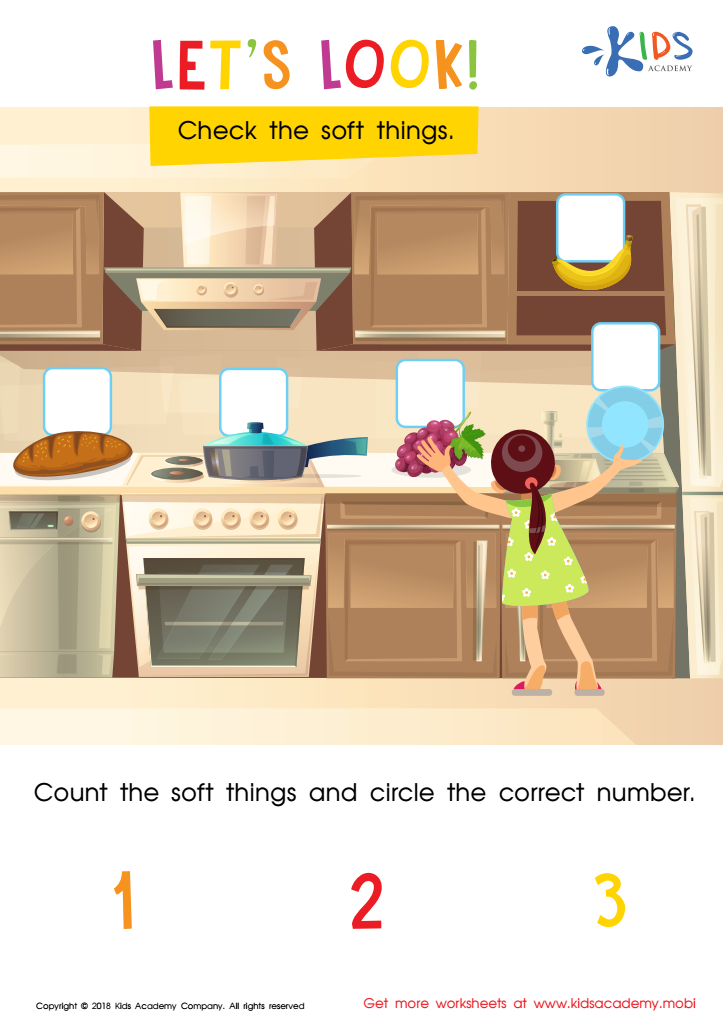
Let's Look! Assessment Worksheet
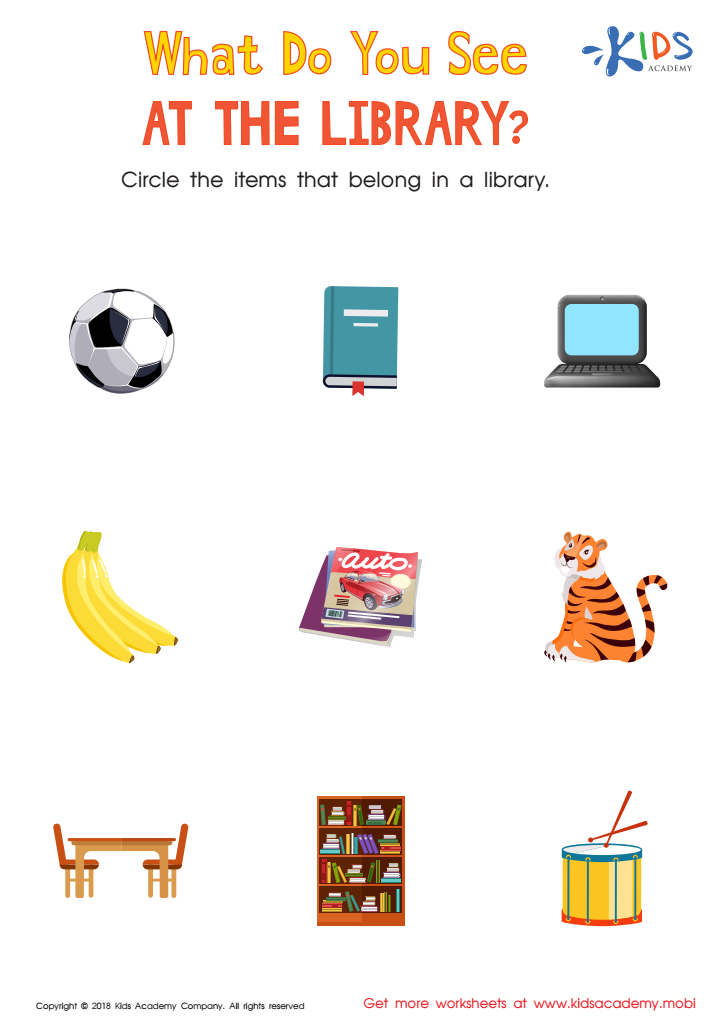
What Do you See at the Library? Worksheet
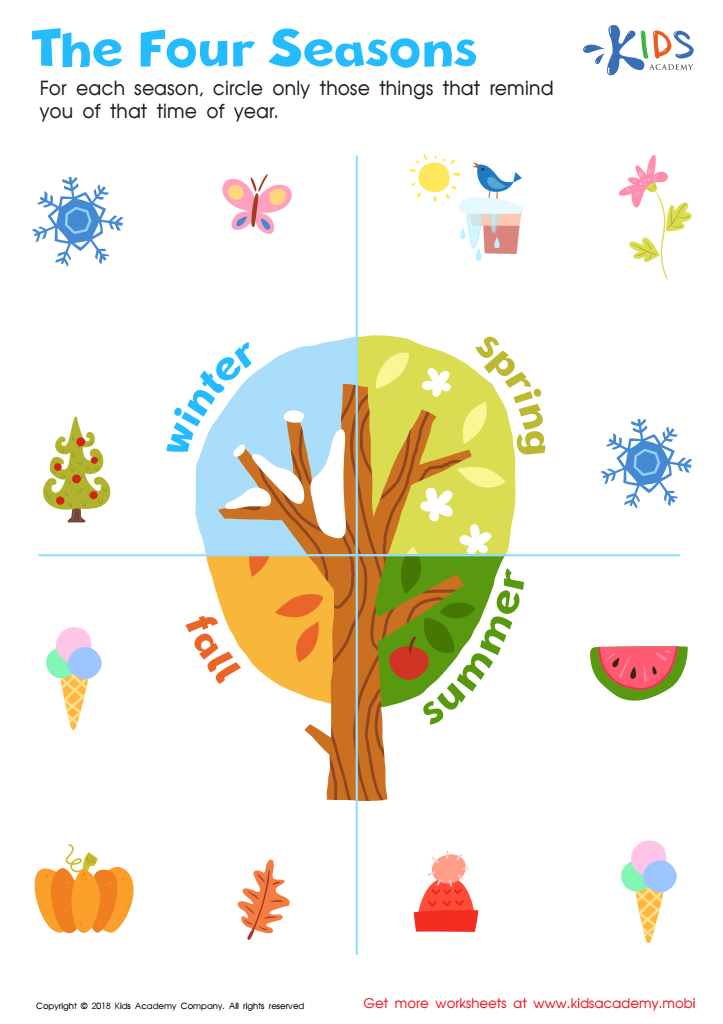
The Four Seasons Worksheet
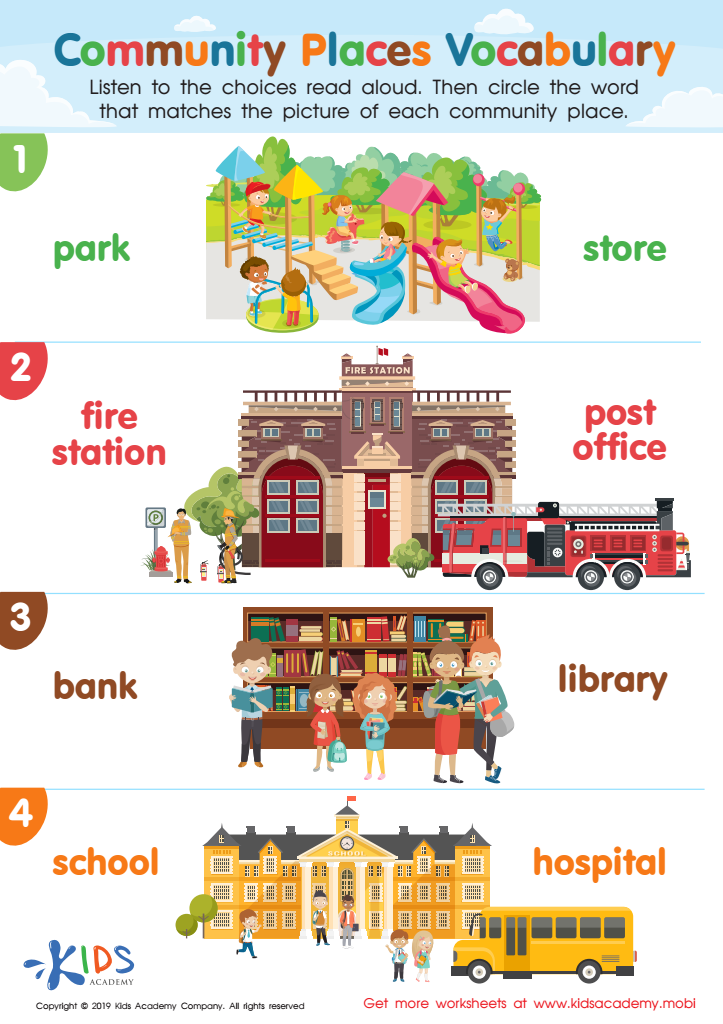
Community Places Vocabulary Worksheet







Visual recognition is a critical skill for 4-year-olds, impacting their cognitive and social development. At this age, children are in a crucial stage of learning, and strong visual recognition abilities can enhance their educational experience. Parents and teachers should care about this skill for several reasons.
Firstly, visual recognition lays the groundwork for literacy. Recognizing letters, numbers, and shapes allows children to progress in reading and writing, crucial for academic success. Moreover, visual recognition aids in learning through observation, helping kids process and understand the world around them.
Secondly, this skill enhances problem-solving abilities. When children can visually identify and differentiate objects and patterns, they become more adept at navigating challenges, both in and outside the classroom.
Lastly, visual recognition fosters social interaction. Children use visual cues to understand emotions, recognize familiar faces, and interpret body language, enhancing their communication skills and building relationships.
Thus, focusing on developing visual recognition not only promotes cognitive growth but also bolsters social skills, preparing children for a well-rounded educational journey. Parents and teachers play a game-changing role in nurturing this skill, fostering a strong foundation for their children's future learning and life experiences.








