Matching skills Normal Math Worksheets for 4-Year-Olds
7 filtered results
-
From - To
Discover our engaging Matching Skills Normal Math Worksheets designed specifically for 4-year-olds! These worksheets are perfect for developing essential early math skills while keeping learning fun and interactive. Through colorful illustrations and simple activities, your child will practice recognizing patterns, connecting items, and enhancing their visual discrimination. Each worksheet is crafted to support cognitive development and boost confidence in young learners. Ideal for at-home practice or classroom settings, these printable resources encourage critical thinking and problem-solving abilities. Start your child’s math journey with our Matching Skills worksheets, and watch them thrive as they learn through play! Perfect for every young mathematician!
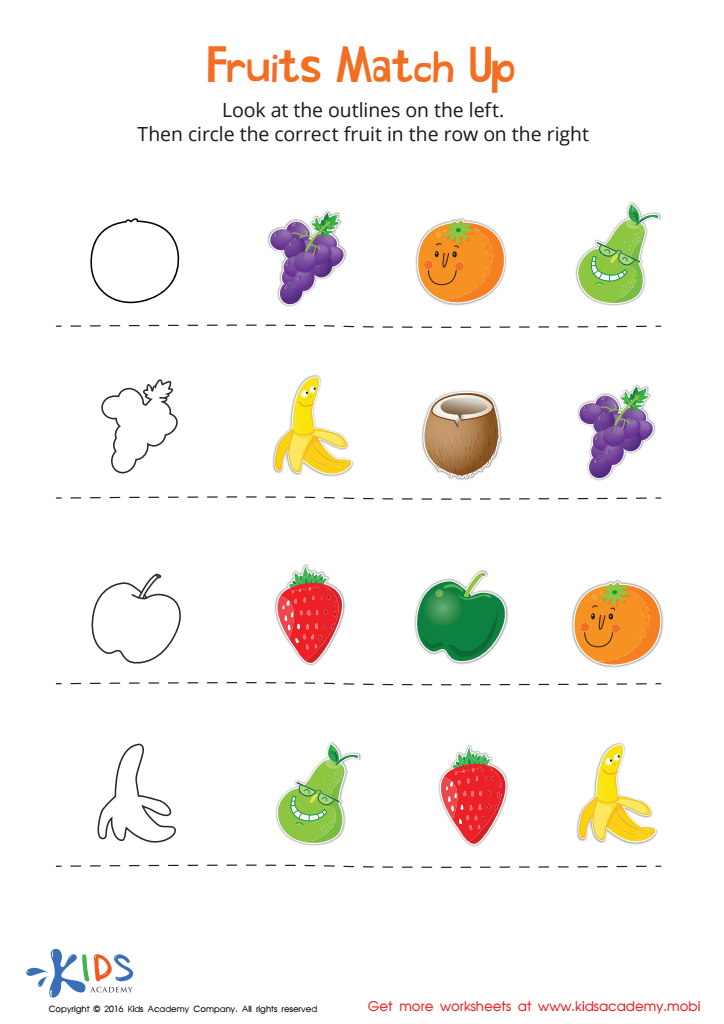
Fruits Match Up Worksheet
 Assign to My Students
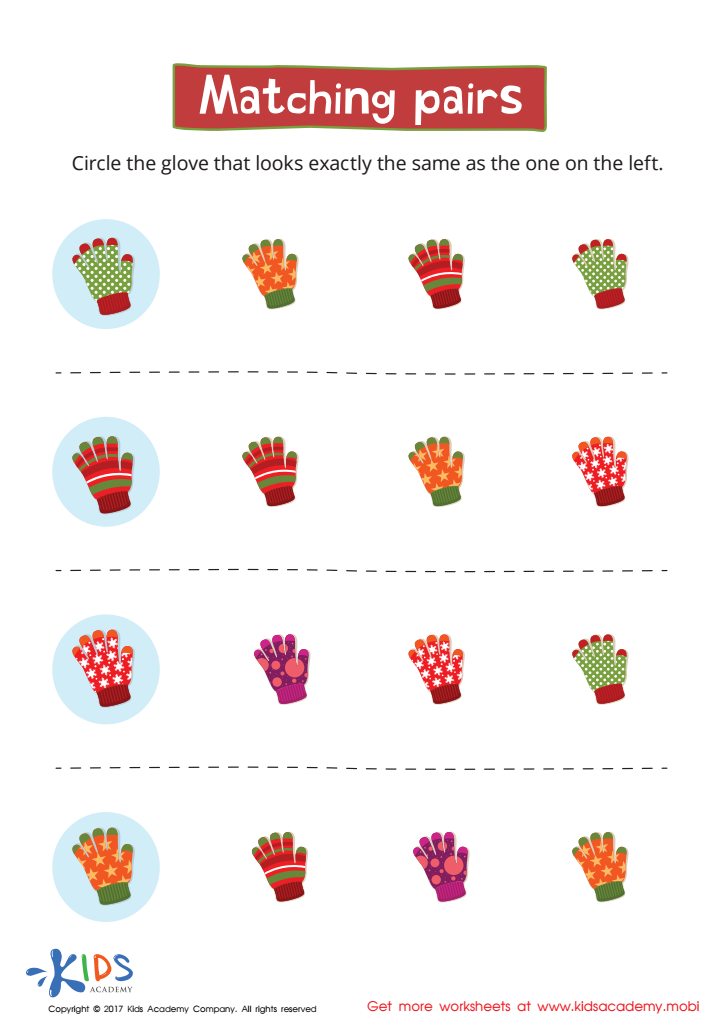
Matching: Matching Pairs Worksheet
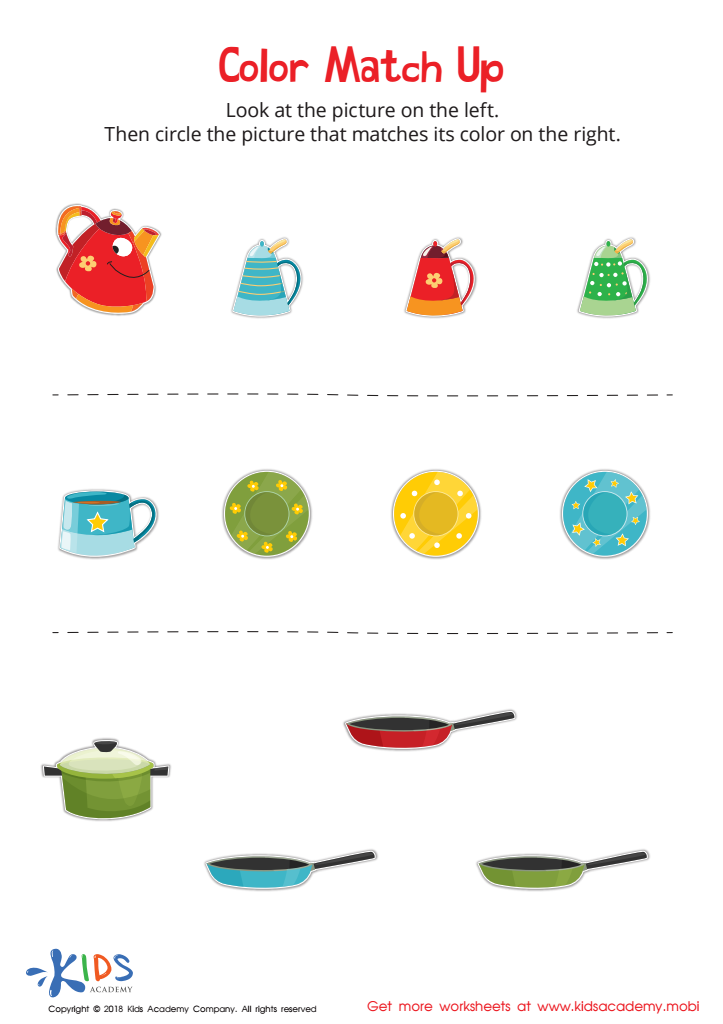
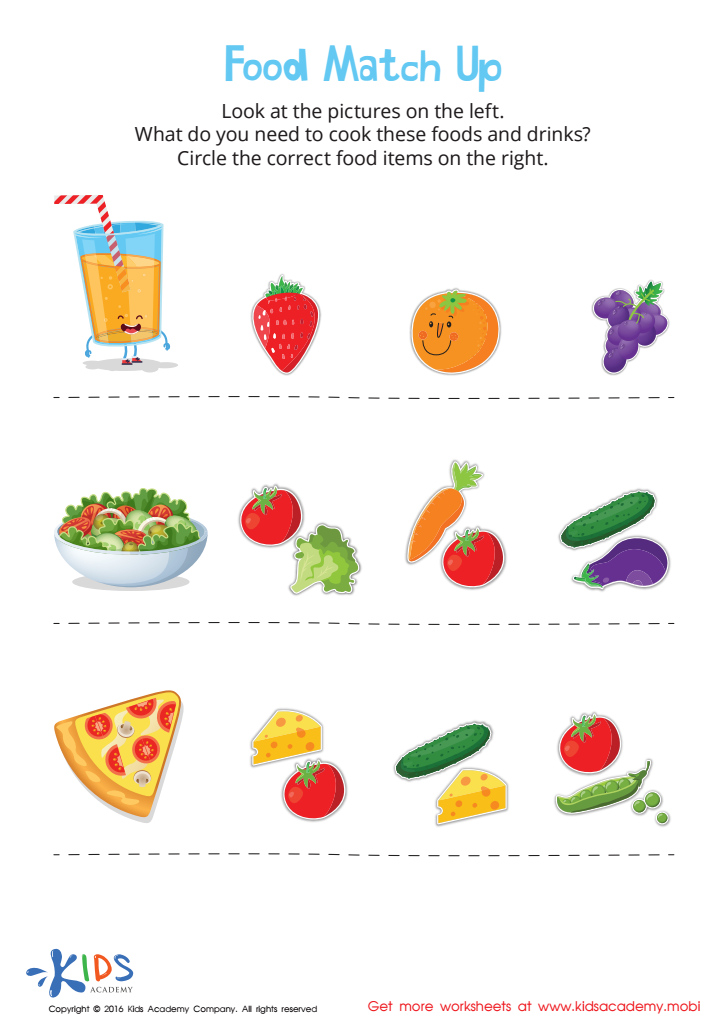
Food Match Up Worksheet
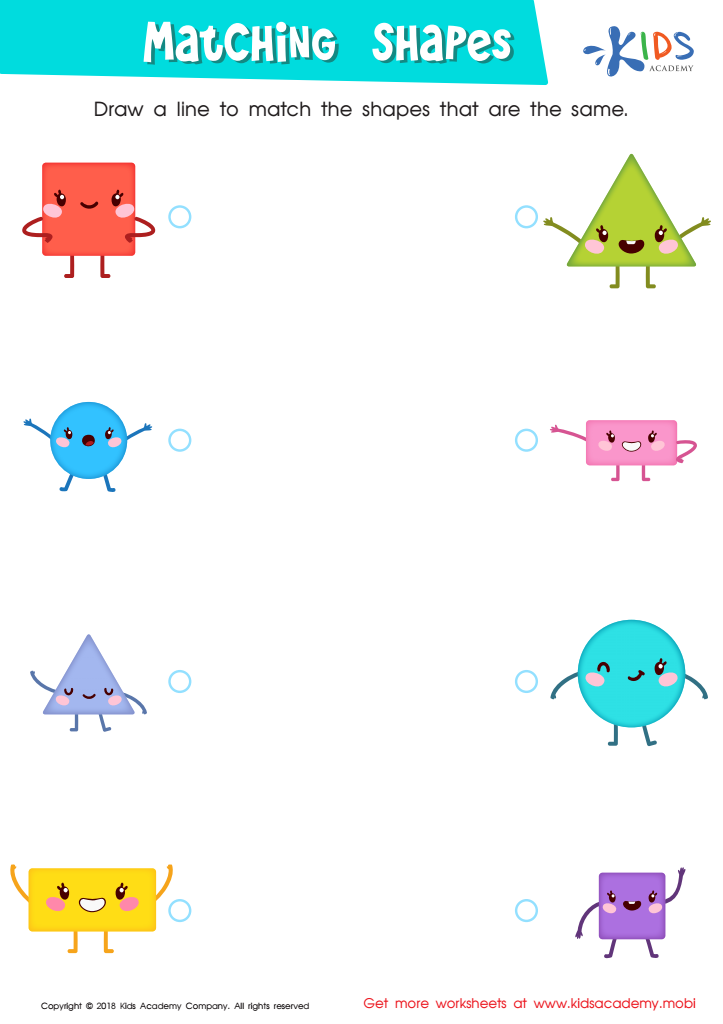
Matching Shapes Worksheet
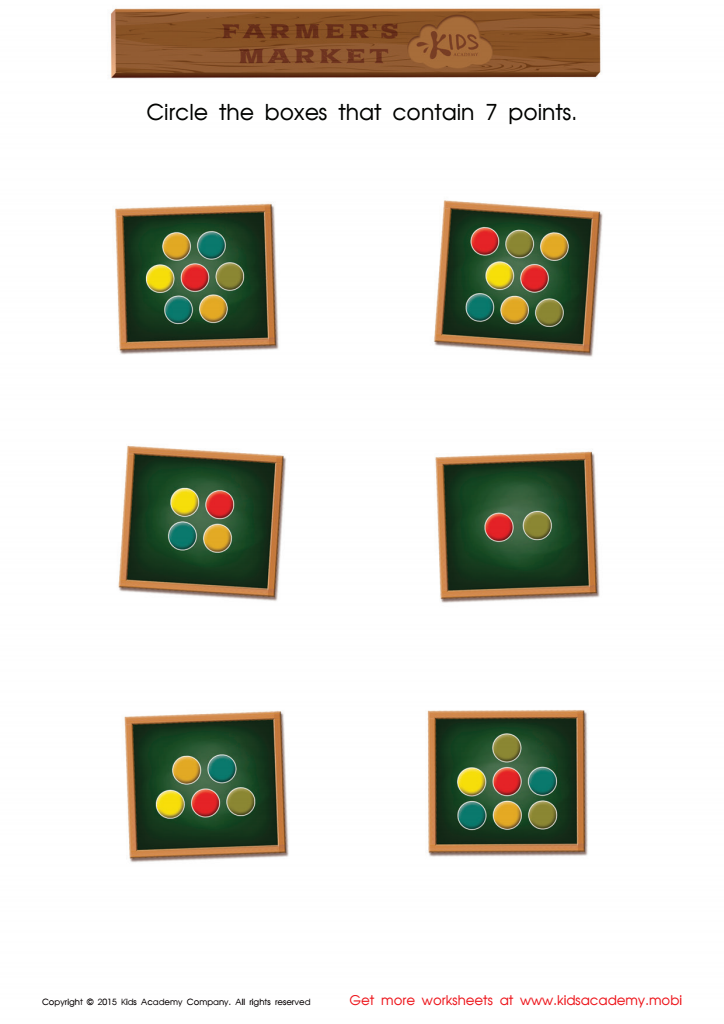
Count and Match Points 7 Math Worksheet
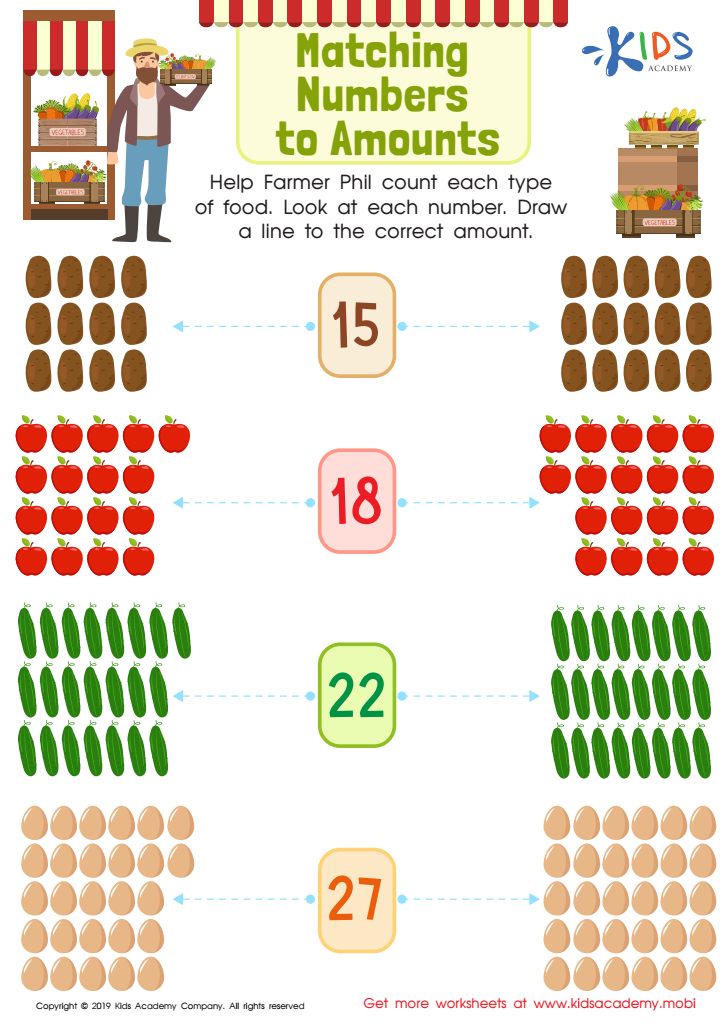
Matching Numbers to Amounts Worksheet








Matching skills are fundamental for the cognitive and social development of 4-year-olds and play a crucial role in their early math education. For parents and teachers, fostering these skills is essential because they provide the groundwork for more complex mathematical concepts later on. Matching activities, such as pairing objects by shape, color, or size, enhance a child’s ability to recognize patterns and develop problem-solving skills.
Furthermore, engaging in matching exercises encourages children to think critically and develop important fine motor skills as they manipulate objects. This hands-on learning experience makes math tangible and fun, fostering a positive attitude towards math from an early age. Additionally, working on matching with peers or adults promotes social interaction and cooperation, essential elements for their emotional and social growth.
As children practice matching, they build their vocabulary through descriptive language associated with their tasks, enhancing communication skills. These skills not only lay the groundwork for numerical understanding but also boost confidence, preparing children for future learning challenges in both math and other subjects. Thus, investing time and effort in developing matching skills can pave the way for a child’s overall academic success and lifelong love for learning.








