Critical Thinking Normal Plants and Animals Worksheets for 4-Year-Olds
3 filtered results
-
From - To
Our "Critical Thinking Normal Plants and Animals Worksheets for 4-Year-Olds" are designed to engage young minds in the fascinating world of flora and fauna. Through these interactive, visually appealing worksheets, children will enhance their critical thinking skills by exploring the relationships between plants and animals in their natural environments. Each activity encourages young learners to make observations, identify patterns, and solve simple problems, fostering a deeper understanding of the natural world. Perfect for preschool educators and parents, these worksheets provide a fun, educational foundation that nurtures curiosity and inspires a lifelong love of science.
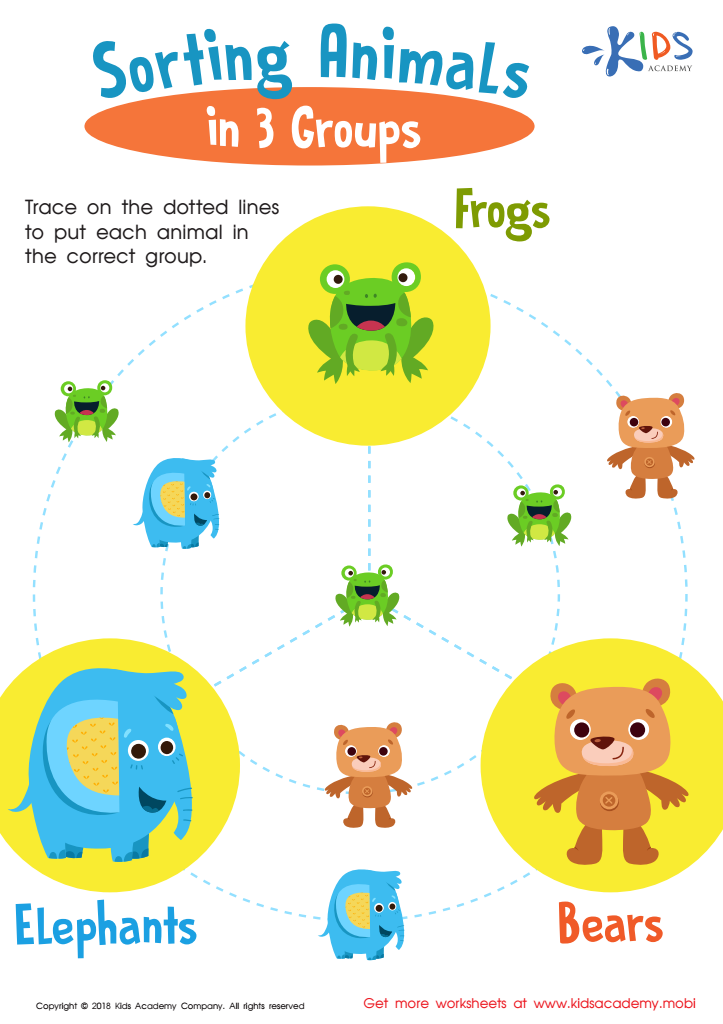
Sorting Animals in 3 Groups Worksheet
 Assign to My Students

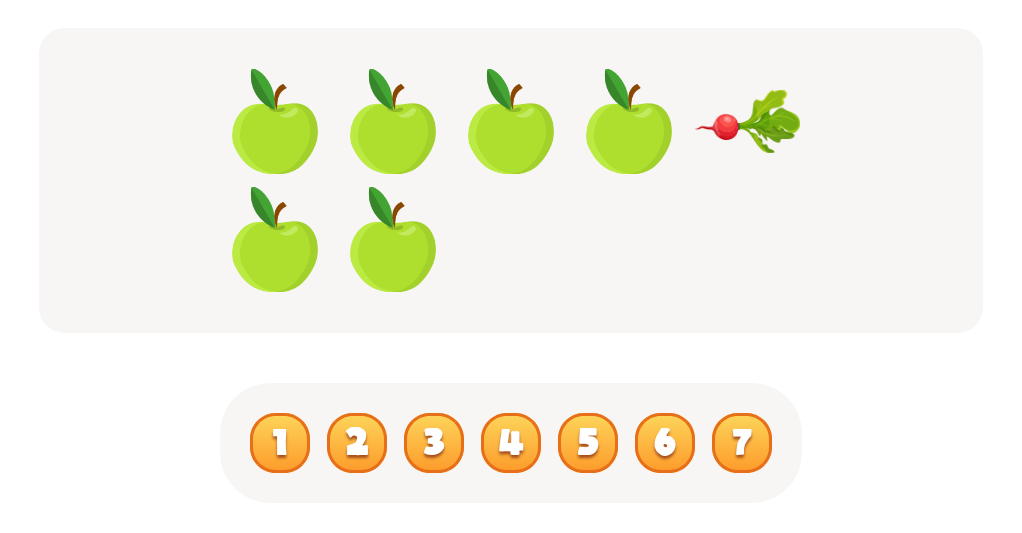
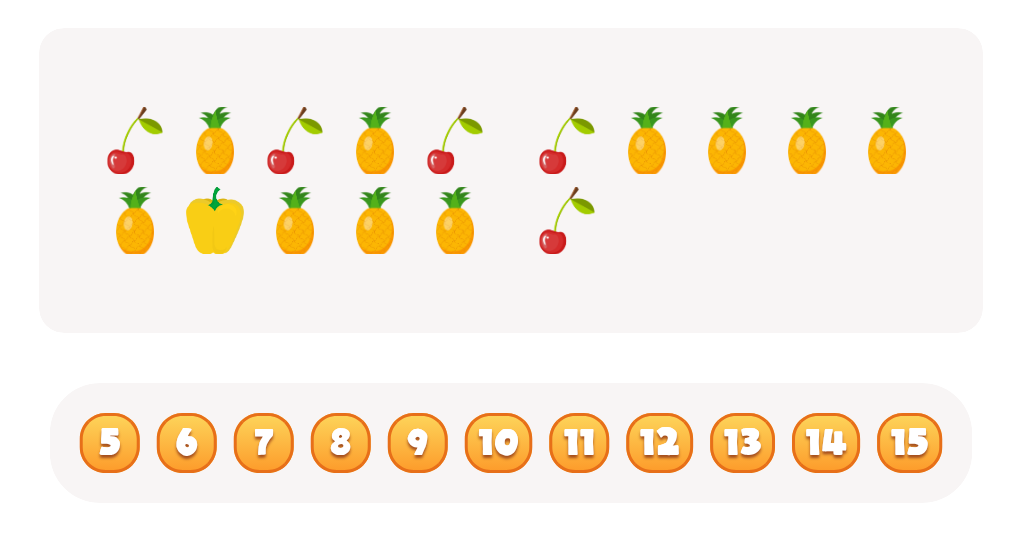
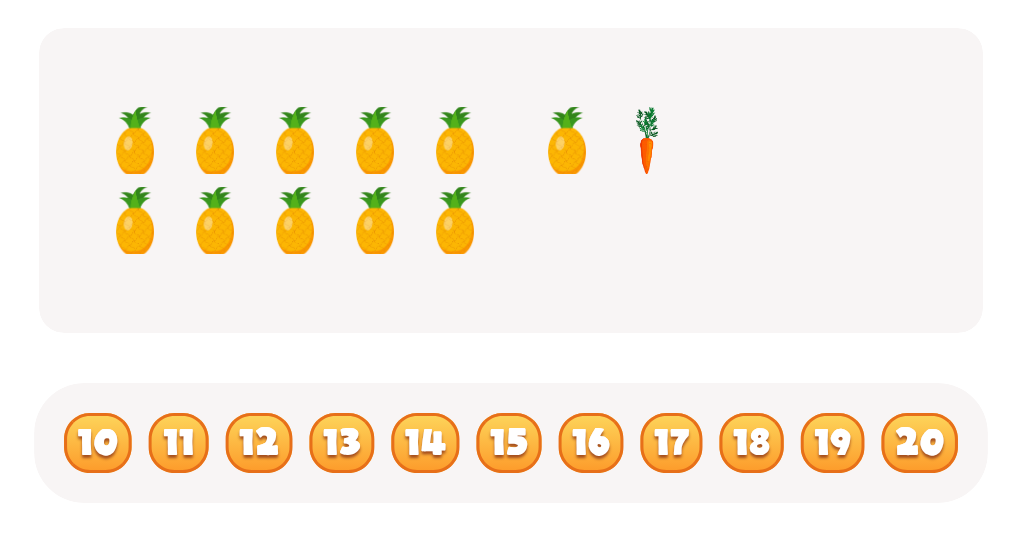
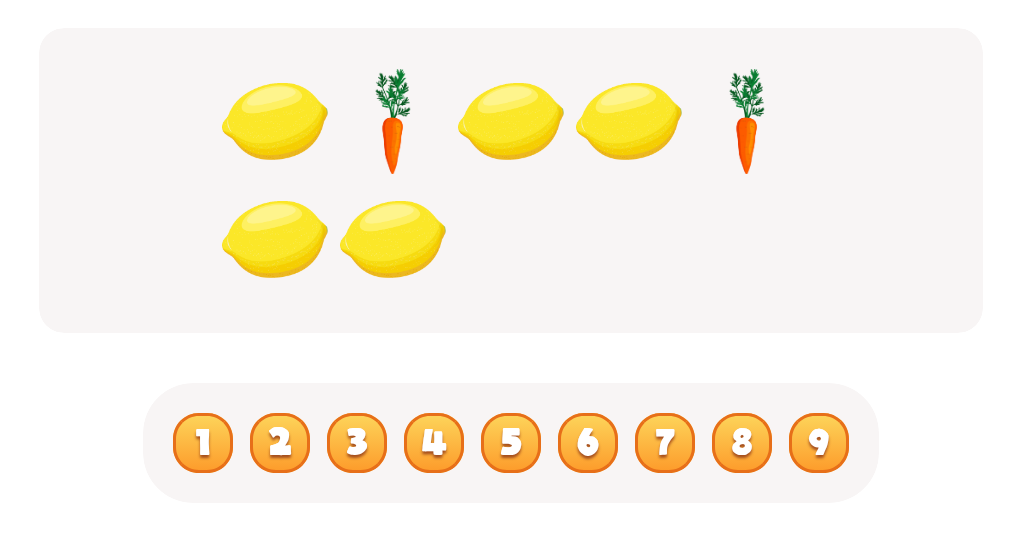
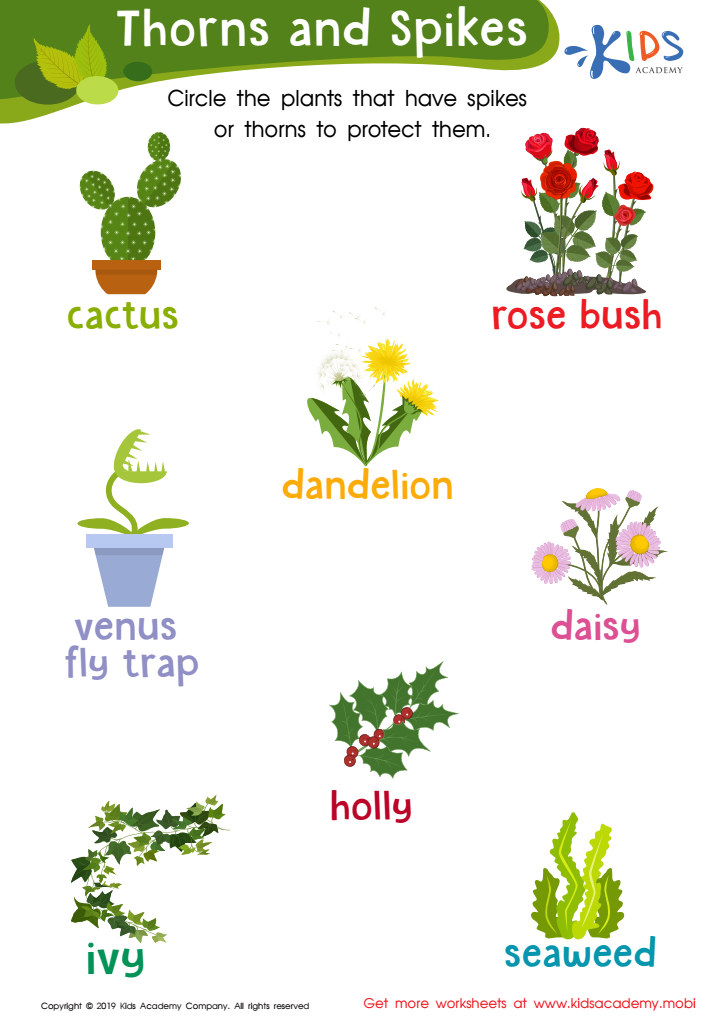
Thorns and Spikes Worksheet
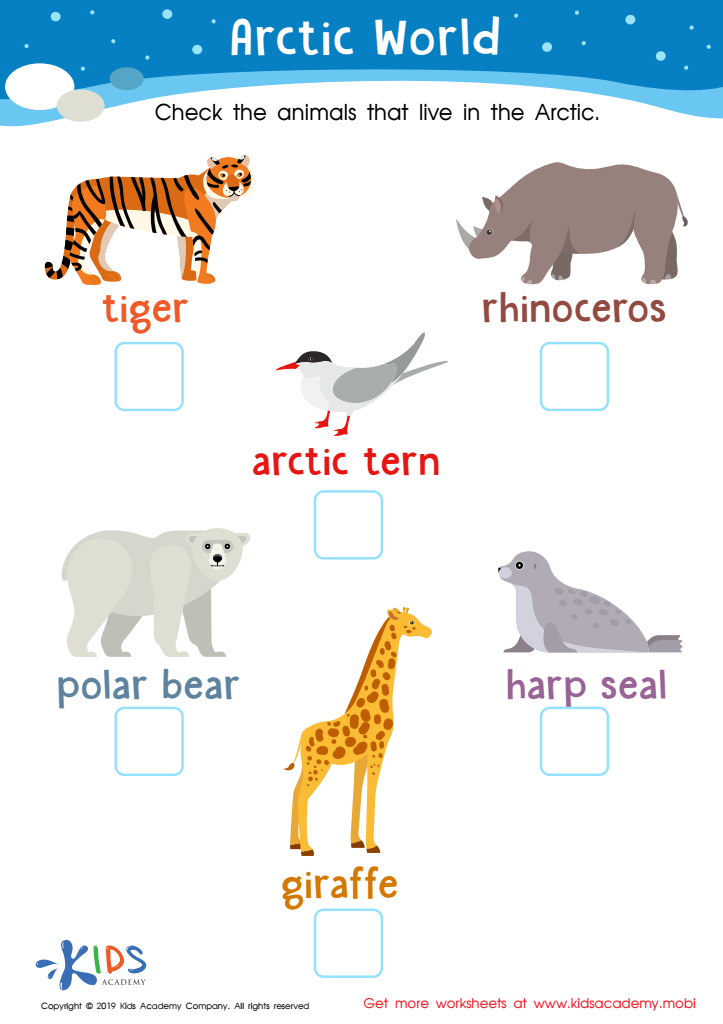
Arctic World Worksheet







Parents and teachers should care about fostering critical thinking in four-year-olds, particularly concerning the topic of normal plants and animals, because it lays the foundation for lifelong learning and curiosity. At this age, children are like sponges, soaking up knowledge and forming the cognitive abilities that will shape their future academic and personal growth. By introducing them to basic concepts of plants and animals, we stimulate their natural curiosity and encourage them to ask questions such as "Why do plants need sunlight?" or "What do animals eat?"
Creating a fun and engaging learning environment around these topics helps develop essential critical thinking skills such as observation, comparison, and reasoning. Through activities like identifying differences between animals or exploring a plant's lifecycle, young children learn to make connections, draw conclusions, and solve problems. These skills are not only foundational for science but are also transferable to other subjects and everyday situations.
Moreover, understanding the basics of plants and animals nurtures a sense of respect and appreciation for nature. Introducing these concepts early helps children develop empathy and responsibility towards living organisms, fostering environmentally conscious individuals. By prioritizing critical thinking in these areas, parents and teachers are investing in their children's cognitive development and cultivating a generation interested in and respectful of the natural world.







