Problem-Solving Skills Normal Social Studies Worksheets for 4-Year-Olds
5 filtered results
Difficulty Level
Grade
Age
-
From - To
Subject
Activity
Standards
Our Problem-Solving Skills worksheets are designed for 4-year-olds and focus on enhancing critical thinking within the context of Social Studies. These engaging activities help young learners develop essential skills by navigating everyday scenarios and challenges. Each worksheet encourages children to explore, question, and find solutions in a fun, age-appropriate manner. With colorful illustrations and relatable situations, these resources foster curiosity and build a strong foundation for future learning. Perfect for at-home use or in classroom settings, our carefully crafted worksheets support children in becoming confident problem-solvers, ready to tackle real-world issues with confidence and creativity.
Favorites
With answer key
Interactive
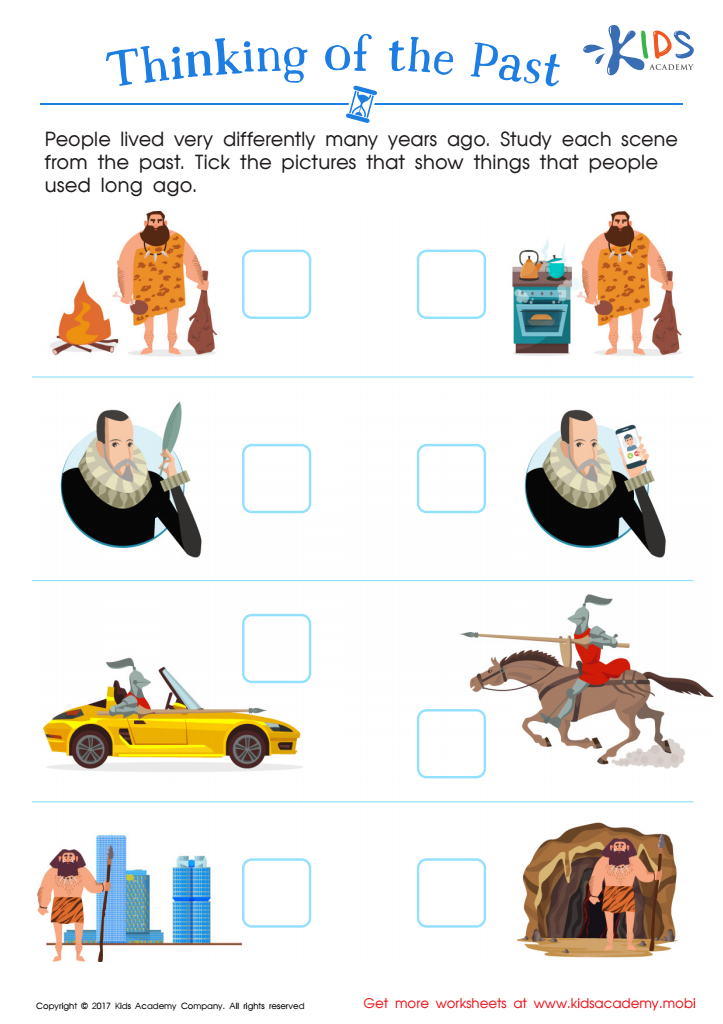
Thinking Past Printable
Bring the past to life for your kid with this fun worksheet! They'll use logic to choose the right answer, learning about different eras and how people lived in them. With a colorful caveman and modern skyscraper side by side, they won't even realize they're building historical knowledge.
 Assign to My Students
Thinking Past Printable
Worksheet
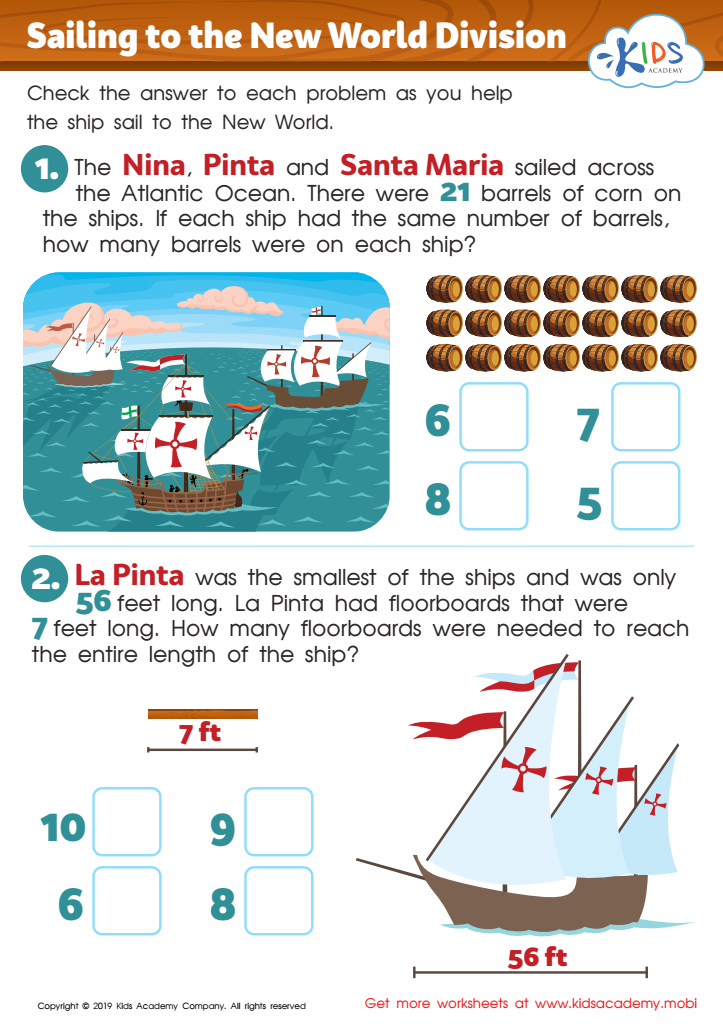
Sailing to the New World Division Worksheet
This worksheet combines history and math, helping kids make sense of problem-solving. Christopher Columbus sailing the ocean blue is combined with picture representations of division word problems in bold colors and highlighted numbers. Kids can learn while having fun figuring out the problems, regardless of whether it's math or history.
Sailing to the New World Division Worksheet
Worksheet

Towns Worksheet
Towns are generally quiet and safe, making them attractive for young families. Cities have more people, businesses and tall buildings. Roads are busy, and there is often plenty to do and see. Help your kids check which pictures in this worksheet show towns.
Towns Worksheet
Worksheet
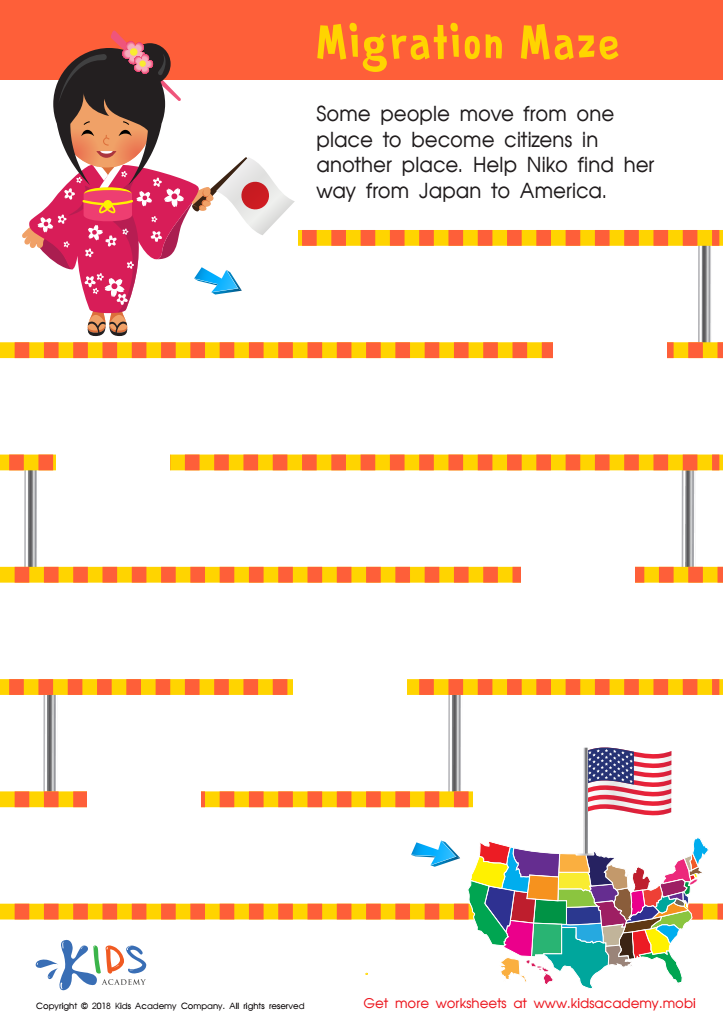
Migration Maze Worksheet
You are a citizen of your school, city and country. Many people migrate to become citizens of another place, like Niko in this worksheet. Ask your students to help her find her way from Japan to America.
Migration Maze Worksheet
Worksheet
Join Kids Academy for Free
Who is primarily going to use this learning content?








Parents and teachers play a crucial role in the early development of problem-solving skills through normal social studies for 4-year-olds. These skills are foundational for lifelong learning and social interaction. At this young age, children are naturally curious and eager to explore the world around them. Integrating problem-solving into social studies nurtures critical thinking, allowing kids to ask questions, analyze information, and make decisions.
When 4-year-olds engage in activities like simple history lessons, community role-play, or cultural exploration, they learn to connect ideas and recognize patterns. This builds cognitive abilities crucial for understanding more complex subjects later on. Practical activities such as exploring neighborhood maps or discussing family traditions enhance spatial awareness and cultural appreciation, vital components of comprehensive education.
Moreover, social studies emphasize teamwork, communication, and empathy. When children work together on projects or discuss stories of people from different backgrounds, they practice listening, negotiating, and sharing—key social skills for positive relationships.
Parents and teachers should cherish these opportunities because problem-solving in social studies creates a balanced approach to learning. It not only feeds intellectual growth but also fosters emotional and social development, preparing children to navigate an interconnected world confidently and thoughtfully.