Phonics practice Normal Alphabet Worksheets for Ages 5-6
12 filtered results
-
From - To
Discover our engaging Phonics Practice Normal Alphabet Worksheets designed specifically for children ages 5-6. These worksheets offer a fun and interactive way to develop essential phonics skills while mastering letter recognition and sounds. Each worksheet is thoughtfully created to enhance early literacy skills, helping young learners connect letters with their corresponding sounds through playful activities. Ideal for both classroom and home use, our worksheets foster confidence and nurture a love for reading. Download these resources today to support your child's educational journey and watch them excel in their phonics development! Perfect for parents, teachers, and childcare providers alike.
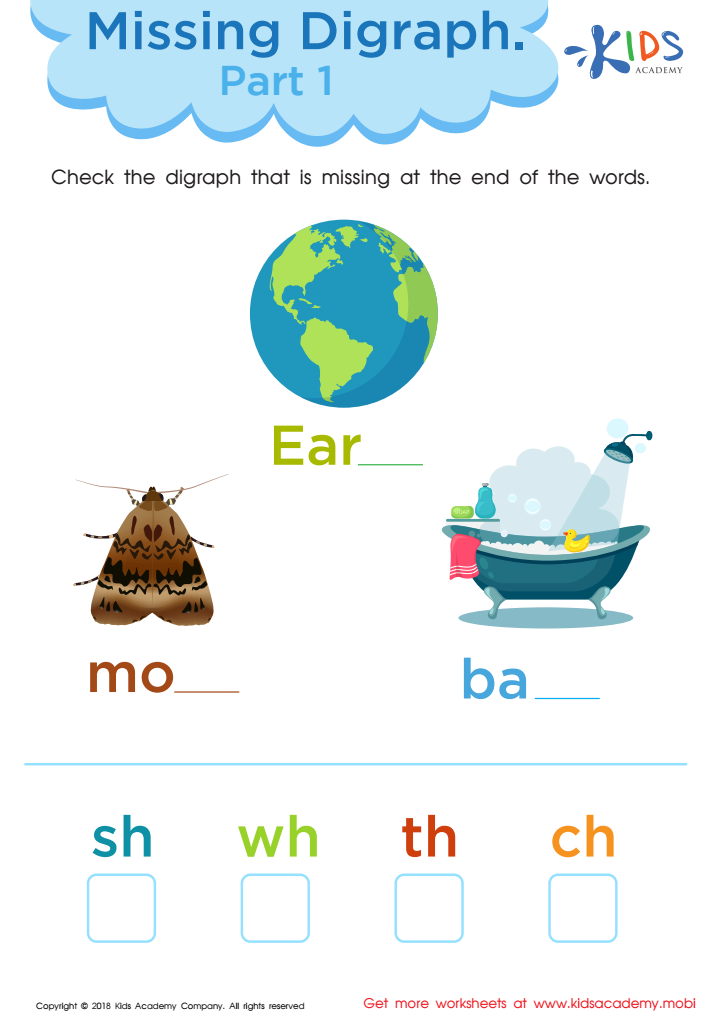
Missing Digraph: Part 1 Worksheet
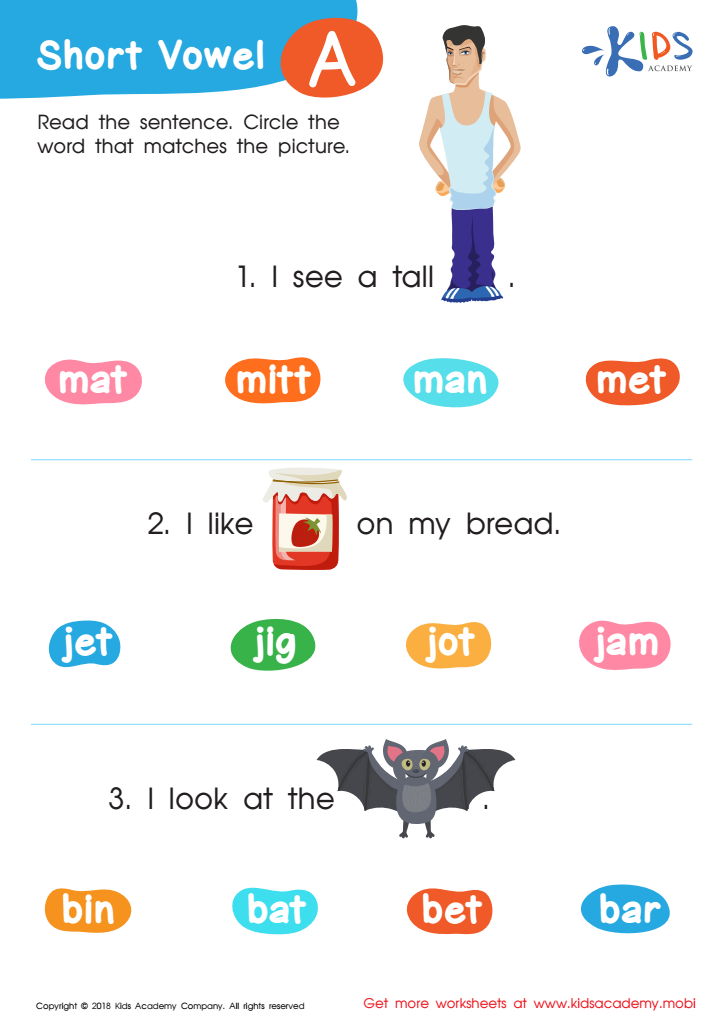
Short Vowel /a/ Worksheet
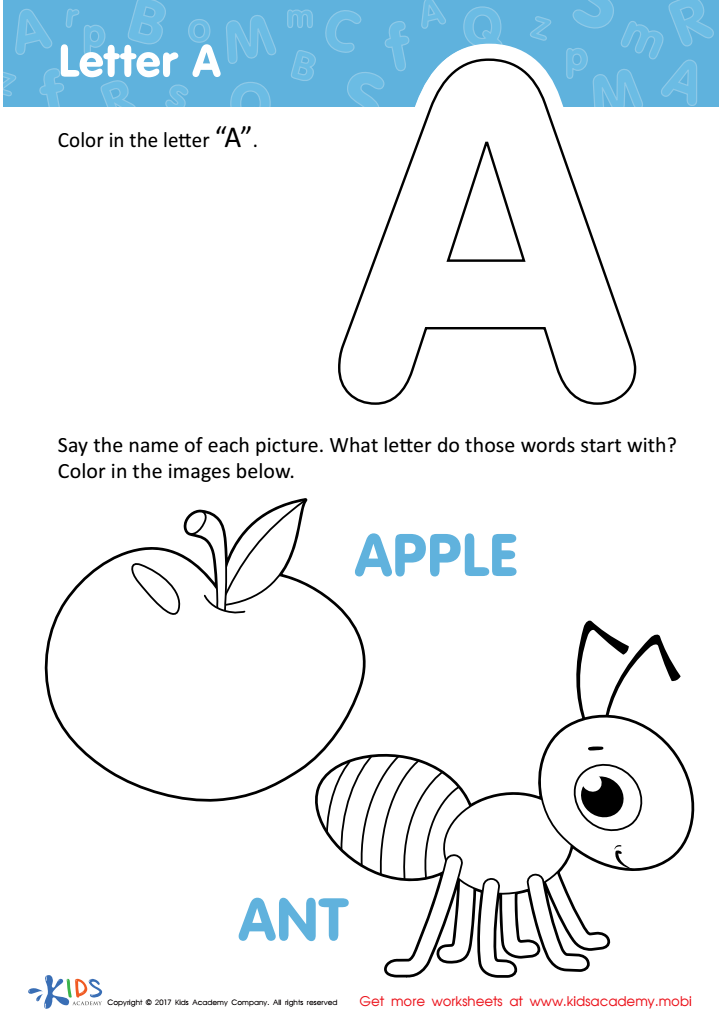
Letter A Coloring Sheet
 Assign to My Students
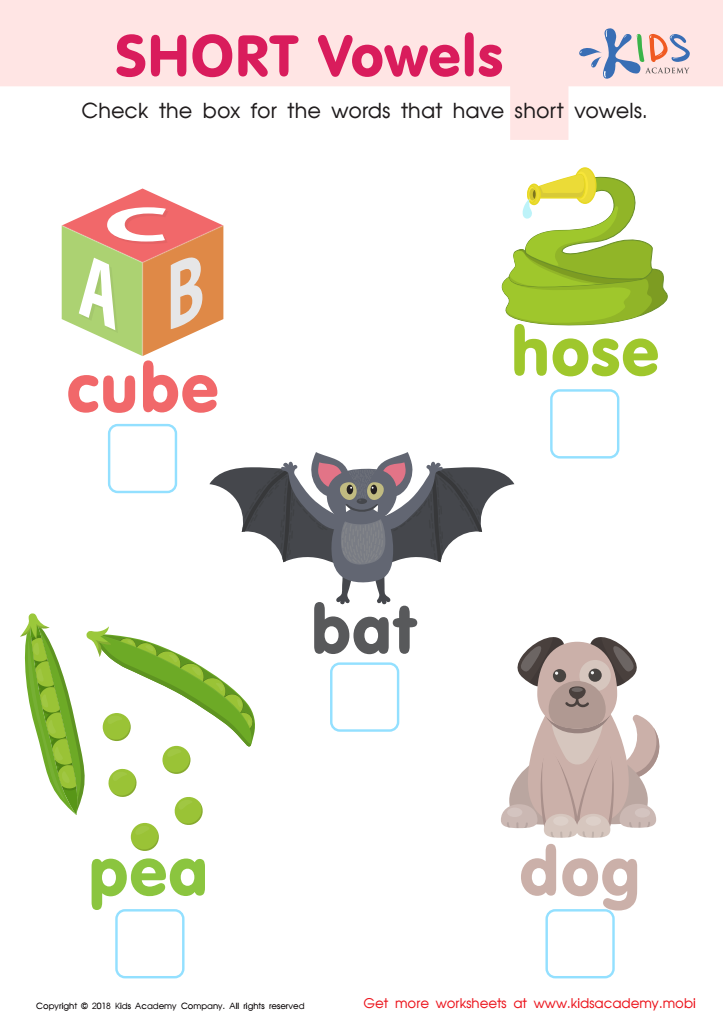
short vowels Worksheet
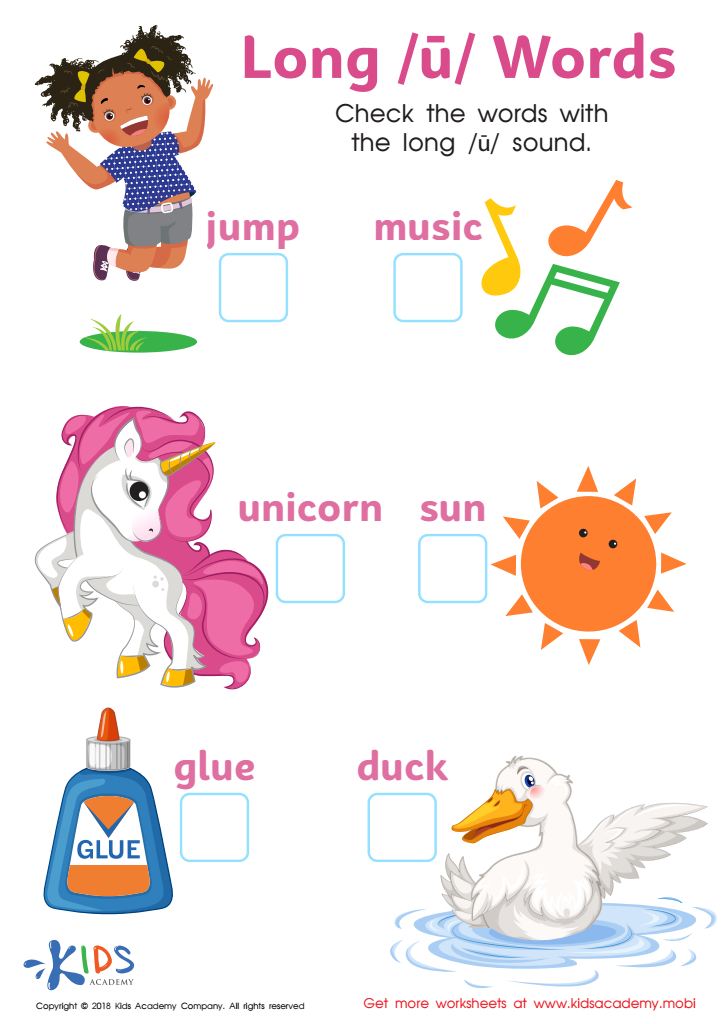
Long U Words Reading Worksheet
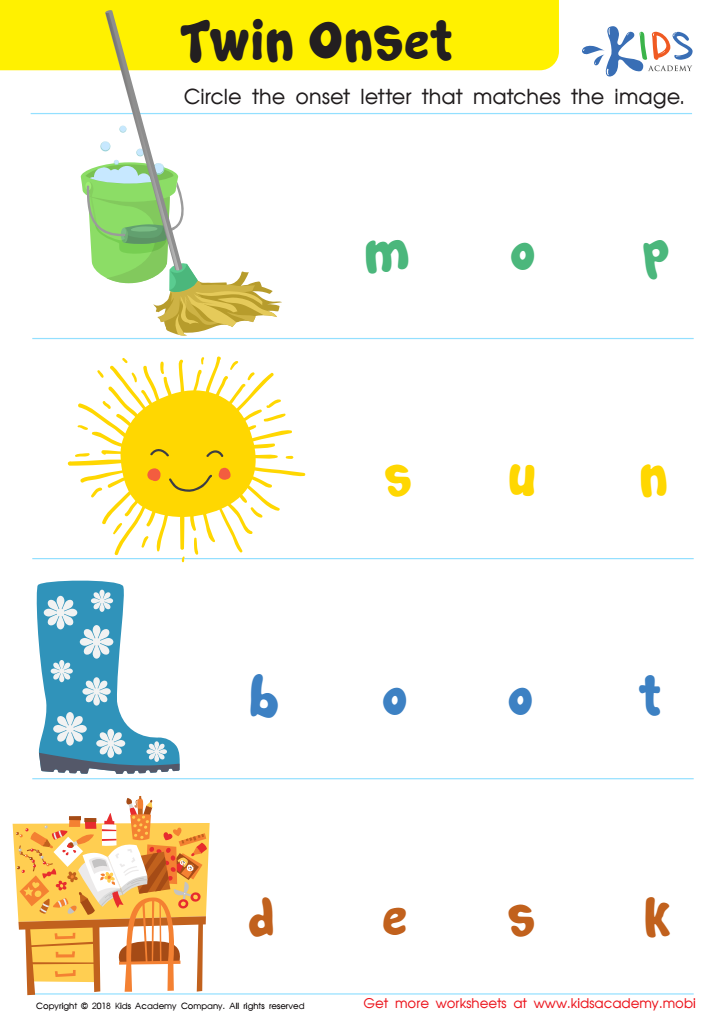
Twin Onset Worksheet
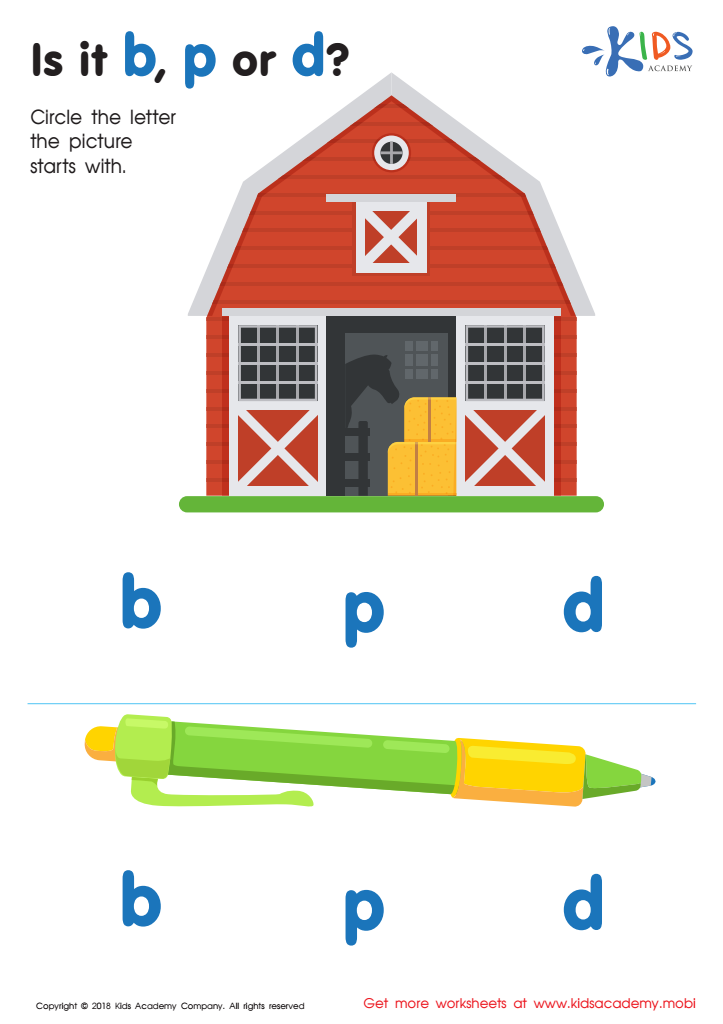
Is it b, p or d? Worksheet
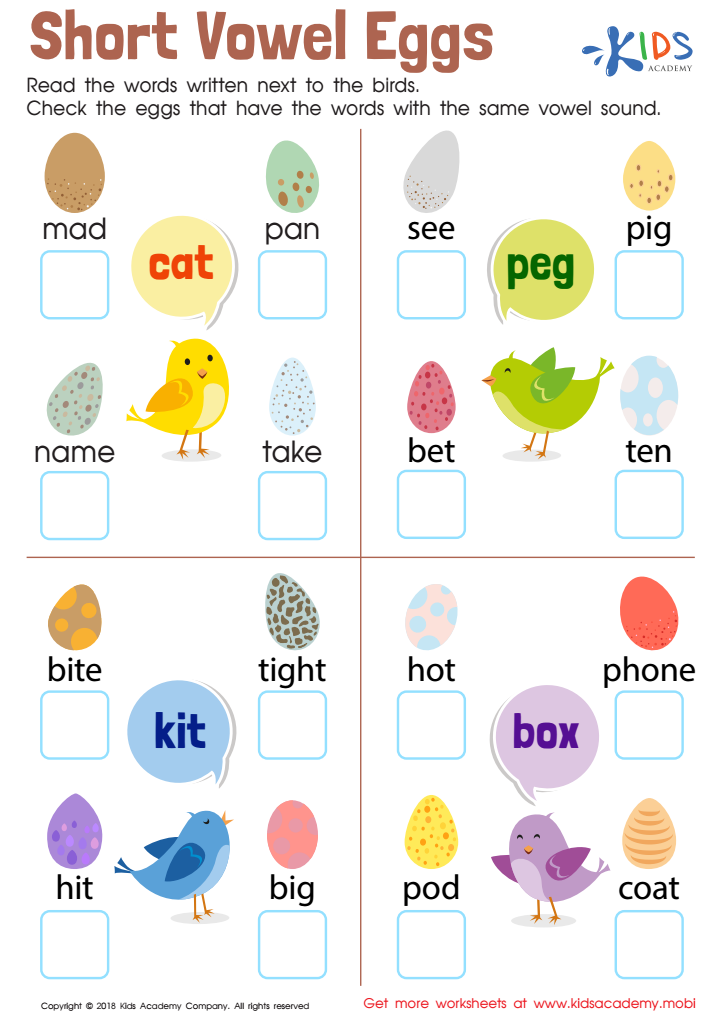
Short Vowel Eggs Worksheet
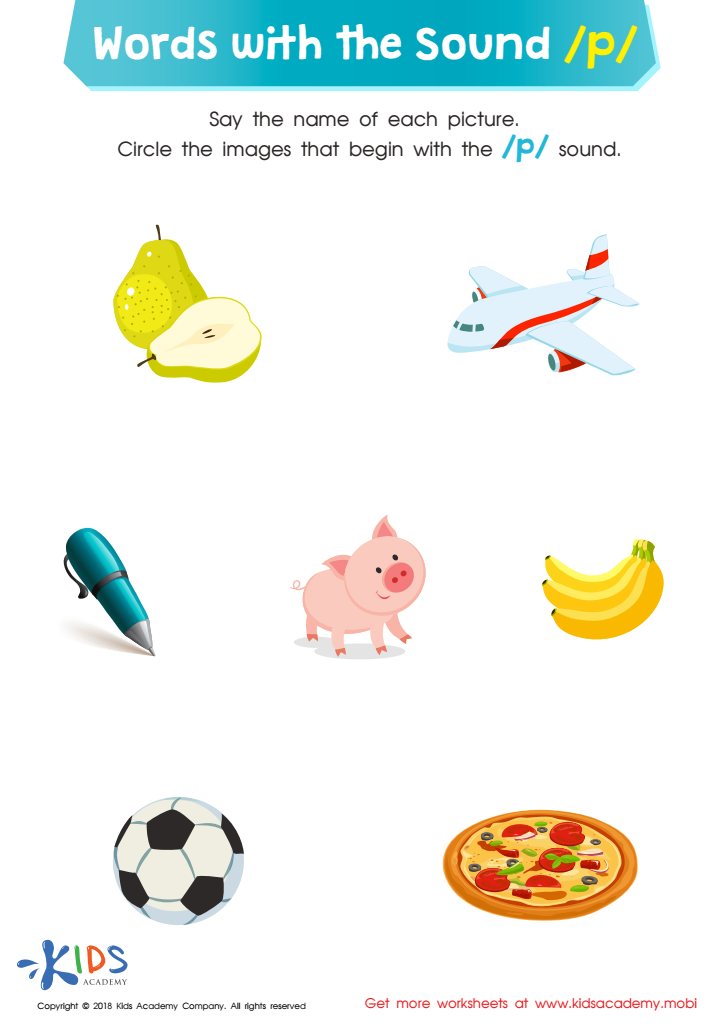
Words with sound p Reading Worksheet
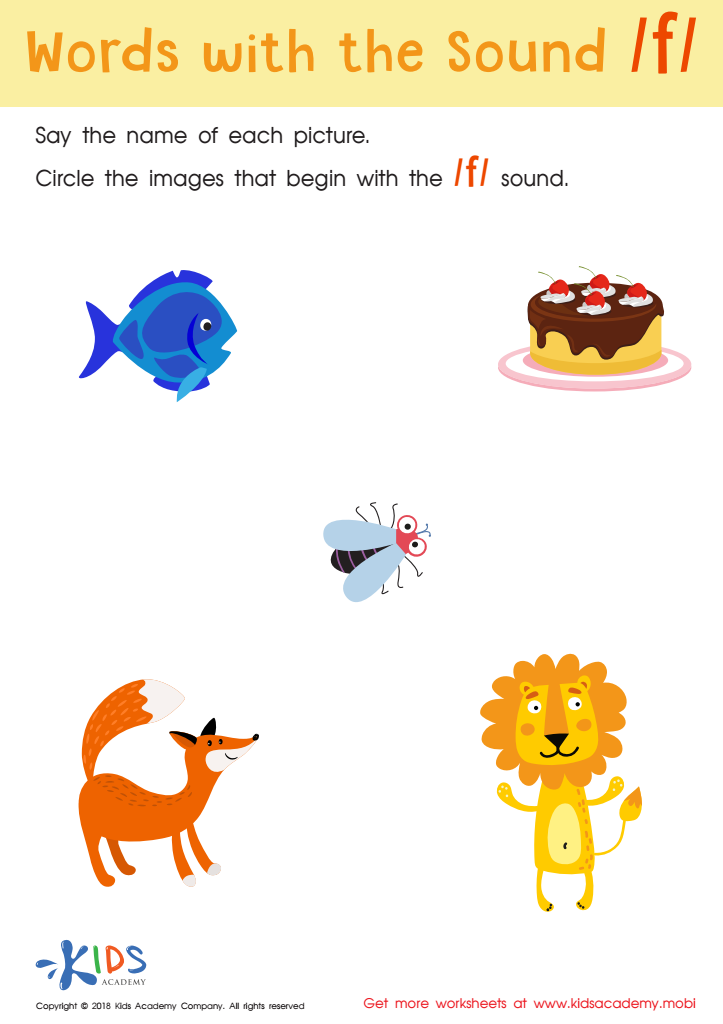
Words with sound f Reading Worksheet
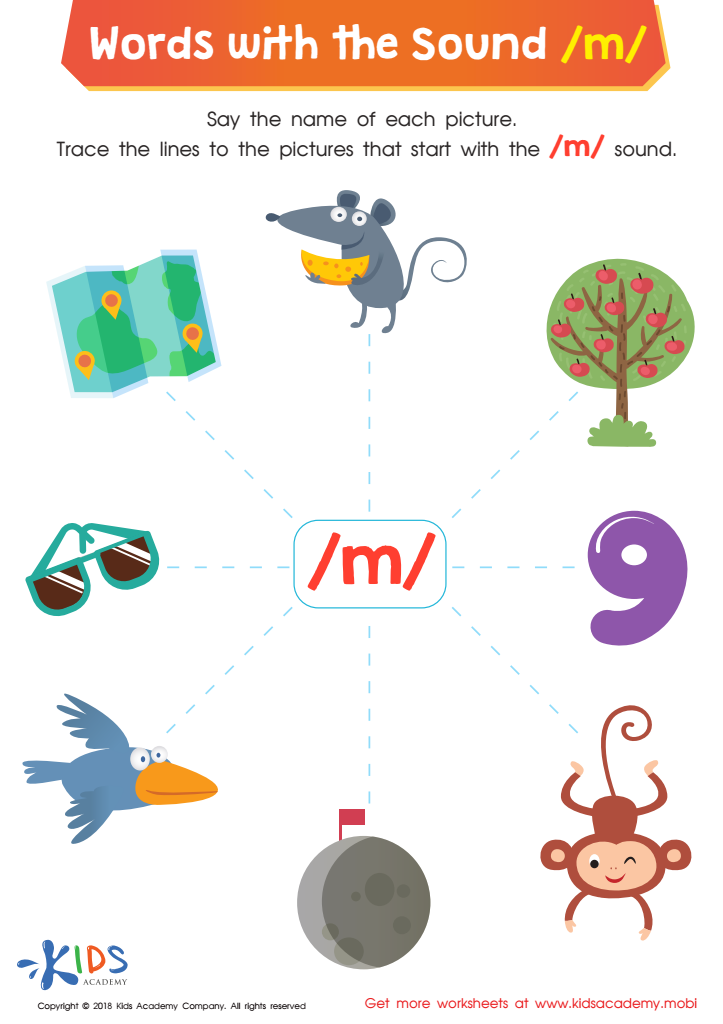
Words with Sound M Reading Worksheet
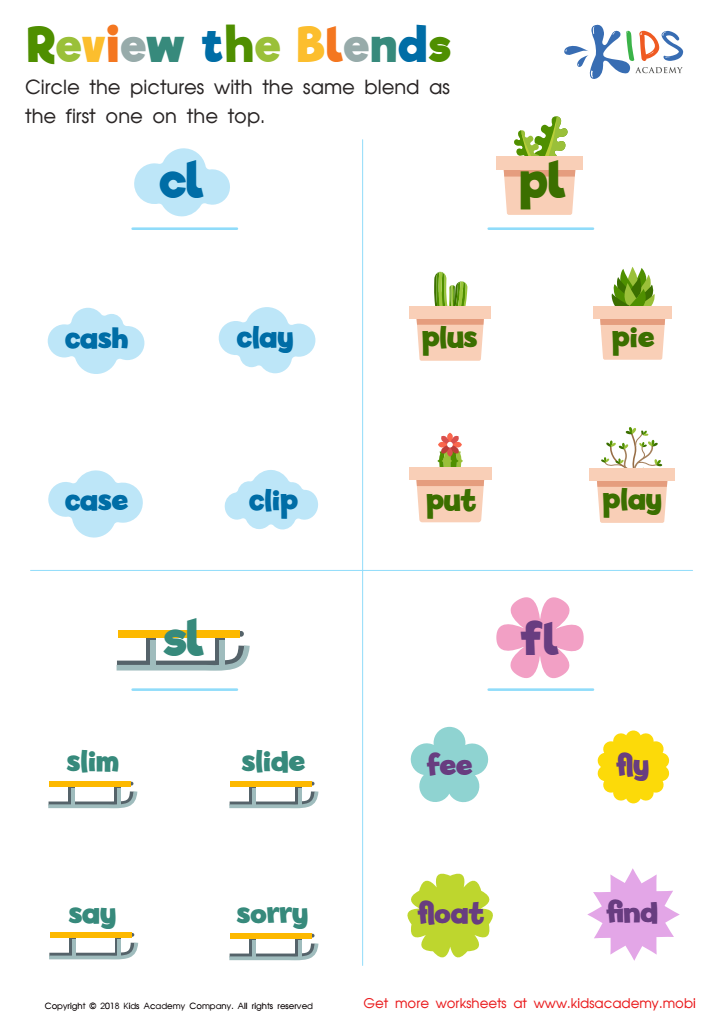
Review the Blends Worksheet







Phonics practice is crucial for children aged 5-6, as it lays the foundation for reading and writing skills. At this age, children are developing their phonemic awareness, which is the ability to recognize and manipulate individual sounds in words. By engaging in phonics activities, children learn how letters correspond to sounds, facilitating the decoding of words. This early understanding of sound-letter relationships enables children to read independently, boosting their confidence and motivation.
For parents and teachers, incorporating phonics into daily learning is essential for nurturing literacy skills. Strong reading abilities are linked to academic success across subjects, as proficient readers can better understand instructions, stories, and information. Additionally, phonics practices often enhance vocabulary development and spelling skills, which are essential for effective communication.
Furthermore, promoting phonics helps establish a lifelong love of reading. When children grasp the basics of phonics, they are more likely to explore books independently, fostering imagination and critical thinking. Investing time in phonics practice today will contribute significantly to a child’s academic achievements and personal growth in the future. By prioritizing this practice, parents and teachers play a critical role in shaping competent, confident readers ready for the world.







