Sound Association Normal Letter Sounds Worksheets for Ages 5-6
16 filtered results
-
From - To
Enhance your child's reading skills with our "Sound Association Normal Letter Sounds Worksheets" designed for ages 5-6. These engaging worksheets help young learners differentiate and associate common letter sounds, providing a strong foundation for early literacy. Through a variety of fun activities, children will learn to recognize and pronounce letter sounds, boosting their phonemic awareness and confidence. Ideal for kindergarten students, these worksheets support classroom learning and at-home practice. Equip your child with the essential tools to improve their reading abilities and foster a lifelong love of learning. Start your phonics journey today!
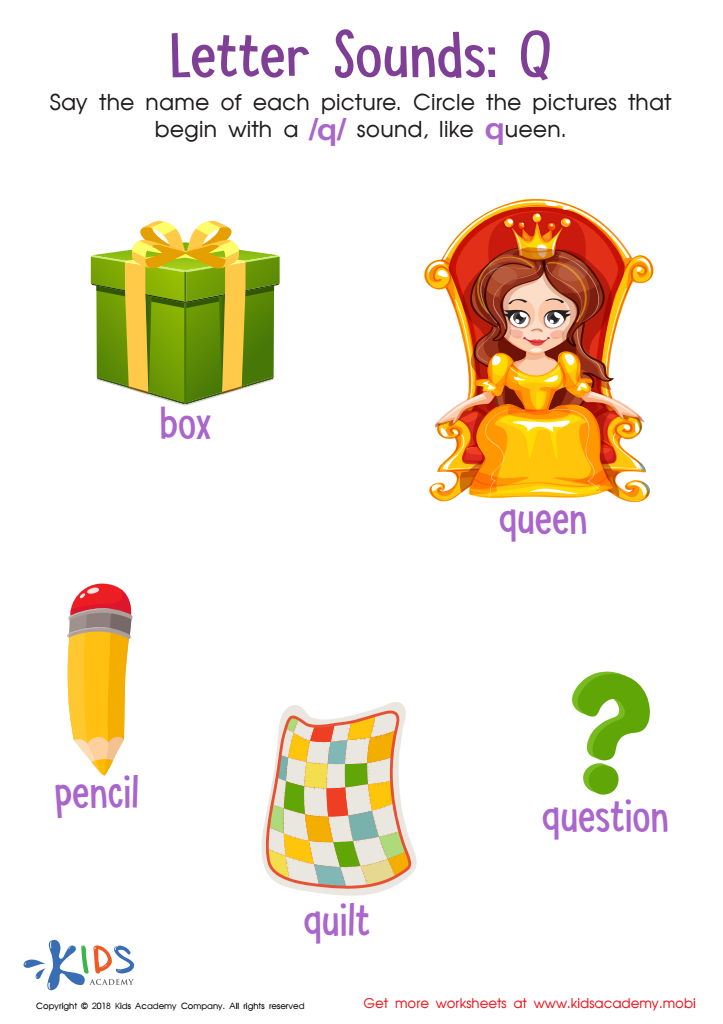
Letter Q Sounds Worksheet
 Assign to My Students
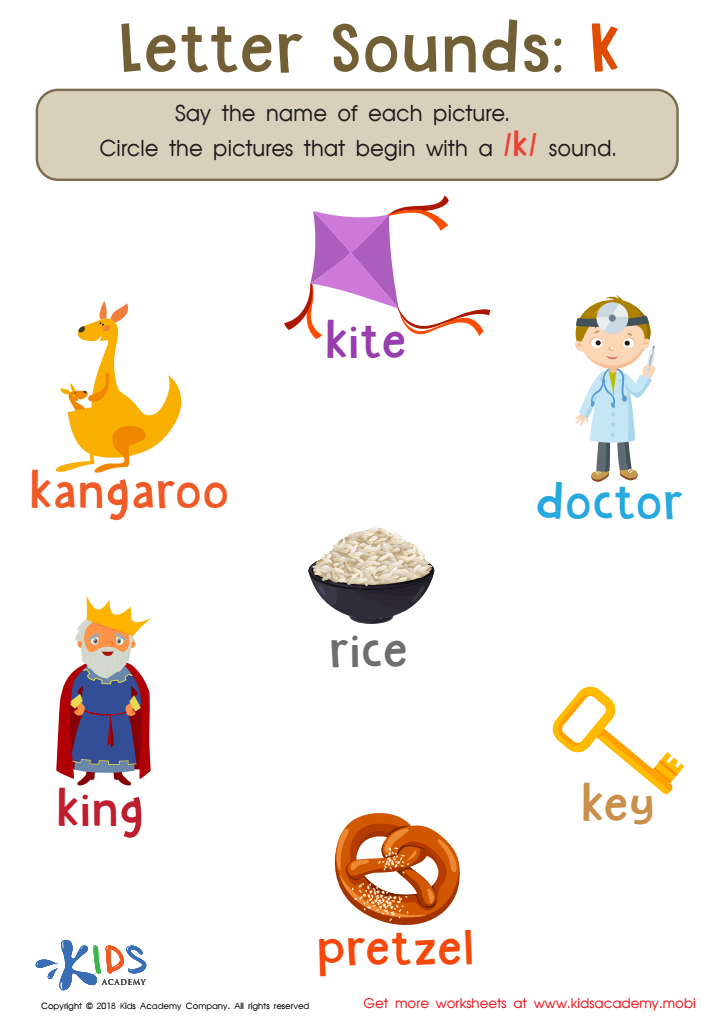
Letter K Sounds Worksheet
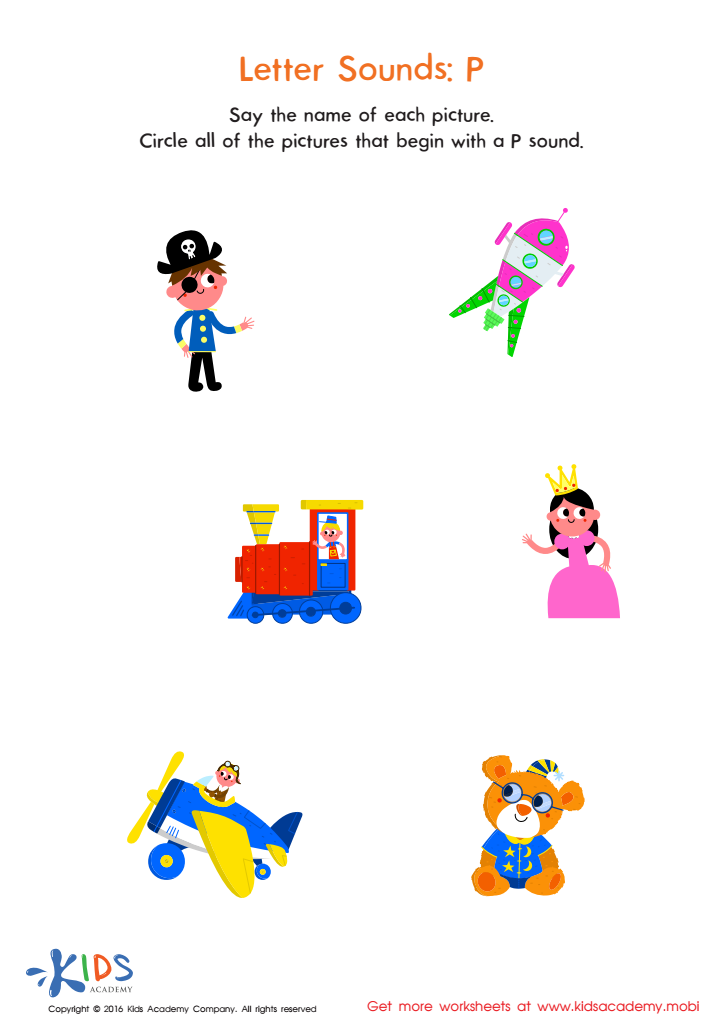
Letter P Sound Worksheet
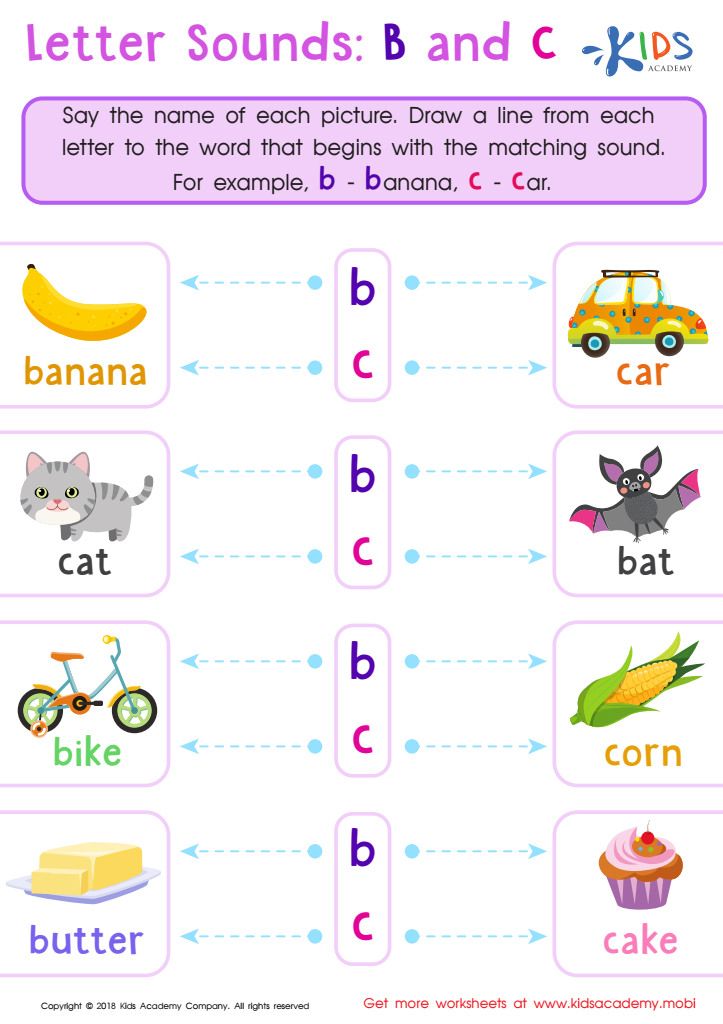
Letter B and C Sounds Worksheet
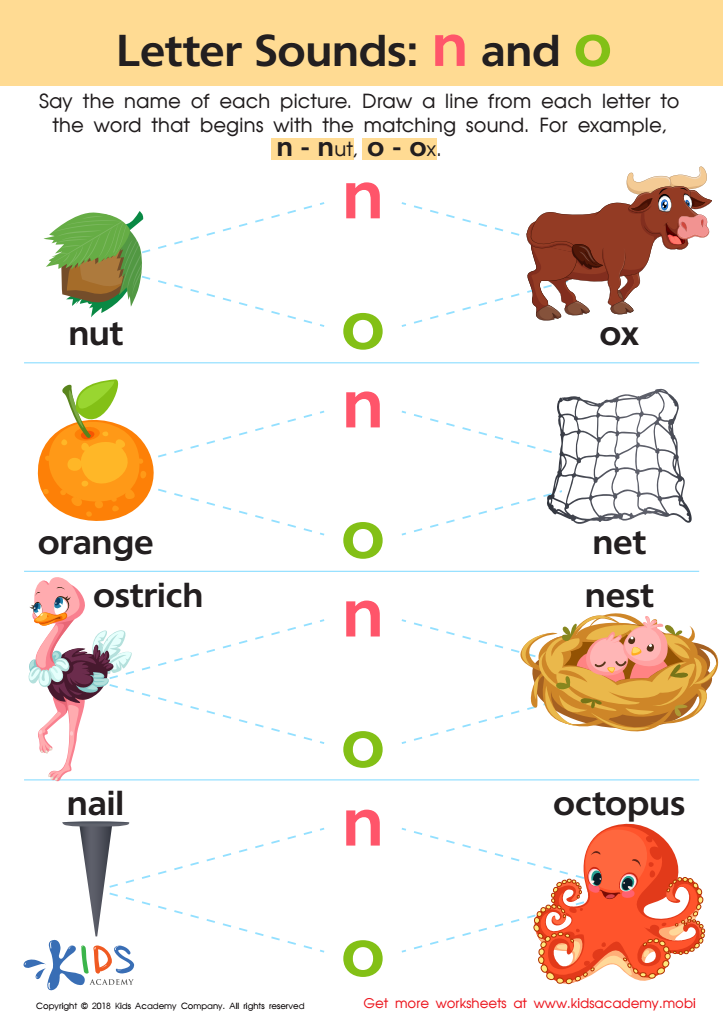
Letter N and O Sounds Worksheet
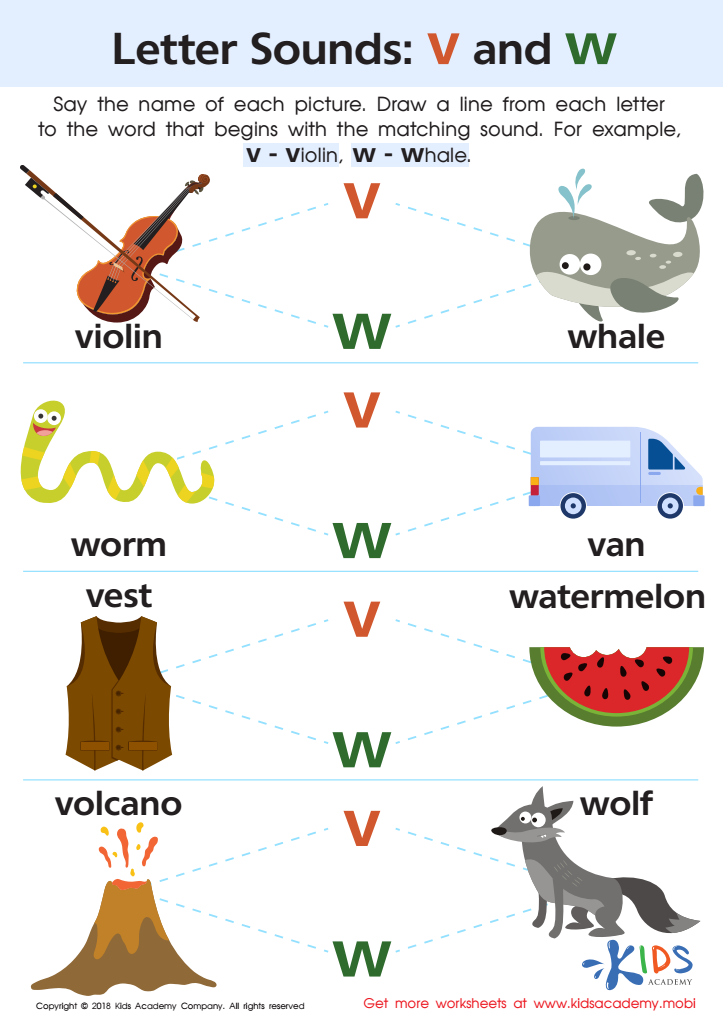
Letter V and W Sounds Worksheet
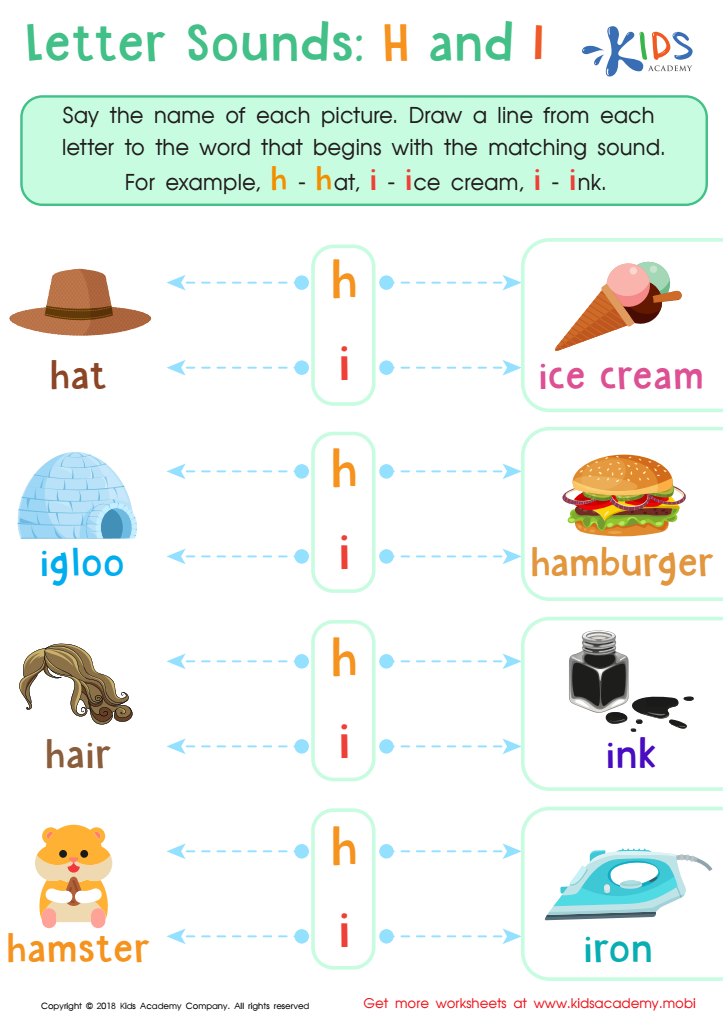
Letter H and I Sounds Worksheet
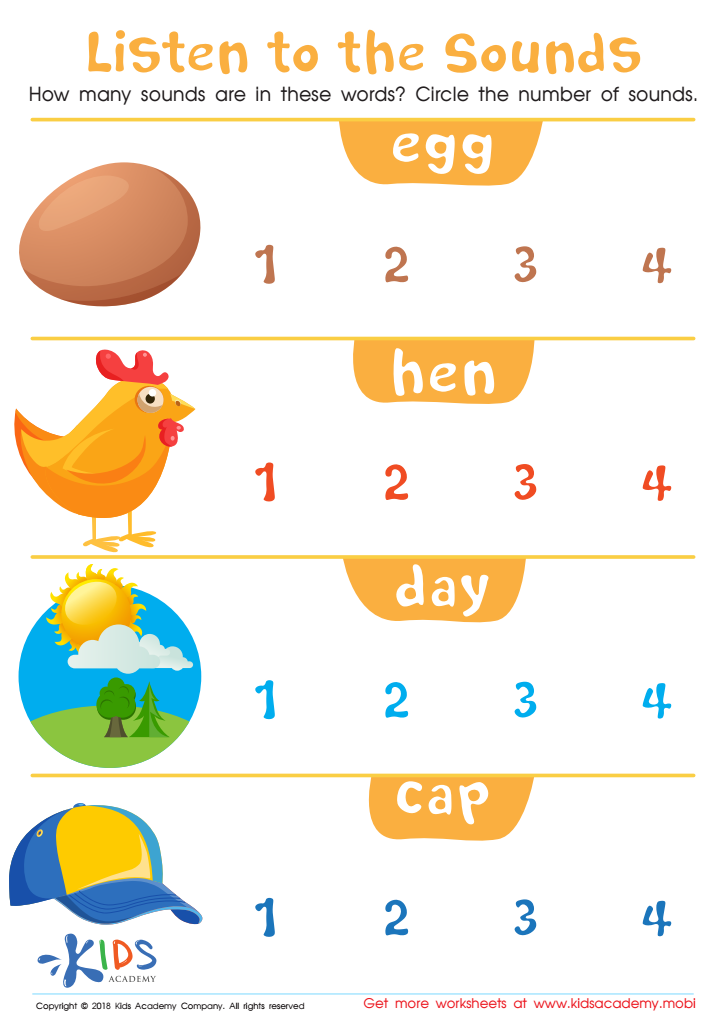
Listen to the Sounds Worksheet
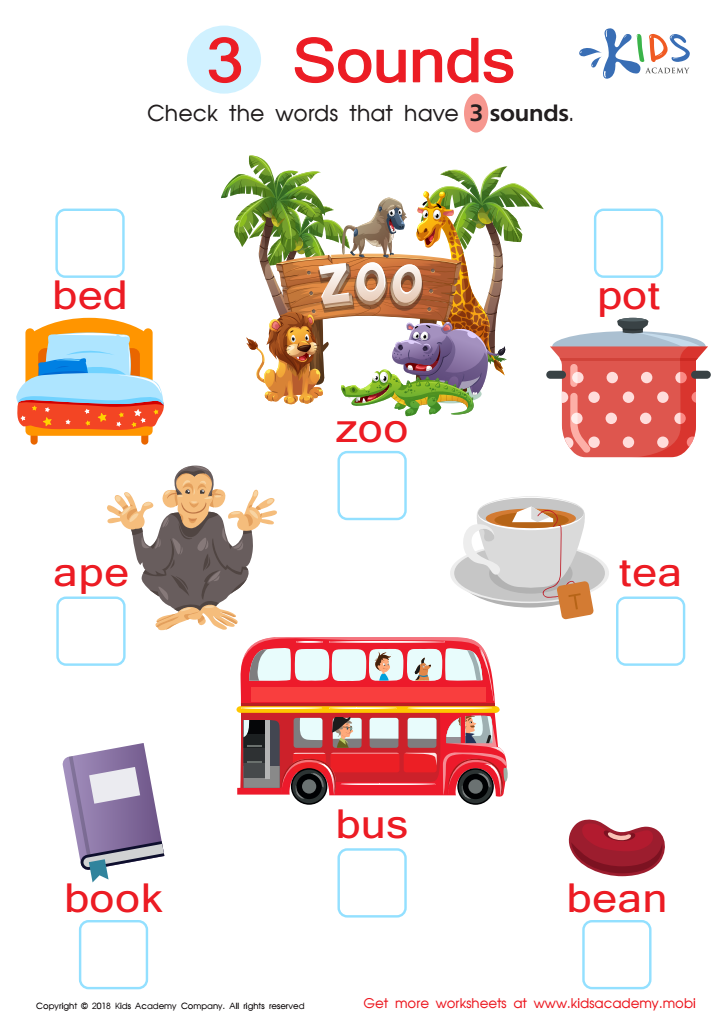
3 Sounds Worksheet
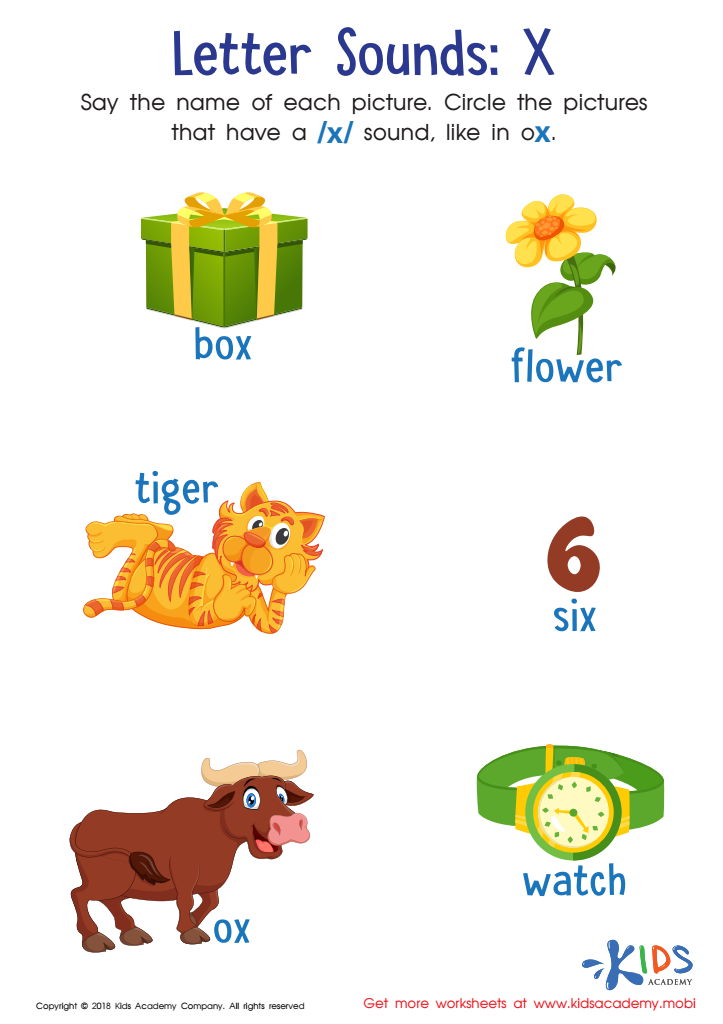
Letter X Sounds Worksheet
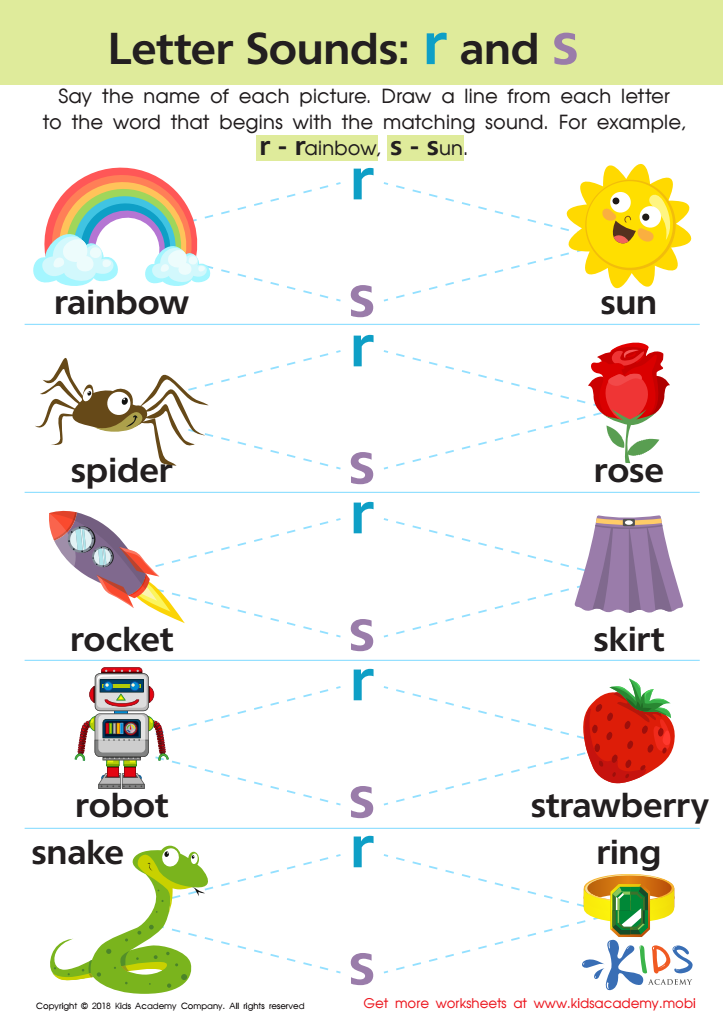
Letter R and S Sounds Worksheet
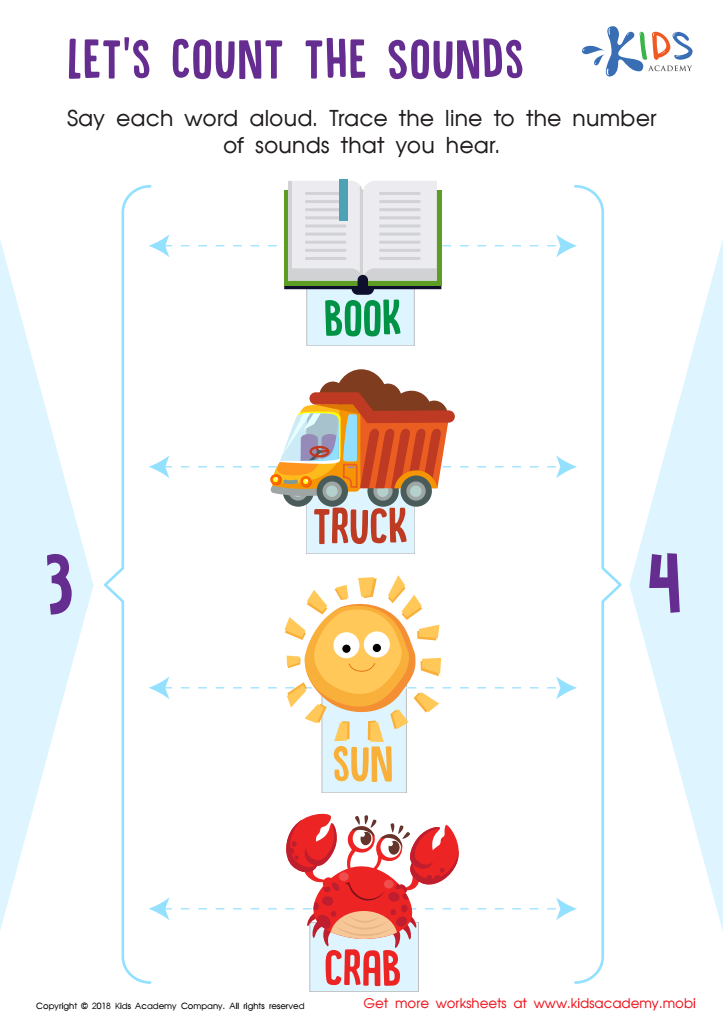
Let's Count the Sounds Worksheet
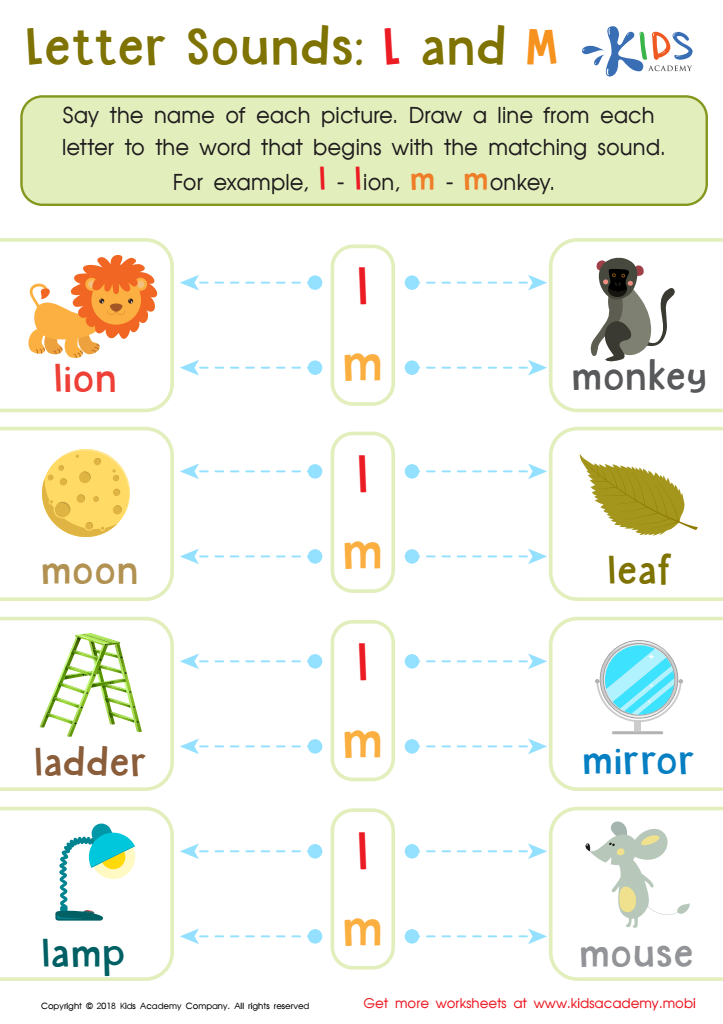
Letter l and M Sounds Worksheet
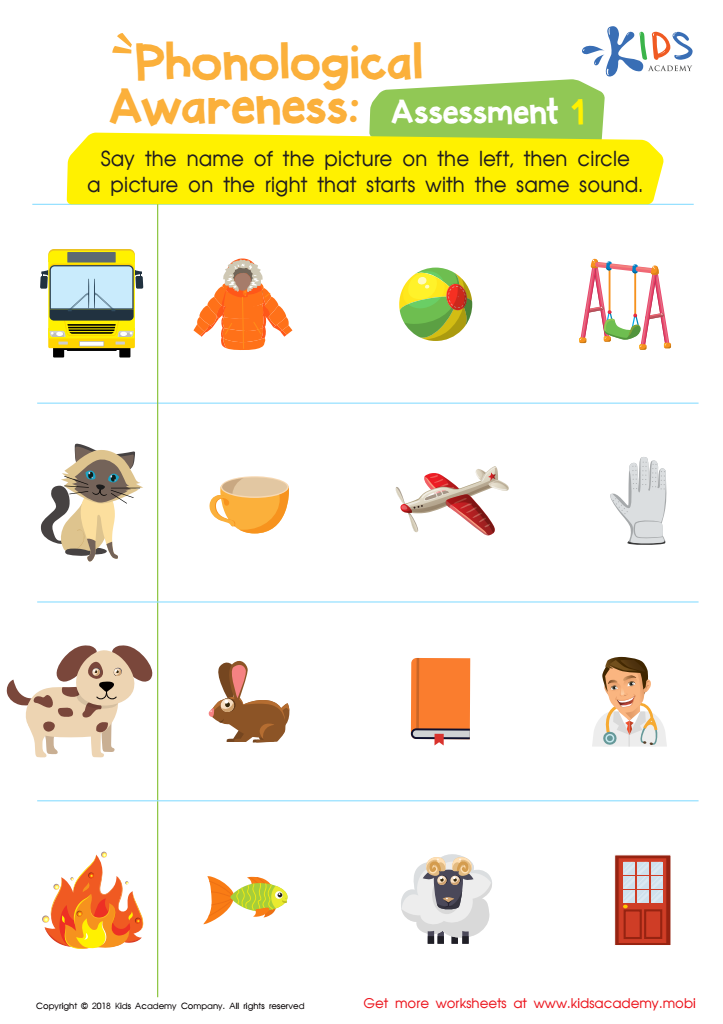
Phonological Awareness: Assessment 1 Worksheet
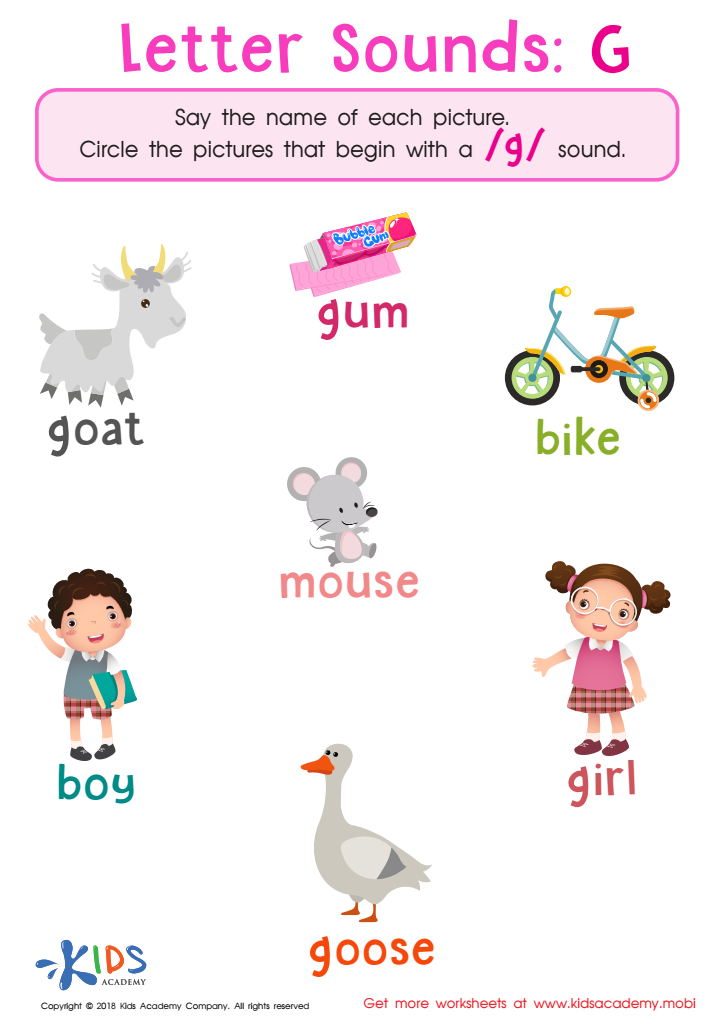
Letter G Sounds Worksheet
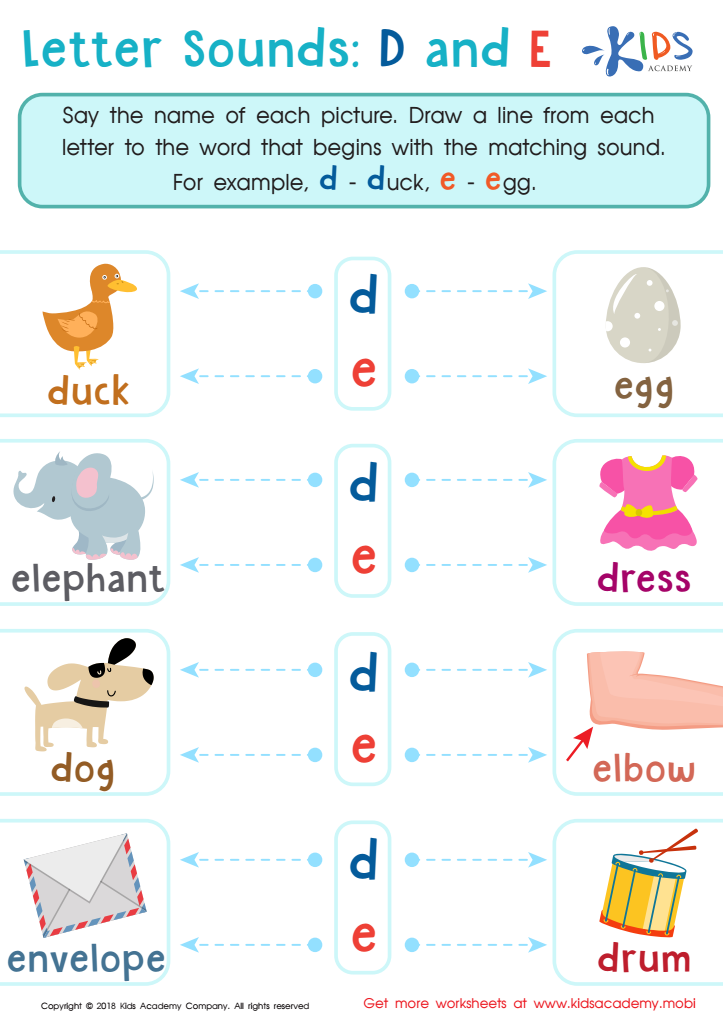
Letter D and E Sounds Worksheet








Parents and teachers should place great importance on sound association with normal letter sounds for children aged 5-6 because this skill forms the cornerstone of early reading and writing development. At this pivotal age, children are typically transitioning from the pre-literate phase to becoming emergent readers. The ability to decode words by recognizing the sounds (phonemes) associated with letters (graphemes) is essential for fluent reading. When children learn to link specific sounds with their corresponding letters, they gain confidence in sounding out unfamiliar words, which builds their reading proficiency.
Moreover, strong phonemic awareness, which includes the ability to recognize and manipulate individual sounds in words, significantly predicts future reading success. Early mastery in this area can prevent future reading difficulties and is linked to better spelling and writing skills. Effective sound association lays the groundwork for not only academic success but also for cognitive development, as it enhances memory, concentration, and overall learning capability.
Furthermore, children with well-developed sound association skills tend to foster a love for reading, which can translate into a lifelong habit, rich vocabulary, and a higher overall academic aptitude. By investing in this crucial stage of literacy development, parents and teachers can set children on a path toward enthusiastic learning and scholastic achievement.






