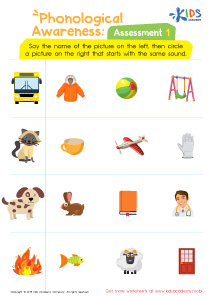
Phonics Skills Normal Vowels Worksheets for Ages 5-6
18 filtered results
-
From - To
Enhance your child's phonics skills with our engaging Normal Vowels Worksheets designed for ages 5-6. These interactive resources provide a fun and educational way for young learners to master vowel recognition and sounds. Our worksheets feature colorful illustrations and creative activities that promote retention and understanding. Children will enjoy tracing letters, identifying vowel sounds in words, and completing engaging exercises that reinforce their learning. Perfect for at-home learning or classroom use, these worksheets will boost your child's confidence and set a strong foundation for future literacy skills. Download now and watch your child thrive in their phonics journey!
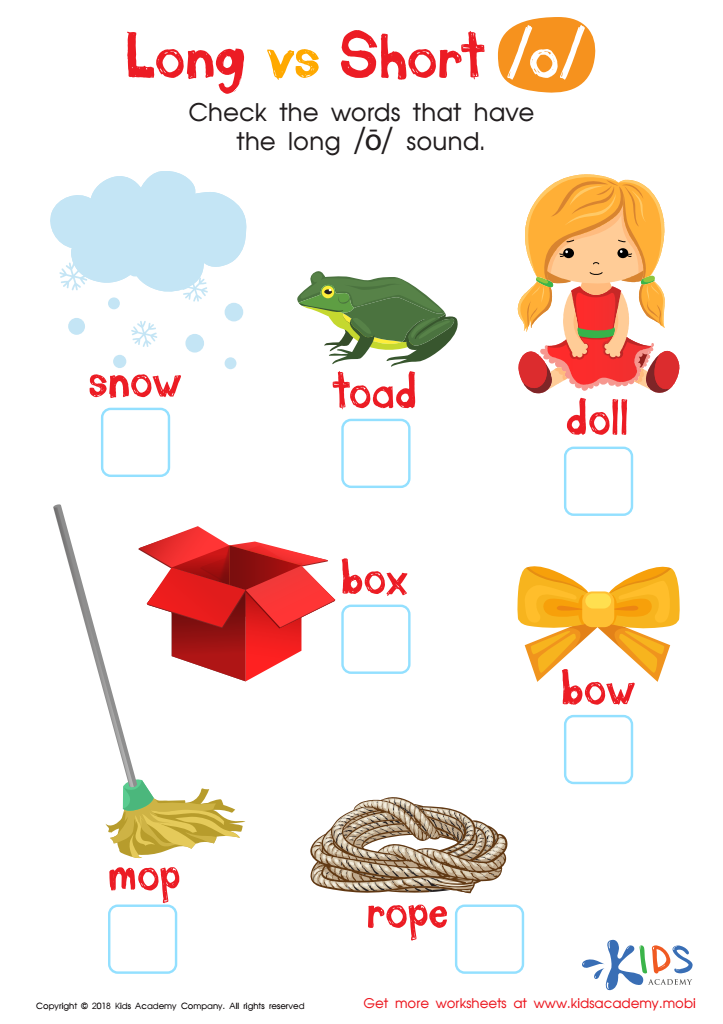
Long vs Short O Reading Worksheet
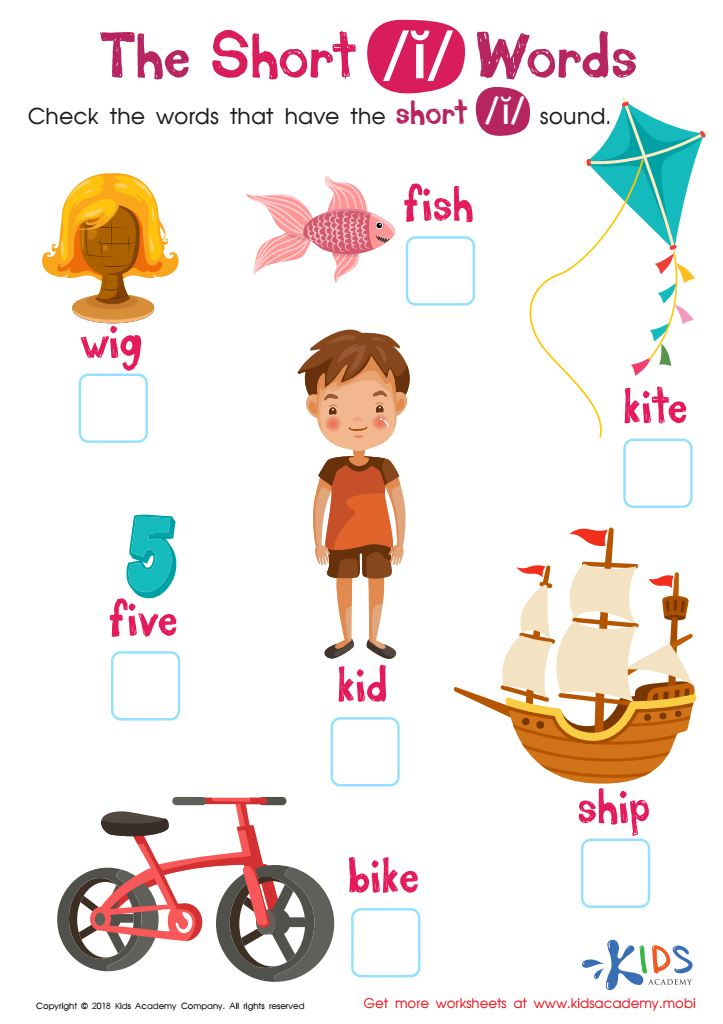
The Short I Words Reading Worksheet
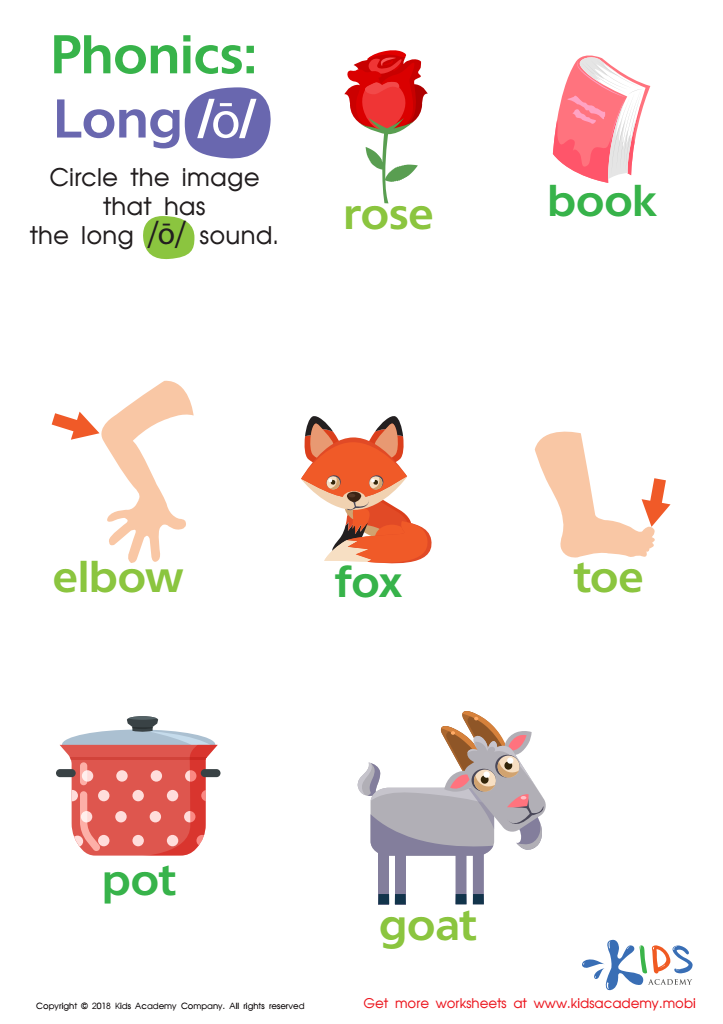
Phonics Long O Reading Worksheet
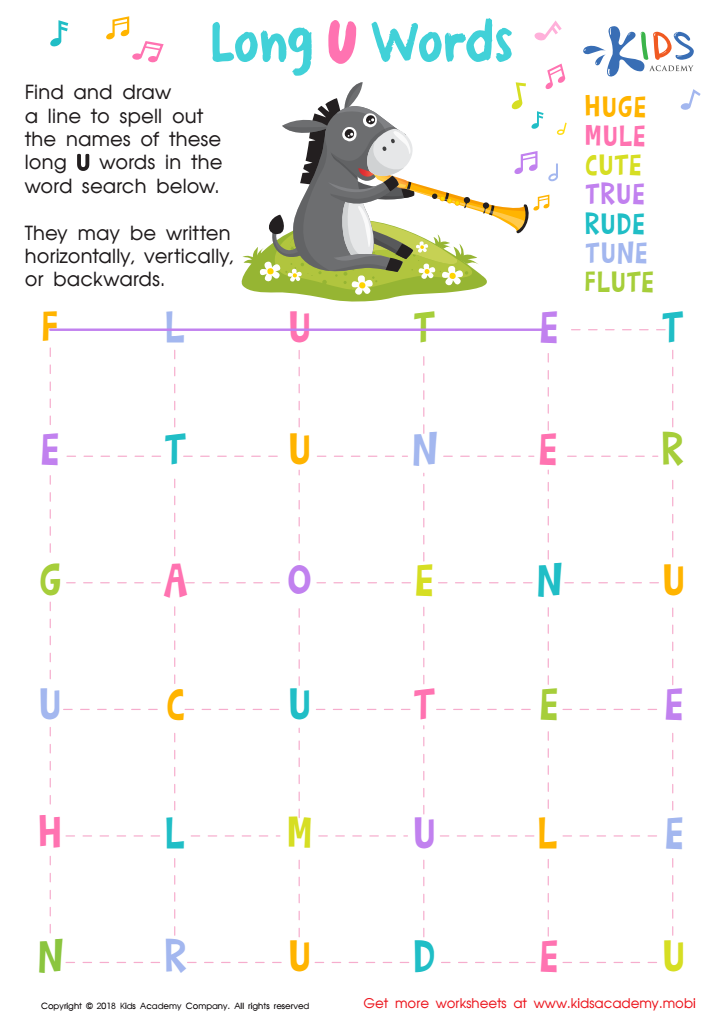
Long /u/ Words Worksheet
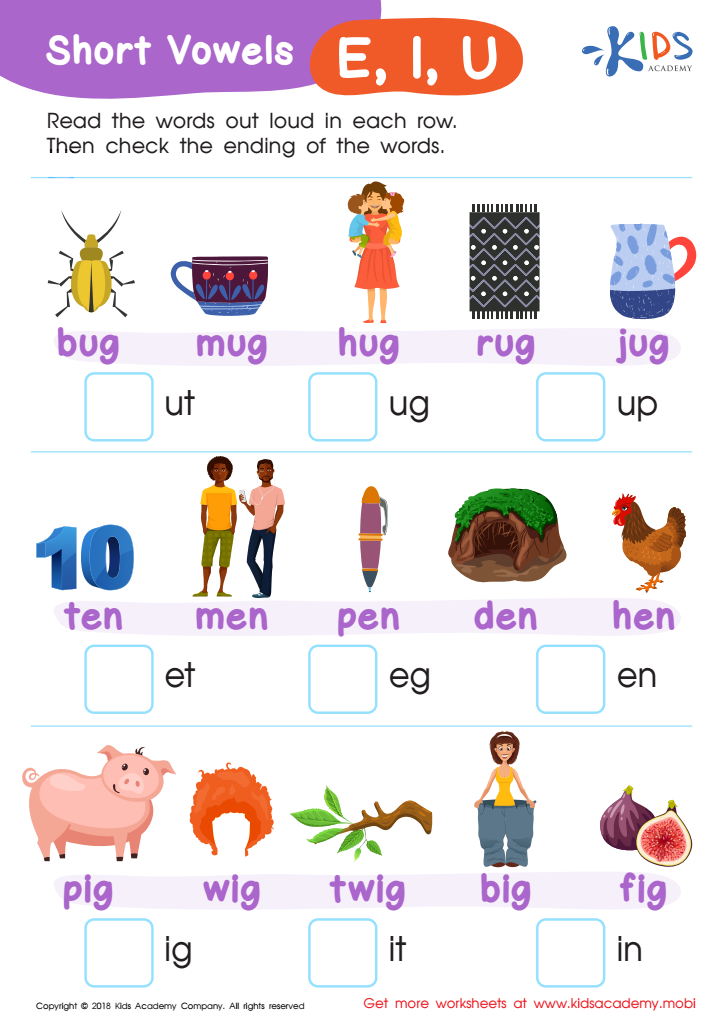
Short Vowels /e/, /i/, and /u/ Worksheet
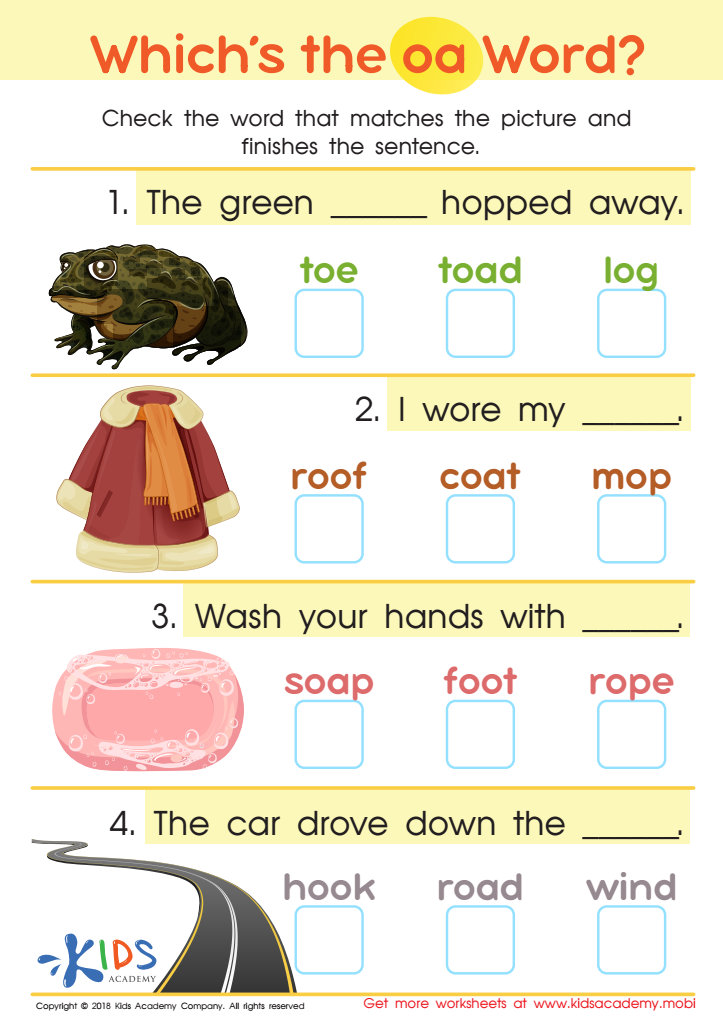
Which's the OA Word? Worksheet
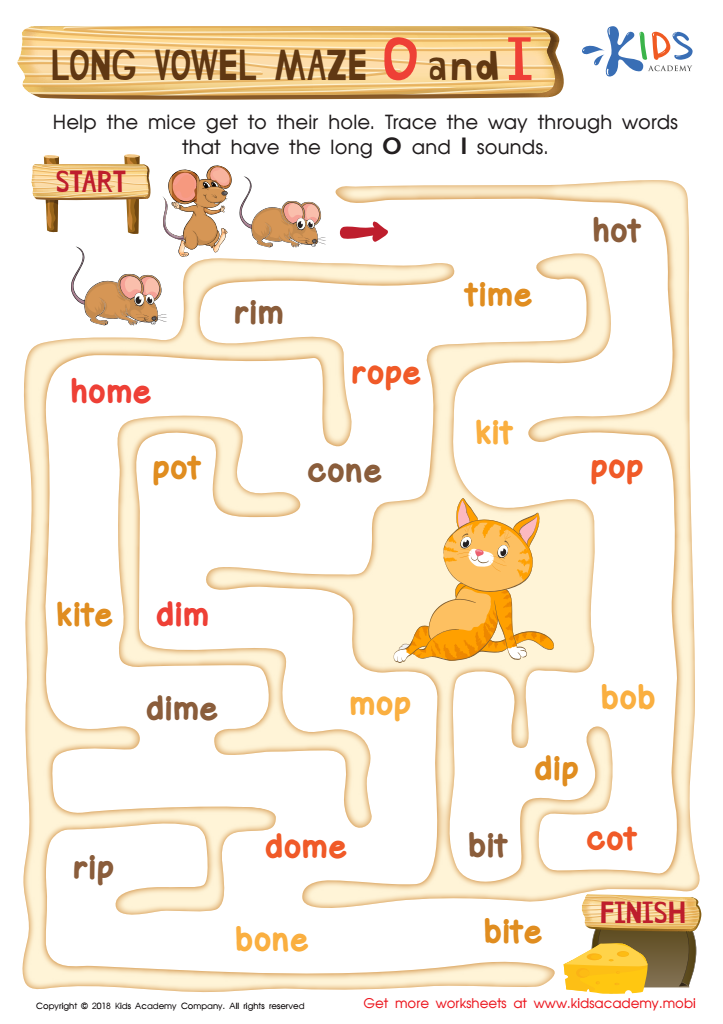
Long Vowel Maze /o/ and /i/ Worksheet
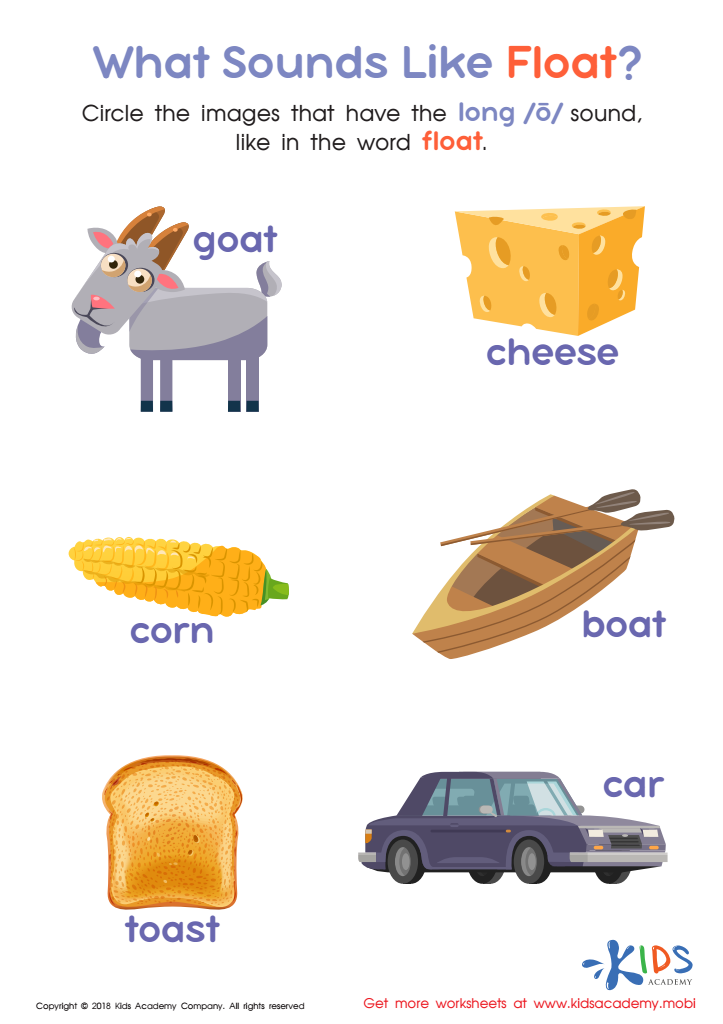
What Sounds Like Float? Worksheet
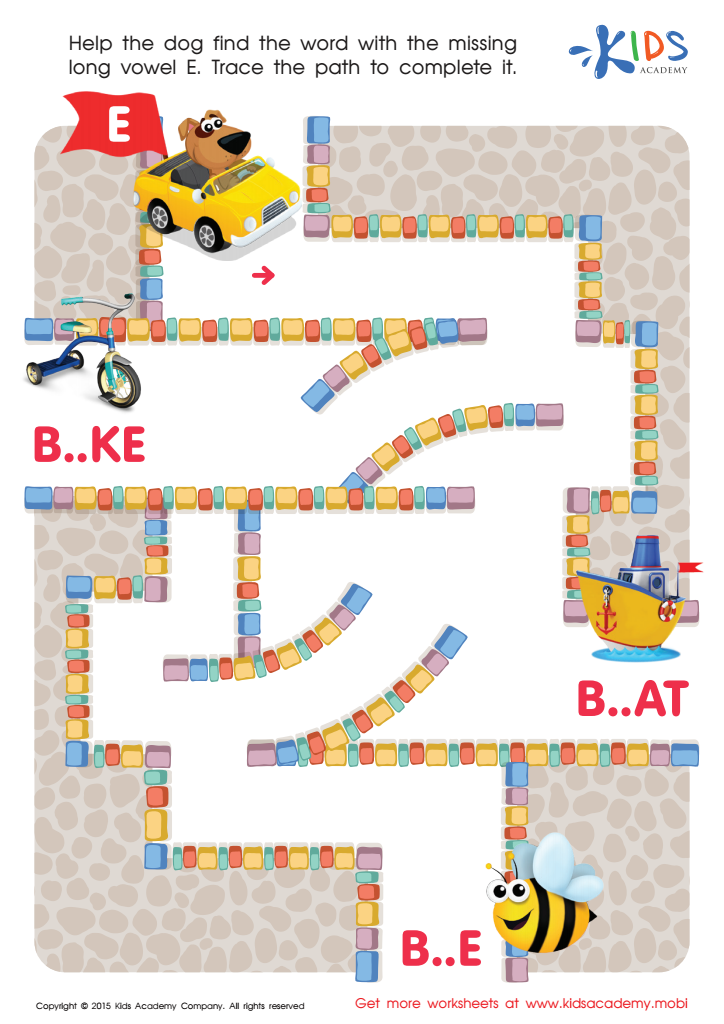
Long Vowel Sound E Worksheet
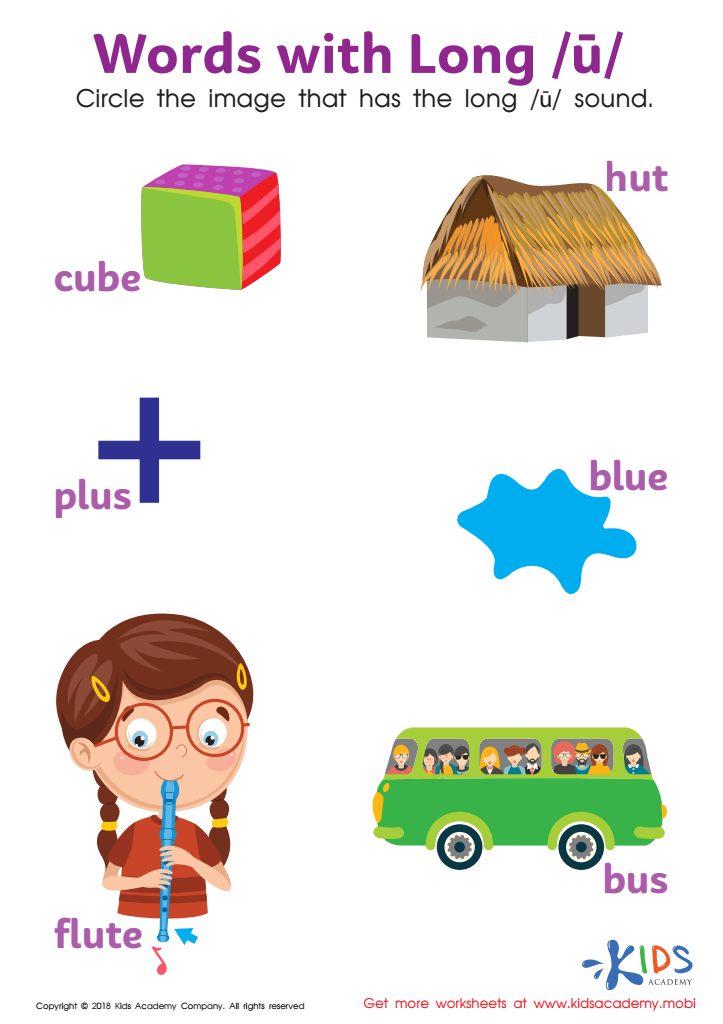
Words with Long U Reading Worksheet
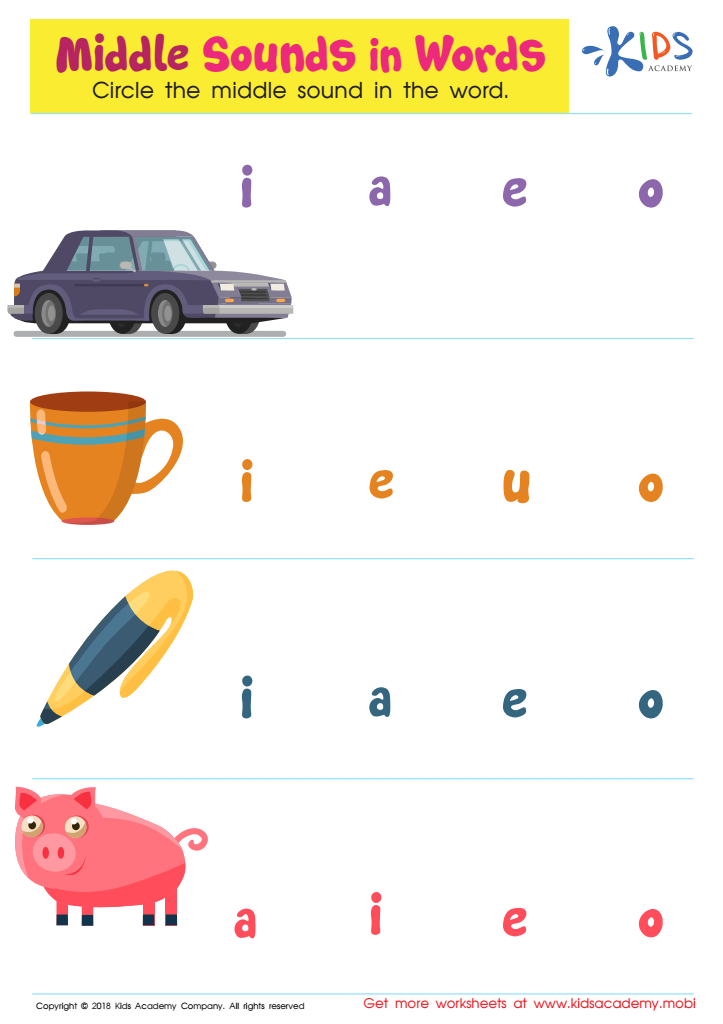
Middle Sounds in Words Worksheet
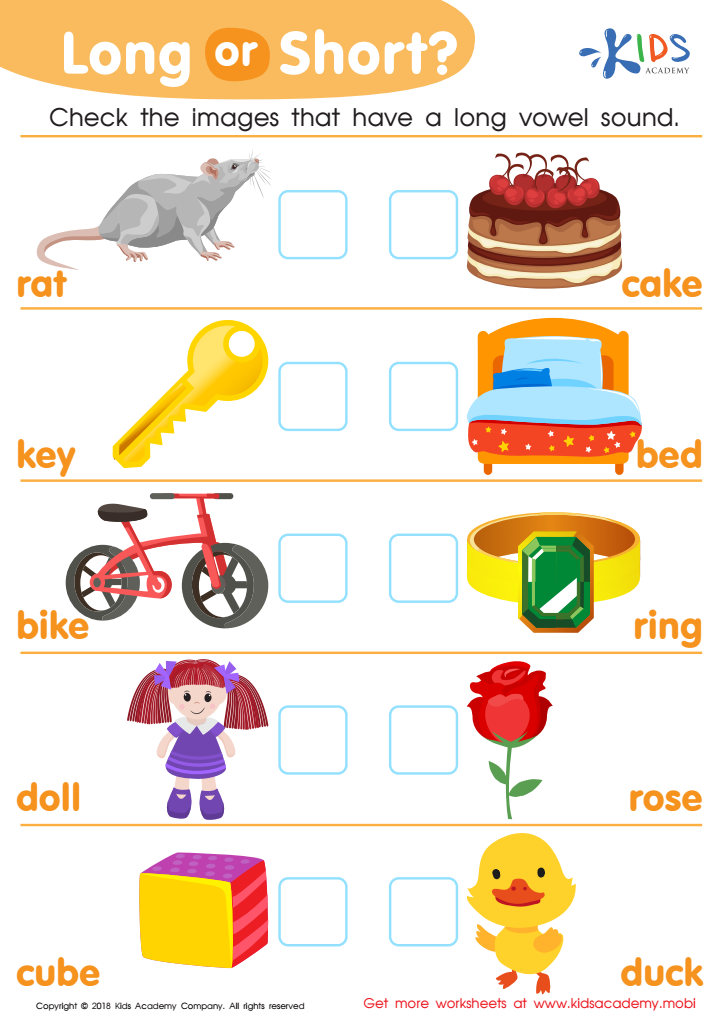
Long or Short Reading Worksheet
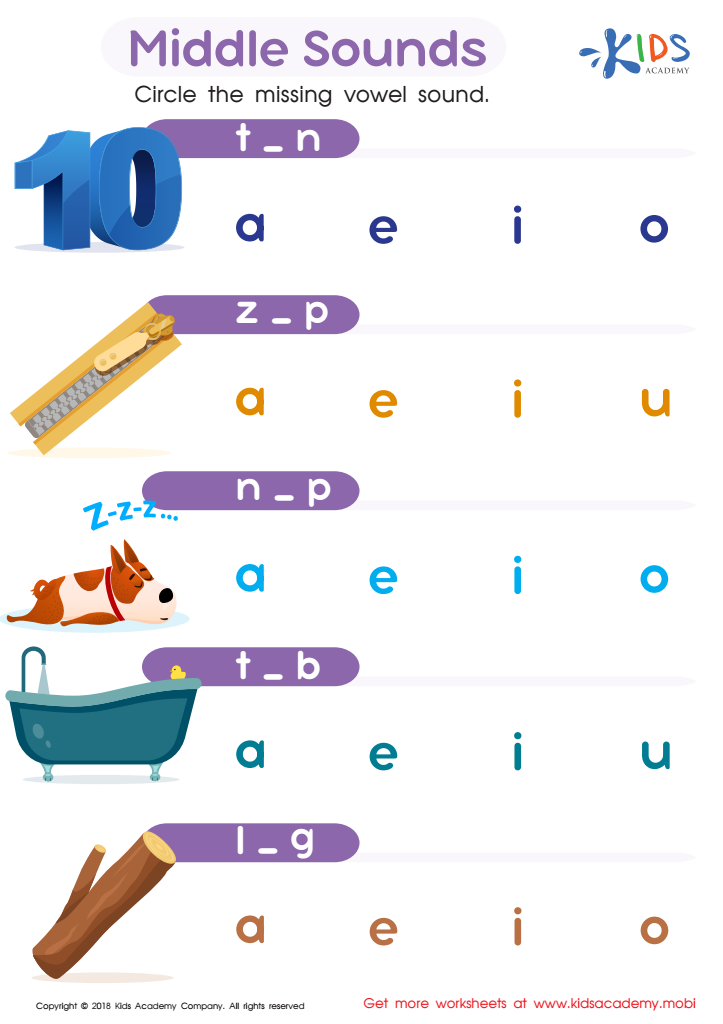
Middle Sounds Worksheet
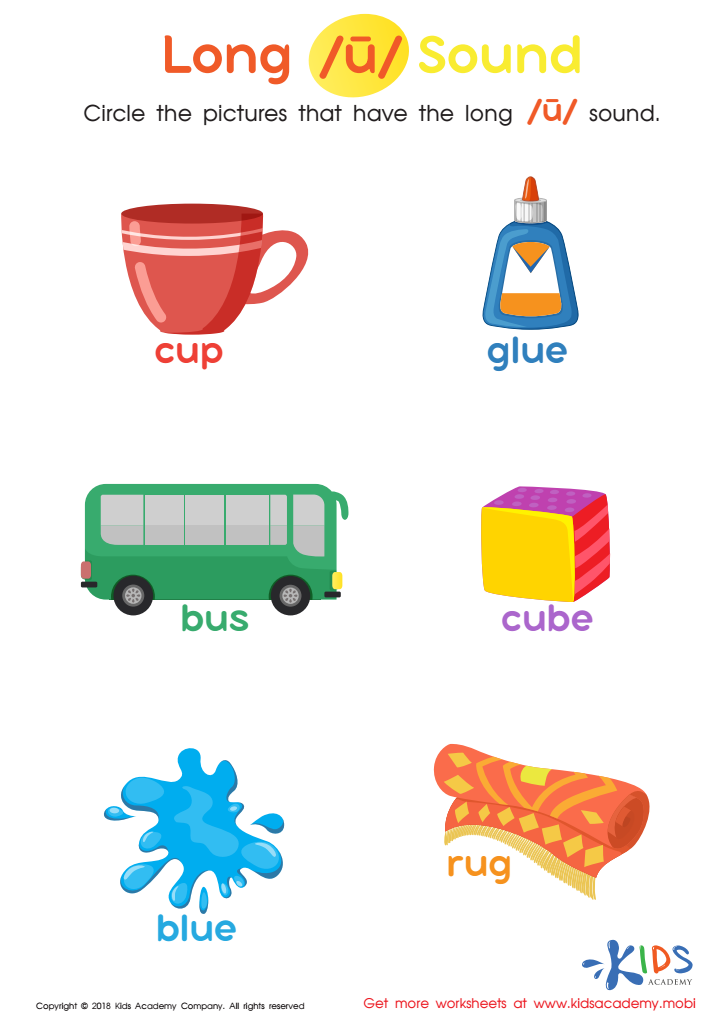
Long «u» Sound Worksheet
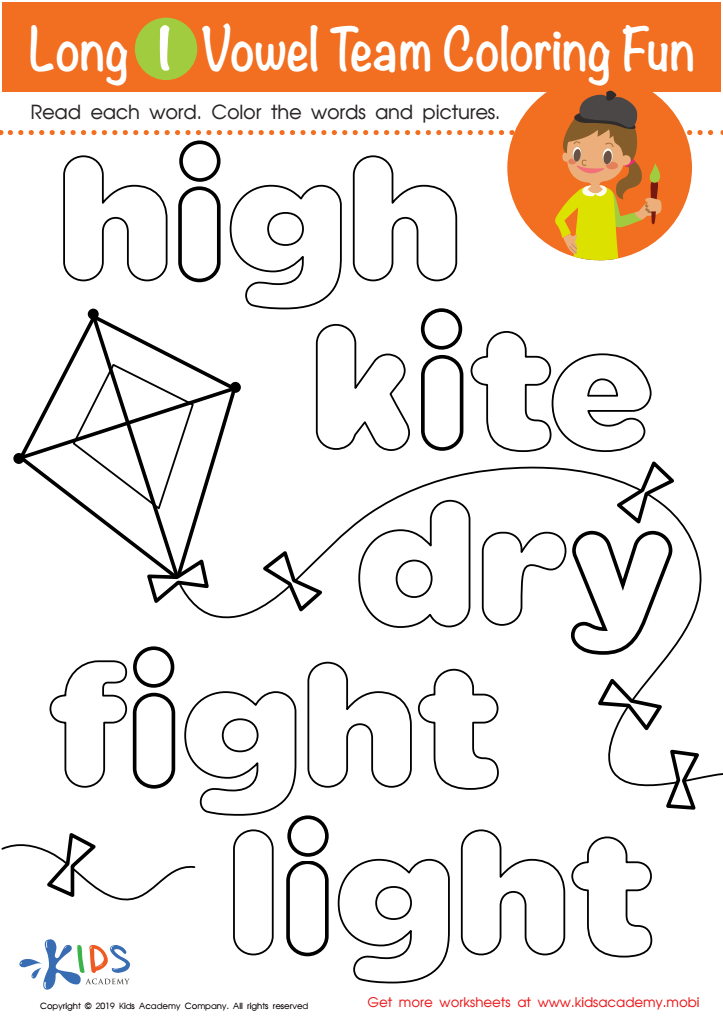
Long I Vowel Team Coloring Worksheet
 Assign to My Students
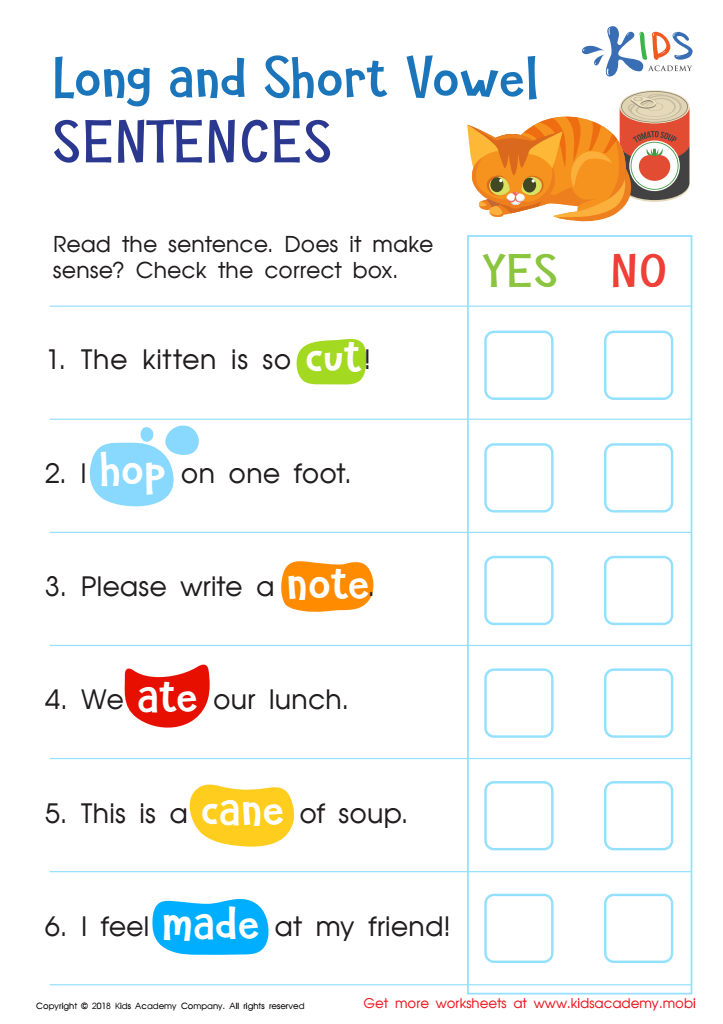
Long and Short Vowel Sentences: Assessment Worksheet

Long and Short E Worksheet
Assign to My Students
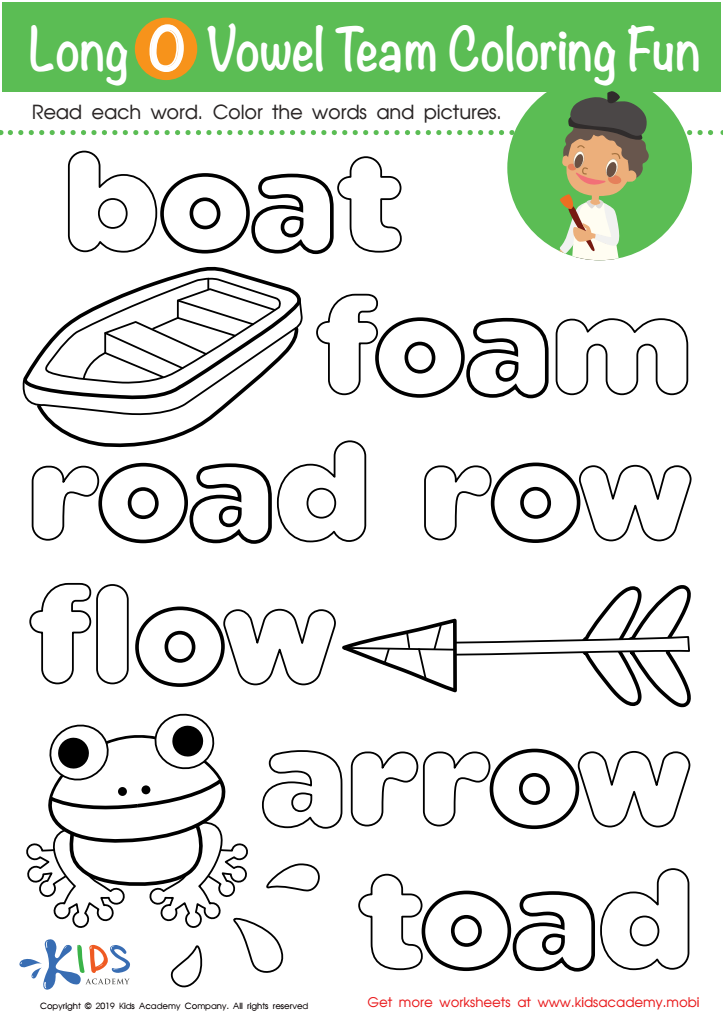
Long O Vowel Team Coloring Worksheet
Assign to My Students





Phonics skills, particularly focusing on normal vowels, play a crucial role in the early literacy development of children aged 5-6. At this stage, children are often beginning to read and write independently. Understanding normal vowels—both short and long sounds—enables them to decode unfamiliar words, enhancing their reading fluency and comprehension.
When parents or teachers emphasize phonics skills, they empower children to build a strong foundation in language. Mastering normal vowels helps young learners recognize patterns in words, improving their spelling abilities and vocabulary acquisition. This skill set translates to greater confidence in academic performance, fostering a lifelong love for reading.
Additionally, a solid grasp of phonics supports overall communication skills. By articulating sounds and words more effectively, children can express their ideas clearly and engage in conversations confidently. Parents and teachers can create a supportive learning environment by incorporating fun phonics activities at home or in the classroom. This collaborative effort enhances motivation and self-esteem in young learners.
Ultimately, investing time in phonics education prepares children for future academic success, allowing them to navigate the language with ease and enthusiasm. By prioritizing normal vowels, adults can significantly impact their children’s journey toward becoming proficient readers and communicators.