Color recognition Normal Worksheets for Ages 5-6 - Page 2
33 filtered results
-
From - To
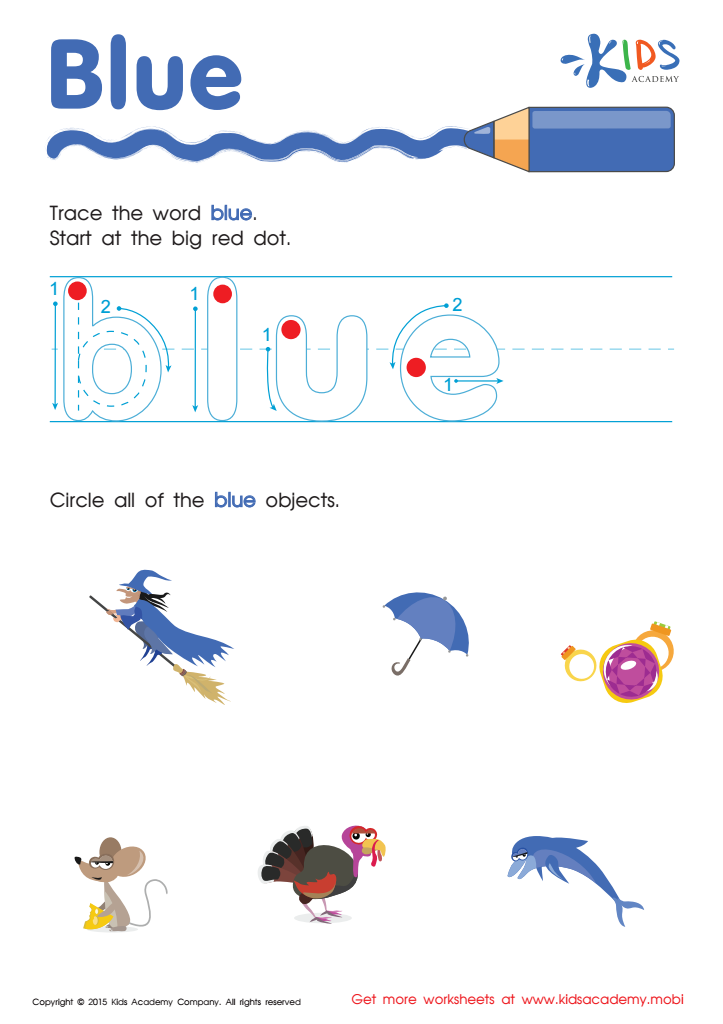
Blue Tracing Color Words Printable
Turkey Thanksgiving Day Worksheet
 Assign to My Students
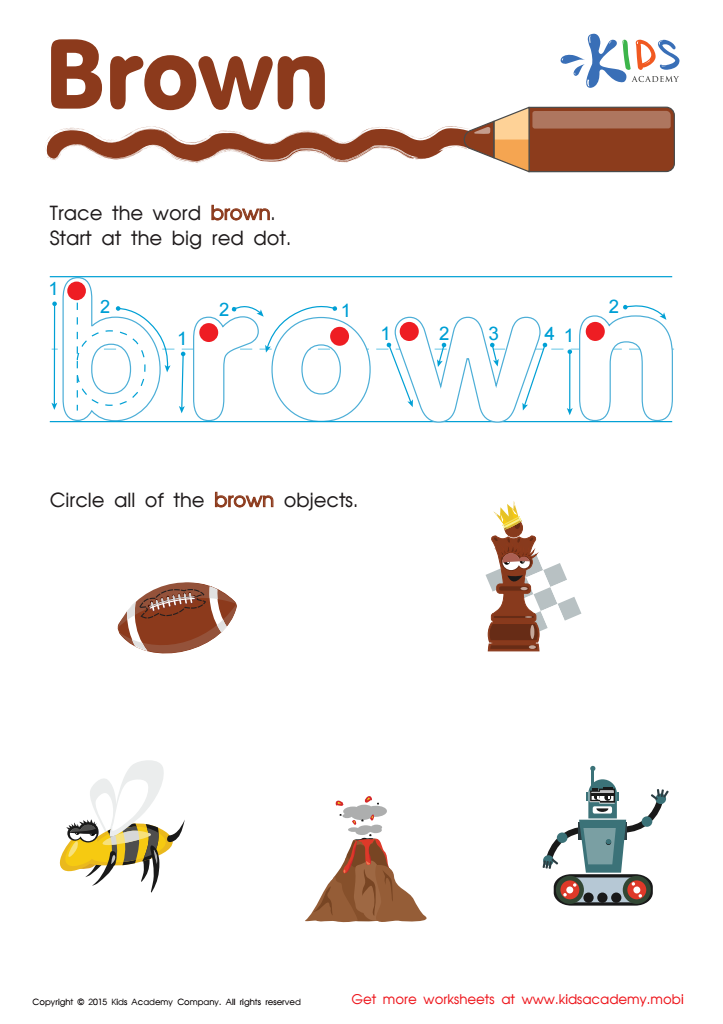
Brown Tracing Color Words Worksheet
Tower Coloring Page
Assign to My Students
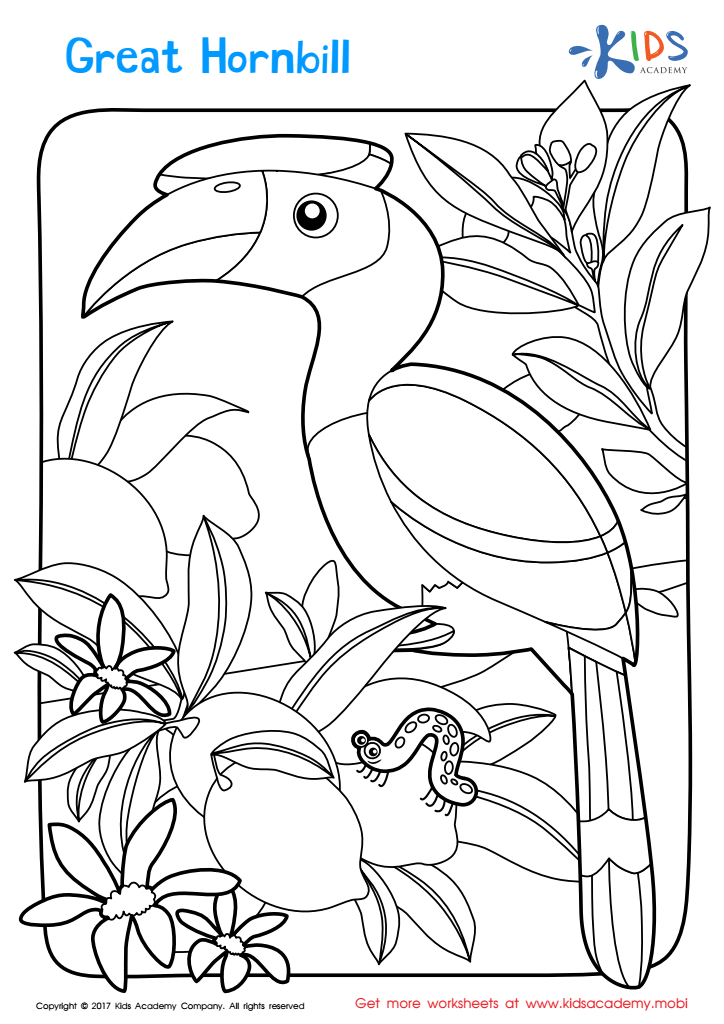
Great Hornbill Worksheet
Assign to My Students
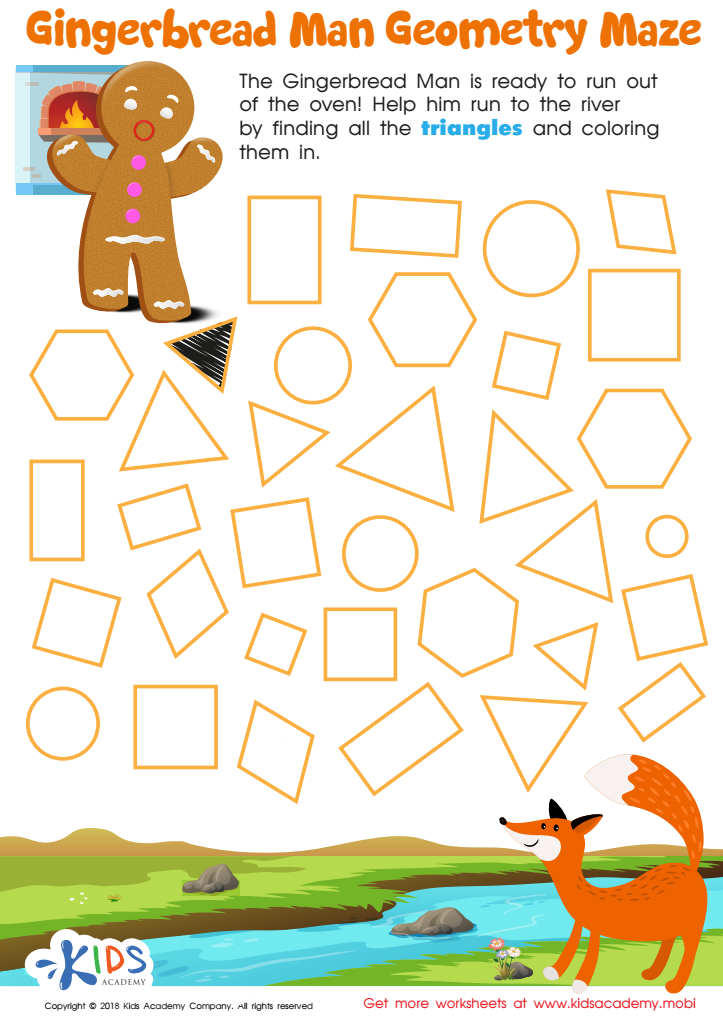
Gingerbread Man Geometry Maze Worksheet
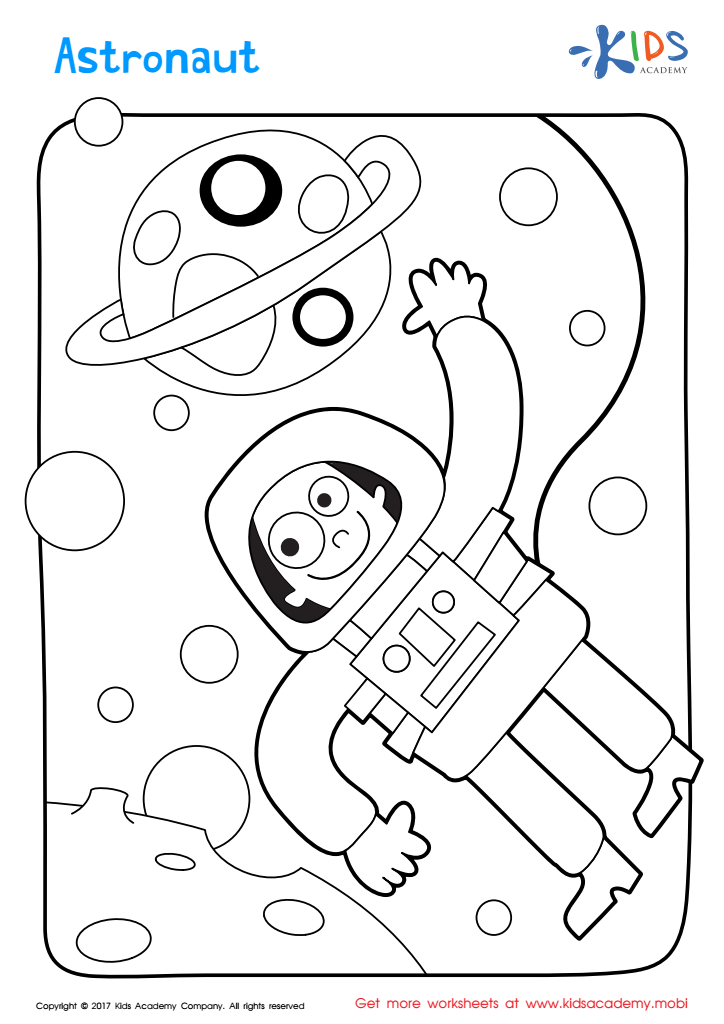
Astronaut Coloring Page
Assign to My Students
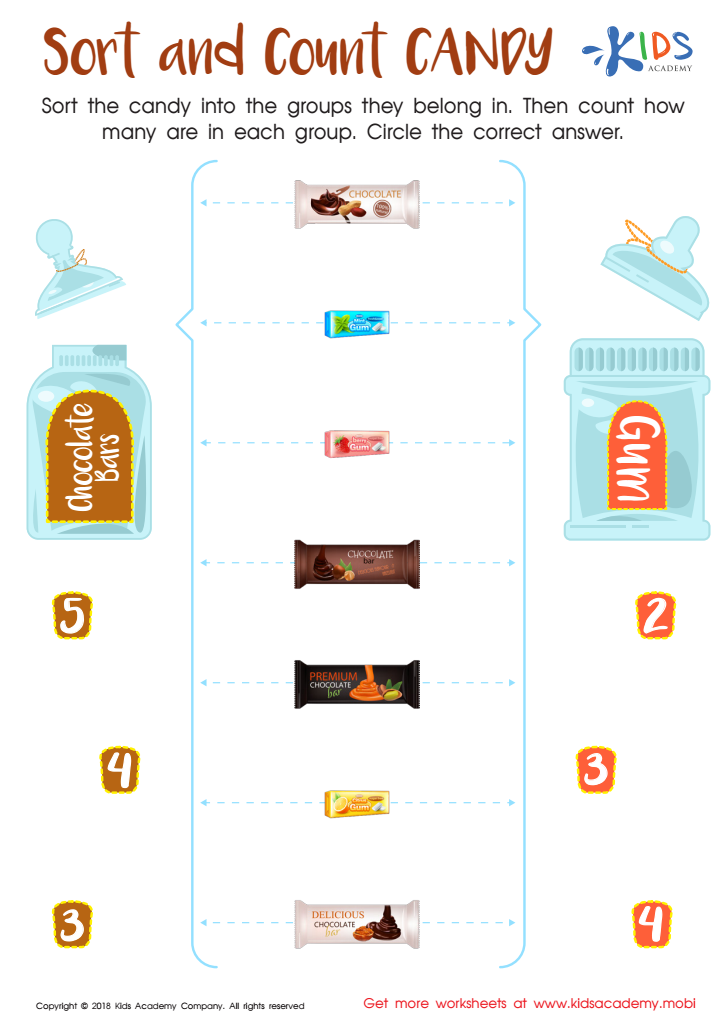
Sort and Count Candy Worksheet
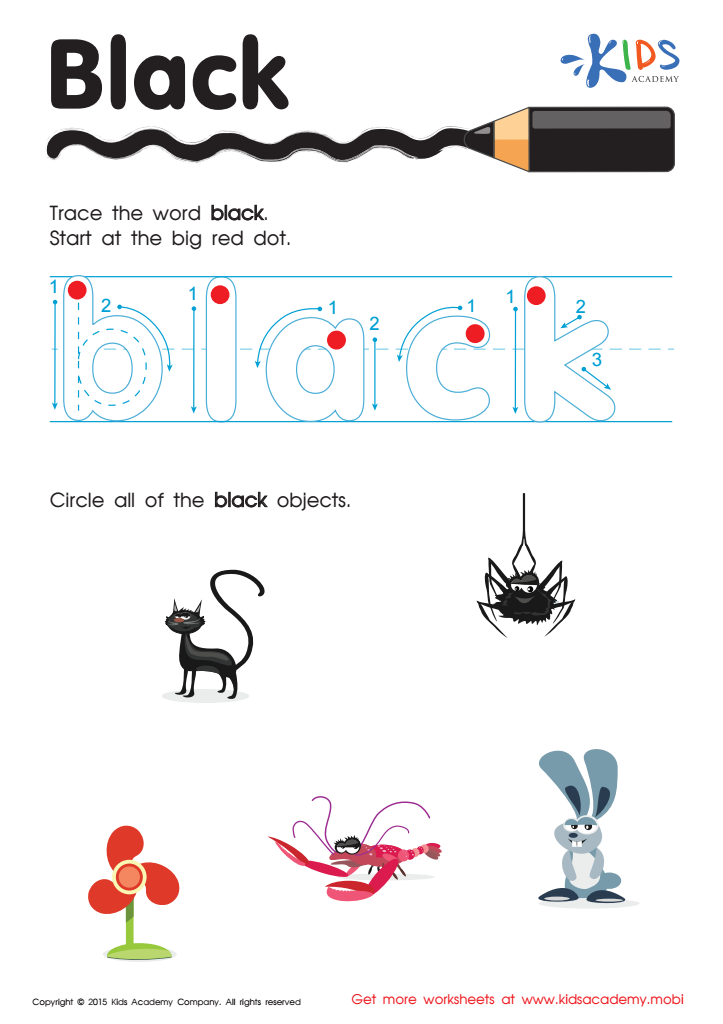
Black Tracing Color Words Printable







Color recognition is a fundamental aspect of early childhood development that significantly impacts learning and social interaction for ages 5-6. Parents and teachers should care about this skill as it forms the groundwork for a child's cognitive growth and enhances their ability to connect with the world around them. Recognizing colors aids in the development of language skills, as children learn to articulate and describe their environment accurately.
Moreover, color recognition plays a crucial role in more complex subjects, such as math and science. Identifying colors helps children categorize objects, which is essential for problem-solving and critical thinking. For instance, in math, learning about patterns and sorting relies heavily on an understanding of color.
Socially, color recognition encourages creativity and self-expression, often through art and play. Engaging in activities that involve colors can facilitate communication and collaboration with peers, fostering essential social skills.
Furthermore, early color recognition can enhance a child's self-esteem as they master this fundamental skill, paving the way for further achievements. Overall, supporting color recognition is a simple yet powerful way for parents and teachers to contribute to holistic child development, equipping them for future learning successes.








