Critical Thinking Normal Worksheets for Ages 5-6 - Page 3
57 filtered results
-
From - To
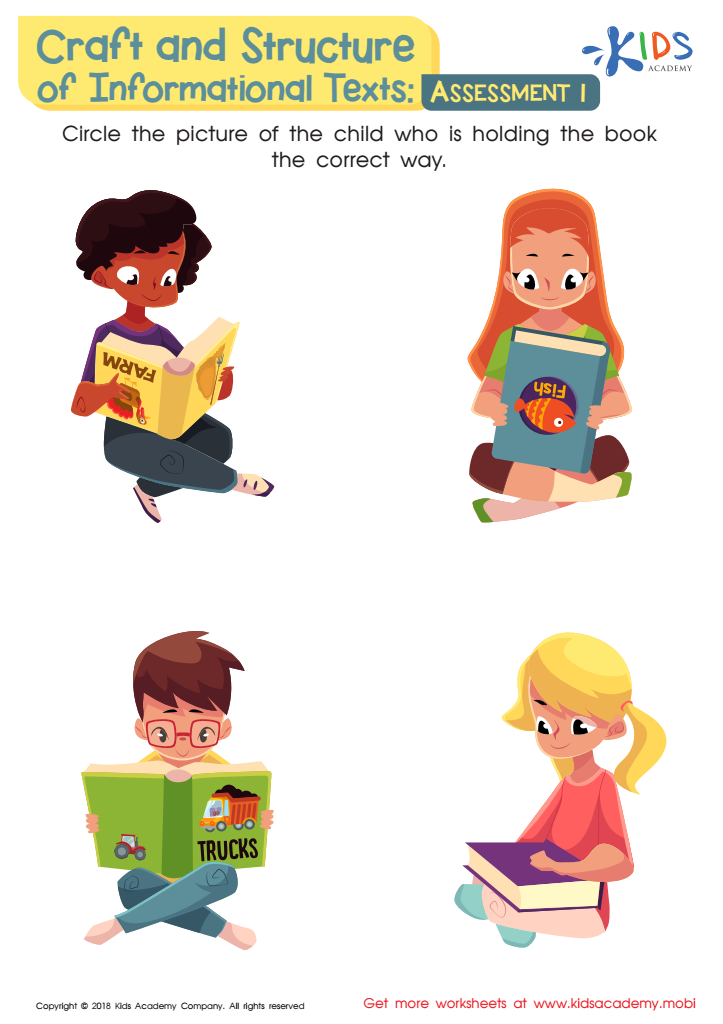
Craft and Structure of Informational Texts: Assessment 1 Worksheet
 Assign to My Students
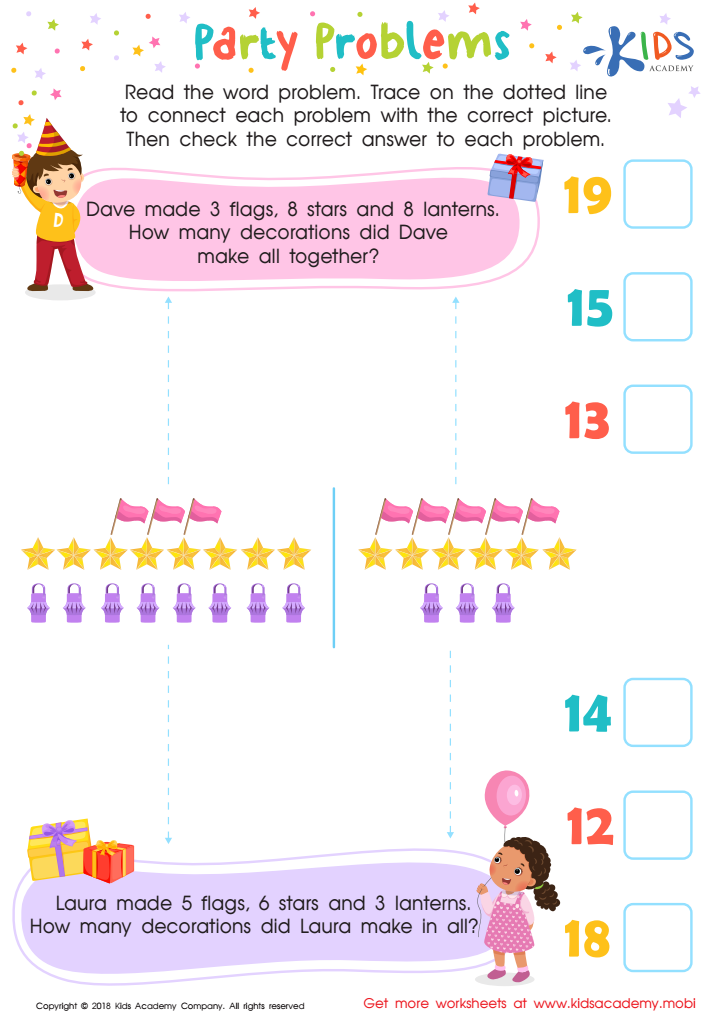
Party Problems Worksheet
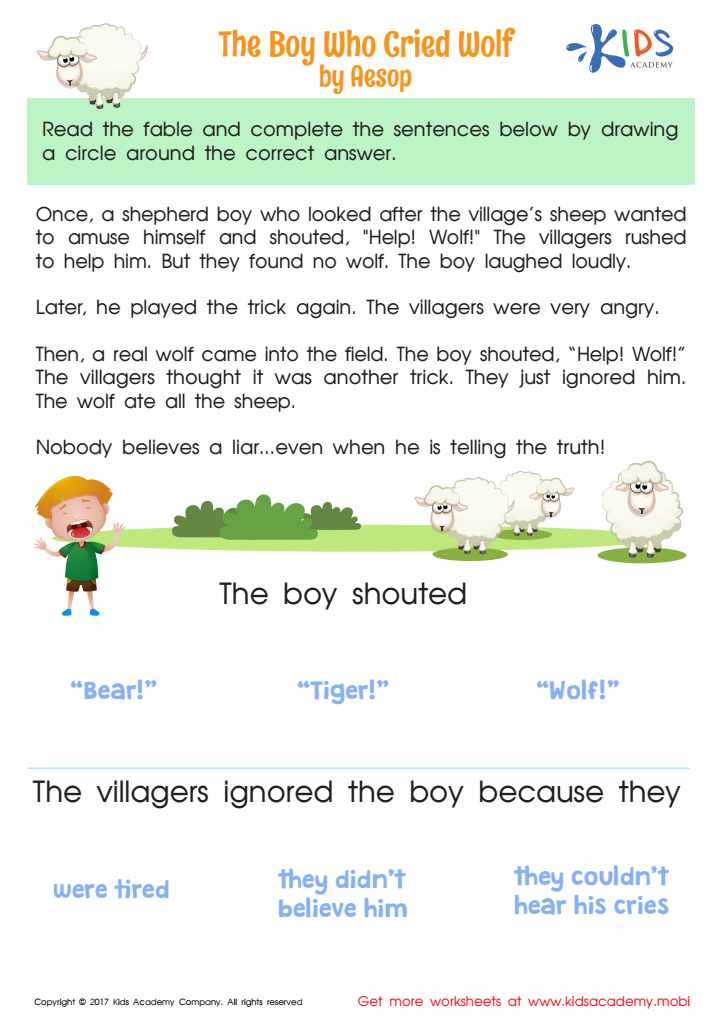
The Boy Who Cried Wolf Worksheet
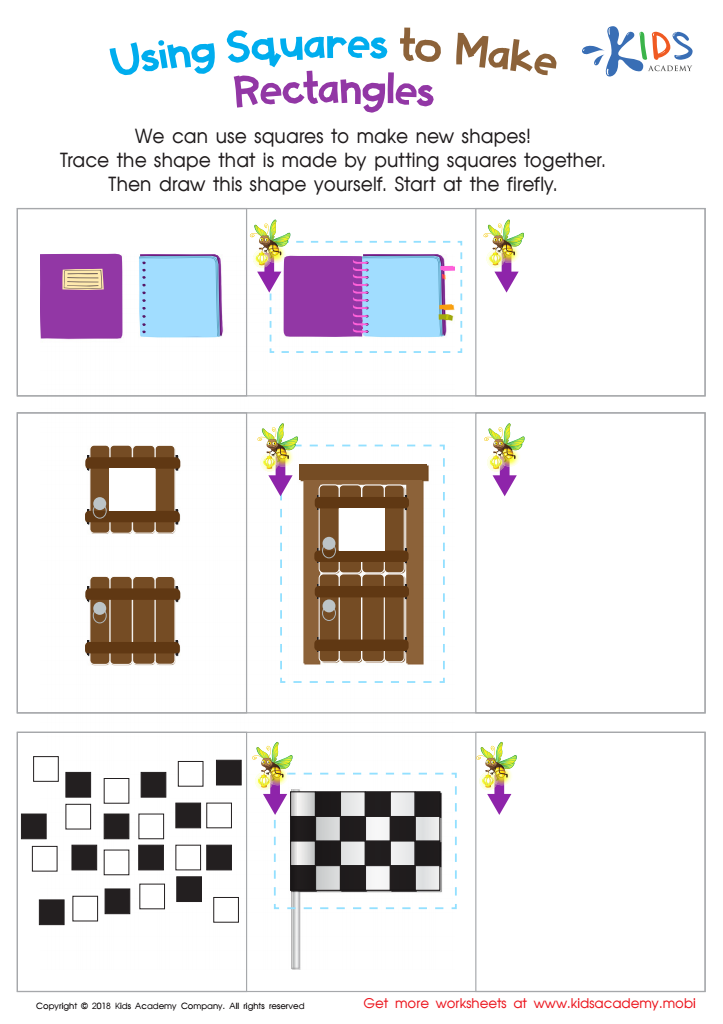
Using Squares to Make Rectangles Worksheet
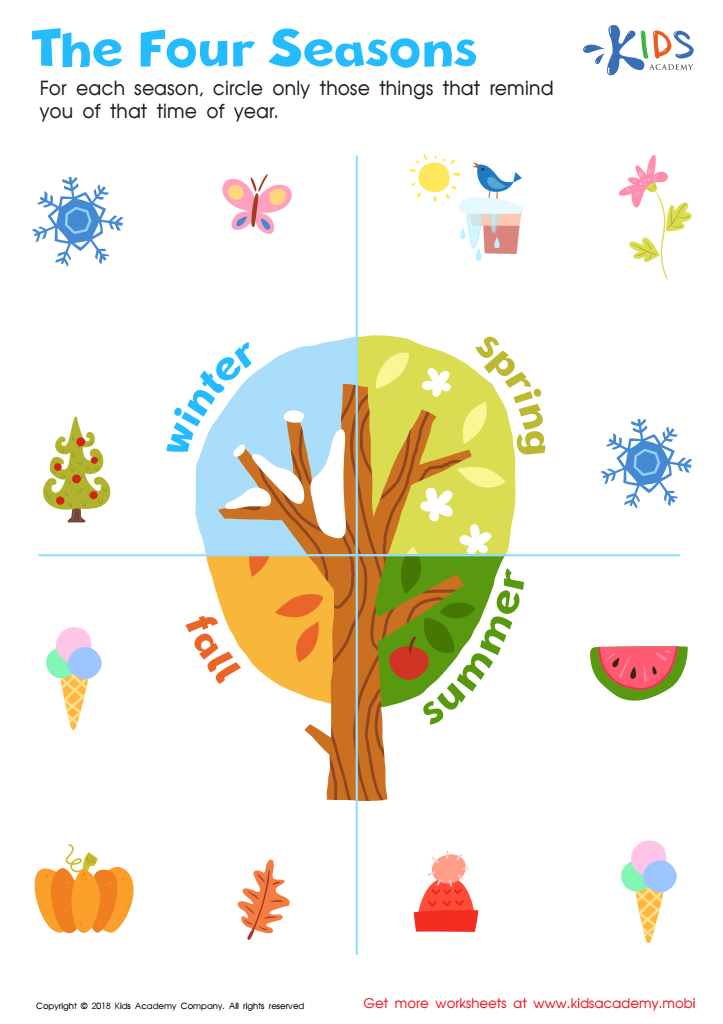
The Four Seasons Worksheet
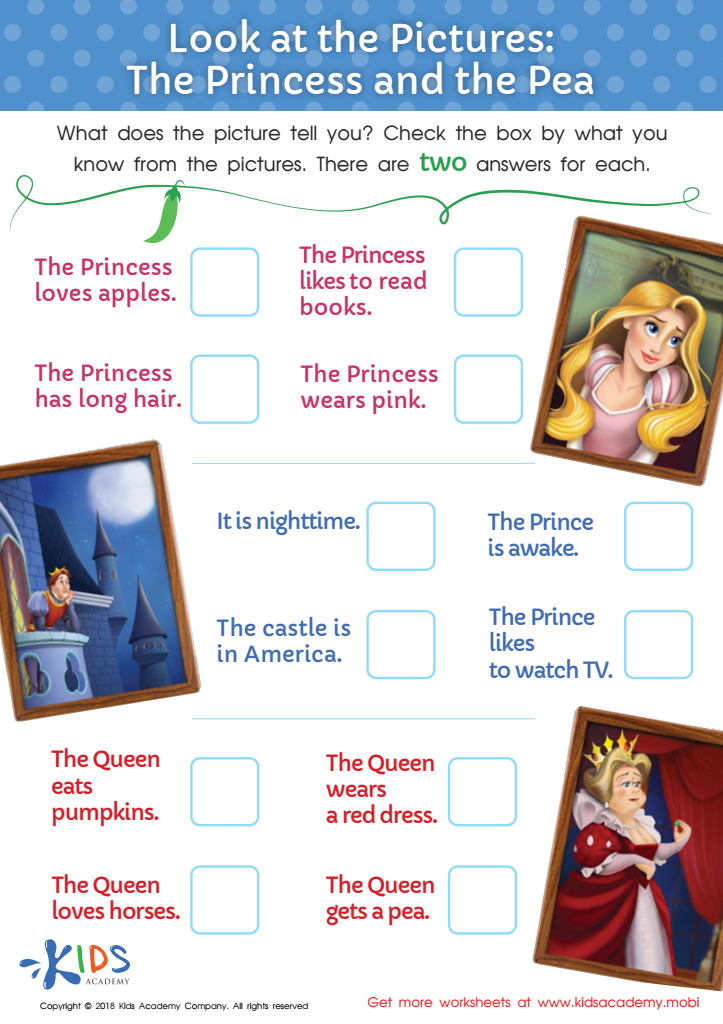
Look at the Pictures: The Princess and the Pea Worksheet
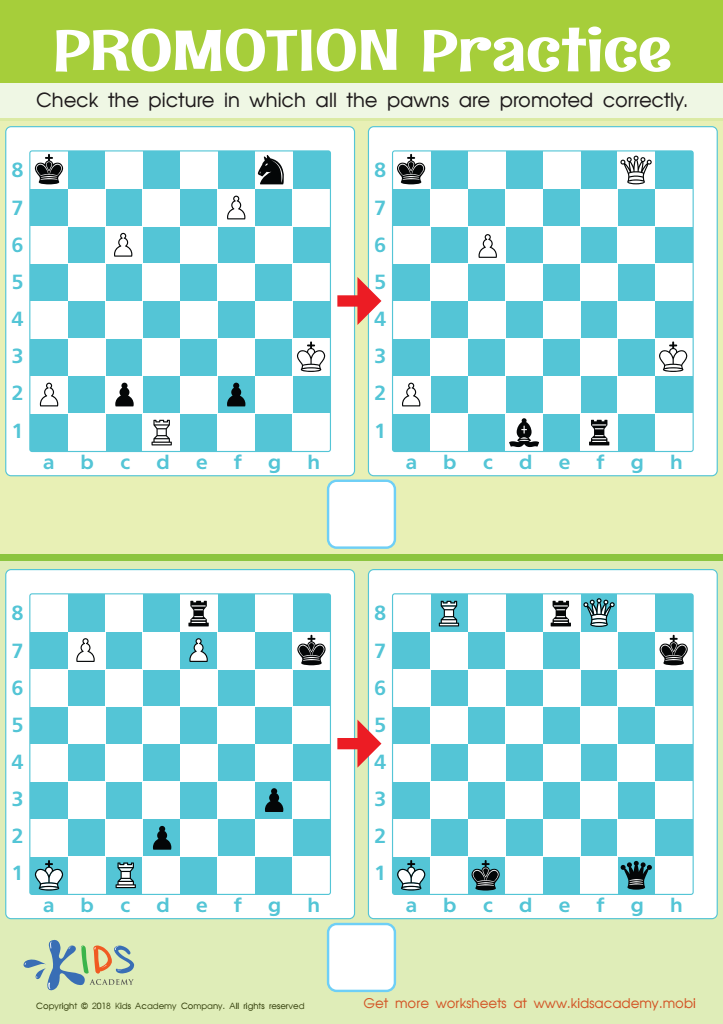
Promotion Practice Worksheet
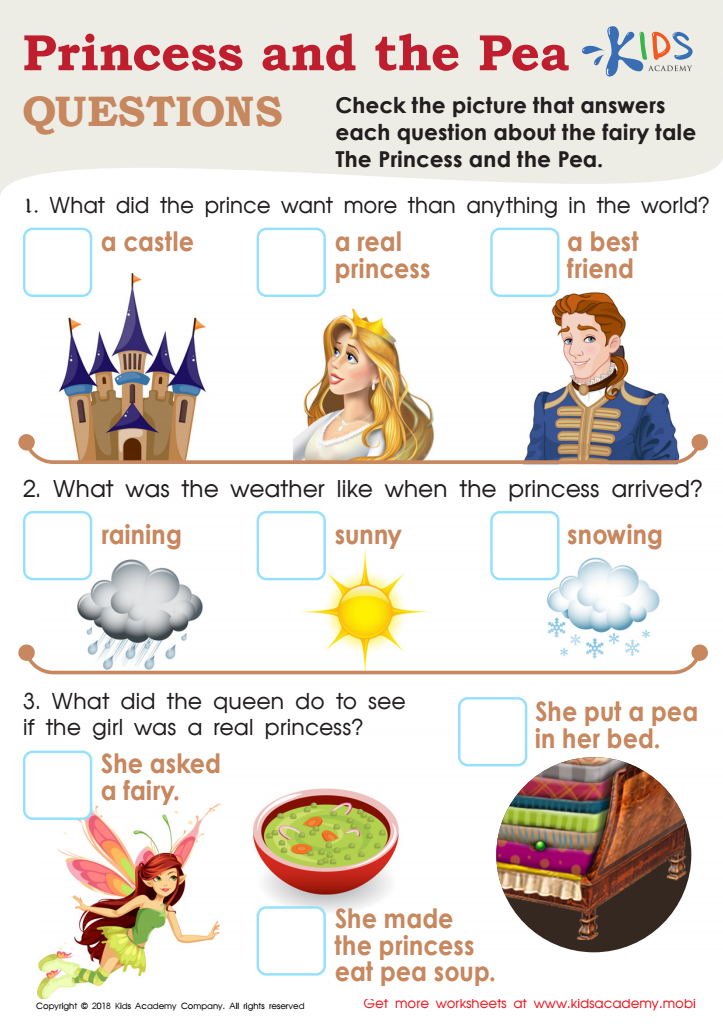
Princess and the Pea Questions Worksheet
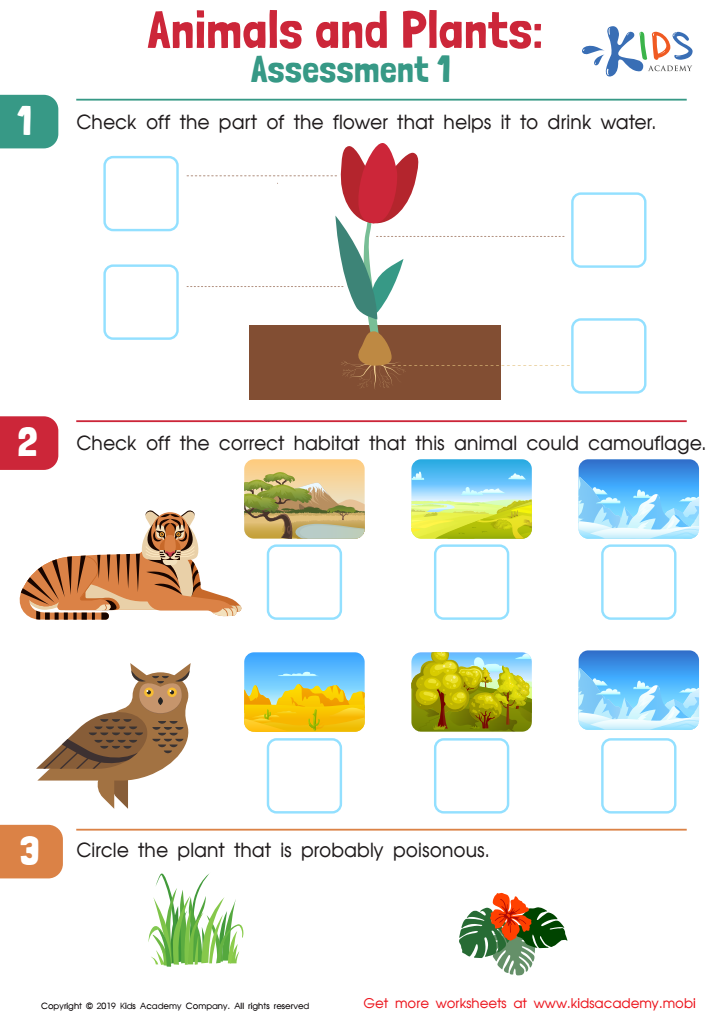
Animals and Plants: Assessment 1 Worksheet







Critical thinking skills are essential for young children as they lay the foundation for problem-solving, decision-making, and effective communication. For ages 5-6, this developmental stage is crucial, as children are naturally curious and eager to explore the world around them. By fostering critical thinking, parents and teachers can help children learn to analyze information, ask questions, and understand different perspectives.
When children engage in critical thinking, they become active learners rather than passive recipients of information. This promotes independence and resilience, equipping them to navigate challenges both in school and life beyond. Furthermore, critical thinking encourages creativity, allowing children to express their thoughts and ideas with originality.
Parents and teachers play a pivotal role in nurturing these skills through engaging activities, discussions, and open-ended questions. By encouraging children to think critically, they develop a love for learning that can last a lifetime. Moreover, it prepares them for future academic success, enhancing their readiness for more complex subjects as they progress in their education. Ultimately, developing critical thinking in early childhood is an investment in a child’s capability to thrive in an increasingly complex world.








