Developing critical thinking Normal Worksheets for Ages 5-6
5 filtered results
-
From - To
Unlock your child’s potential with our Developing Critical Thinking Normal Worksheets designed specifically for ages 5-6! These engaging worksheets encourage young learners to explore, analyze, and make connections, fostering essential problem-solving skills. Our carefully crafted activities promote creativity and inquisitiveness through fun exercises that include puzzles, pattern recognition, and logic games. Each worksheet is tailored to enhance cognitive development, ensuring your child builds a strong foundation in critical thinking. Ideal for classroom or home use, these resources will make learning enjoyable and interactive. Start your child’s journey toward becoming a confident thinker today with our thoughtfully designed worksheets!
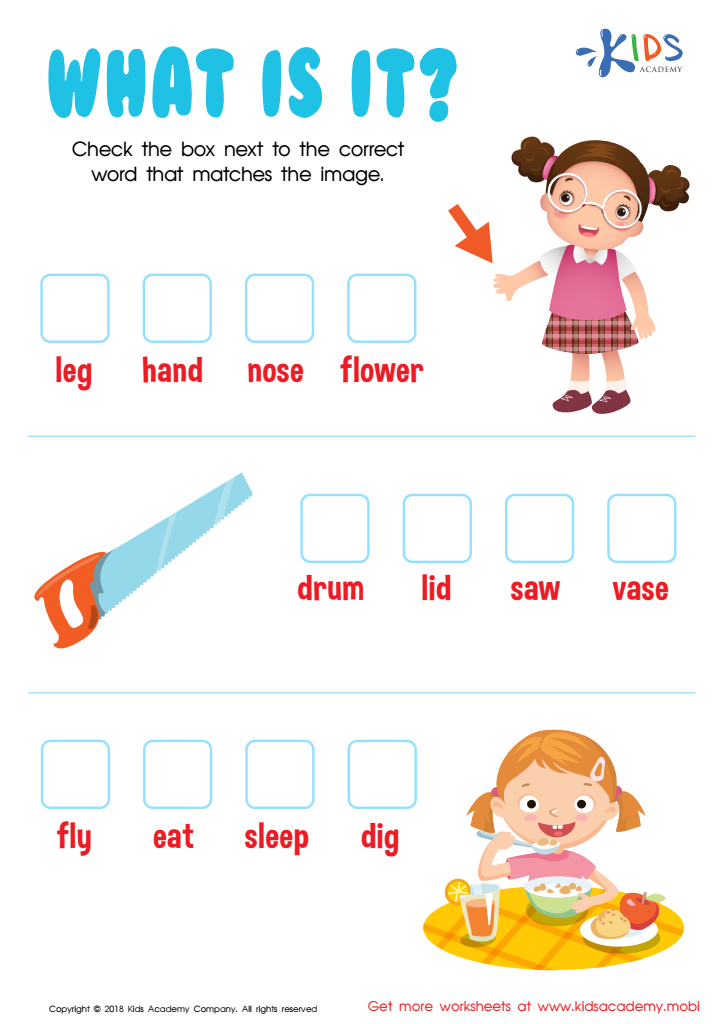
What Is It? Worksheet
 Assign to My Students
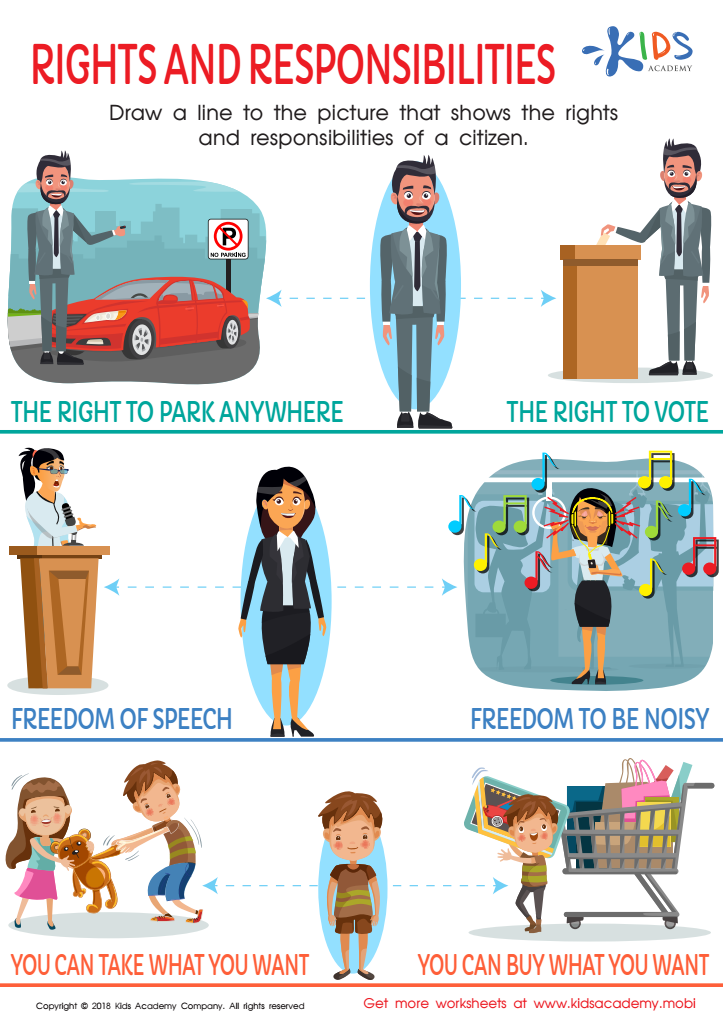
Rights and Responsibilities Worksheet
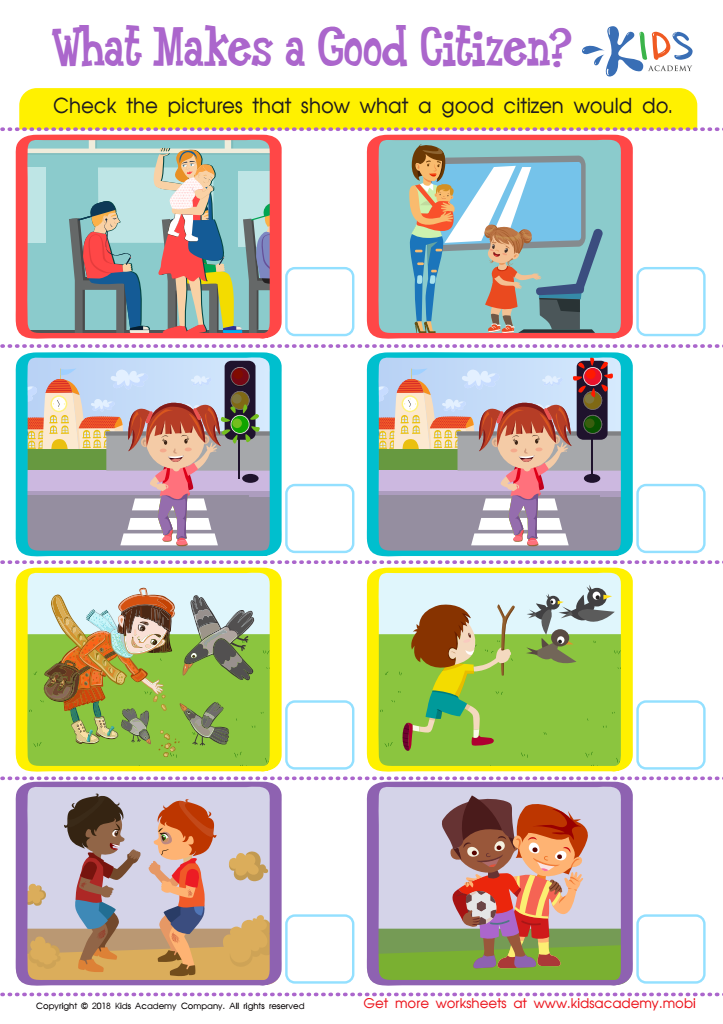
What Makes a Good Citizen? Worksheet
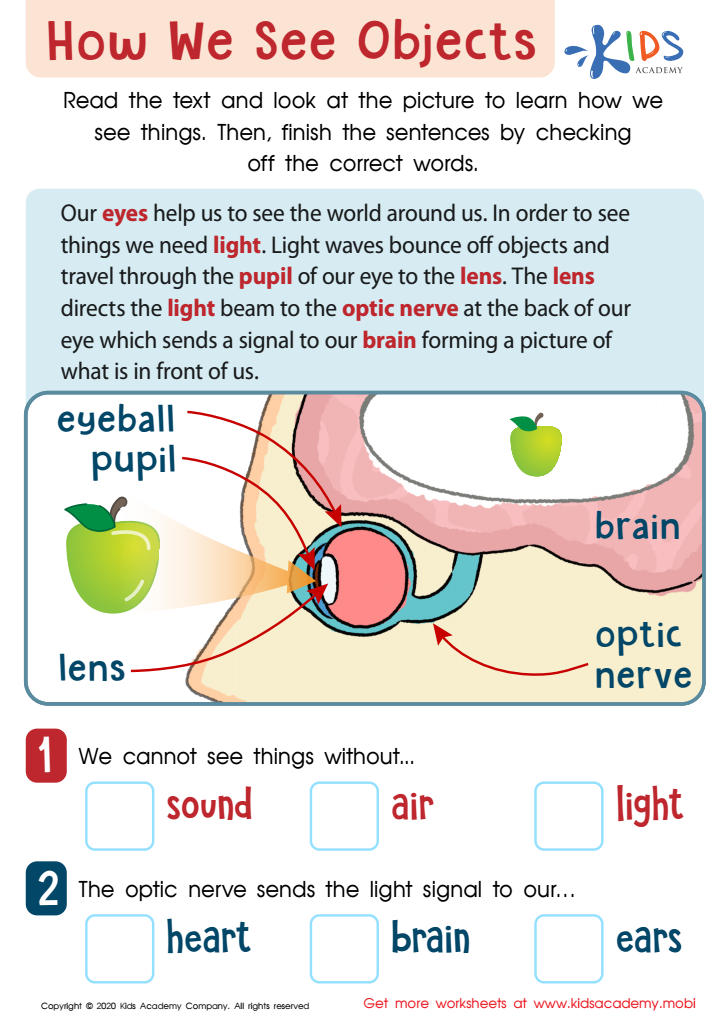
How We See Objects Worksheet

Man-Made or Natural? Worksheet








Developing critical thinking skills in children ages 5-6 is crucial for their overall growth and future success. At this foundational stage, children are naturally curious and open to exploring their world. Instilling critical thinking helps them transform curiosity into inquiry, allowing them to ask questions, seek evidence, and analyze information. This not only enhances their problem-solving abilities but also encourages independence and self-confidence as they navigate challenges.
For parents and teachers, fostering these skills means preparing children for a fast-changing, complex world. Strong critical thinkers are equipped to make informed decisions, evaluate different viewpoints, and understand the consequences of their choices. This is especially important in a society where information is vast and often conflicting.
Through simple activities like storytelling, play-based learning, and open discussions, adults can encourage children to think deeply, reason logically, and engage in creative problem-solving. This engages their intellect and nurtures skills like empathy and ethics, which are vital for cooperating with others and making group decisions.
Ultimately, by prioritizing critical thinking at such a young age, parents and teachers lay the groundwork for lifelong learning, adaptability, and resilience in an unpredictable future. These essential skills pave the way for academic achievement and personal growth throughout their lives.








