Improving categorization skills Normal Worksheets for Ages 5-6
3 filtered results
-
From - To
Enhance your child's cognitive development with our engaging worksheets specifically designed to improve categorization skills for ages 5-6. Through a variety of fun and educational activities, kids will learn to group, sort, and classify objects based on different attributes. These worksheets not only reinforce critical thinking and problem-solving abilities but also set the foundation for organized learning and academic success. By integrating these exercises into daily routines, parents and teachers can support young learners in mastering essential skills in a playful and interactive manner. Start today and see the improvement in your child’s logical reasoning and organization!
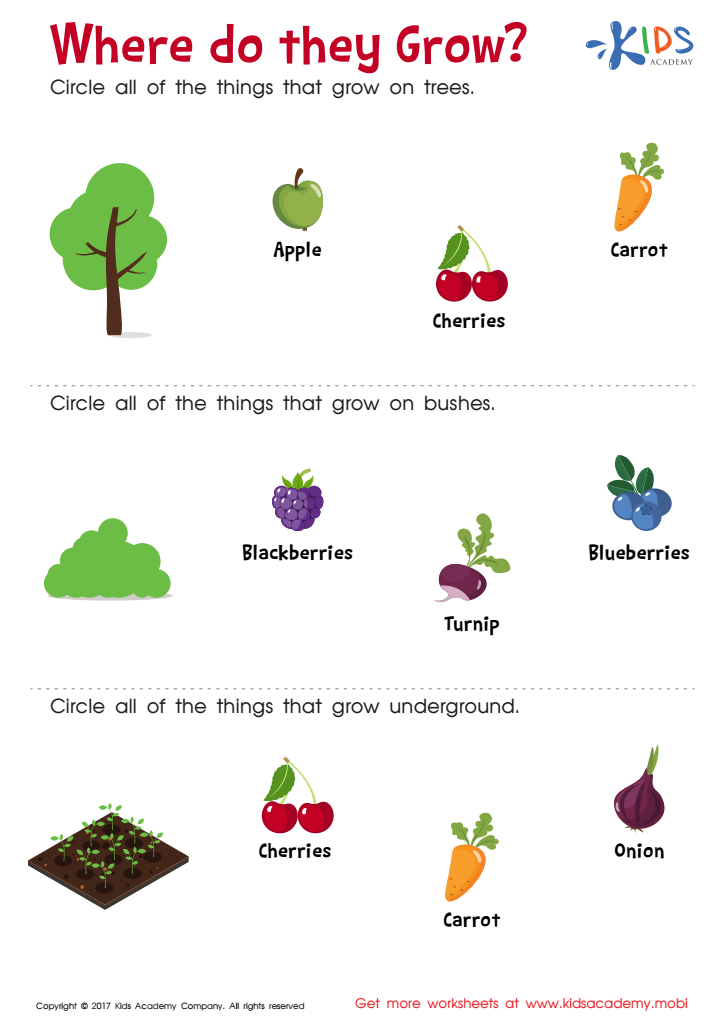
Where Do They Grow Worksheet
 Assign to My Students
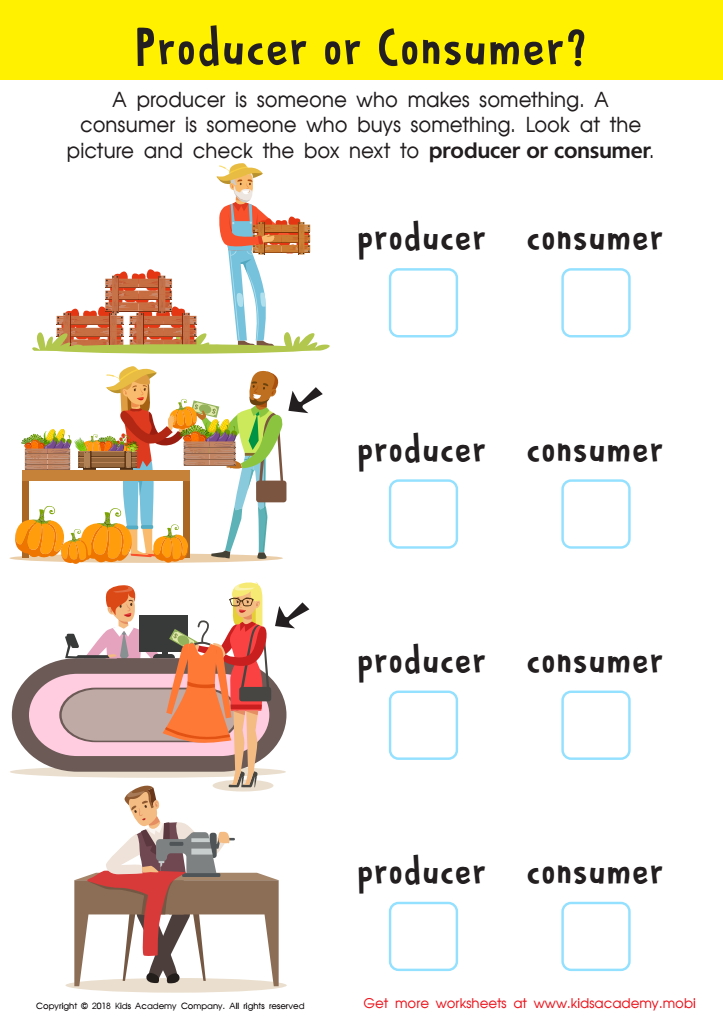
Producer or Consumer? Worksheet
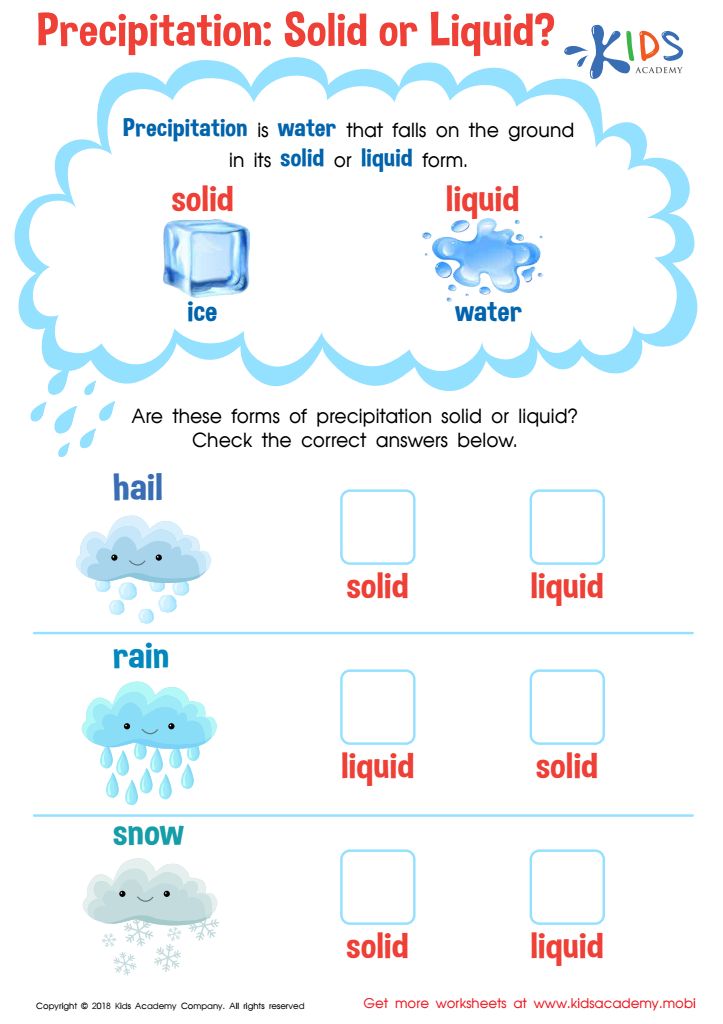
Precipitation: Solid or Liquid? Worksheet


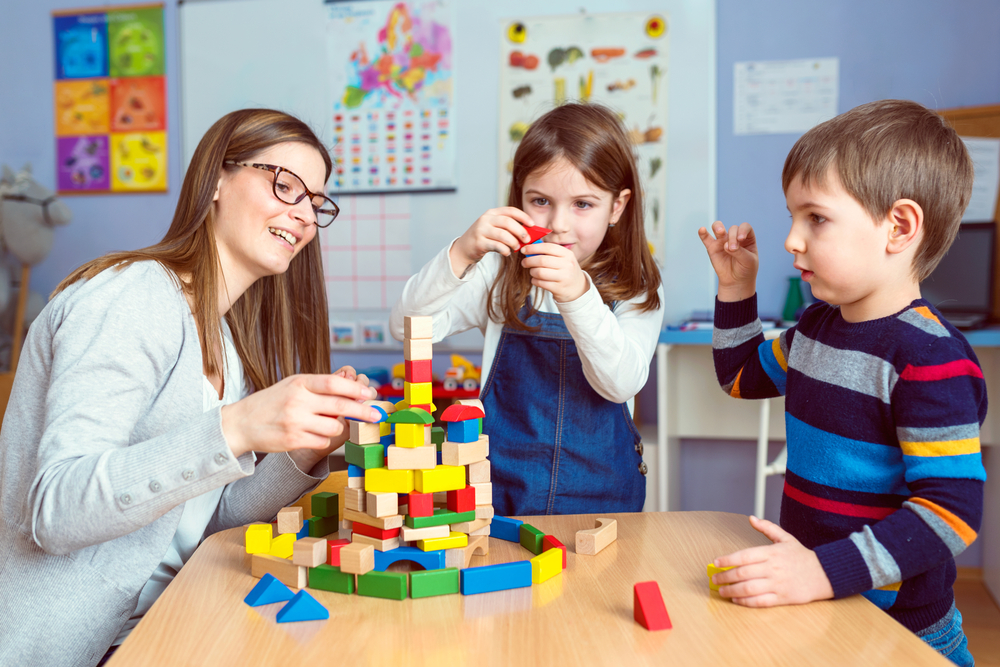

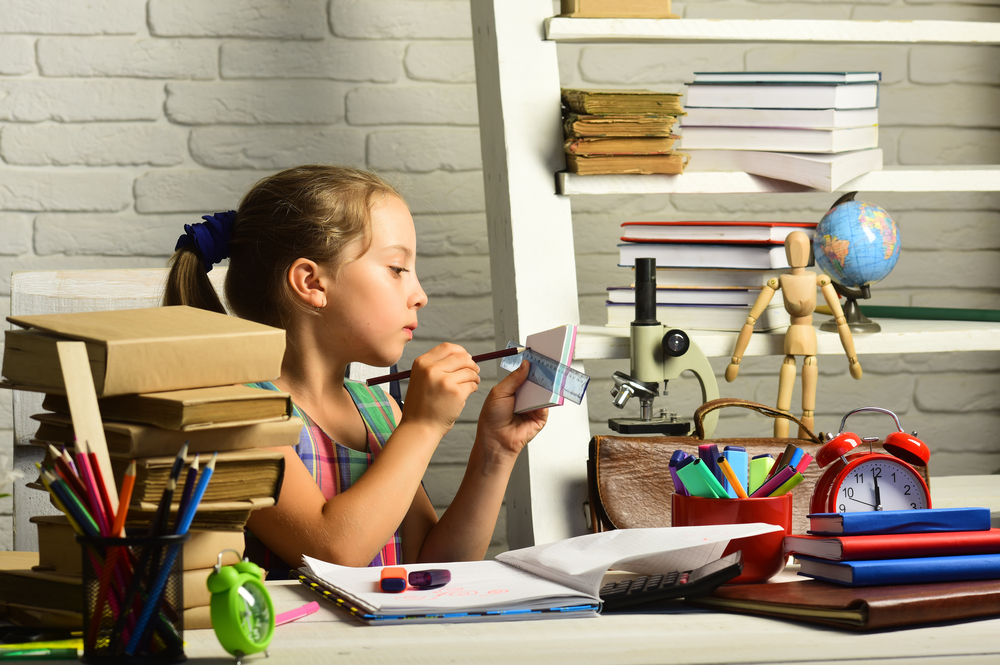



Improving categorization skills for children aged 5-6 is crucial because it lays the foundation for cognitive development and future learning. At this stage, the ability to categorize helps children make sense of the world around them. By organizing information into groups, they can more easily remember and retrieve it when needed. This skill also promotes logical thinking by helping children differentiate between different attributes, such as size, shape, color, and function.
For parents and teachers, fostering categorization skills means nurturing a child's ability to solve problems and apply what they've learned to new situations. These abilities are essential for academic success in subjects such as math, science, and reading. For instance, understanding categorization can help a child grasp the concept of numbers and classification in math or identify themes and characters in stories.
Additionally, strong categorization skills contribute to social development. Children learn to recognize and respect differences and commonalities among people, objects, and experiences, enhancing their interpersonal relationships.
Therefore, parents and teachers should prioritize activities and exercises that teach children how to group, compare, and contrast different items. Simple exercises, such as sorting toys or organizing picture cards, can be highly beneficial in developing these vital cognitive skills.








