Letter Tracing Practice Normal Worksheets for Ages 5-6
5 filtered results
-
From - To
Enhance your child's handwriting skills with our "Letter Tracing Practice Normal Worksheets for Ages 5-6." Designed for young learners, these worksheets offer fun and engaging practice to help children master letter formation. Each worksheet provides ample tracing opportunities, promoting fine motor skills and letter recognition. Perfect for kindergarteners and first graders, these printable activities are an excellent resource for both classroom and at-home learning. Ensure your child develops a strong foundation in writing with our carefully crafted letter tracing worksheets. Browse now and give your child the tools to succeed, one letter at a time!
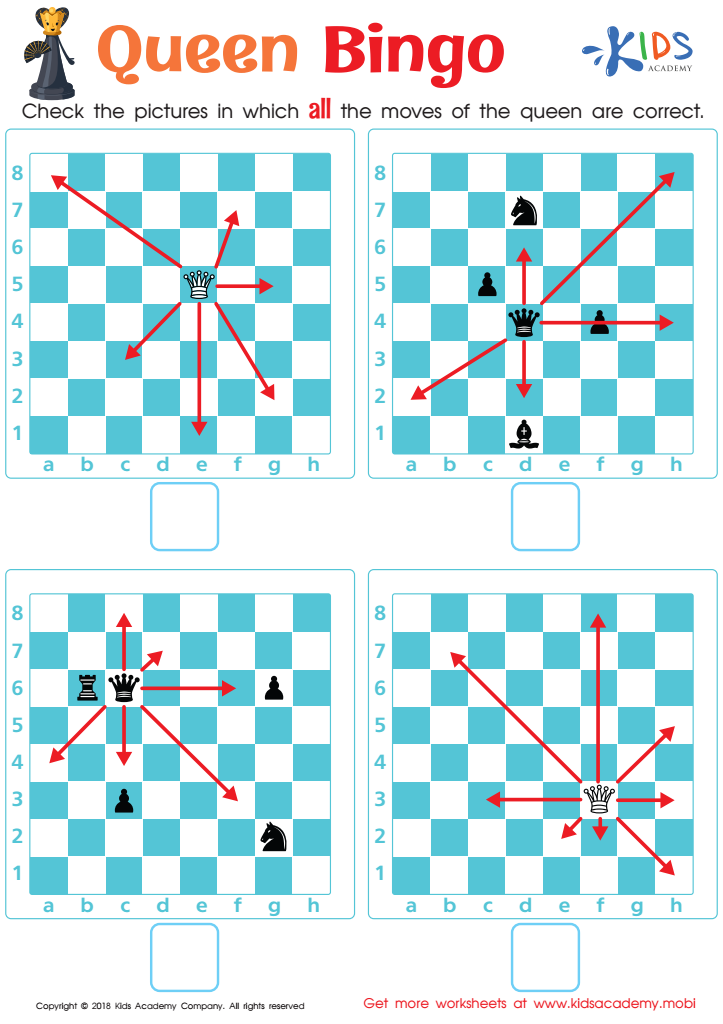
Queen Bingo Worksheet
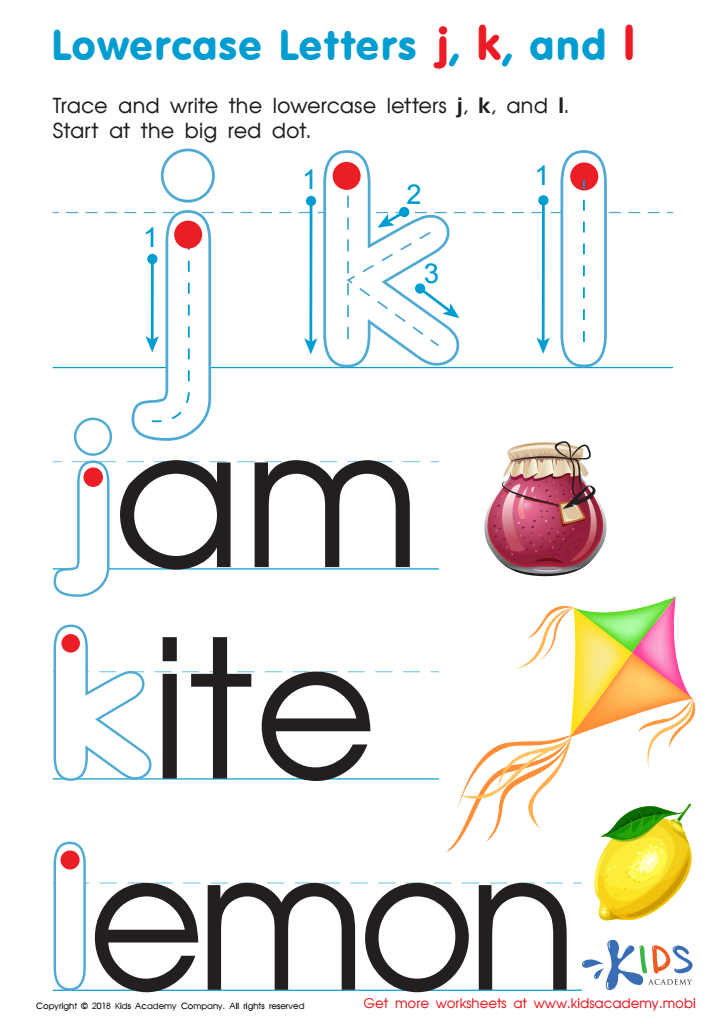
Lowercase Letters j k l Worksheet
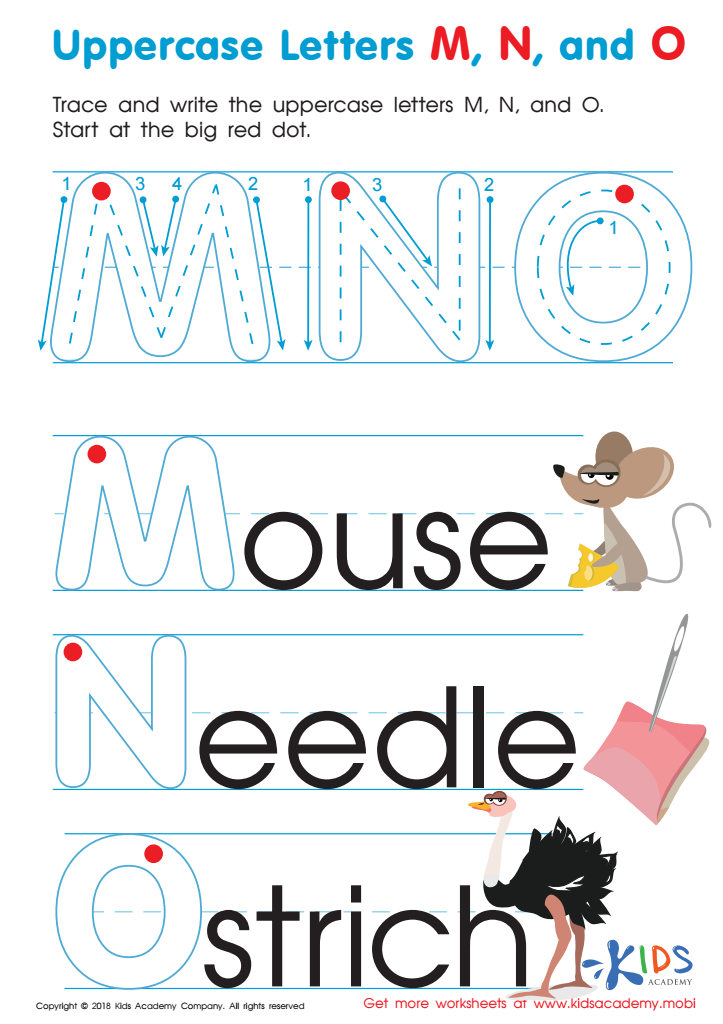
Uppercase Letters M, N, and O Worksheet
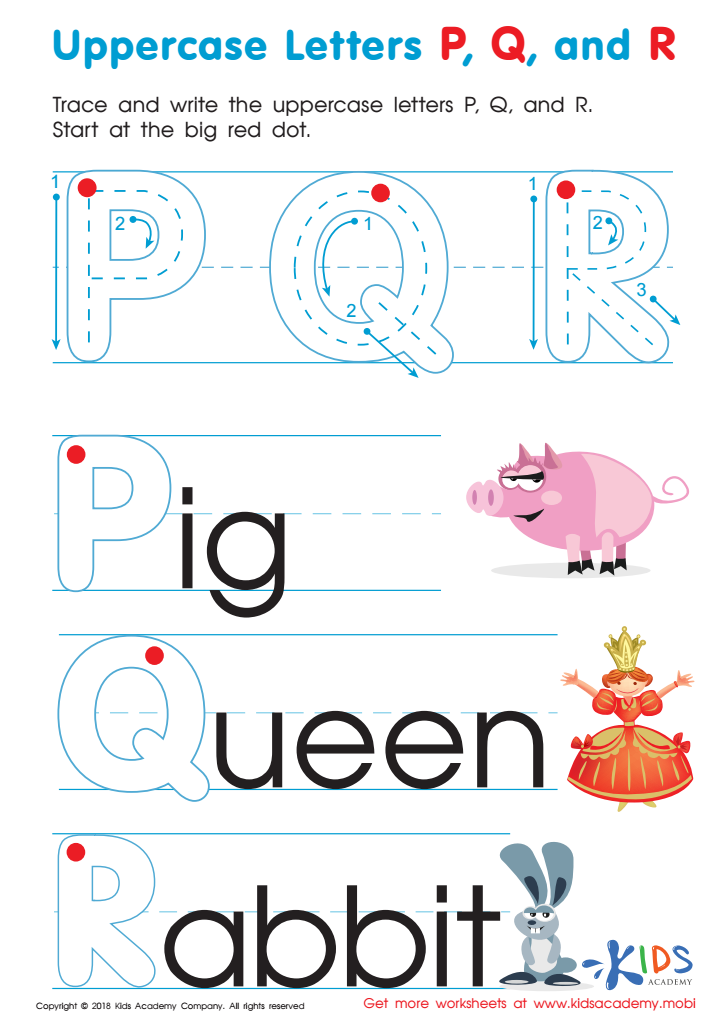
Uppercase Letters P, Q, and R Worksheet
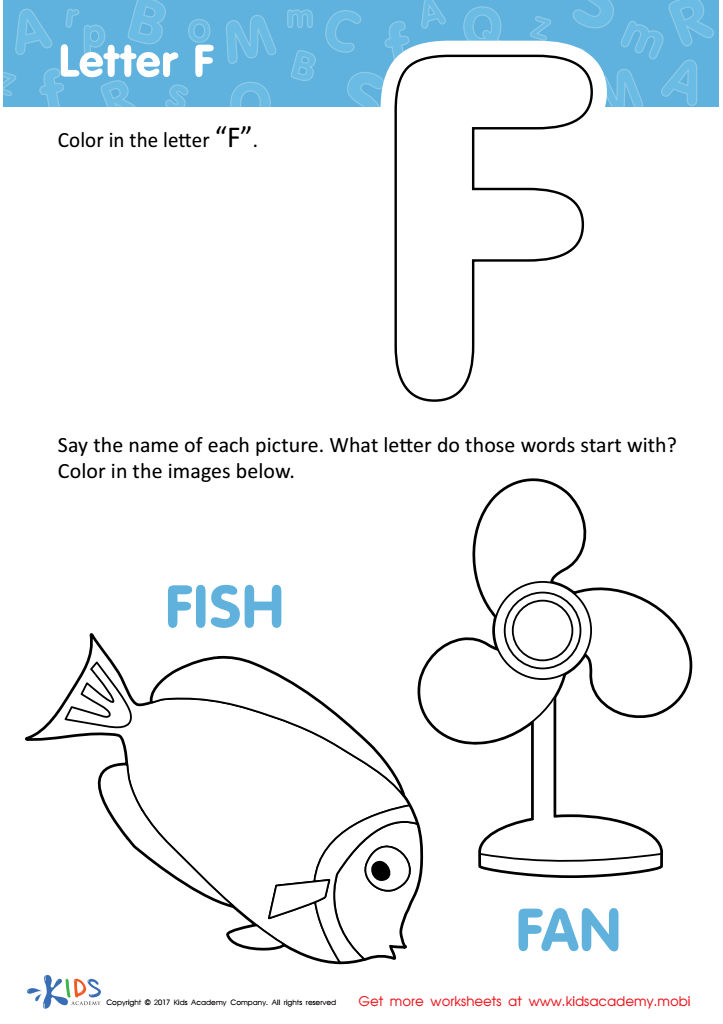
Letter F Coloring Sheet
 Assign to My Students








Letter tracing practice is crucial for children aged 5-6 because it forms the foundation for their reading and writing skills. This activity equips young learners with essential fine motor skills by teaching them how to correctly grip and control a pencil, fostering better handwriting later on. When children trace letters, they get familiar with letter shapes, which enhances their ability to recognize and differentiate them—an important step in the journey toward reading.
Additionally, consistent letter tracing promotes phonological awareness. As children trace and sound out each letter, they start linking how letters look to how they sound, aiding in the development of decoding skills necessary for reading. Early exposure to tracing activities sets up a multisensory learning experience, combining visual, tactile, and auditory learning pathways, which can be particularly beneficial for diverse learning styles.
From an emotional perspective, mastering letter tracing can significantly boost a child's confidence and self-esteem. When children can write their own names and simple words, they gain a sense of accomplishment that fuels their enthusiasm for learning. For teachers and parents, investing time in letter tracing exercises ensures children can build a solid literacy foundation, setting them on a path toward academic success. Therefore, incorporating letter tracing into early education is a strategic and nurturing approach to developing well-rounded, competent young learners.








