Phonics improvement Normal Worksheets for Ages 5-6
3 filtered results
-
From - To
Boost your child's reading confidence with our "Phonics Improvement Normal Worksheets" designed for ages 5-6. These expertly-crafted worksheets enhance kids’ phonemic awareness, helping them recognize sounds and letters through fun and engaging activities. Each worksheet focuses on crucial phonics skills, from identifying beginning sounds to blending letters into words. Perfect for home or classroom use, these resources support early readers in building a strong phonics foundation, fostering a love for reading and learning. Easy to use and tailor-made for young learners, our worksheets make phonics improvement simple and effective. Give your child the tools they need for reading success!
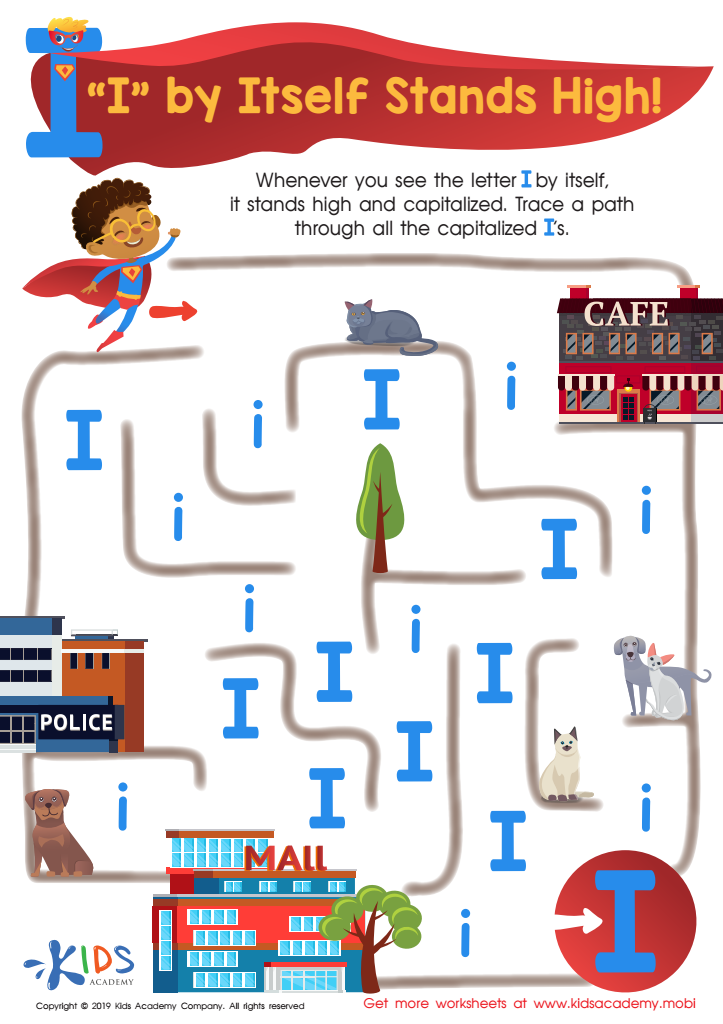
I Stands High Worksheet
 Assign to My Students
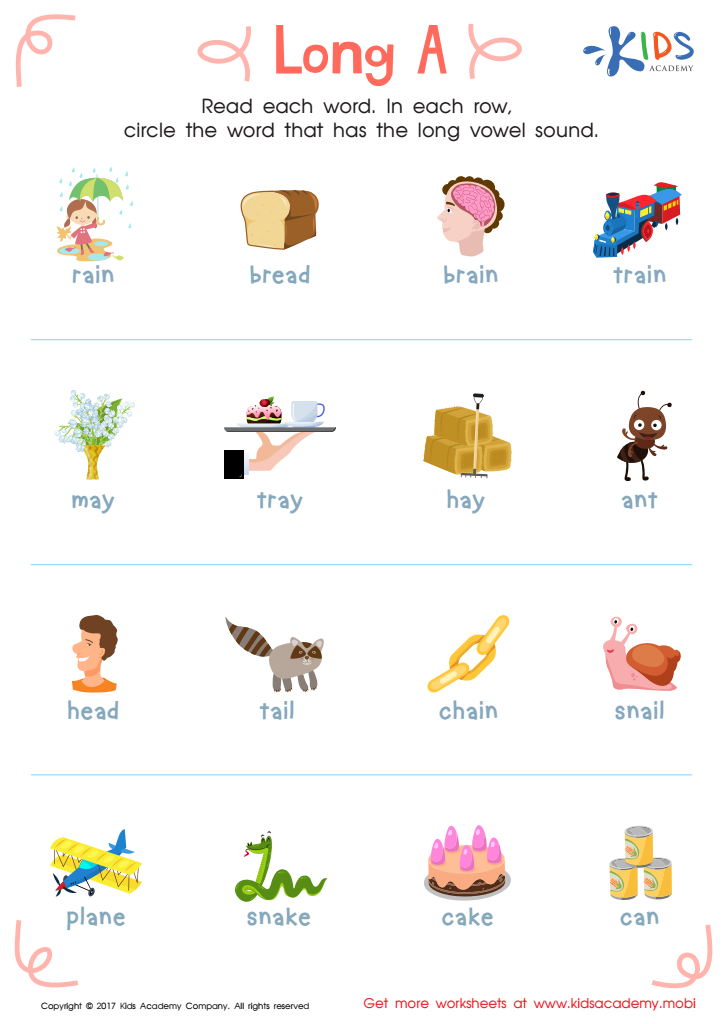
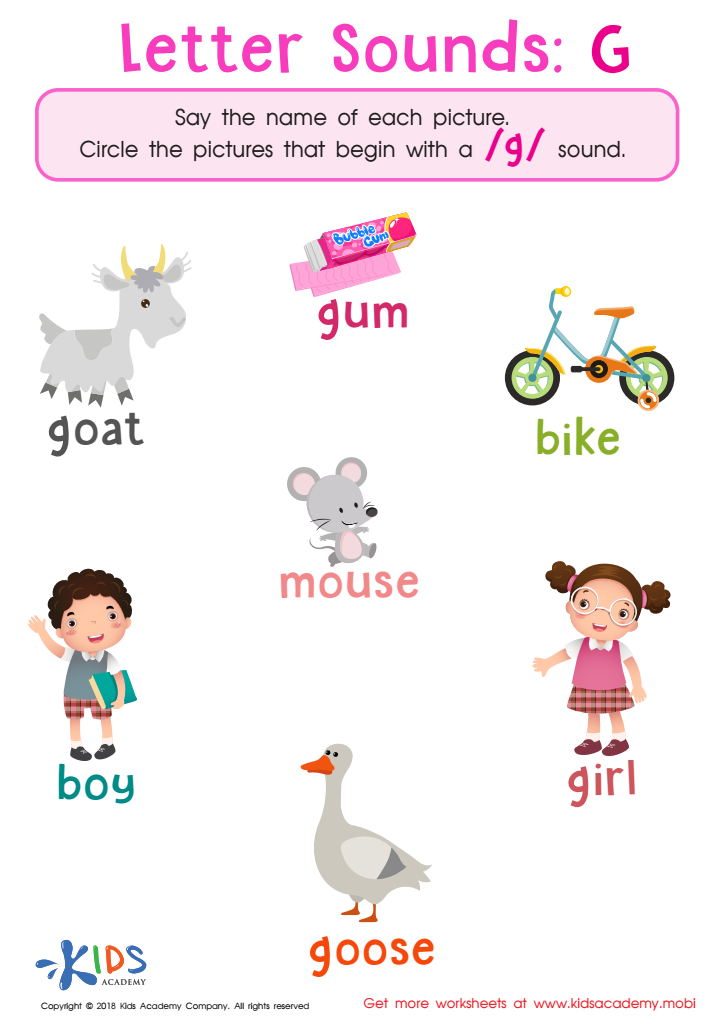
Letter G Sounds Worksheet





Phonics improvement is essential for children aged 5-6 because this foundational skill aids significantly in their early literacy development. Parents and teachers should care about phonics for several reasons.
Firstly, phonics helps children understand the relationship between letters and sounds, enabling them to decode words while reading. When children grasp this correlation, their reading fluency greatly improves, fostering a more intrinsic enjoyment of reading, which is a skill that underpins learning across all subjects.
Secondly, strong phonics skills provide a robust foundation for spelling and writing. By understanding how words are constructed, children can more easily spell new words, which aids their overall ability to communicate effectively.
Additionally, early proficiency in phonics reduces the risk of future learning difficulties. It builds a child's confidence and motivation to learn, making education a positive experience. Without this early intervention, children might fall behind, which can impact their self-esteem and educational trajectory.
Lastly, engaging young learners in phonics creates a collaborative learning environment between home and school. Parents who understand the significance of phonics can support learning through reading activities and games, fostering a holistic approach to education that keeps children excited about their learning journey.








