Problem-solving practice Normal Worksheets for Ages 5-6
5 filtered results
-
From - To
At Kids Academy, our Problem-Solving Practice Normal Worksheets for ages 5-6 are specifically designed to enhance your child's critical thinking and analytical skills. These engaging activities guide young learners through various challenges, promoting cognitive development, creativity, and logical reasoning. Each worksheet is thoughtfully crafted to make problem-solving enjoyable and educational, integrating fun puzzles, patterns, and scenarios that encourage thoughtful decision-making. Perfect for home or classroom use, our worksheets help children build a solid foundation in essential skills, setting them up for success in their academic journeys. Help your child excel with Kids Academy's intuitive and interactive problem-solving practice today!
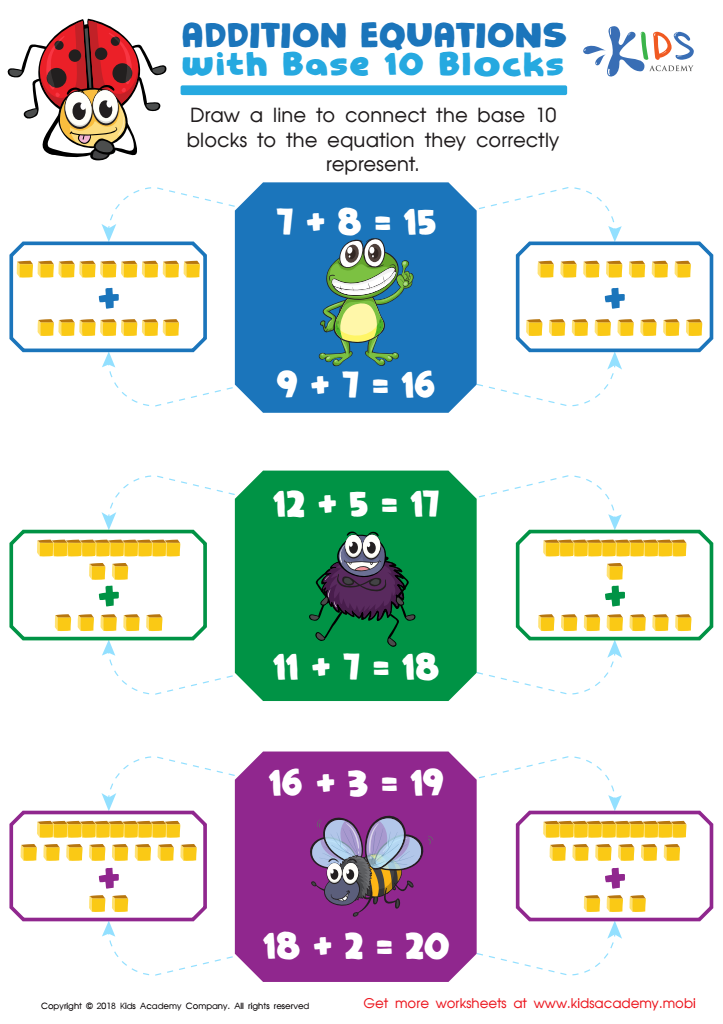
Addition Equations With Base 10 Blocks Worksheet
 Assign to My Students
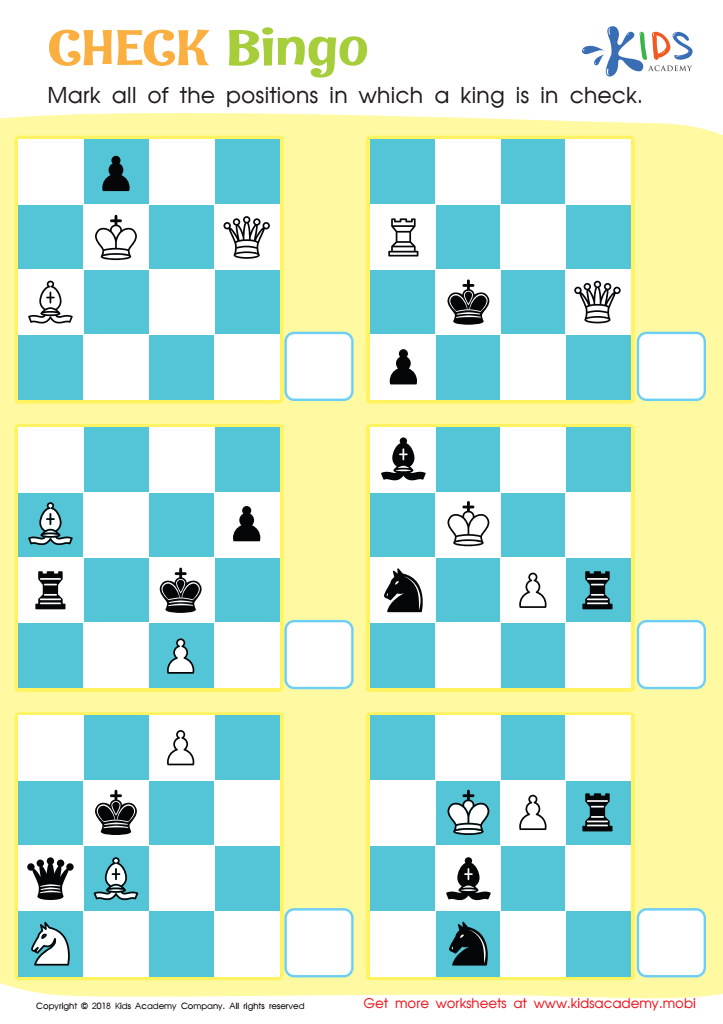
Check Bingo Worksheet
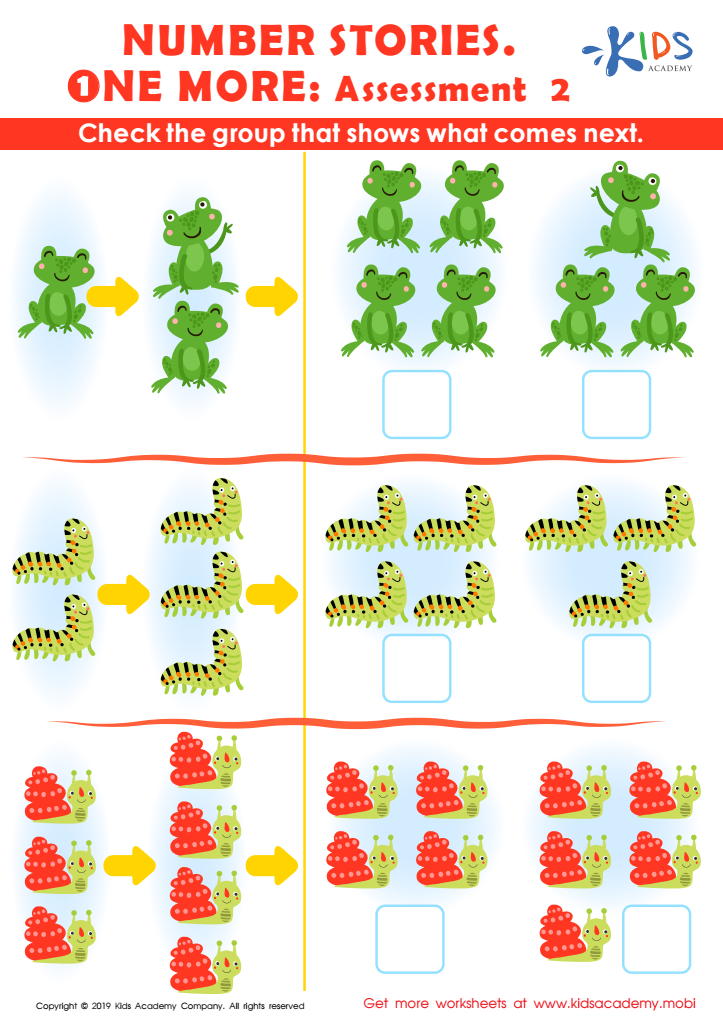
Number Stories One More – Assessment 2 Worksheet
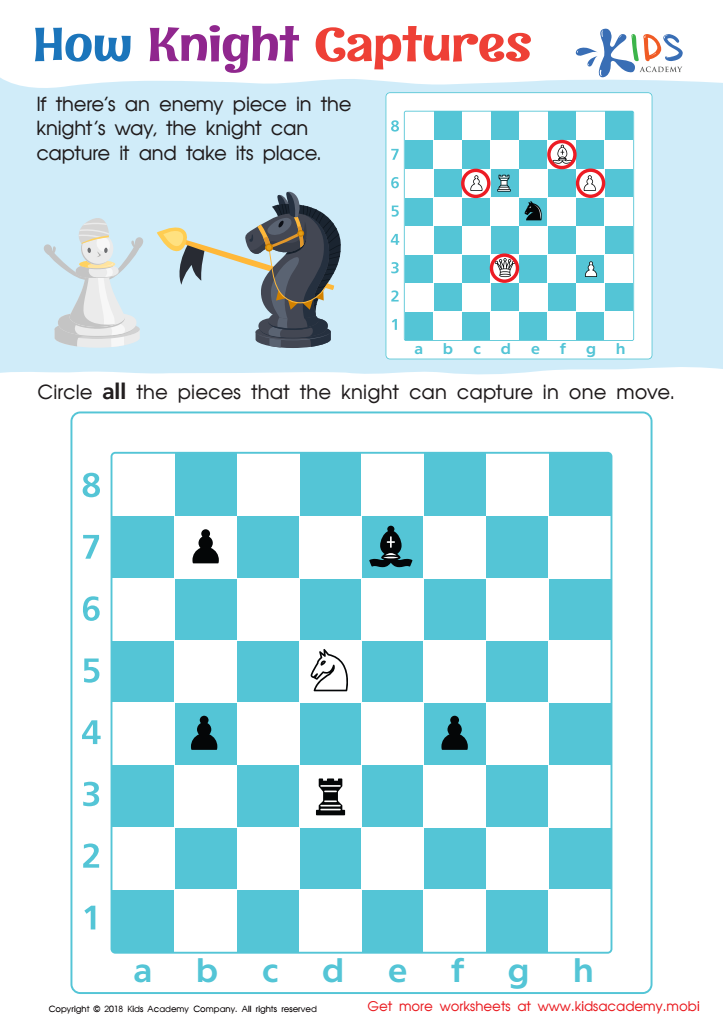
How Knight Captures Worksheet
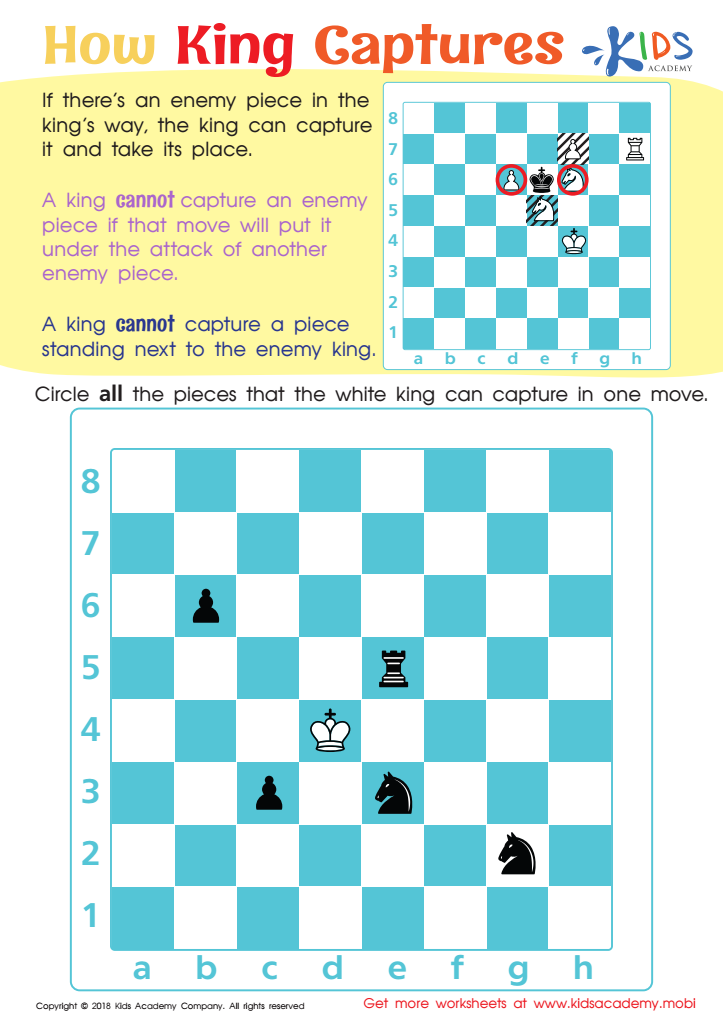
How King Captures Worksheet




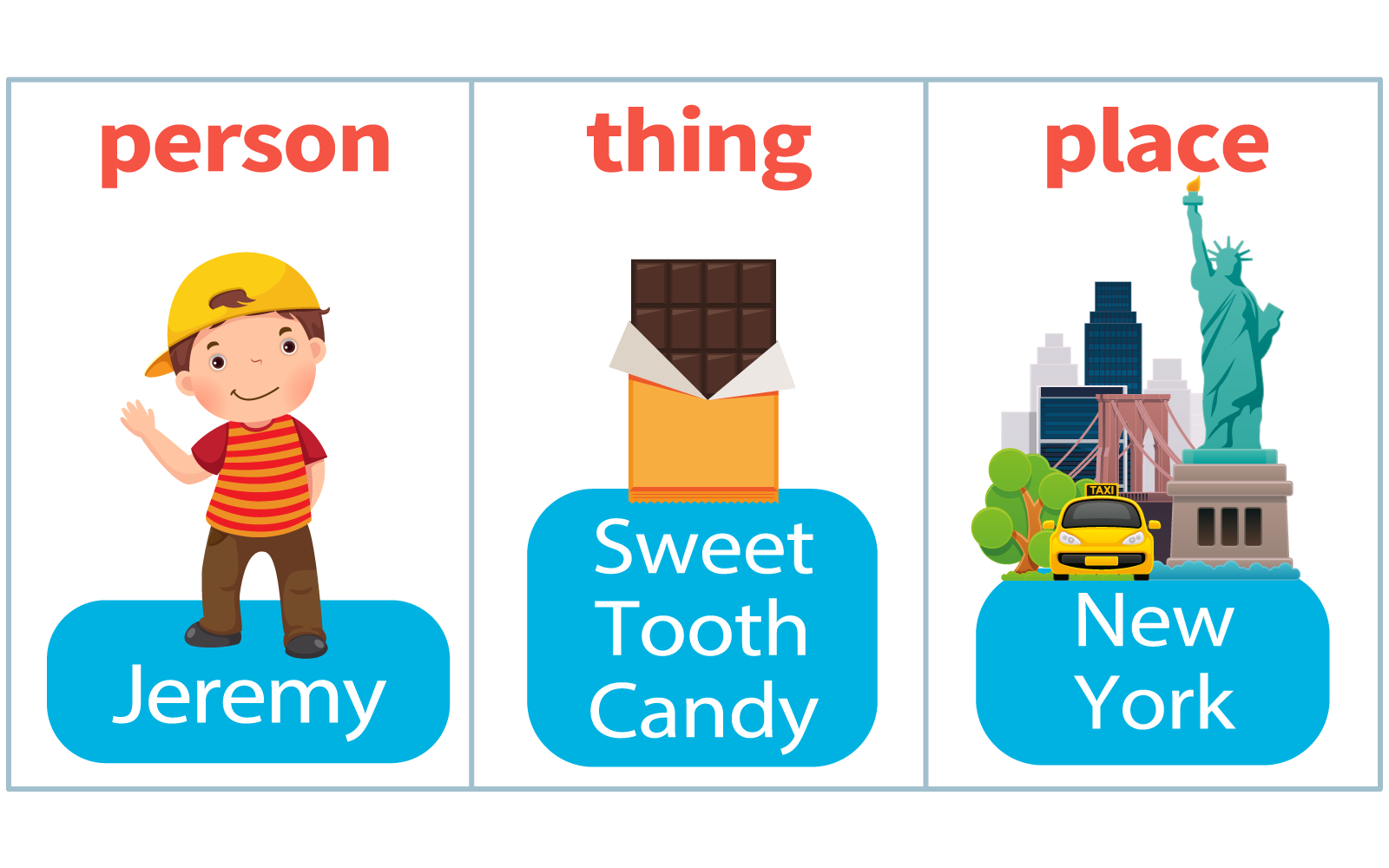



Problem-solving practice is essential for children aged 5-6 because it lays the foundation for critical cognitive and social development. At this tender age, children are beginning to understand cause and effect, pattern recognition, and logical thinking. Engaging in problem-solving activities enables them to enhance these skills in a structured and supportive environment.
For parents and teachers, it's crucial to understand that problem-solving goes beyond academic success. It teaches children persistence, encouraging them to tackle challenges rather than shy away from them. When a child encounters a problem, whether it's a puzzle or a social conflict, they learn to assess the situation, weigh different solutions, and make informed decisions. This ability to navigate through difficulties builds confidence and independence.
Moreover, problem-solving fosters collaboration and communication when activities are done in groups. Children learn to listen, articulate their thoughts, and appreciate different perspectives. Such interaction is vital for developing empathy, emotional intelligence, and cooperative behavior.
Incorporating problem-solving into the daily routine makes learning engaging and fun, stimulating curiosity and intellectual growth. By prioritizing these practices, parents and teachers not only contribute to academic readiness but also to the overall development of resilient, adaptable, and well-rounded individuals.








