Sequence Understanding Normal Worksheets for Ages 5-6
3 filtered results
-
From - To
Kids Academy's Sequence Understanding Normal Worksheets for ages 5-6 foster critical thinking and cognitive development by helping young learners grasp the concept of sequencing. Designed to be both engaging and educational, these worksheets use fun activities and relatable contexts to enhance children's abilities to order events, recognize patterns, and follow logical sequences. Ideal for kindergarten and early grade students, each worksheet provides step-by-step exercises that nurture essential learning skills, laying a solid foundation for future academic success. Perfect for both classroom and home use, our worksheets make the learning journey enjoyable and effective. Download now, and watch your child's comprehension grow!
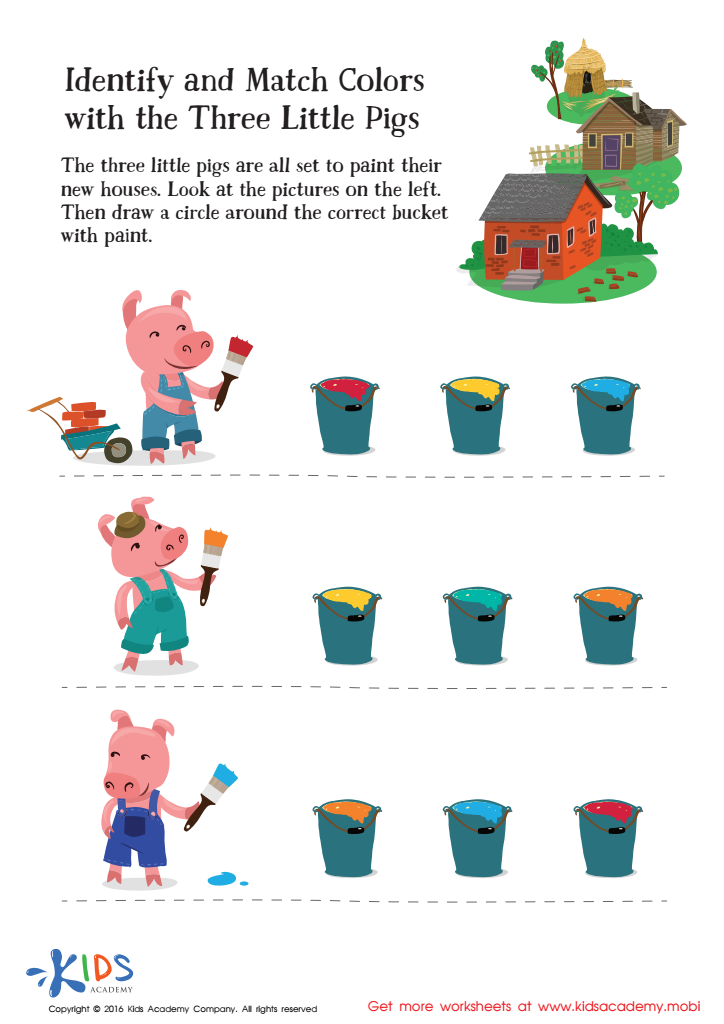
Fairy Tale Worksheet: Identify and Match Colors with Three Little Pigs
 Assign to My Students
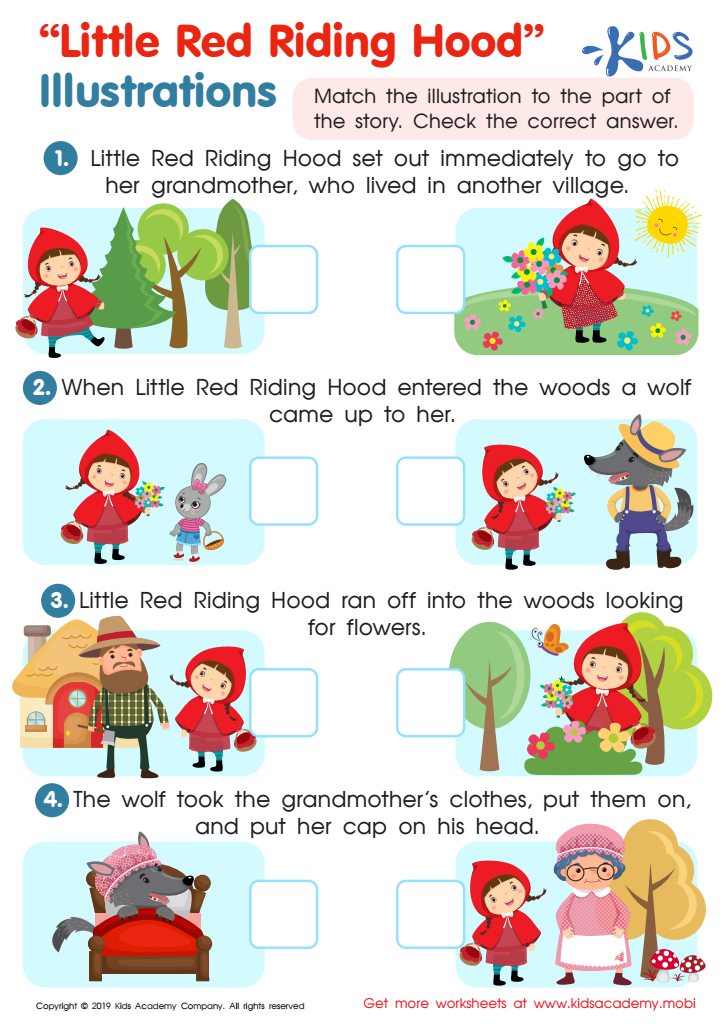
Little Red Riding Hood: Illustrations Worksheet
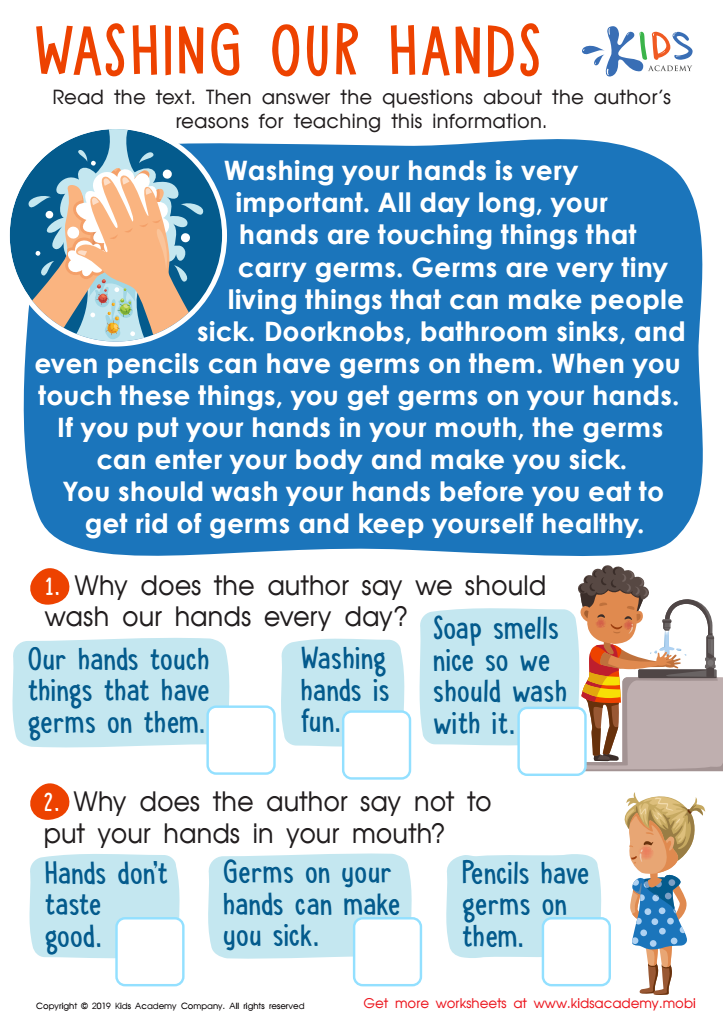
Washing Our Hands Worksheet








Ensuring that children aged 5-6 develop a strong understanding of sequencing is vital for their cognitive and academic growth. Sequencing—the ability to understand and arrange events, objects, or actions in a specific order—plays a fundamental role in various aspects of learning and daily life.
When parents or teachers focus on developing this skill, they’re laying the groundwork for more advanced concepts that will be introduced in later grades. For example, in reading, sequencing helps children comprehend narratives by understanding the progression of events in a story. In math, it aids in understanding patterns, ordering numbers, and solving problems methodically. These foundational skills promote logical thinking and problem-solving abilities.
Furthermore, in daily tasks, sequencing is crucial for organizational and time-management skills. It helps children execute multi-step activities, such as getting ready in the morning or completing a simple craft project. This early practice fosters independence and confidence, which are essential for personal development.
Additionally, sequencing skills facilitate effective communication. By understanding how to put thoughts and ideas in logical order, children can express themselves more clearly and follow instructions better. For parents and teachers, prioritizing sequence understanding in young children is an investment in their future academic success and overall growth as capable, communicative individuals.








