Sequencing Skills Normal Worksheets for Ages 5-6
6 filtered results
-
From - To
Enhance your child’s learning with our Sequencing Skills Normal Worksheets designed specifically for ages 5-6. These engaging worksheets help young learners understand the importance of order and organization. Through fun activities and colorful illustrations, children will practice identifying sequences in stories, everyday events, and even simple tasks. Our worksheets encourage critical thinking and bolster cognitive development, making learning both fun and effective. Ideal for preschool and early grade teachers, these printables are perfect for classroom settings or at-home learning. Explore our range of worksheets to support your child’s journey in mastering sequencing skills and building foundational literacy!
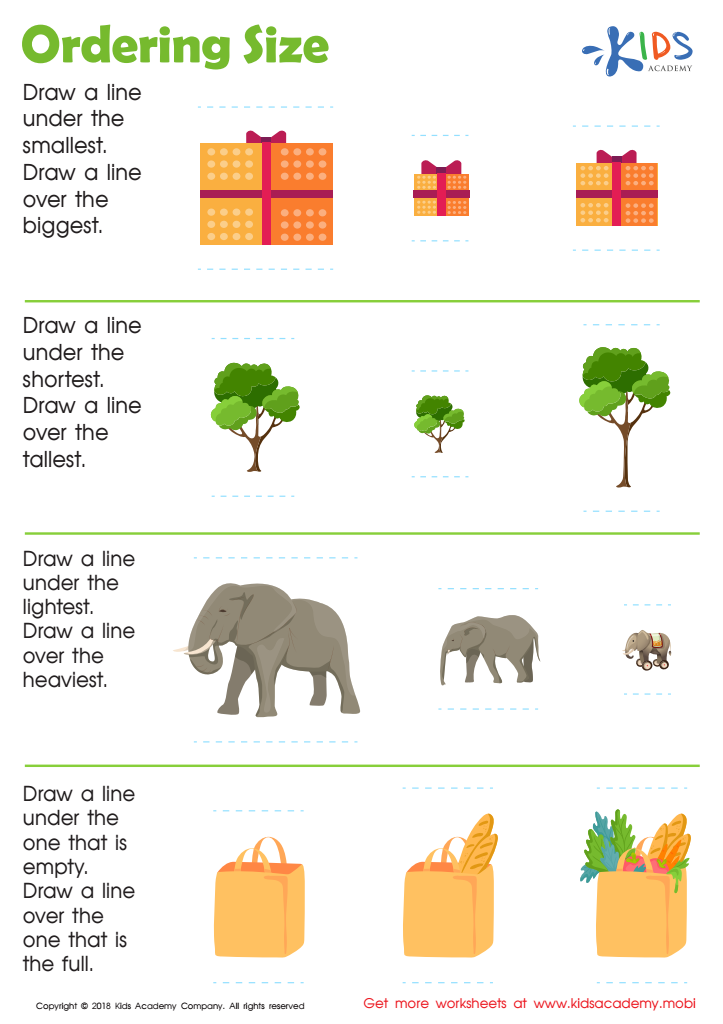
Ordering Size Worksheet
 Assign to My Students
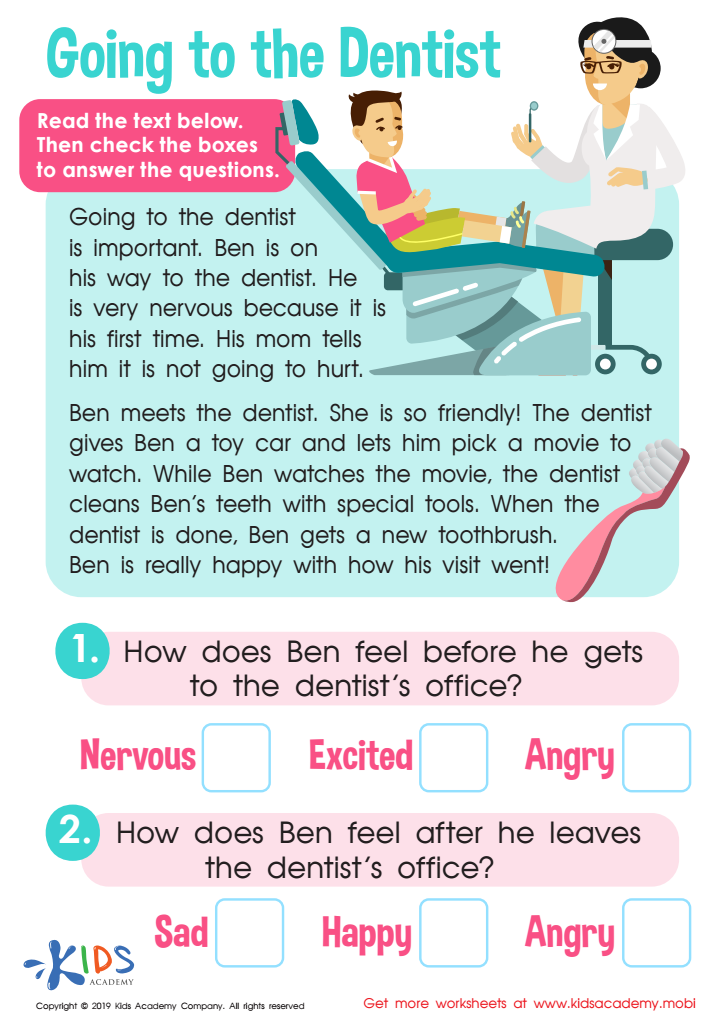
Going to the Dentist Worksheet
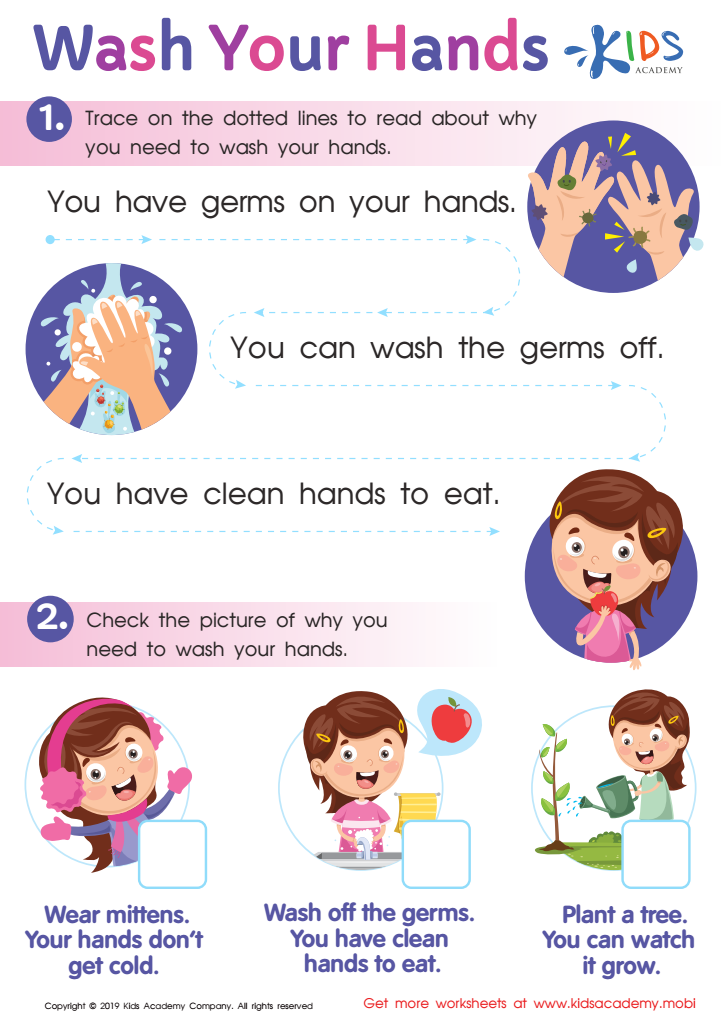
Wash Your Hands Worksheet
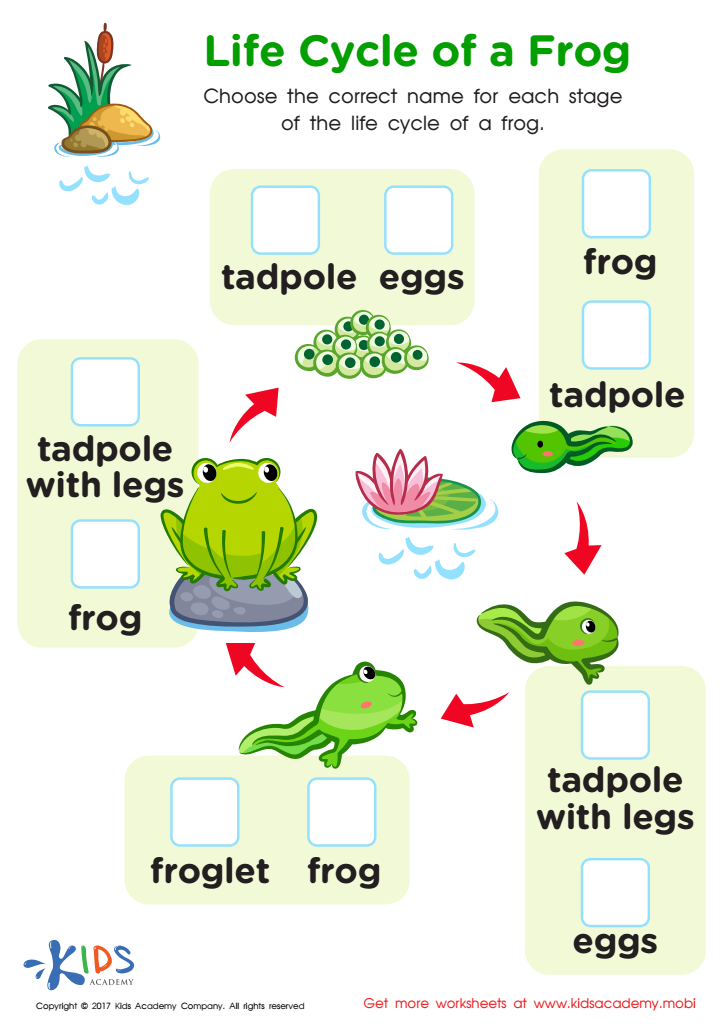
Life Cycle Frog Printable
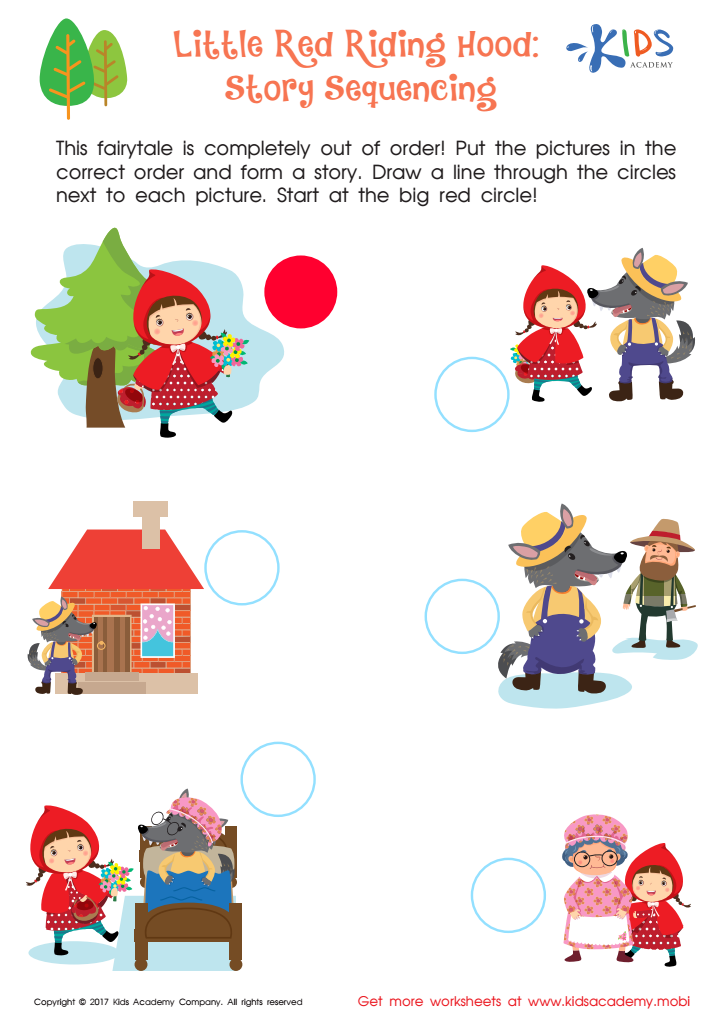
Story Sequencing Printable
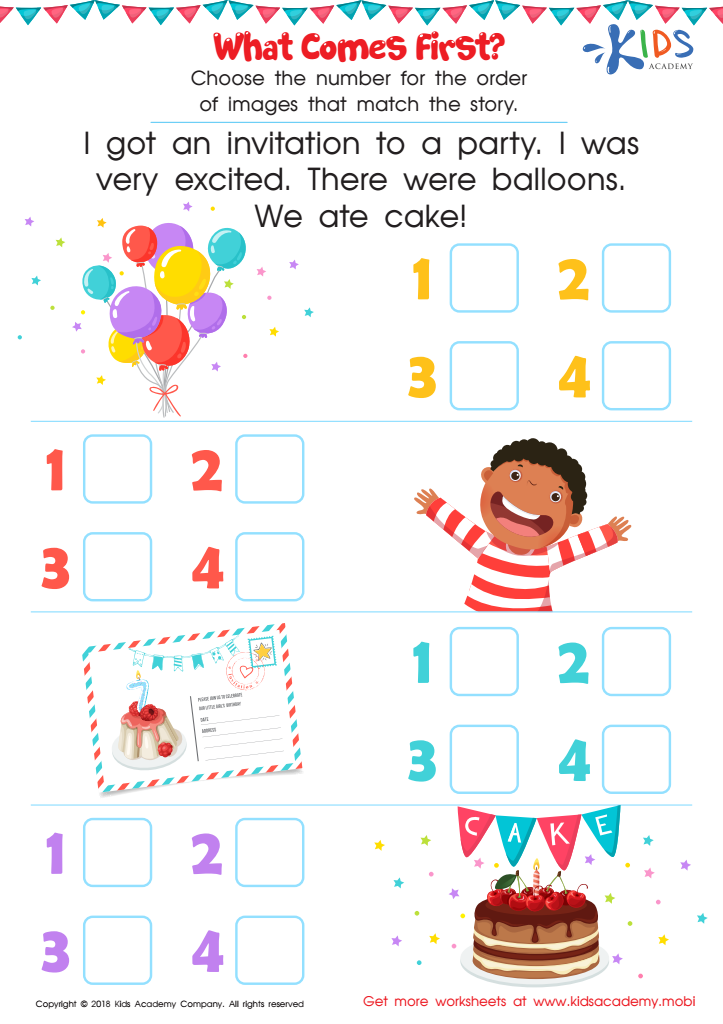
What Comes First Worksheet








Sequencing skills are crucial for children aged 5-6 as they serve as the foundation for many cognitive and academic abilities. Parents and teachers should care about developing these skills because they play a significant role in enhancing a child's understanding of order and time, which is essential for everyday tasks. Sequencing helps children comprehend narratives, whether in stories or real-life situations, enabling them to engage in meaningful conversations.
In addition, sequencing skills are vital for early math development. Children use these skills when learning concepts like patterns and measurements. For example, when given instructions to arrange blocks in a specific order, kids develop problem-solving and critical thinking abilities.
Additionally, strong sequencing skills contribute to better reading comprehension. Children learn to decode sentences and understand plots more effectively when they can identify the sequence of events. This also translates to improved writing skills, as they toggle ideas and events coherently.
Finally, nurturing sequencing skills fosters independence. As children learn to organize tasks, such as completing homework or getting ready in the morning, they build confidence in their abilities. Parents and teachers can play pivotal roles by incorporating fun activities that promote these skills, ensuring holistic development.








