Understanding directions Normal Worksheets for Ages 5-6
8 filtered results
-
From - To
Explore our "Understanding Directions Normal Worksheets" designed specifically for children ages 5-6! These engaging worksheets will help young learners develop essential spatial awareness and comprehension skills through fun activities. Each worksheet features simple, clear instructions tailored to foster their ability to follow and interpret directions correctly. Kids will enjoy various exercises that encourage problem-solving and critical thinking, while enhancing their listening skills. Perfect for home or classroom use, these worksheets provide a valuable foundation for future learning. Help your child gain confidence and succeed with our delightful understanding directions worksheets, making learning both enjoyable and effective!
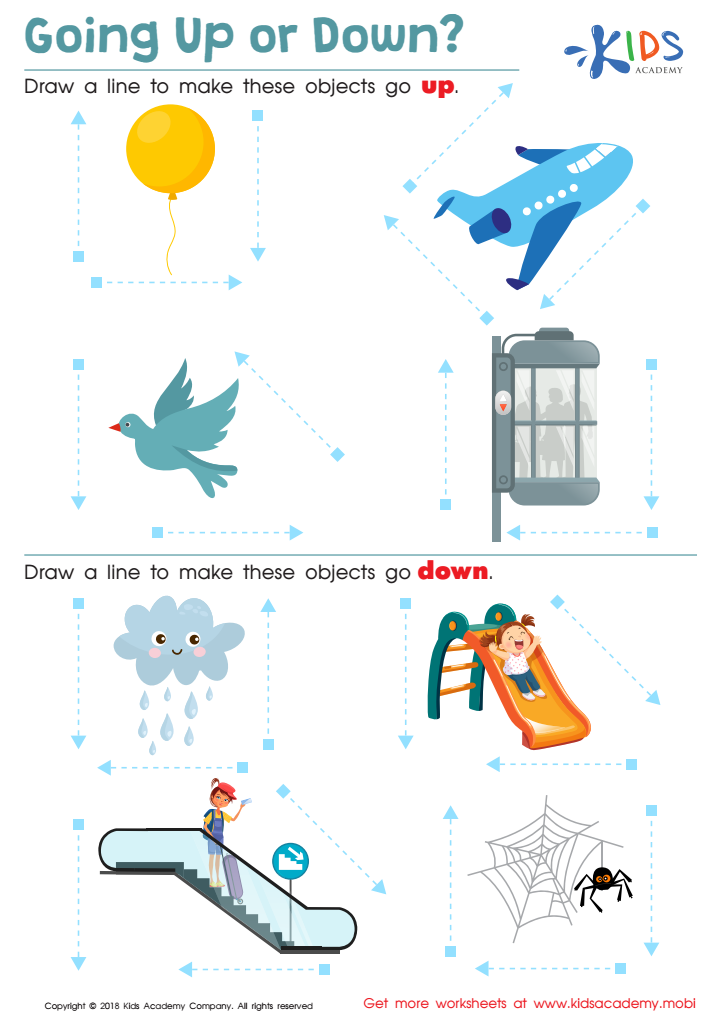
Going up or Down? Worksheet
 Assign to My Students
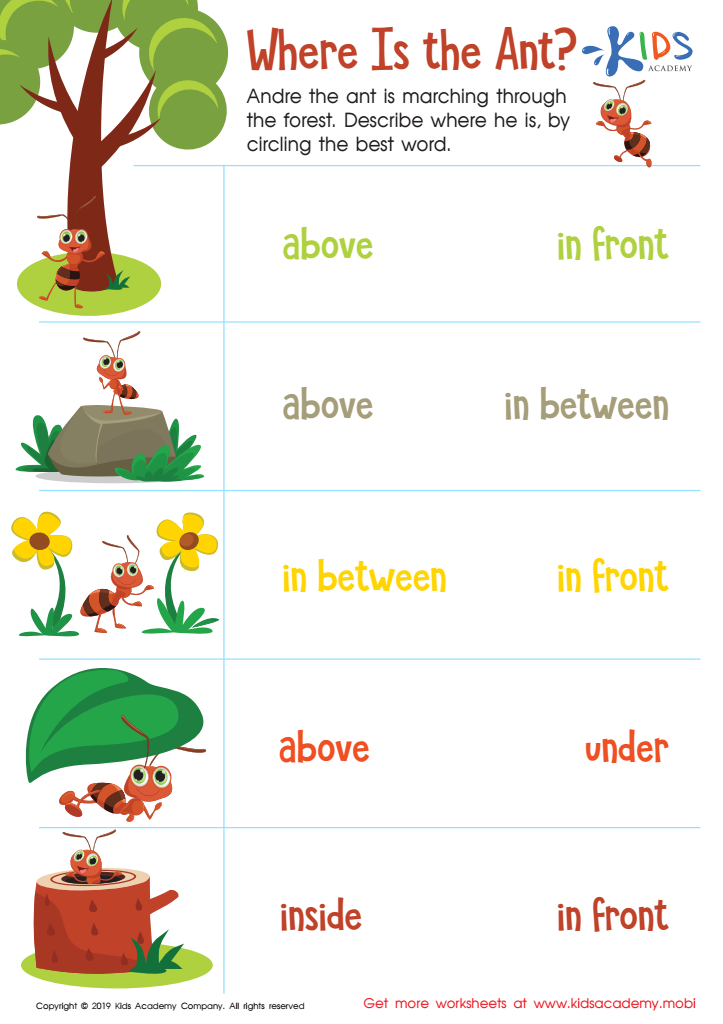
Where Is the Ant? Worksheet
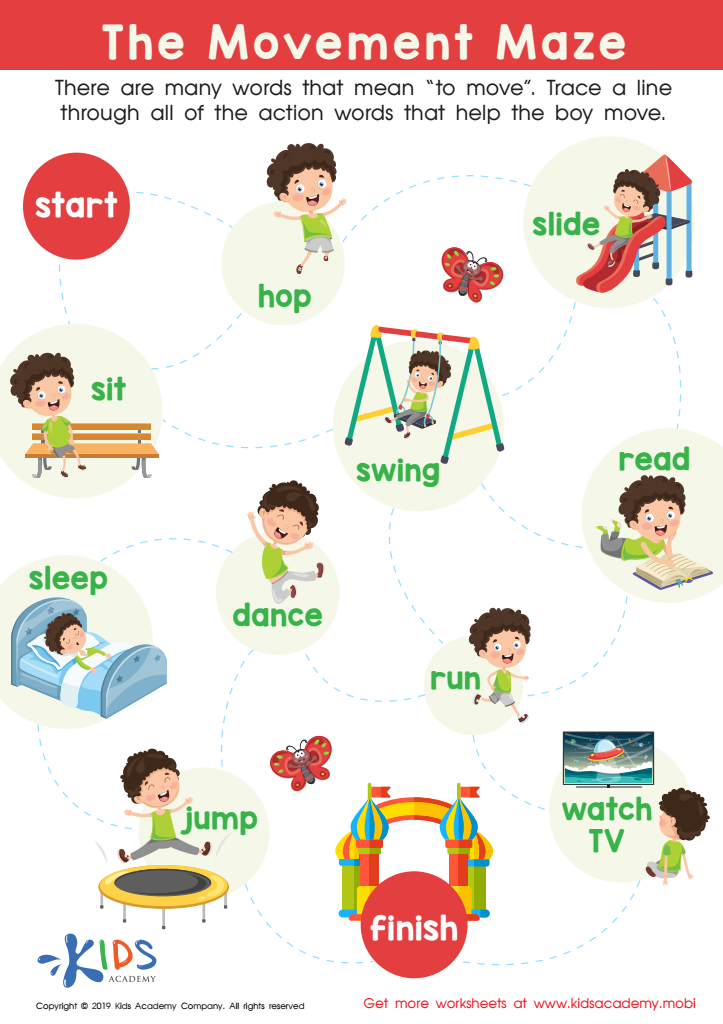
The Movement Maze Worksheet
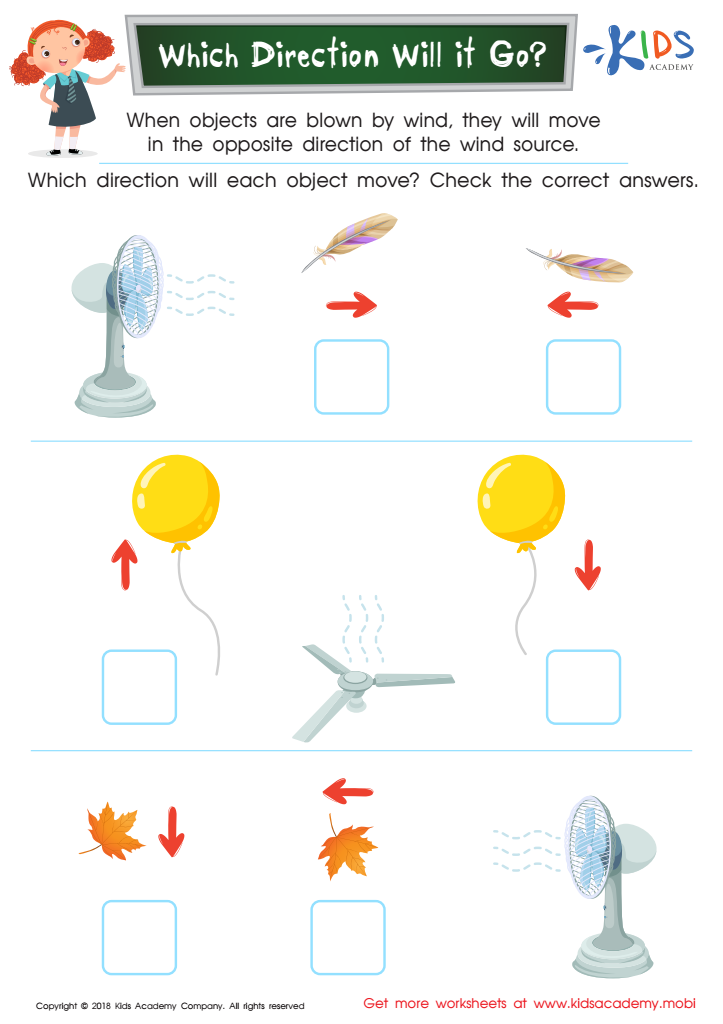
Which Direction Will it Go? Worksheet
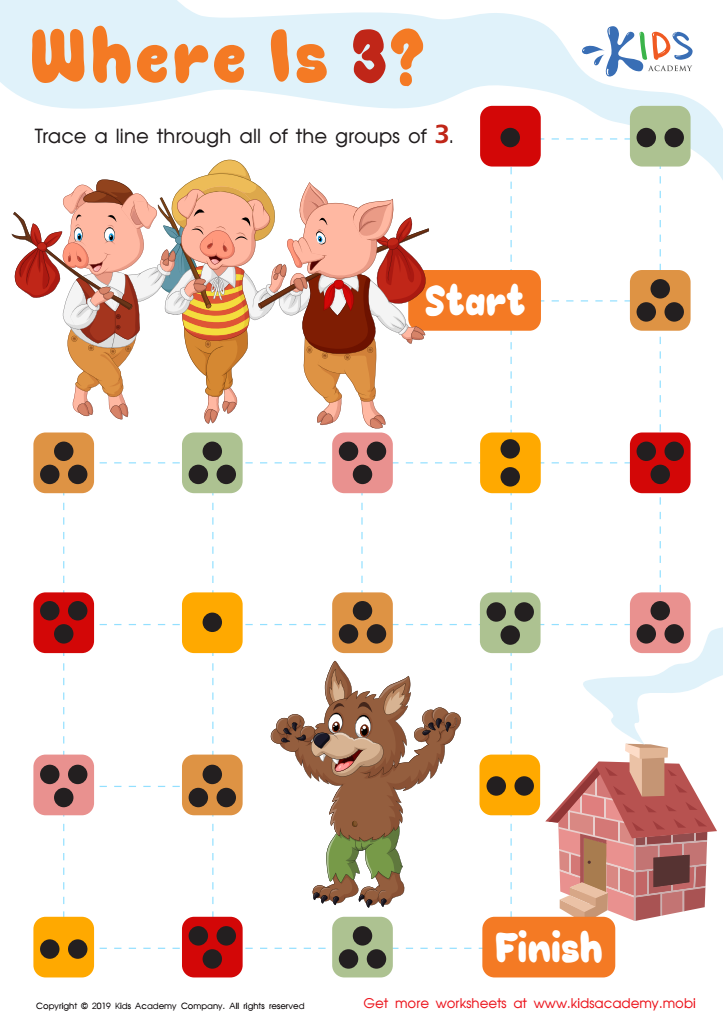
Where Is 3? Worksheet
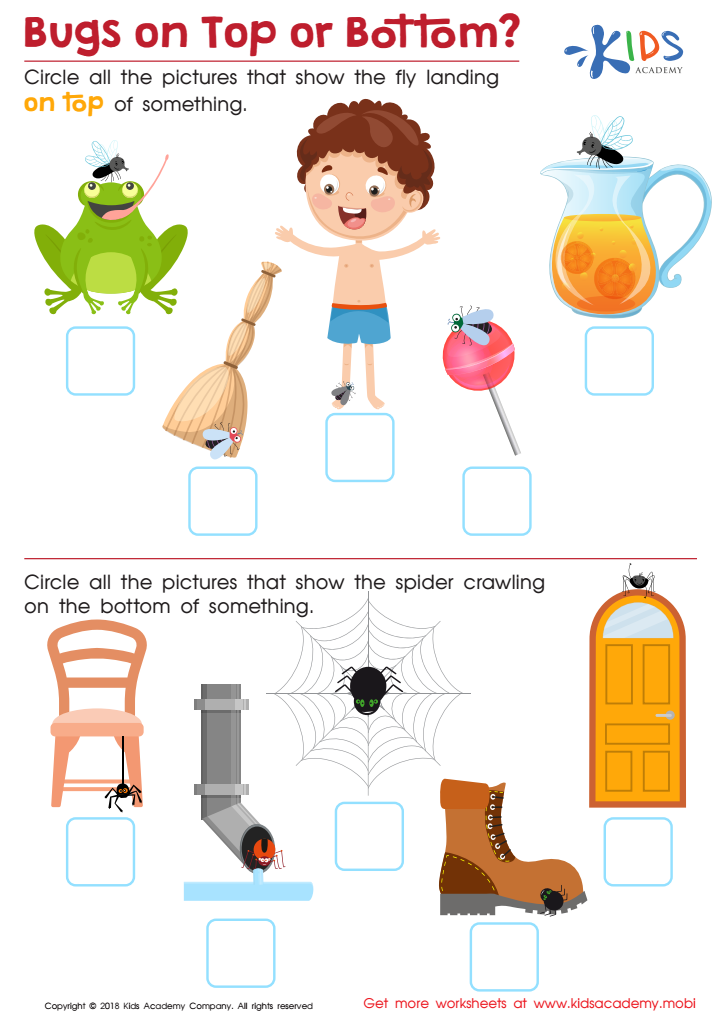
Bugs on Top or Bottom? Worksheet
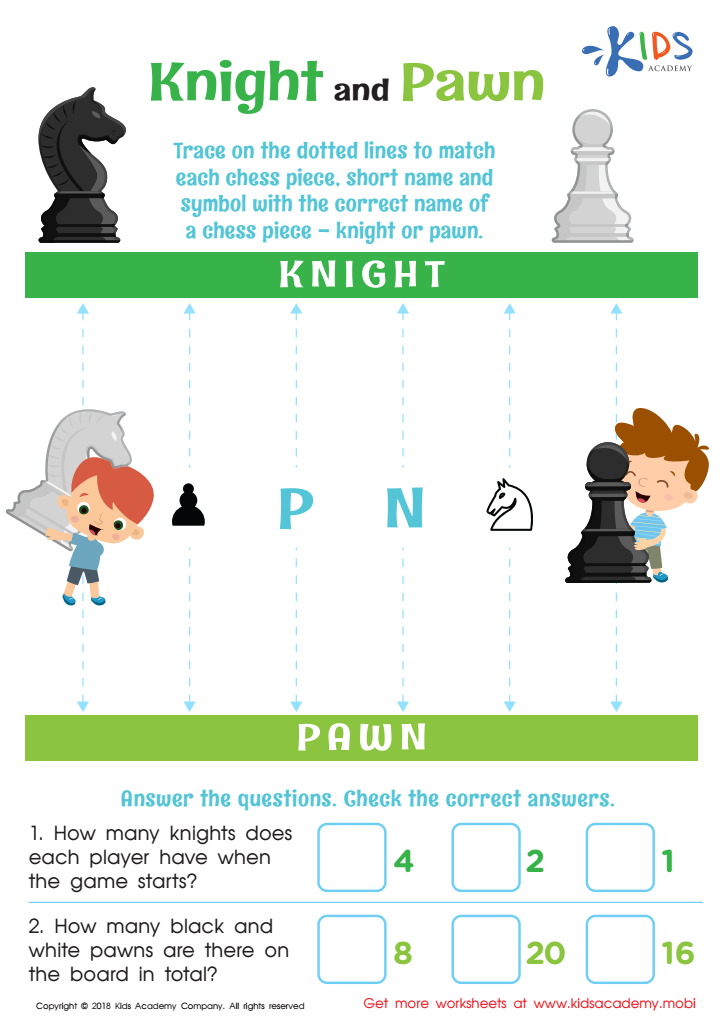
Knight and Pawn Worksheet
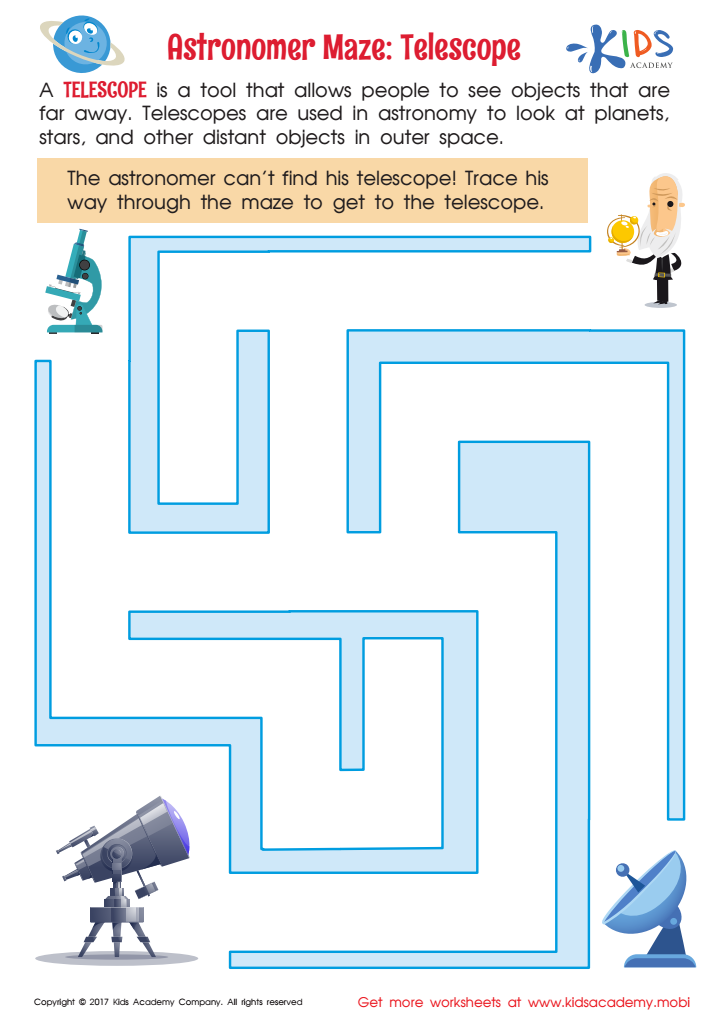
Astronomer Maze: Telescope Worksheet








Understanding directions is crucial for children ages 5-6, as it lays the foundation for their cognitive and social development. At this age, children are increasingly involved in structured activities at home and school, where following directions is essential for learning and participation. Mastering this skill helps them comprehend instructions, navigate tasks, and enhance their communication abilities, fostering independence and confidence.
For parents and teachers, caring about children’s ability to understand directions means nurturing their critical thinking and problem-solving skills. When children grasp directions, they can engage more fully in classroom activities, contributing to a positive learning environment. It also aids in the development of self-regulation, as children learn to listen, process, and execute instructions without constant reminders.
Additionally, understanding directions promotes social skills; children who can follow and give directions often develop better relationships with peers and adults. This skill enriches their experiences in group settings, where teamwork and cooperation are vital.
Investing in a child’s ability to understand directions sets the stage for a lifetime of learning, empowering them to tackle increasingly complex tasks and challenges as they grow. Ultimately, fostering this skill in young learners is beneficial for their overall success and well-being.








