Word identification Normal Worksheets for Ages 5-6
5 filtered results
-
From - To
Enhance your child's literacy skills with our Word Identification Normal Worksheets, designed specifically for ages 5-6. These engaging worksheets help young learners recognize and identify words, building their vocabulary and foundational reading skills. Each activity is tailored to cater to various learning styles, ensuring a fun and effective educational experience. Our user-friendly format allows parents and educators to easily print and utilize the resources at home or in the classroom. Support your child's reading journey today with our interactive word identification worksheets that foster confidence and a love for learning. Get started now and watch your child thrive in their literacy development!
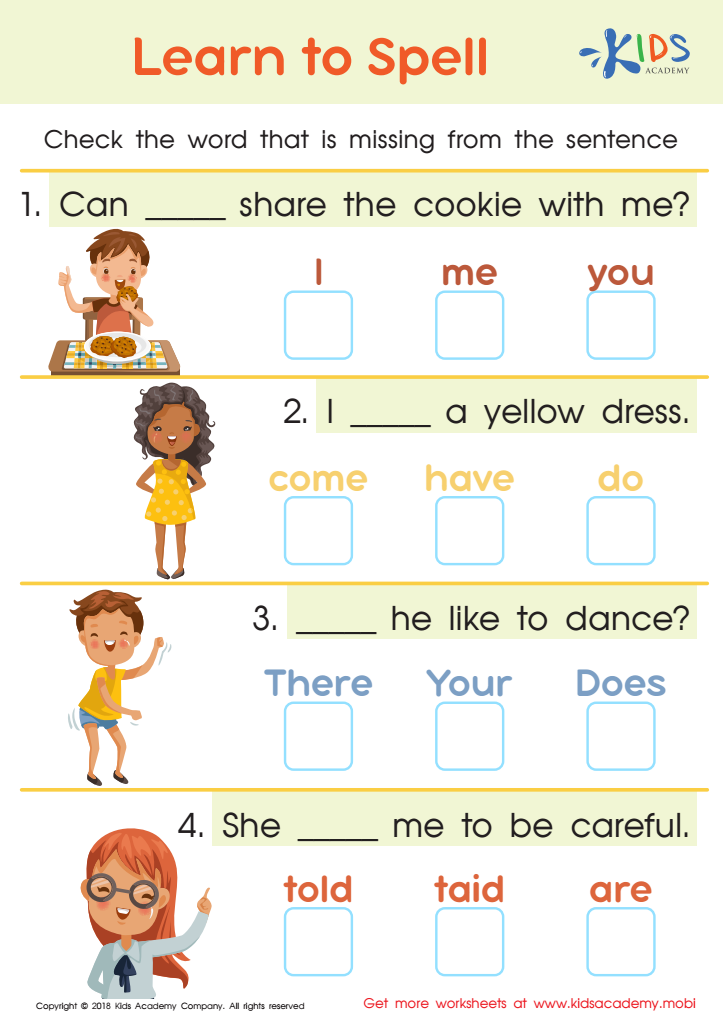
Learn to Spell Worksheet
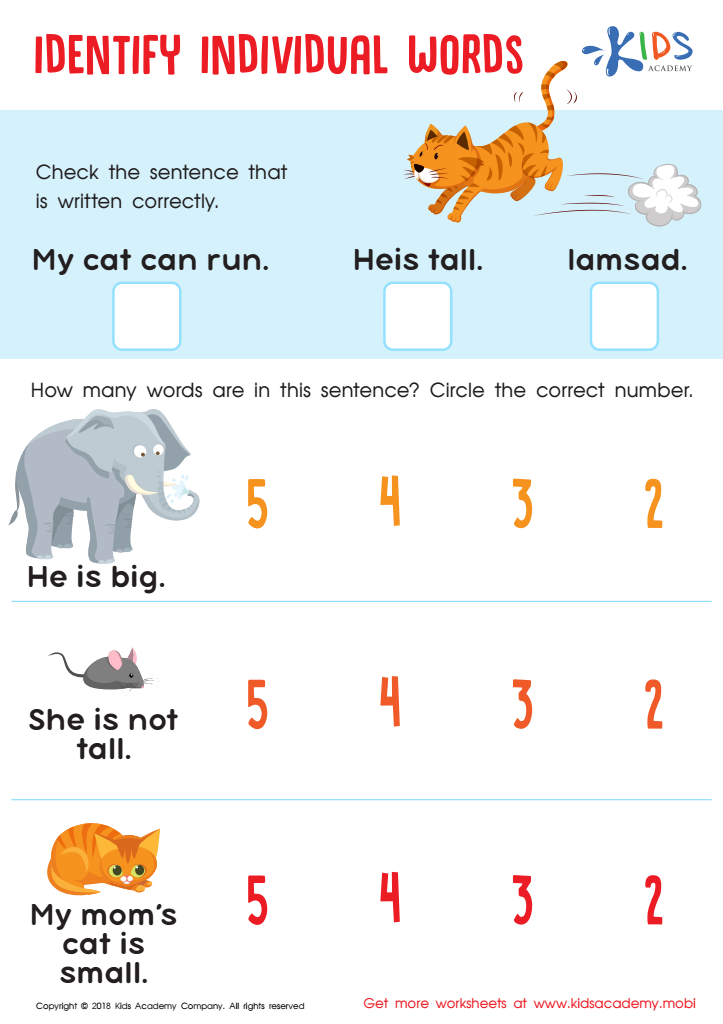
Identify Individual Words Worksheet
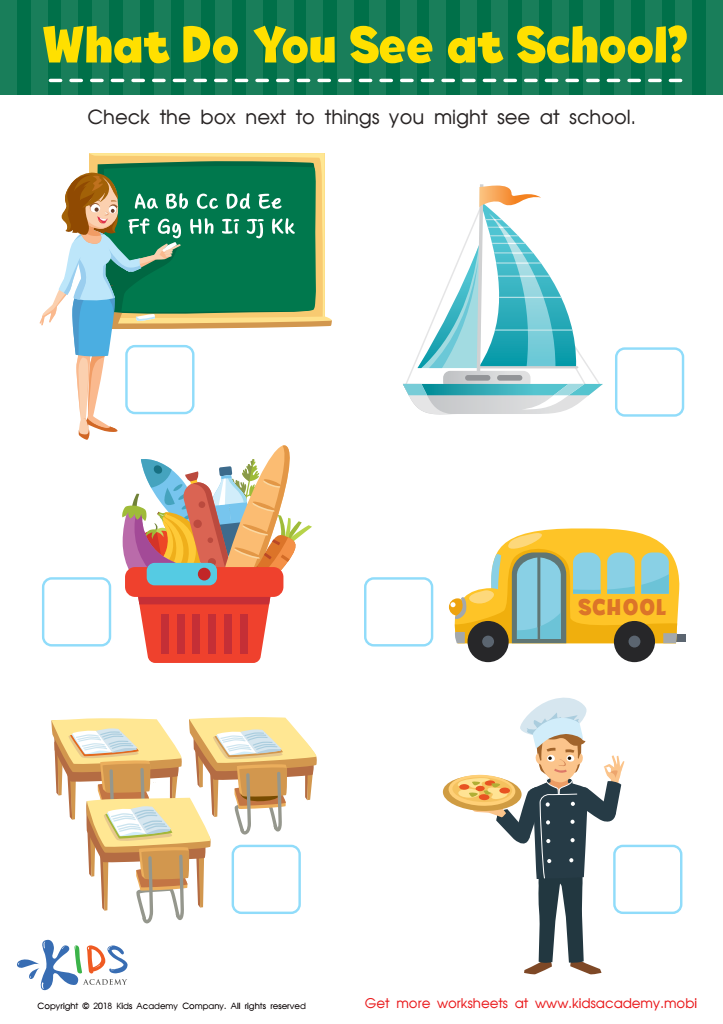
What Do you See at School? Worksheet
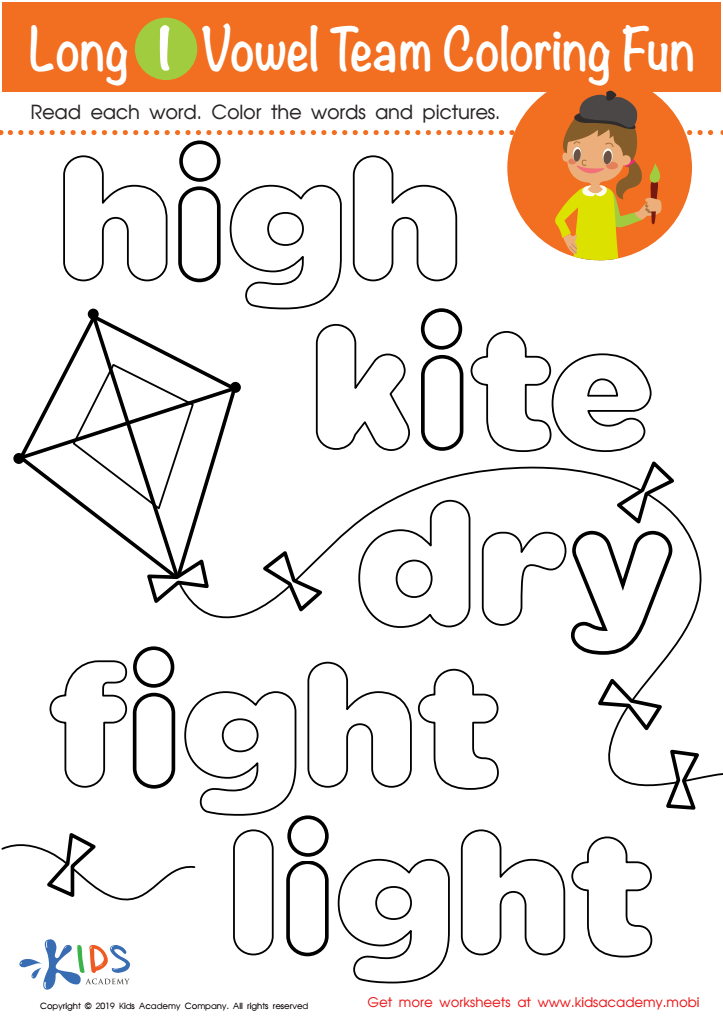
Long I Vowel Team Coloring Worksheet
 Assign to My Students
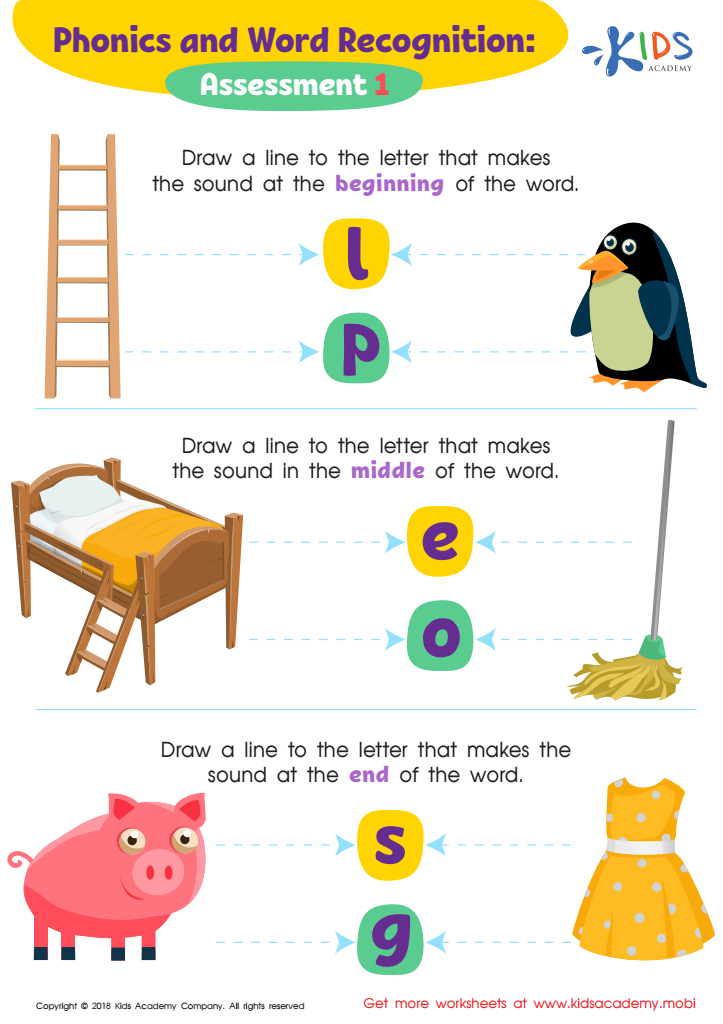
Phonics and Word Recognition: Assessment 1 ELA Worksheet





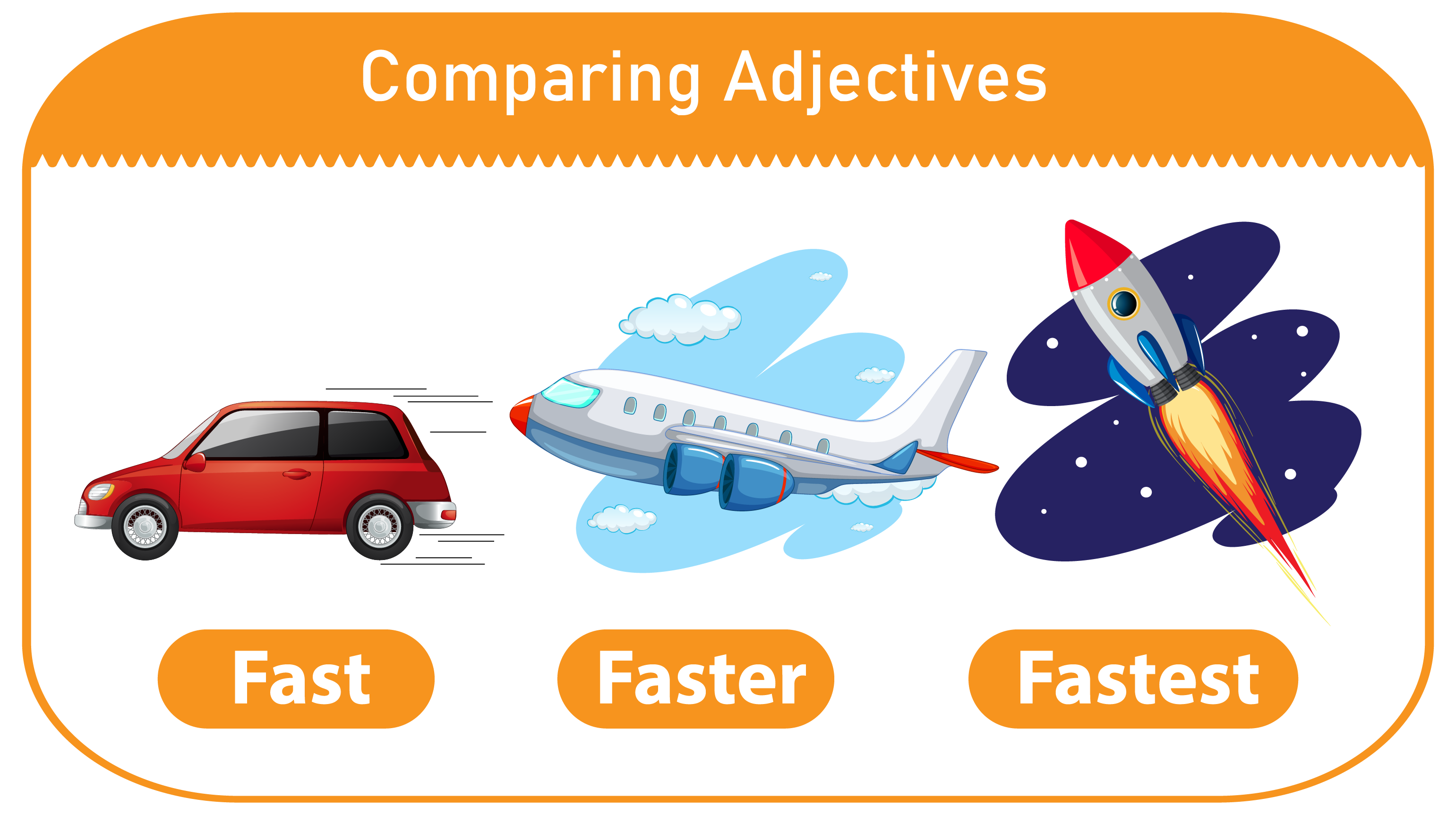

Word identification is crucial for children ages 5-6 as it serves as the foundation for literacy development. During this critical stage, children are beginning to decode words, recognize sight words, and understand the basic rules of phonics. This process is essential not only for reading proficiency but also for overall academic success.
When parents and teachers pay attention to word identification, they promote early reading skills that enhance comprehension and communication. Failure to develop these skills can lead to struggles with reading later on, creating gaps in learning that may be difficult to bridge.
Moreover, proficient word identification fosters a love for reading, encouraging children to explore books and express themselves creatively. Engagement in literacy activities cultivates confidence, nurtures imagination, and supports social-emotional development.
In addition, monitoring a child's progress in word identification allows for timely interventions and tailored support, ensuring that challenges are addressed early on. Ultimately, by prioritizing word identification, parents and teachers equip children with the necessary tools to navigate their academic journeys and inspire a lifelong love for reading and learning.








