Cognitive Development Normal 2D Shapes Worksheets for Ages 5-6
5 filtered results
-
From - To
Our "Cognitive Development Normal 2D Shapes Worksheets for Ages 5-6" are designed to enhance young learners' mathematical skills and cognitive growth. These engaging worksheets help kids recognize and understand various 2D shapes, such as circles, squares, and triangles. Through fun activities, children will improve their problem-solving abilities and spatial awareness, essential for early math proficiency. Our worksheets align with educational standards, ensuring age-appropriate content that supports classroom learning and homeschool environments. Interactive and easy to follow, these resources are perfect for fostering a strong foundation in math while keeping young minds actively engaged. Explore our collection today!
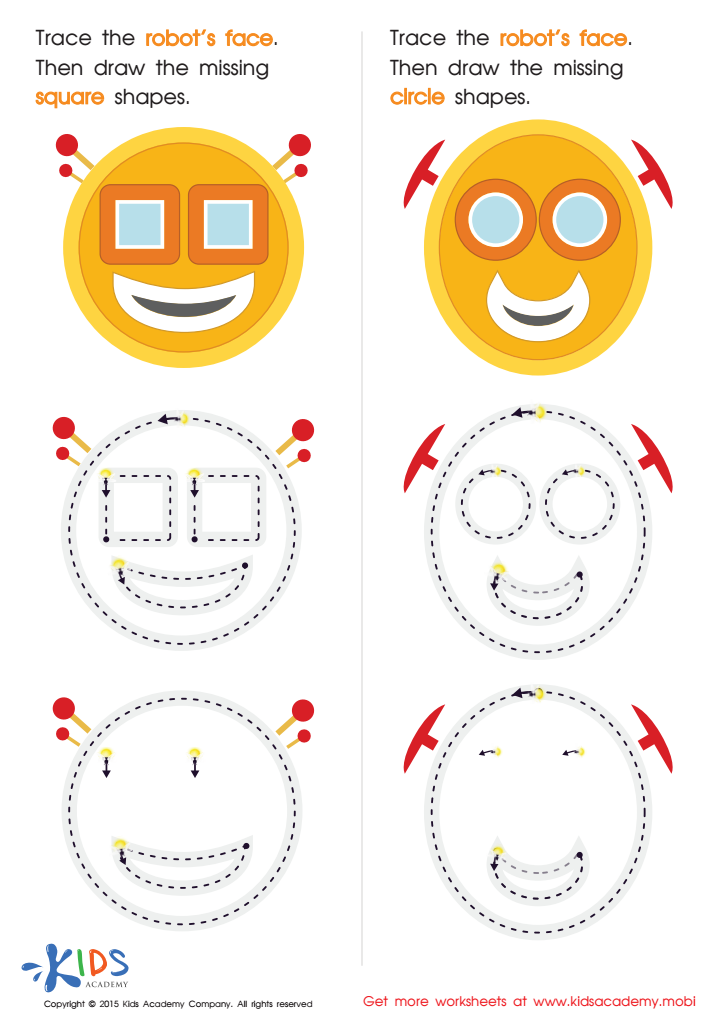
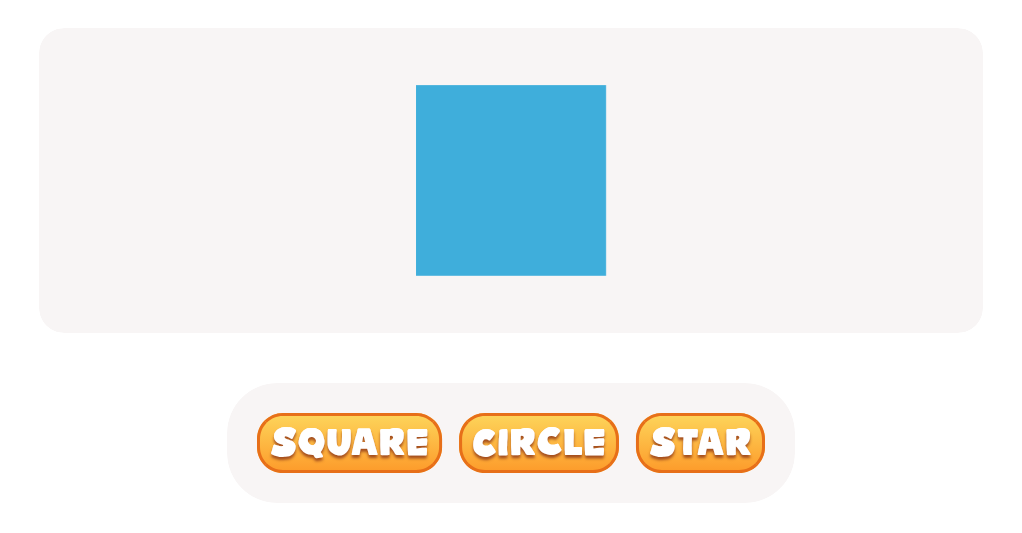
Practicing to Draw Circles And Squares Printable
 Assign to My Students


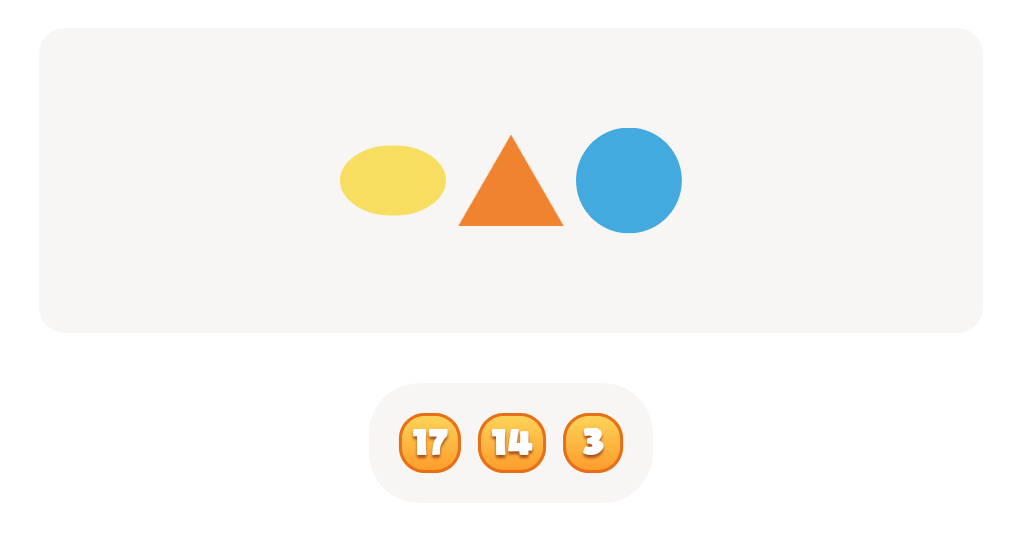
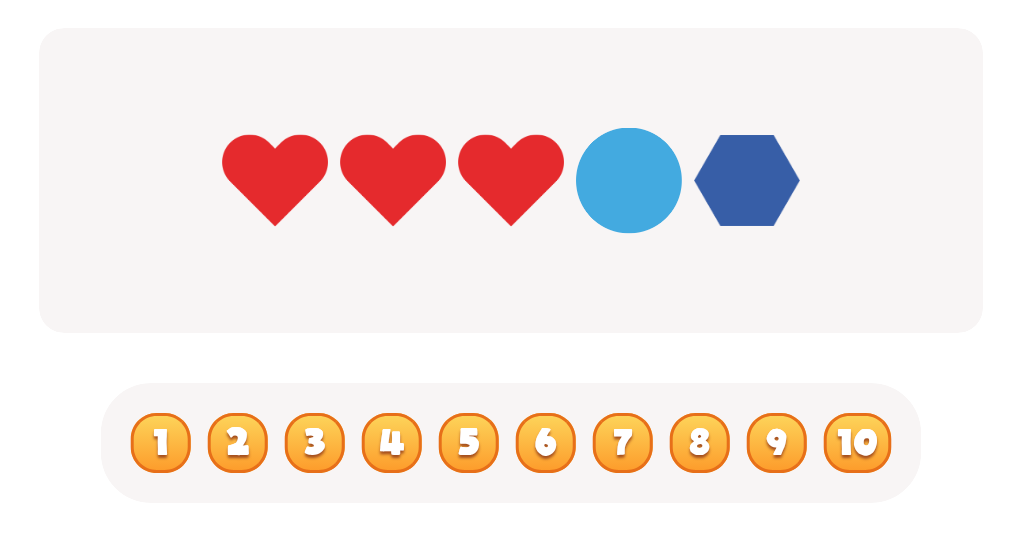
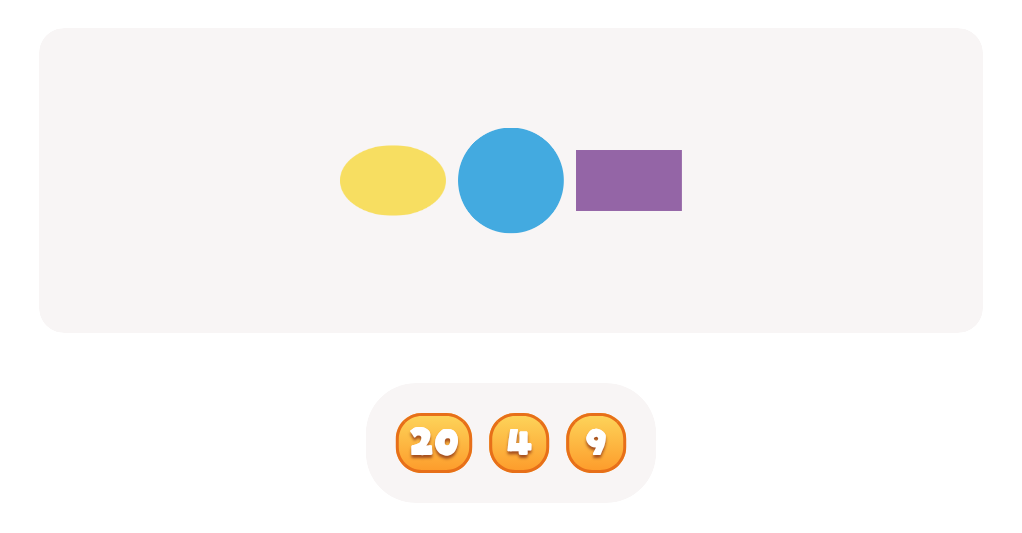
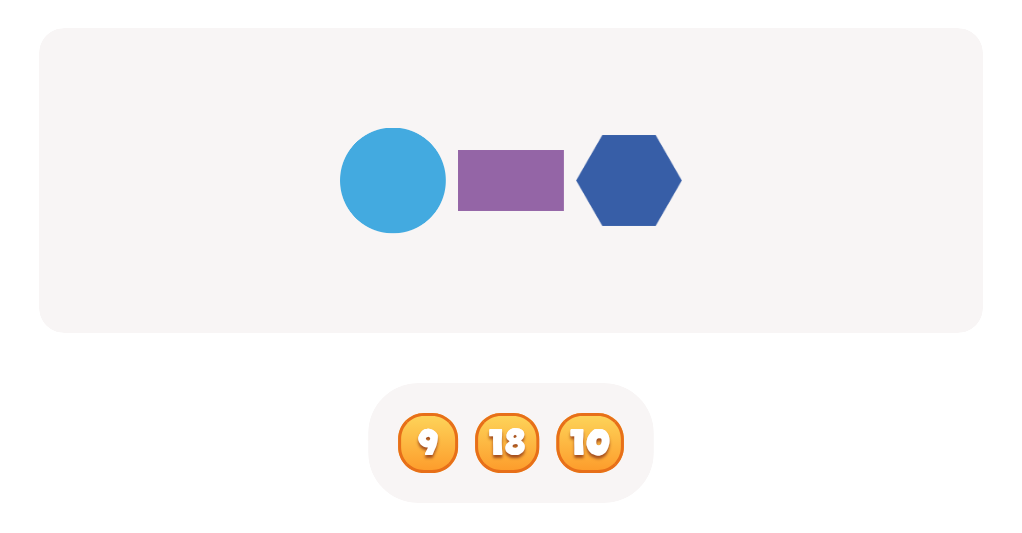
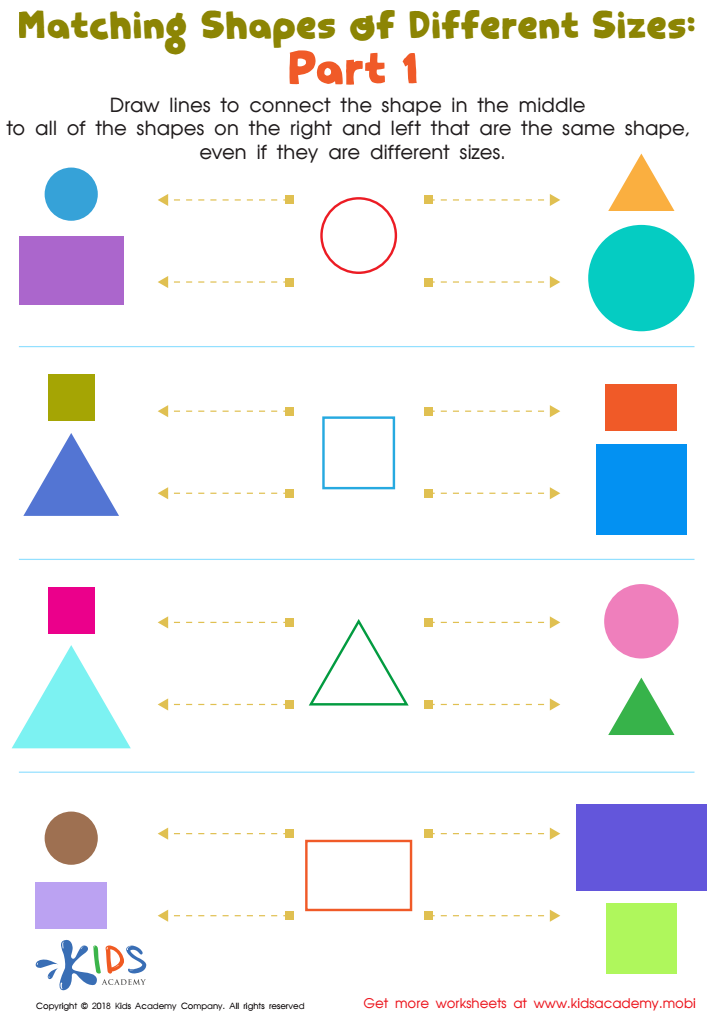
Geometry: part 1 Worksheet
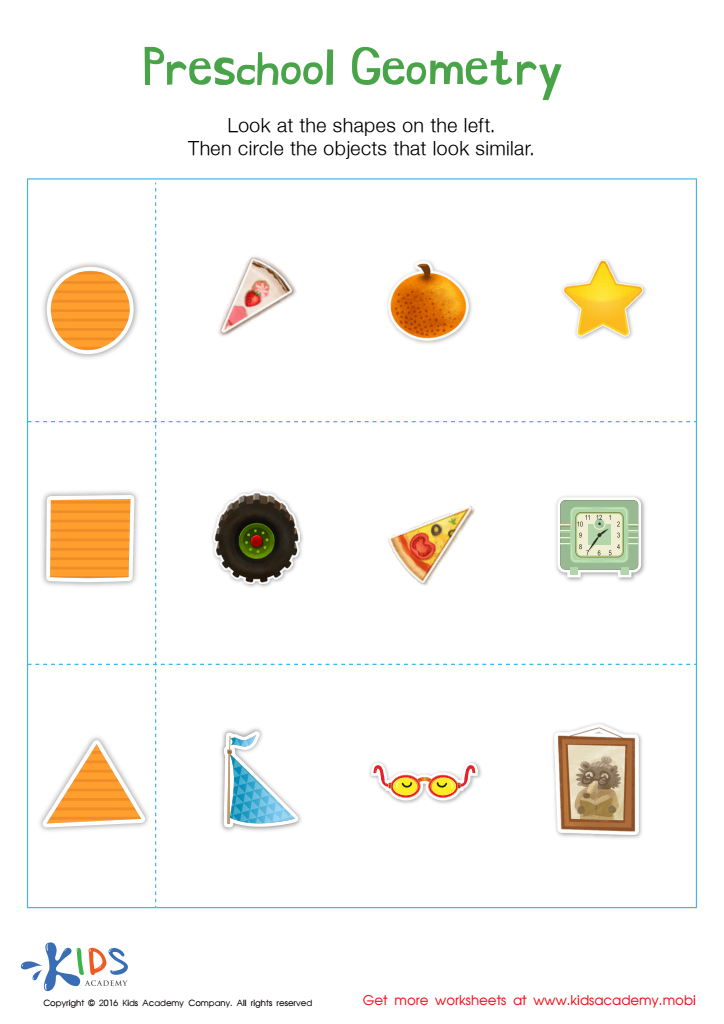
Preschool Geometry Match Up Worksheet
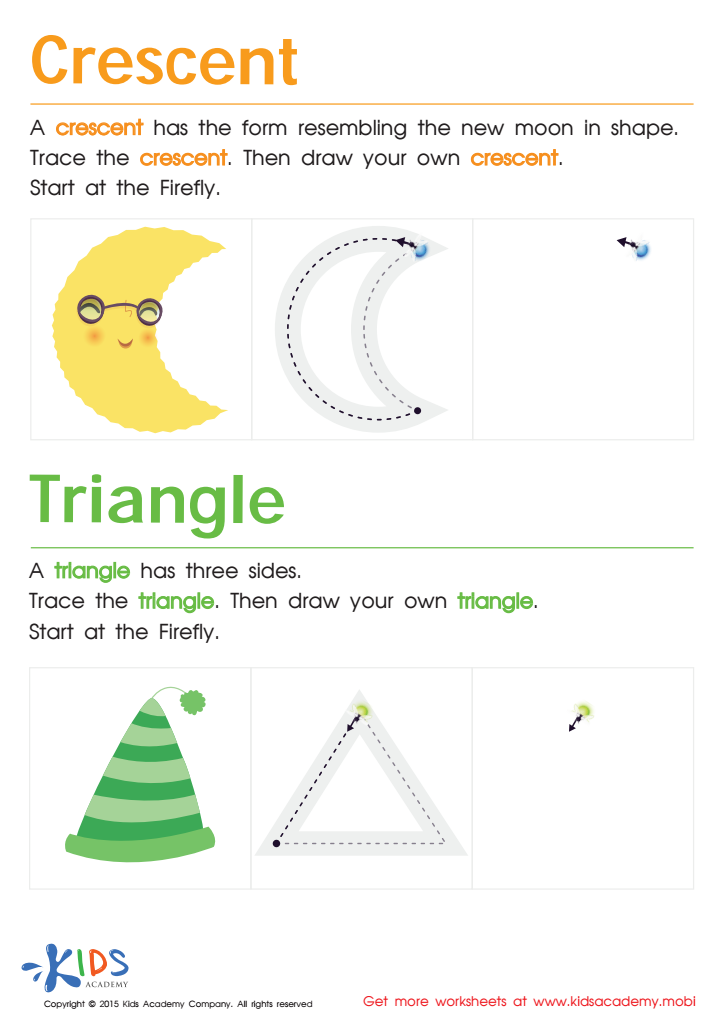
Learning to Draw Crescents And Triangles Worksheet
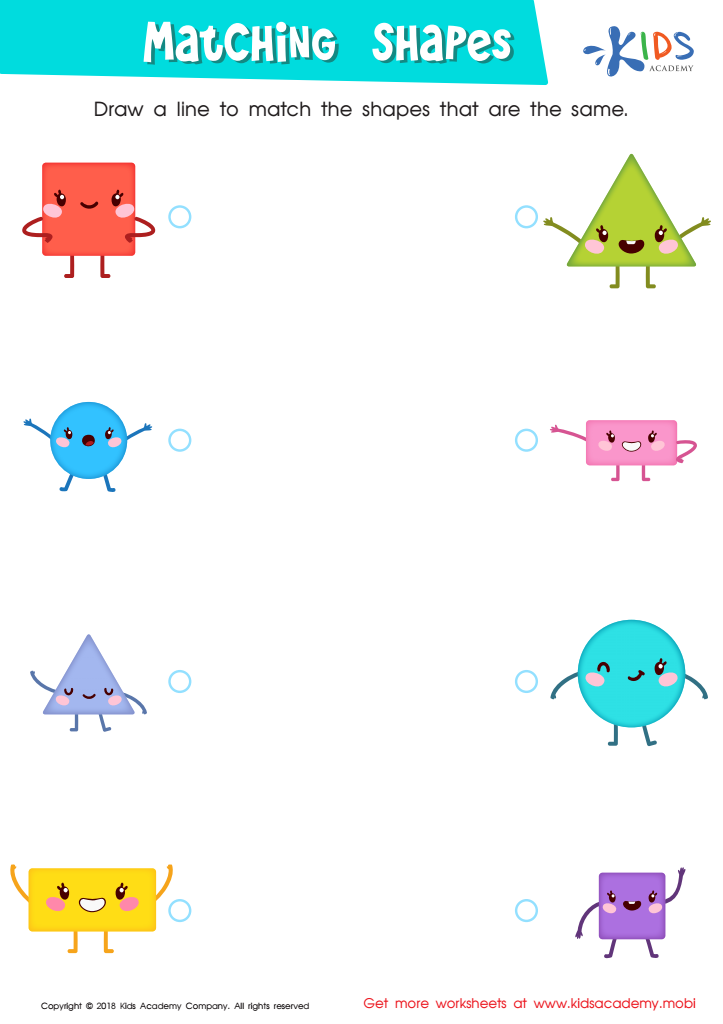
Matching Shapes Worksheet








Cognitive development in children aged 5-6 is crucial as it's a period of rapid intellectual, social, and emotional growth. Understanding and recognizing normal 2D shapes is a foundational aspect of this cognitive development. When children learn about shapes, they aren't just acquiring knowledge about geometry; they are also developing critical thinking, spatial reasoning, and language skills.
For parents and teachers, focusing on 2D shapes helps children build their visual-spatial awareness. This awareness is necessary for understanding many other academic and everyday concepts, such as reading and writing, where recognizing shapes and patterns is fundamental. For instance, distinguishing between letters and numbers involves identifying shapes and their orientations.
Moreover, engaging with shapes encourages problem-solving abilities. When children play with puzzles or sort shapes, they develop the ability to plan, strategize, and execute solutions. This improves their creativity and resilience, which are valuable traits in all areas of learning and life.
Additionally, learning about shapes introduces children to mathematical concepts. Recognizing different shapes lays the groundwork for understanding more complex mathematical ideas in the future, like symmetry, geometry, and even topology.
In essence, integrating 2D shapes into early childhood education helps children develop important cognitive skills that form the basis for future learning, making it a critical focus for parents and teachers.