Reading comprehension Normal 2D Shapes Worksheets for Ages 5-6
4 filtered results
-
From - To
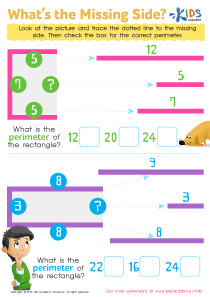
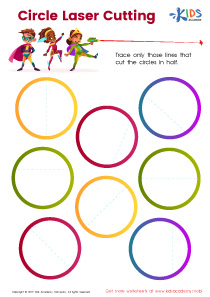
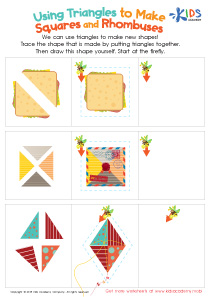
Discover our Reading Comprehension Normal 2D Shapes Worksheets designed for ages 5-6. These engaging worksheets combine early reading skills with shape recognition practice, making learning fun and effective. Each activity helps young learners identify, name, and understand simple 2D shapes such as circles, squares, triangles, and rectangles. Through captivating stories and questions, children enhance their reading comprehension abilities while mastering essential math concepts. Perfect for classrooms or home, our worksheets are crafted to foster critical thinking and support developmental growth in fundamental areas. Empower your child’s learning journey with these comprehensive, educational resources.
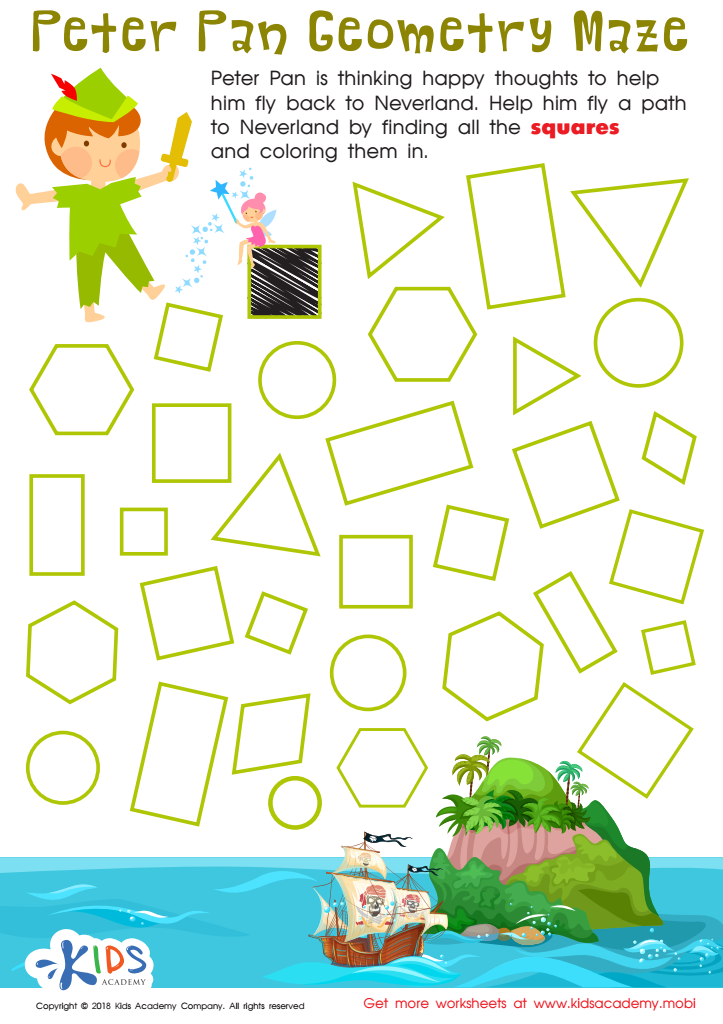
Peter Pan Worksheet
 Assign to My Students











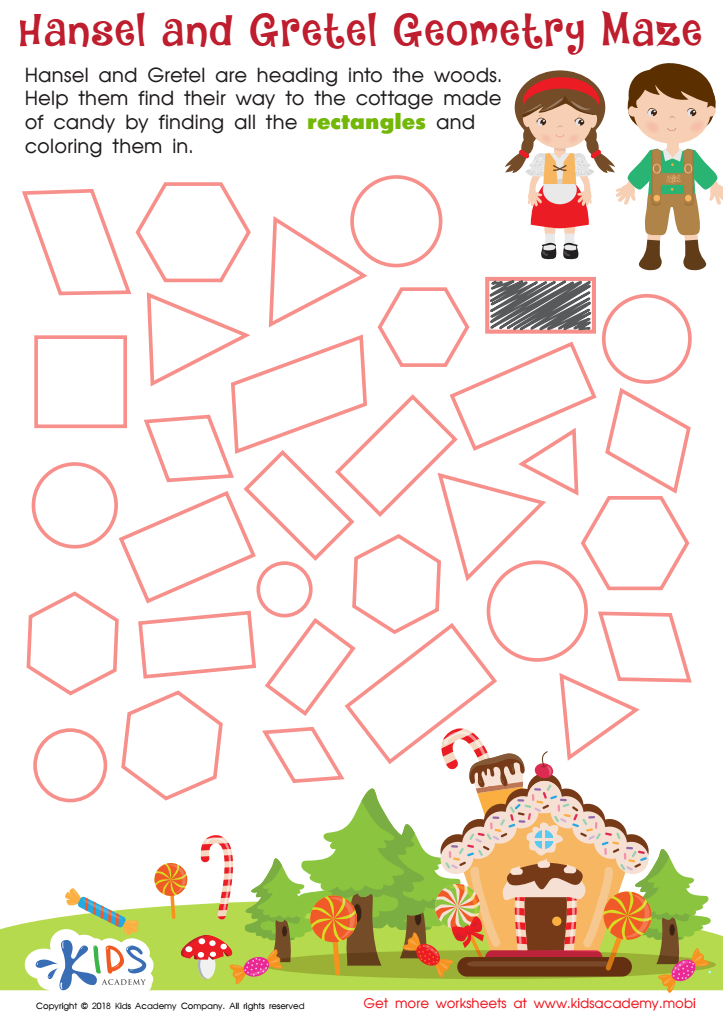
Hansel and Gretel Geometry Maze Worksheet
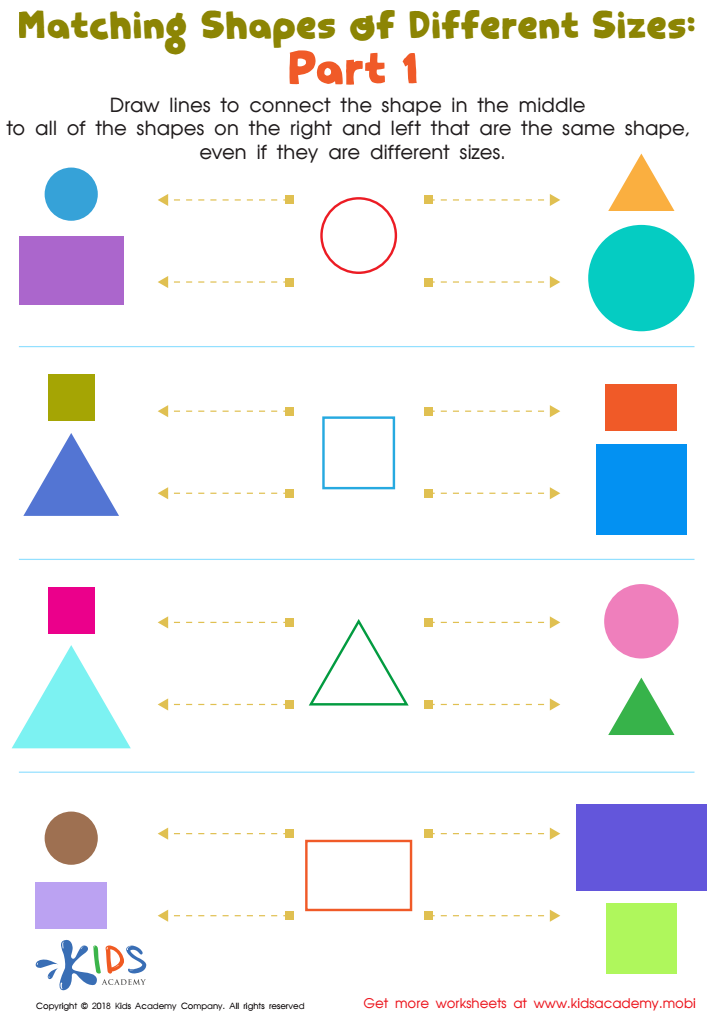
Geometry: part 1 Worksheet
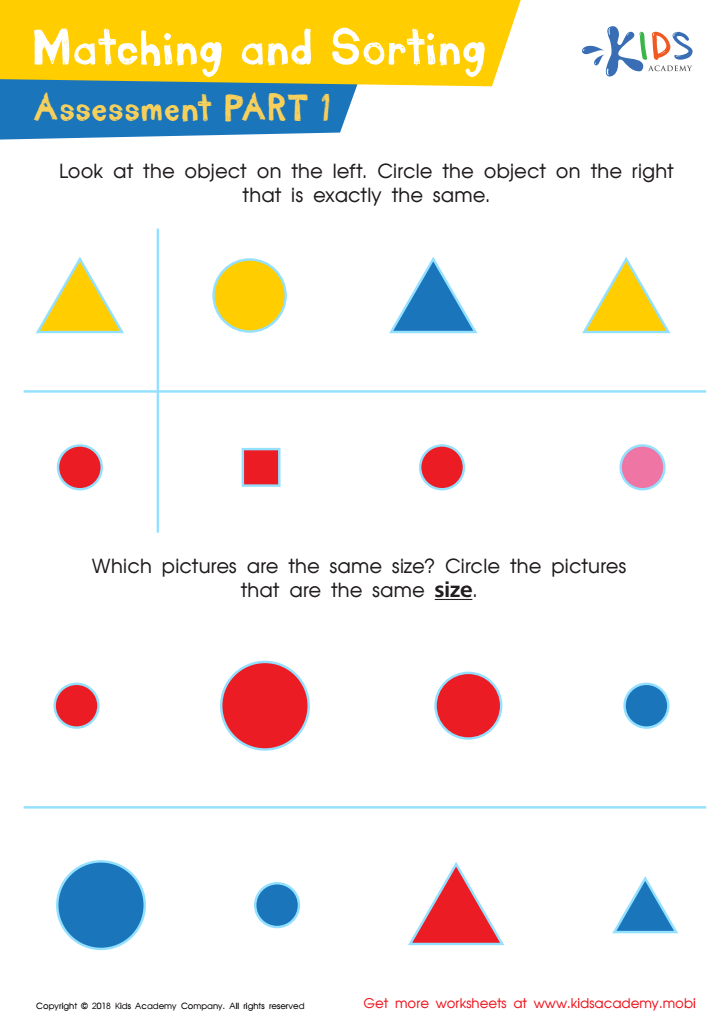
Matching and Sorting for Kindergarten: Assessment 1 Worksheet








Parents and teachers should prioritize reading comprehension and the recognition of normal 2D shapes for children ages 5-6 because these skills form the cornerstone of early education and cognitive development. At this formative age, children's brains are highly receptive to new information, making it an ideal time to establish foundational skills that will benefit their future learning endeavors.
Reading comprehension at this stage is not just about reading words but also understanding and interpreting the meaning behind them. It enhances vocabulary, stimulates imagination, and improves the ability to grasp complex concepts. Comprehension skills also boost communication abilities, enabling children to articulate thoughts more clearly and confidently.
Simultaneously, familiarization with 2D shapes is crucial for developing spatial awareness, basic geometry skills, and problem-solving abilities. Recognizing shapes forms the basis for understanding more complex mathematical concepts in later years. It also plays a role in everyday tasks, such as distinguishing letters and numbers, which are essential for reading and math.
Integrating these skills into everyday learning fosters a well-rounded intellectual capacity and encourages a love for learning from a young age. It prepares kids for more advanced educational challenges, making ongoing learning more enjoyable and less daunting. Therefore, consistent and focused efforts on these skill areas are vital for both immediate academic success and long-term intellectual growth.