Fine Motor Skills Normal Addition Worksheets for Ages 5-6
3 filtered results
-
From - To
Discover our "Fine Motor Skills Normal Addition Worksheets" designed specifically for children ages 5-6! These engaging worksheets enhance early math skills while supporting fine motor development through interactive activities. From tracing numbers to colorful illustrations, each printable worksheet encourages coordination and precision, making learning fun and effective. Ideal for preschool and kindergarten settings, our resources promote number recognition, addition practice, and hand-eye coordination. Support your child’s growth in a playful way, fostering both cognitive and physical abilities. Explore our collection today and watch your little ones thrive as they build a strong foundation in math and fine motor skills!

18 Candles Worksheet
 Assign to My Students
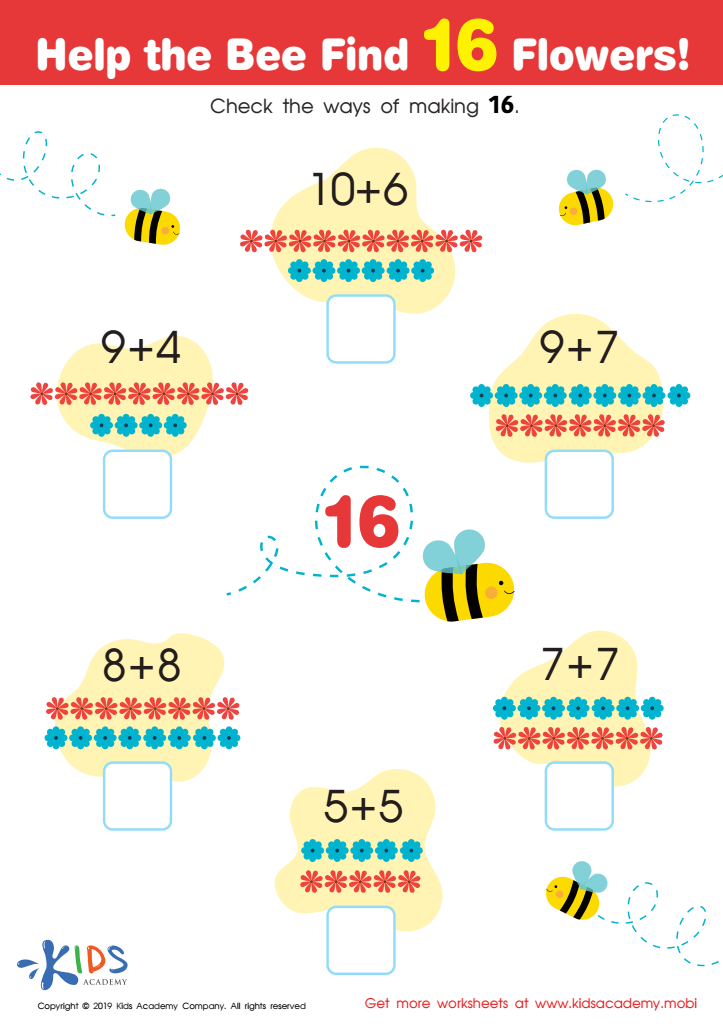
Help the Bee Find 16 Flowers Worksheet
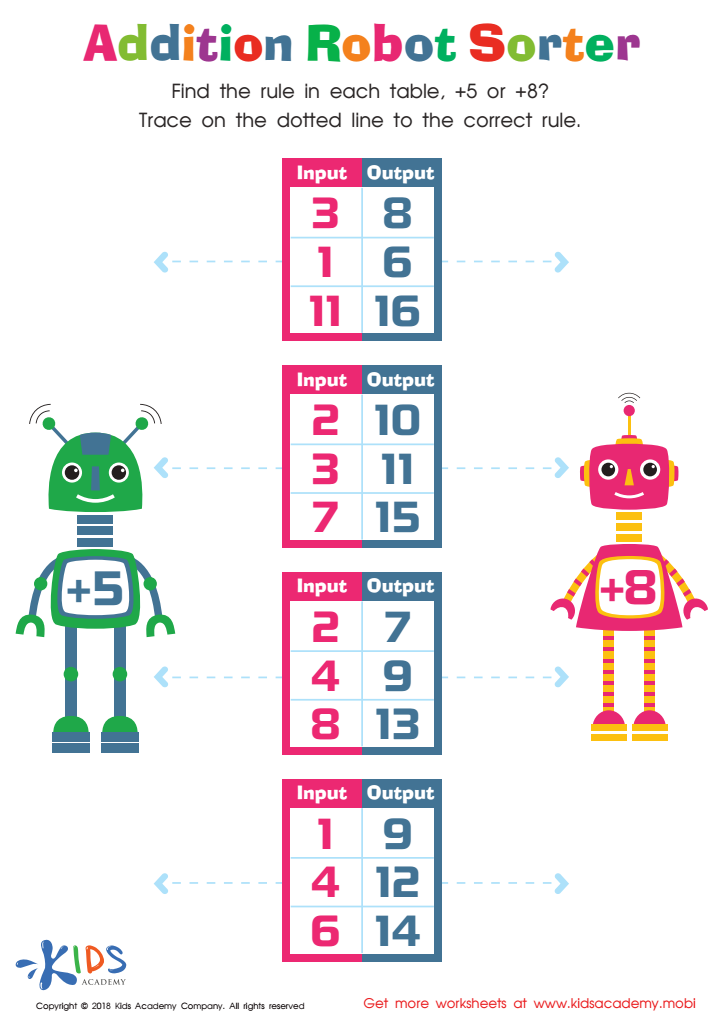
Addition Robot Sorter Worksheet








Fine motor skills are essential for children aged 5-6 as they underpin many daily tasks and academic abilities. During this developmental stage, children's dexterity—the ability to use their hands and fingers skillfully—greatly influences their capacity to perform routine activities like writing, buttoning their clothes, or using scissors. Normal development in fine motor skills during this age not only enhances a child's independence but also boosts their confidence as they master these skills.
Fine motor skills directly affect academic performance, particularly in writing and other arts activities. As children learn to hold crayons and pencils properly, they develop the control necessary for both legibility in writing and creativity in art. Teachers and parents play a crucial role in facilitating practice through engaging activities such as puzzles, crafts, and cutting tasks.
Additionally, the early years are crucial for developing the neural pathways needed for coordination and agility. Strong fine motor skills set the foundation for later tasks in science, technology, and everyday life.
Overall, nurturing fine motor development ensures that children are adequately prepared for the academic and personal challenges they will face as they grow, paving the way for lifelong skills and learning approaches.