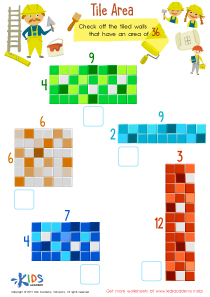
Visual discrimination Normal Matching Worksheets for Ages 5-6
3 filtered results
-
From - To
Introduce young learners, aged 5-6, to our expertly crafted Visual Discrimination Normal Matching Worksheets. These engaging and educational worksheets are designed to enhance critical visual skills essential for academic success. By focusing on the subtle differences and similarities between objects, children improve their attention to detail while having fun. Ideal for classroom or home use, each worksheet encourages cognitive growth and fine motor development through interactive matching activities. Equip your child or students with a vital learning tool that blends play with essential skill-building. Focus on visual discrimination mastery today and support their journey towards lifelong learning success.
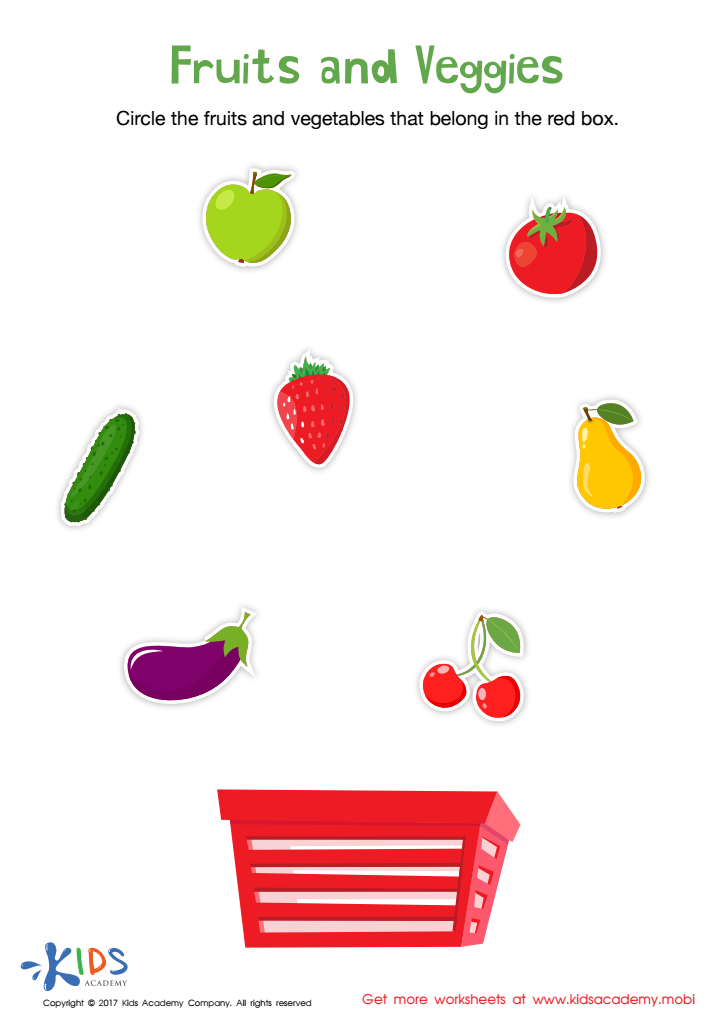
 Assign to My Students
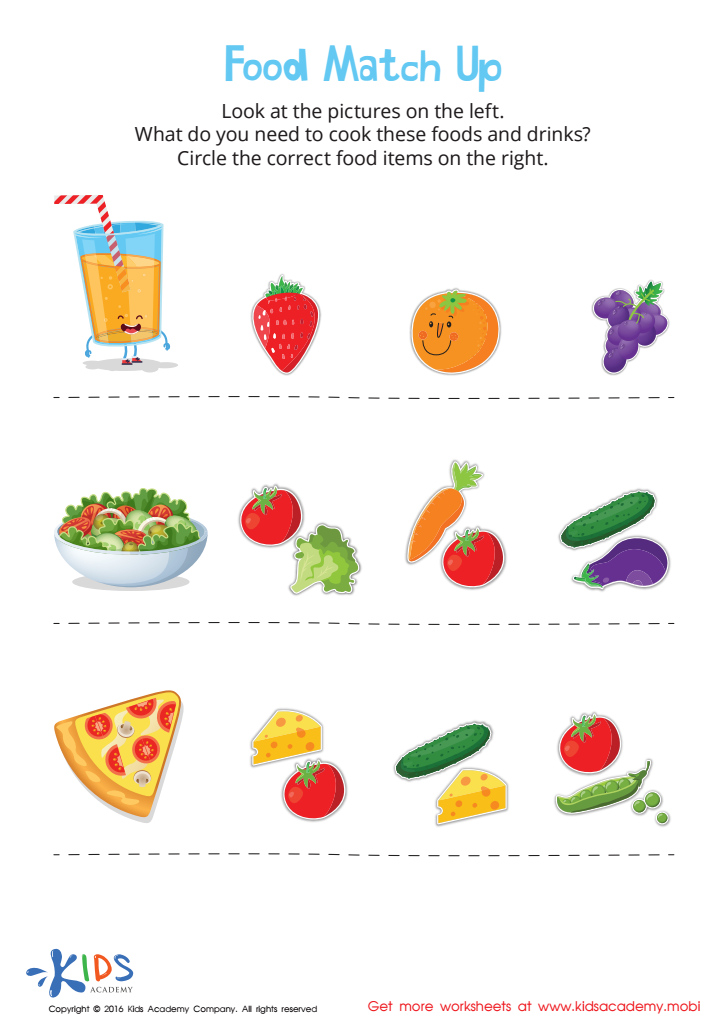
Food Match Up Worksheet
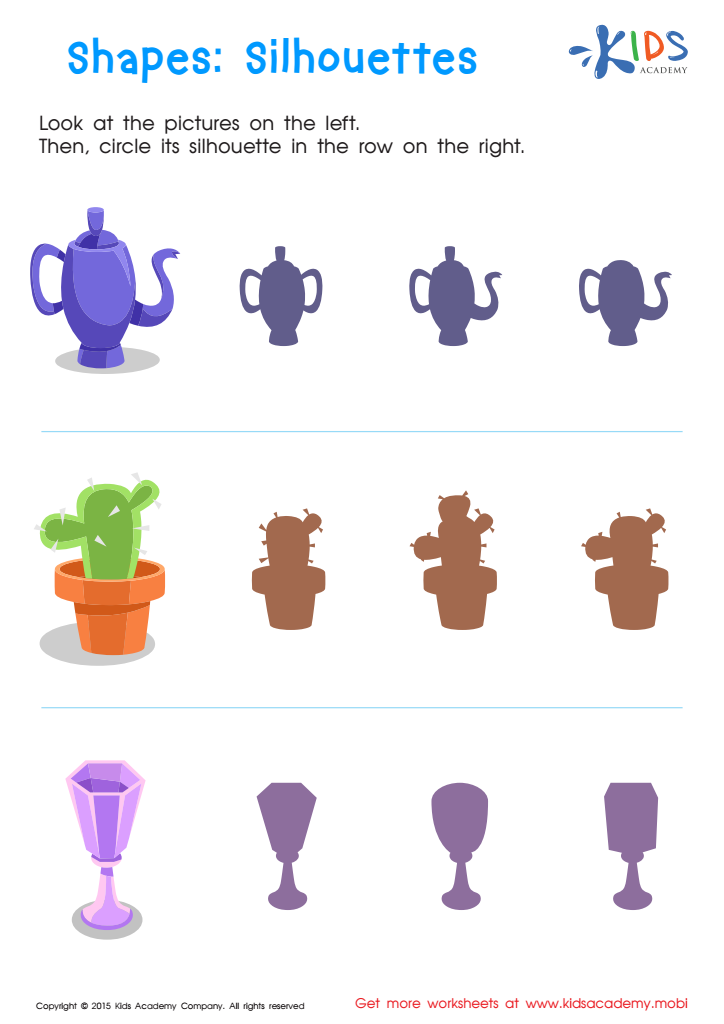
Silhouettes – Shapes Worksheet








Parents and teachers should care about visual discrimination, particularly in normal matching activities, for children aged 5-6 because it forms a critical foundation for future learning and development. Visual discrimination is the ability to recognize differences and similarities among shapes, patterns, letters, and numbers, which is essential for reading, writing, and math skills. During ages 5 to 6, children are honing their pre-reading skills; distinguishing between different letters, such as 'b' and 'd,' is crucial for avoiding future difficulties in literacy.
Matching activities specifically help in reinforcing these skills by engaging children in identifying pairs, understanding shapes, and recognizing relationships between objects. These exercises enhance their attention to detail and improve memory and concentration. As children repeatedly practice matching, they grow more adept at spotting finer details, which translates into better comprehension and problem-solving abilities.
Additionally, visual discrimination influences more than just academic skills. It impacts daily tasks such as recognizing faces, navigating the environment, and participating in games and activities that require coordination and spatial awareness. By focusing on visual discrimination in early childhood, parents and teachers can ensure that children develop the necessary perceptual skills to excel in various aspects of their personal and academic lives, setting a strong basis for future educational success.