Sentence construction Normal Building Vocabulary Worksheets for Ages 5-6
4 filtered results
-
From - To
Enhance your child’s language skills with our engaging Sentence Construction Normal Building Vocabulary Worksheets, specifically designed for ages 5-6. These worksheets provide fun and interactive activities that help young learners build essential vocabulary while practicing sentence formation. Each worksheet encourages creativity and critical thinking as children explore sentence structure through colorful visuals and relatable scenarios. Whether at home or in the classroom, these resources promote literacy development by inviting children to express themselves effectively. Perfect for early grade teachers and parents alike, our worksheets make learning enjoyable, laid-back, and effective—ensuring your little one gains confidence in their reading and writing abilities!
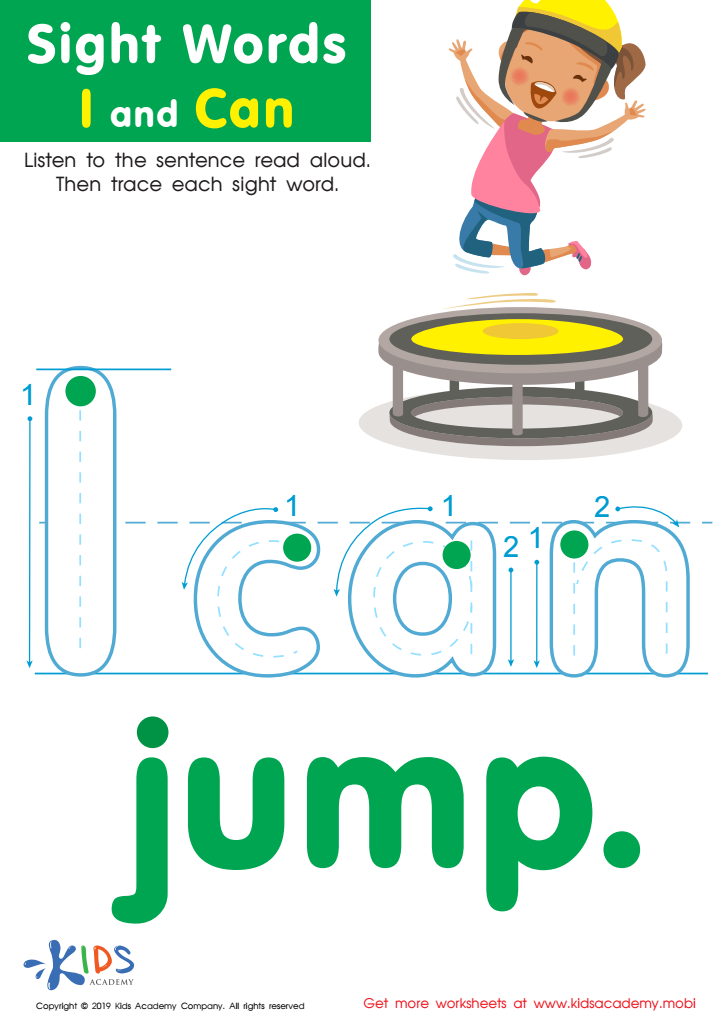
Sight Words I Can Worksheet
 Assign to My Students











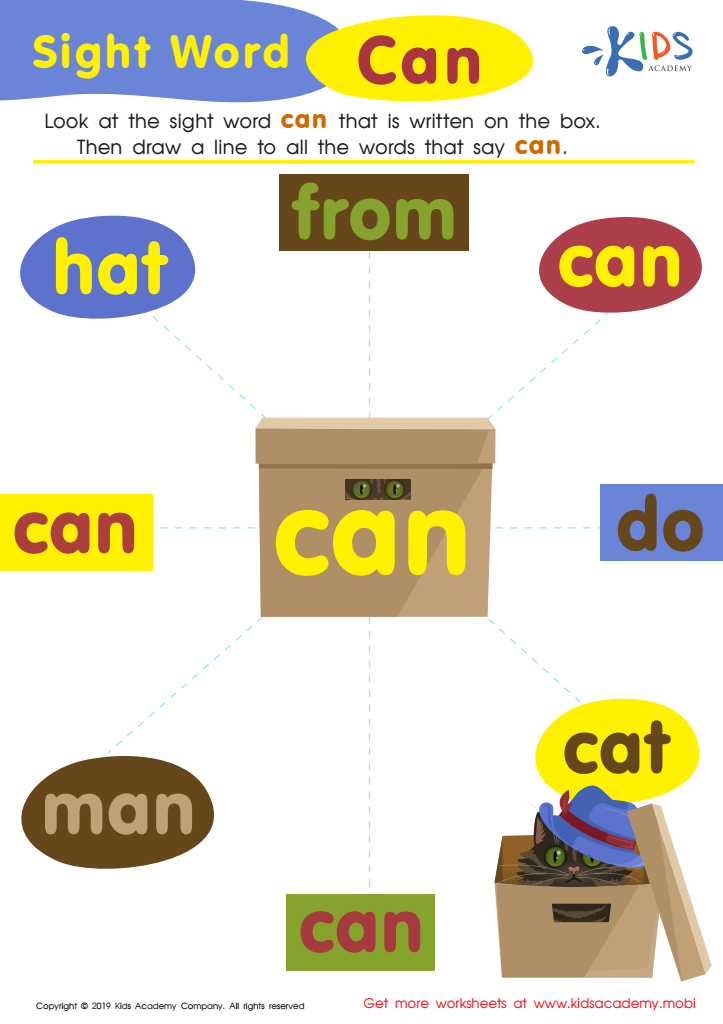
Sight Word Can Worksheet
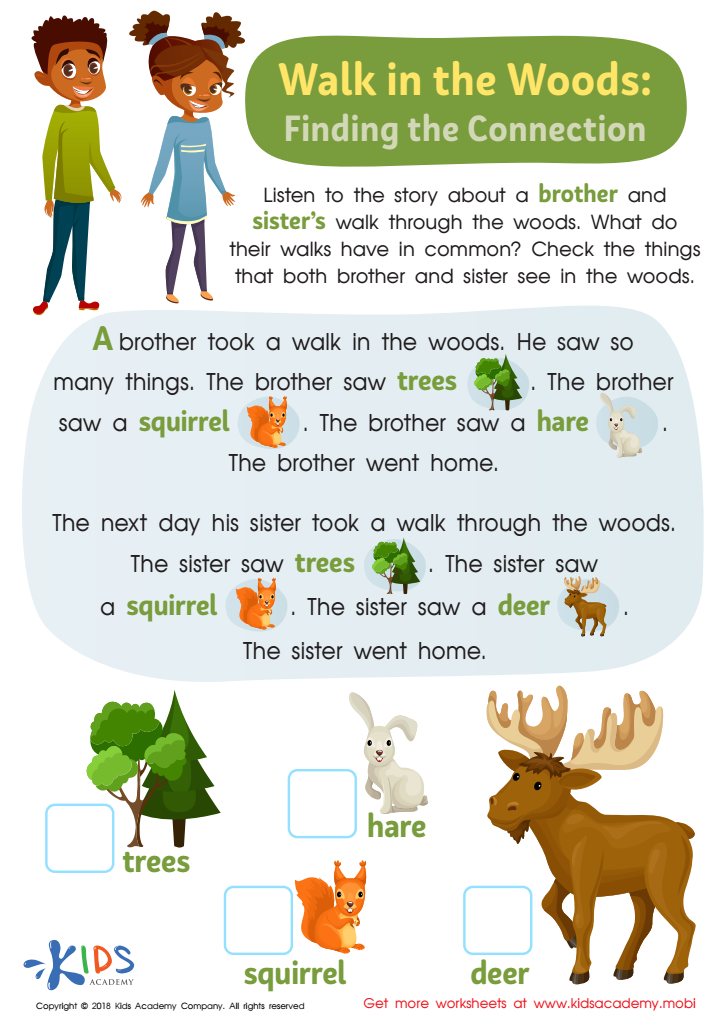
Walk In the Woods: Finding Connections Worksheet
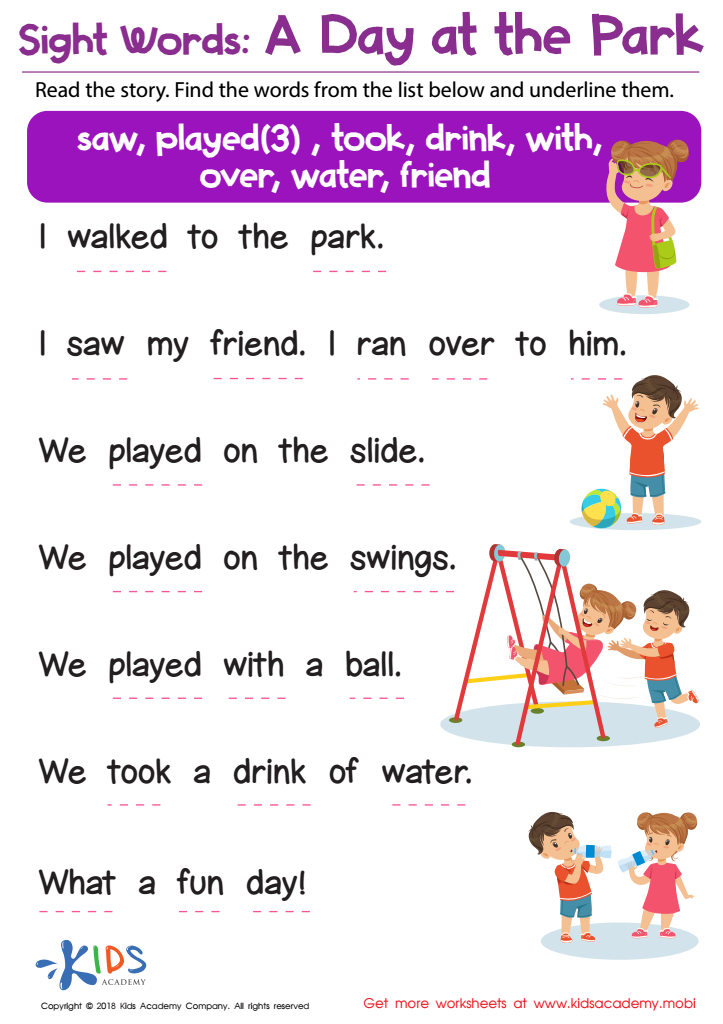
Sight Words: A Day at the Park Worksheet


.jpg)




Sentence construction and vocabulary building are crucial elements of early childhood education, especially for children aged 5-6. At this stage, children are developing foundational language skills that will serve as the basis for their future communication, reading, and writing abilities. A strong vocabulary enhances their ability to express thoughts, ask questions, and share experiences, which promotes self-confidence and social interaction.
Effective sentence construction helps children understand how words come together to convey meaning, fostering their ability to create clear and coherent messages. When children experiment with sentence structures, they learn to think critically about language, enabling them to improve their articulation while also grasping different contexts.
Parents and teachers play a vital role in this development. Engaging children in conversations, reading together, and encouraging storytelling can significantly enrich their vocabulary and understanding of sentence structure. Moreover, by modeling proper grammar and varied sentence patterns, adults can showcase the beauty and richness of language.
Investing time in building these skills not only enhances academic success but also prepares children for meaningful interactions in the broader world, enriching their educational and emotional journeys. Prioritizing vocabulary and sentence construction empowers children to communicate effectively, paving the way for lifelong learning.








