Fine Motor Skills Normal Reading Comprehension Worksheets for Ages 5-6
3 filtered results
-
From - To
Enhance your child's learning experience with our Fine Motor Skills Normal Reading Comprehension Worksheets, specifically designed for ages 5-6. These engaging worksheets seamlessly combine reading comprehension exercises with fine motor skill activities, providing a fun way to develop essential skills. As children practice reading, they will also work on important tasks such as tracing, cutting, and coloring, strengthening their hand-eye coordination and dexterity. Ideal for early learners, these worksheets encourage independent work and critical thinking, setting a solid foundation for future academic success. Explore our collection today to nurture your child's reading skills while promoting fine motor development!

Twinkle Twinkle Little Star Coloring Page
 Assign to My Students
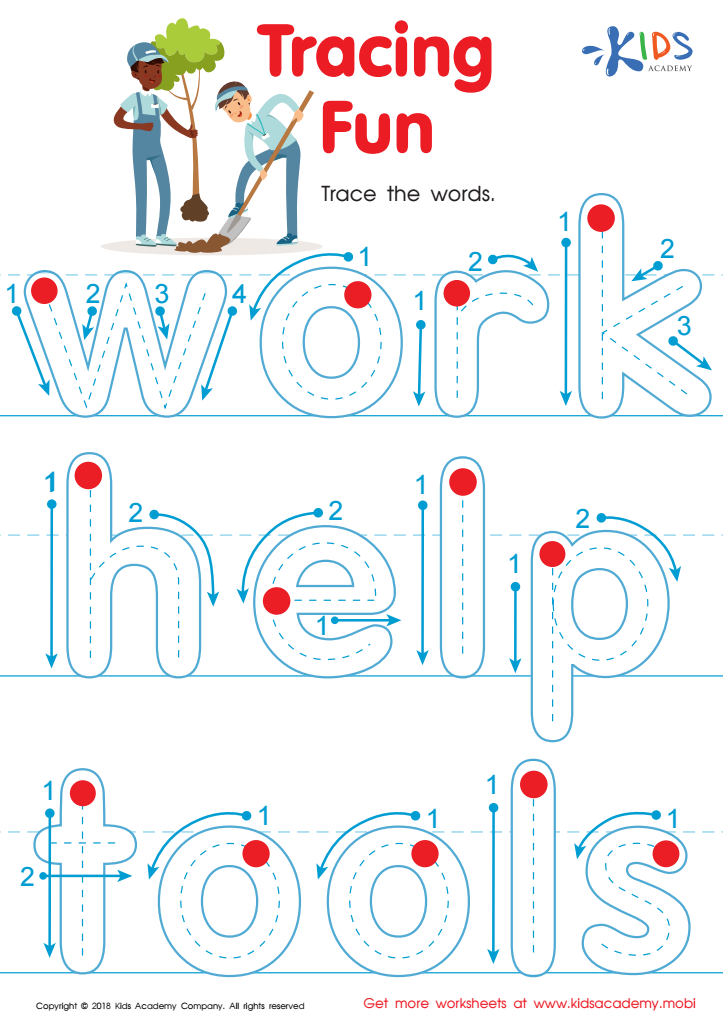
Tracing Fun Worksheet
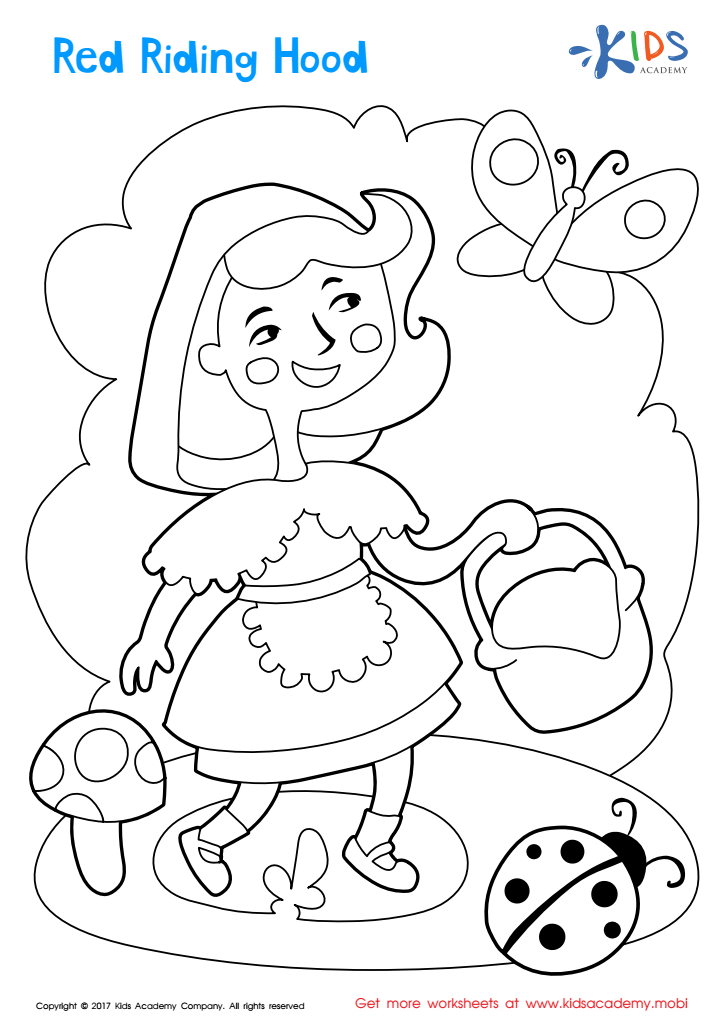
Red Riding Hood Coloring Page
Assign to My Students







Fine motor skills and reading comprehension are vital aspects of early childhood development, and both are crucial for children aged 5-6. Parents and teachers should prioritize these skills as they form the foundation for future learning and everyday activities.
Fine motor skills involve the coordination of small muscles in the hands and fingers, facilitating tasks like writing, drawing, and performing everyday chores. A child’s ability to grasp a pencil or manipulate small objects impacts their readiness for school tasks and can influence their self-esteem and confidence in the classroom. Engaging children in activities such as cutting, threading, and coloring helps to enhance these skills.
Reading comprehension, on the other hand, is essential for effective learning. At ages 5-6, children begin to develop phonemic awareness and understand basic texts. A solid foundation in reading comprehension promotes a love for reading, enhances vocabulary, and fosters critical thinking skills.
By nurturing both fine motor skills and reading comprehension, parents and teachers can support holistic development, ensuring that children build the essential competencies they need for academic success and lifelong learning. Emphasizing these skills encourages independent problem solving and self-expression, ultimately leading children to become proficient and engaged learners.








