Filters

7 filtered results

Clear all filters
Favorites
With answer key
Interactive

7 filtered results

Difficulty Level

Grade


Enhance your child's vocabulary with our engaging Vocabulary Building Normal Reading Fiction Worksheets designed specifically for ages 5-6. These worksheets combine enjoyment and education, featuring relatable stories that captivate young minds while promoting essential language skills. Each activity encourages children to identify, understand, and use new words in context, fostering confidence in their reading abilities. Perfect for teachers and parents, these printable resources seamlessly integrate into the classroom or home learning routines. Invite your little ones to explore diverse themes and spark their imaginations as they embark on a journey of language discovery and early literacy development!

Check out this FREE Trial Lesson on Reading Fiction for age 5-6!

Mystery and Fantasy Stories

Favorites
With answer key
Interactive
  • 5-6
  • Vocabulary Building
  • Reading Fiction
  • Normal
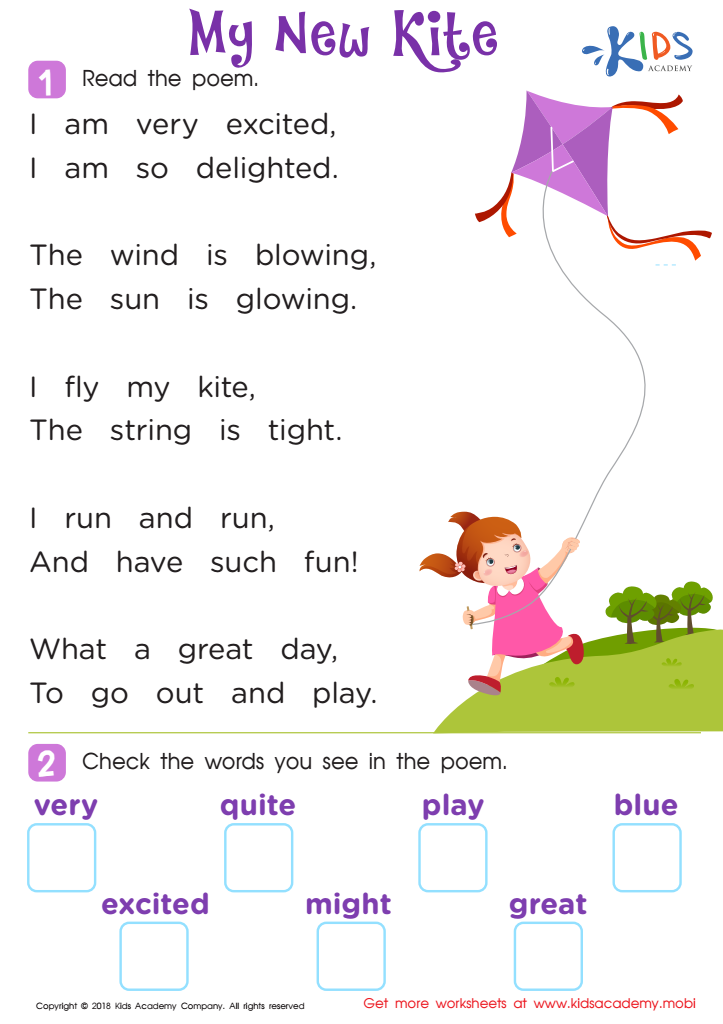
Poem: My New Kite Worksheet

Poem: My New Kite Worksheet

Read a cheerful poem with your child and have them check the boxes next to the words that appear. Then, ask them to identify rhyming words, noting that these won't appear at the bottom of the page. This is a delightful reading activity to help your child remember what they read.
Poem: My New Kite Worksheet
Worksheet
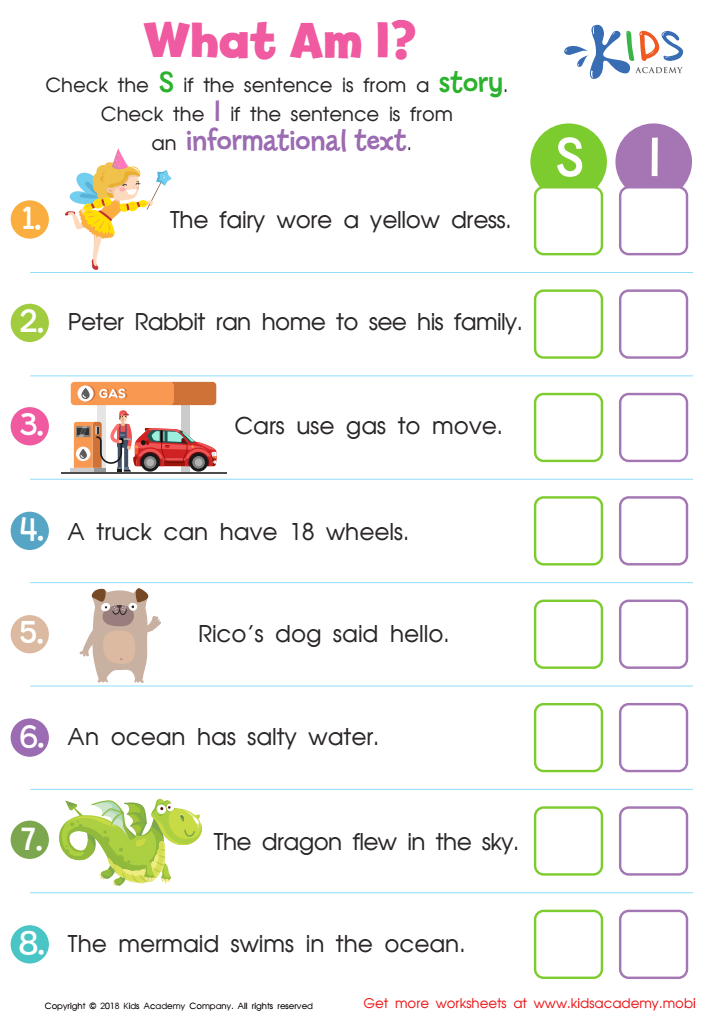
What Am I? Worksheet

What Am I? Worksheet

This worksheet assesses students' ability to differentiate between stories and texts they read for facts. Students learn to distinguish between reading for pleasure and reading for information. It includes statements from both a story and an informational text, and students must decide what type of text it is.
What Am I? Worksheet
Worksheet
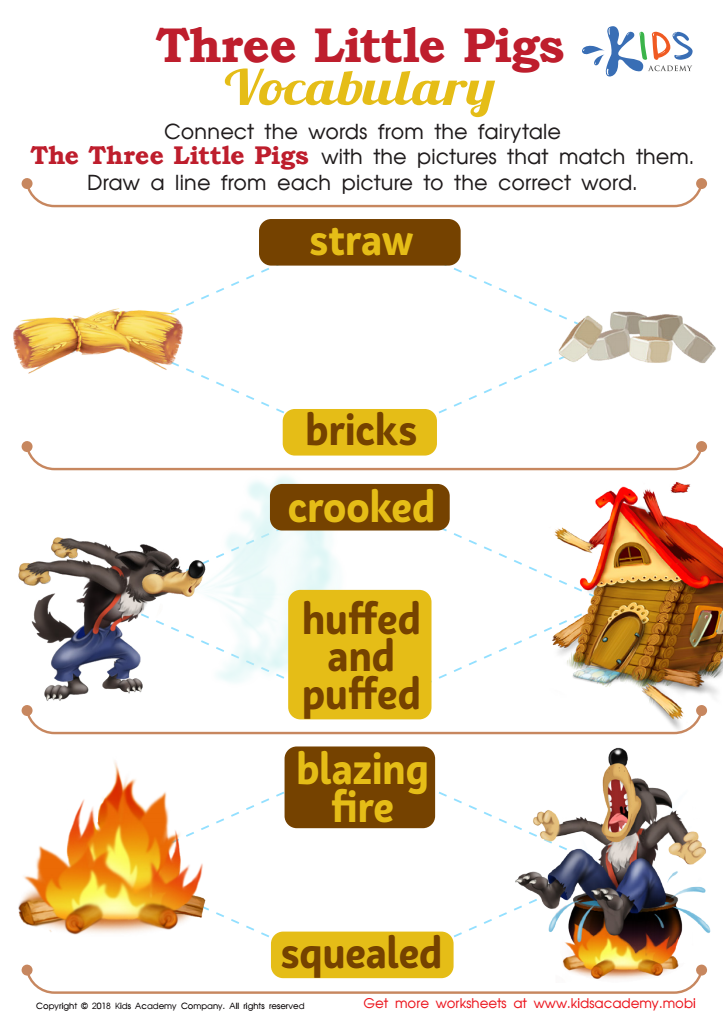
Three Little Pigs Vocabulary Worksheet

Three Little Pigs Vocabulary Worksheet

Read the Three Little Pigs to your children. Have them use the tracing sheet to connect the story words with the pictures. This is a fun and educational way to help them build their vocabulary.
Three Little Pigs Vocabulary Worksheet
Worksheet
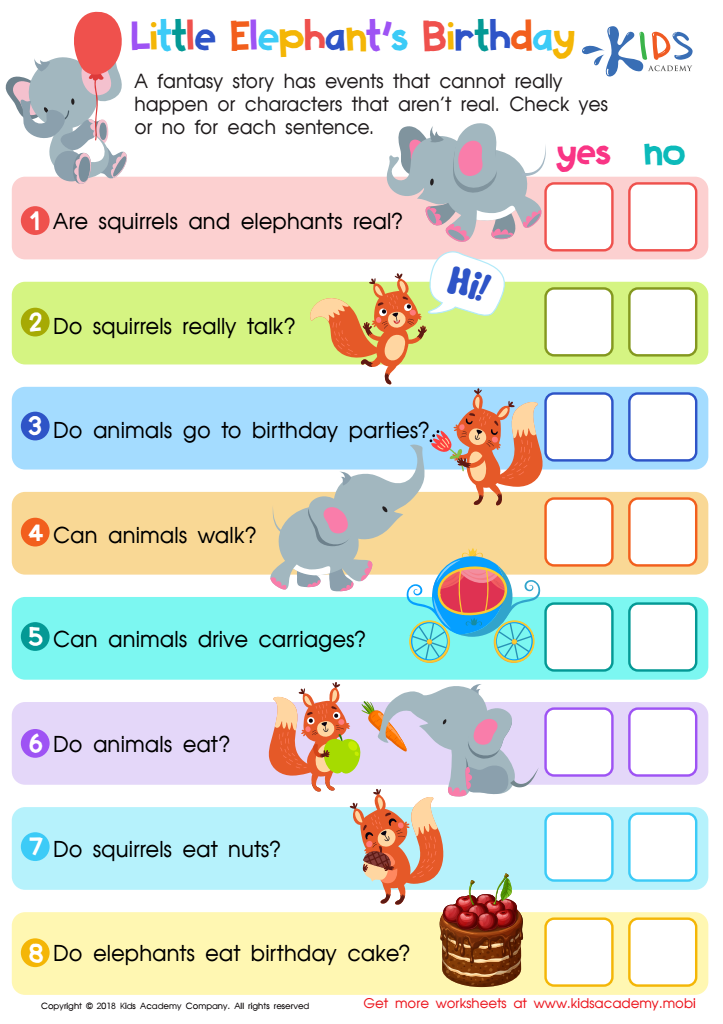
Little Elephant's Birthday Worksheet

Little Elephant's Birthday Worksheet

It's Little Elephant's birthday! Help your students celebrate with this fun worksheet full of colors and pictures. Deciding which questions are facts and which are fiction will help them differentiate between fantasy stories and reality. Let them have fun learning why certain elements of fantasy can't be true!
Little Elephant's Birthday Worksheet
Worksheet
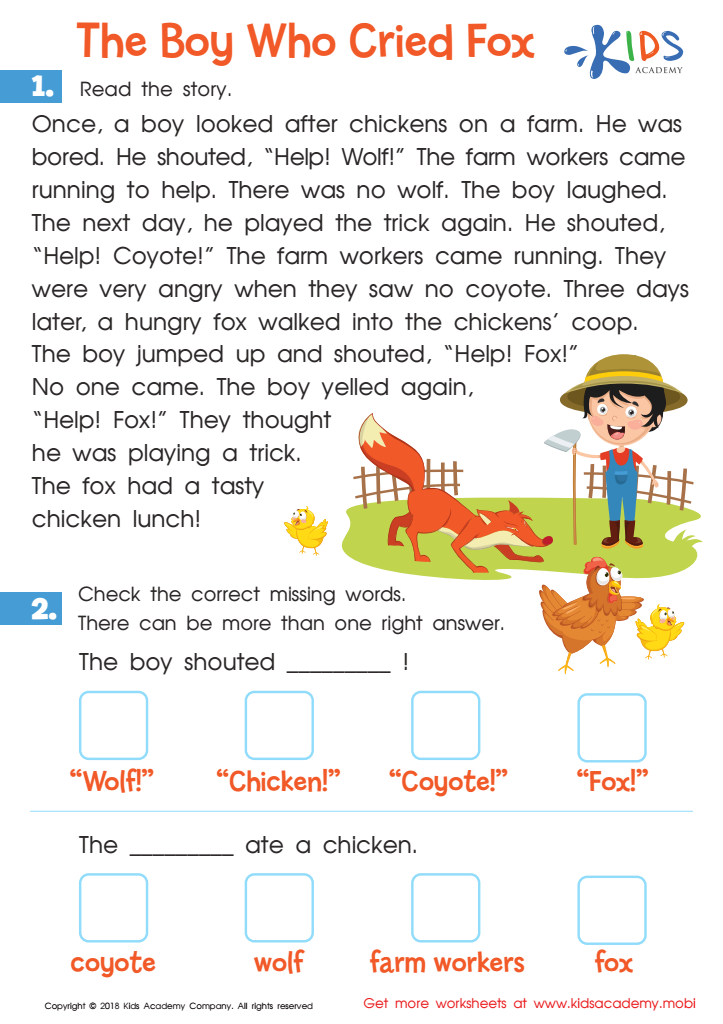
The Boy Who Cried Fox Worksheet

The Boy Who Cried Fox Worksheet

This worksheet encourages students to recall details from a story and answer questions to test their comprehension. Perfect for reading lessons, enrichment, or extra help.
The Boy Who Cried Fox Worksheet
Worksheet
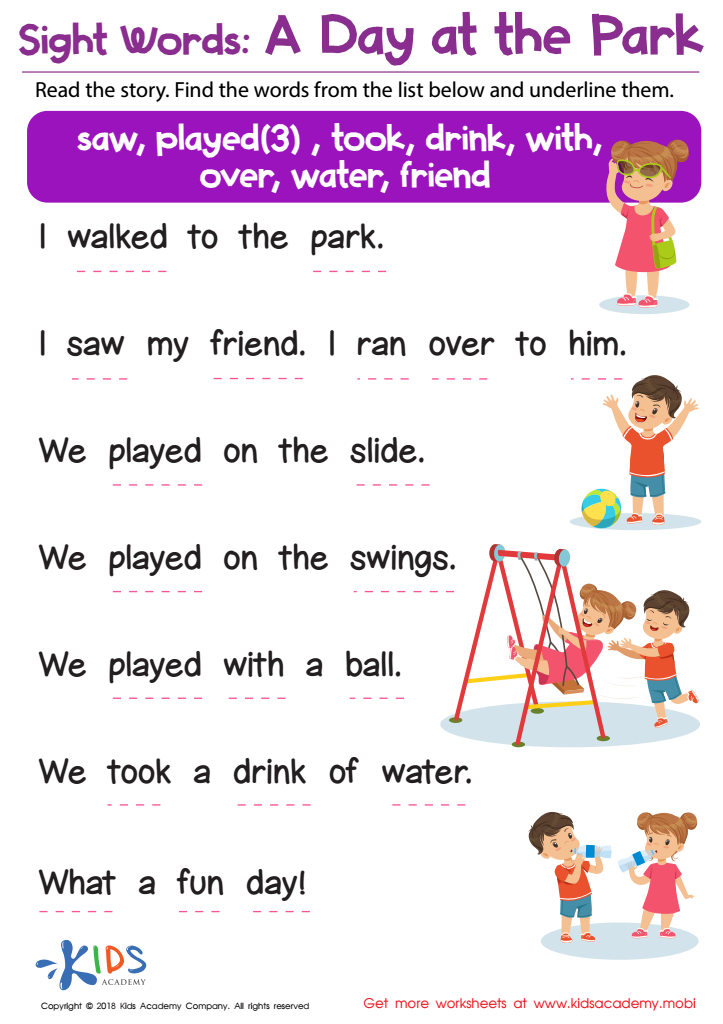
Sight Words: A Day at the Park Worksheet

Sight Words: A Day at the Park Worksheet

This worksheet offers kids practice reading sight words in a story. With picture clues and repetitive wording, they'll work with words that can't be sounded out to reinforce their learning. This is an important step in the reading process that helps kids become more confident readers.
Sight Words: A Day at the Park Worksheet
Worksheet
Worksheet: The Boy Who Cried Wolf

The Boy Who Cried Wolf Worksheet

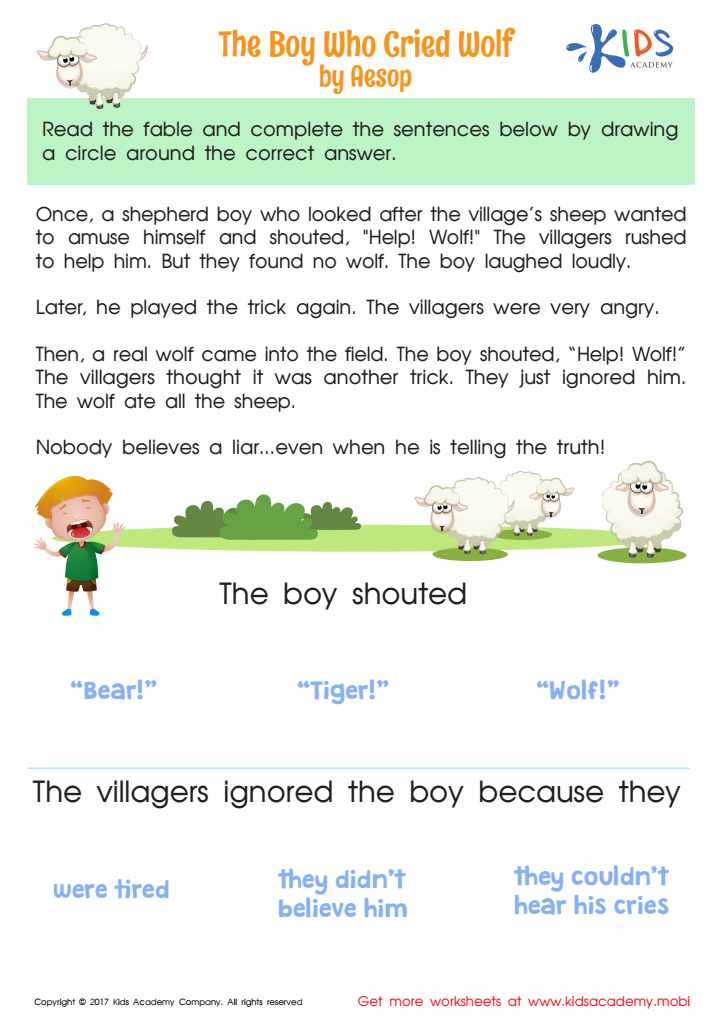
Test your child's reading comprehension with The Boy Who Cried Wolf worksheet. Read the fable, then answer the questions. Use the text to help your child check their answers are correct. Boost reading skills in a fun, interactive way!
The Boy Who Cried Wolf Worksheet
Worksheet


Vocabulary building through normal reading fiction for ages 5-6 is essential for children's language development and cognitive growth. At this age, children's brains are soaking up new words, and exposure to rich, diverse language during storytime enhances their vocabulary and comprehension skills. Engaging with fiction introduces children to various contexts, cultures, and emotions, helping them understand the nuances of language and its usage in different situations.

Teachers and parents should prioritize reading fiction because stories captivate young minds, encouraging imagination and creativity. This engagement helps in developing listening and speaking skills as children hear new vocabulary in context and learn how to use words in their conversation. Additionally, reading fosters a love for books that can have lifelong benefits, leading to improved literacy skills later on.

Furthermore, early vocabulary acquisition is closely linked to academic success. A solid vocabulary base enables young learners to express themselves, understand instructions, and communicate effectively with peers and adults. By prioritizing reading fiction, parents and teachers lay the groundwork for positive reading habits, critical thinking, and a deeper understanding of the world, ultimately equipping children with the skills they need to thrive in their future educational journeys.