Vocabulary enhancement Normal Rhyming Words Worksheets for Ages 5-6
6 filtered results
-
From - To
Enhance your child's vocabulary with our engaging Normal Rhyming Words Worksheets designed for ages 5-6! These fun and educational activities help young learners develop phonemic awareness, refine their listening skills, and expand their word recognition. Each worksheet introduces children to delightful rhymes, allowing them to connect similar sounds while enjoying playful themes. Through creative exercises, kiddos will strengthen their language abilities, boosting their confidence in reading and writing. Perfect for both home and school use, our worksheets make learning enjoyable and effective. Foster a love for language in your little ones and watch their vocabulary flourish with these exciting resources!
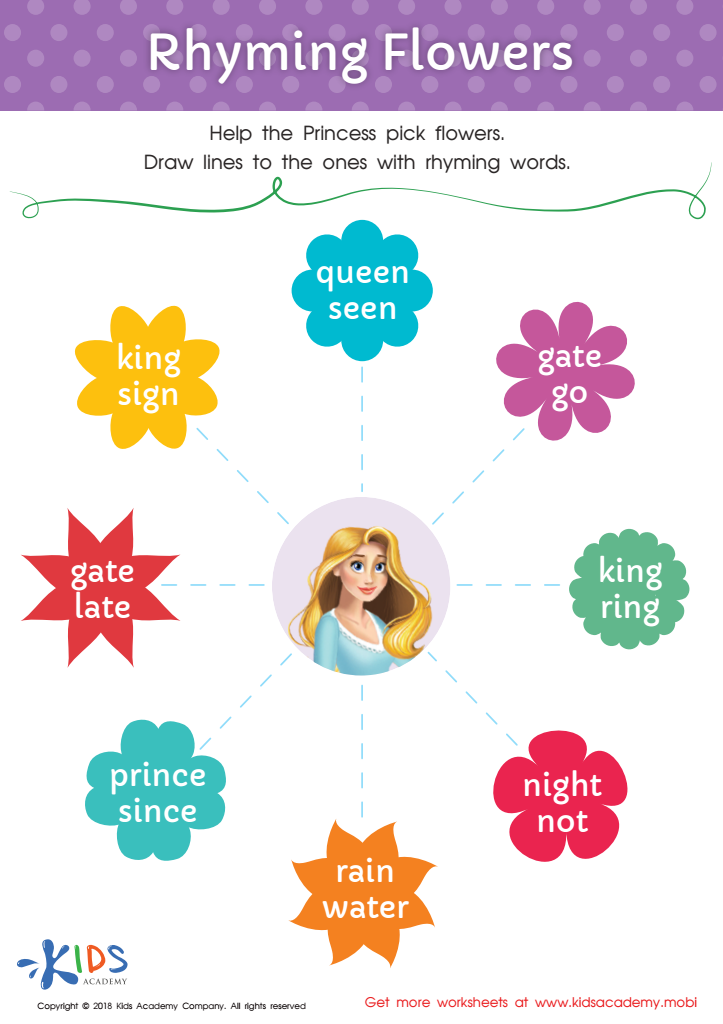
Rhyming Flowers Worksheet
 Assign to My Students
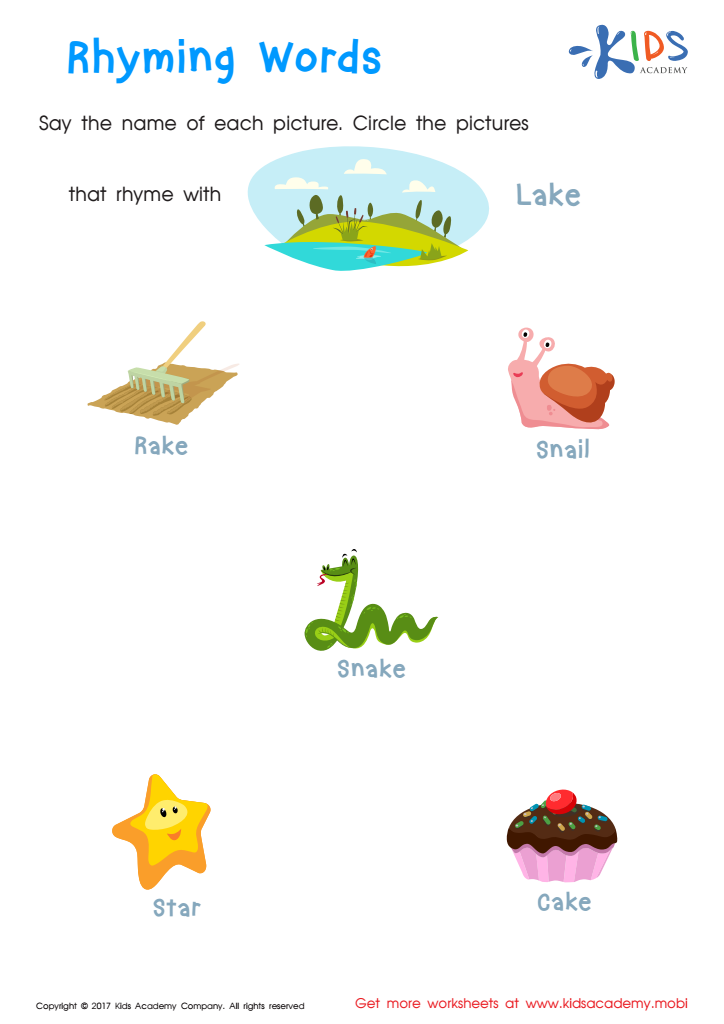
Rhyming Words Rhyming Worksheet
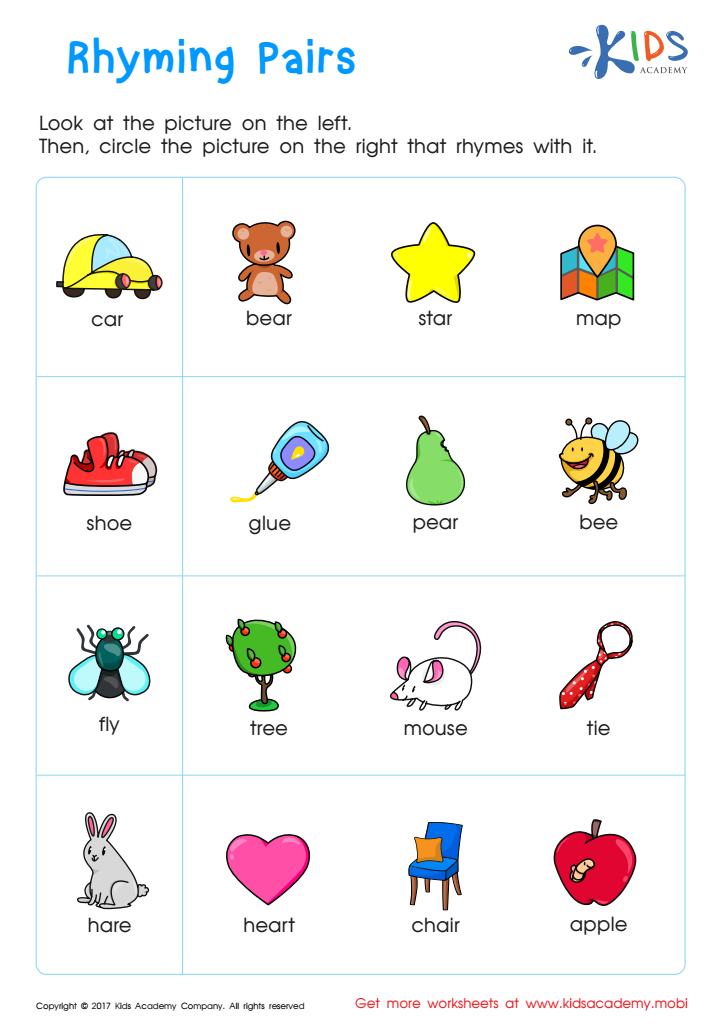
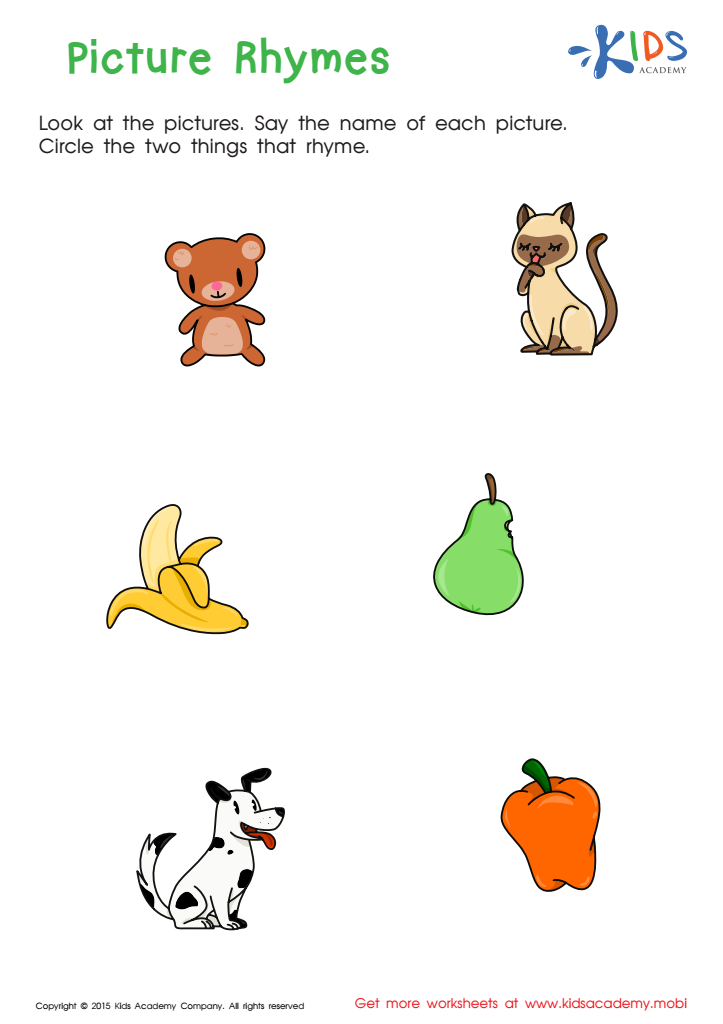
First Words: Picture Rhymes Worksheet
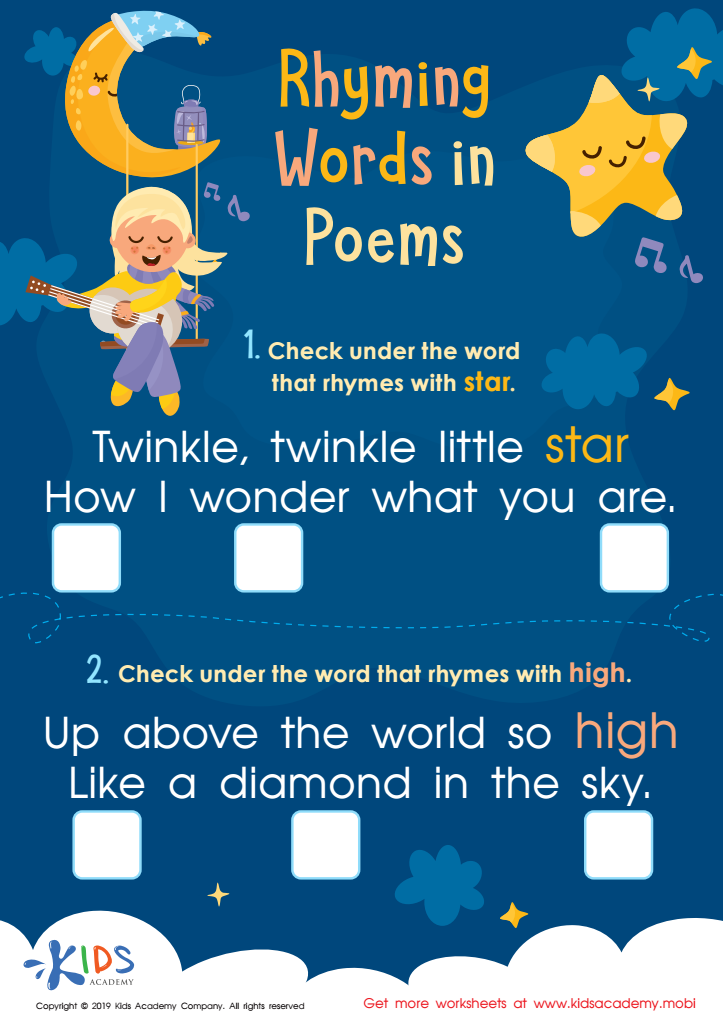
Rhyming Words in Poems Worksheet
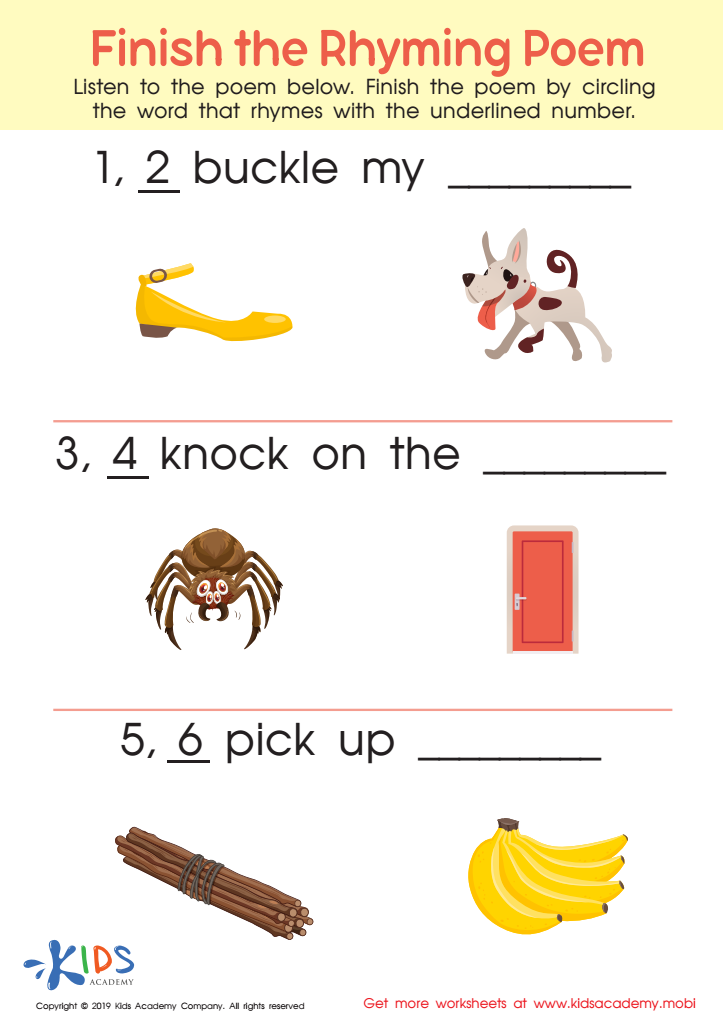
Finish Rhyming Poem Worksheet







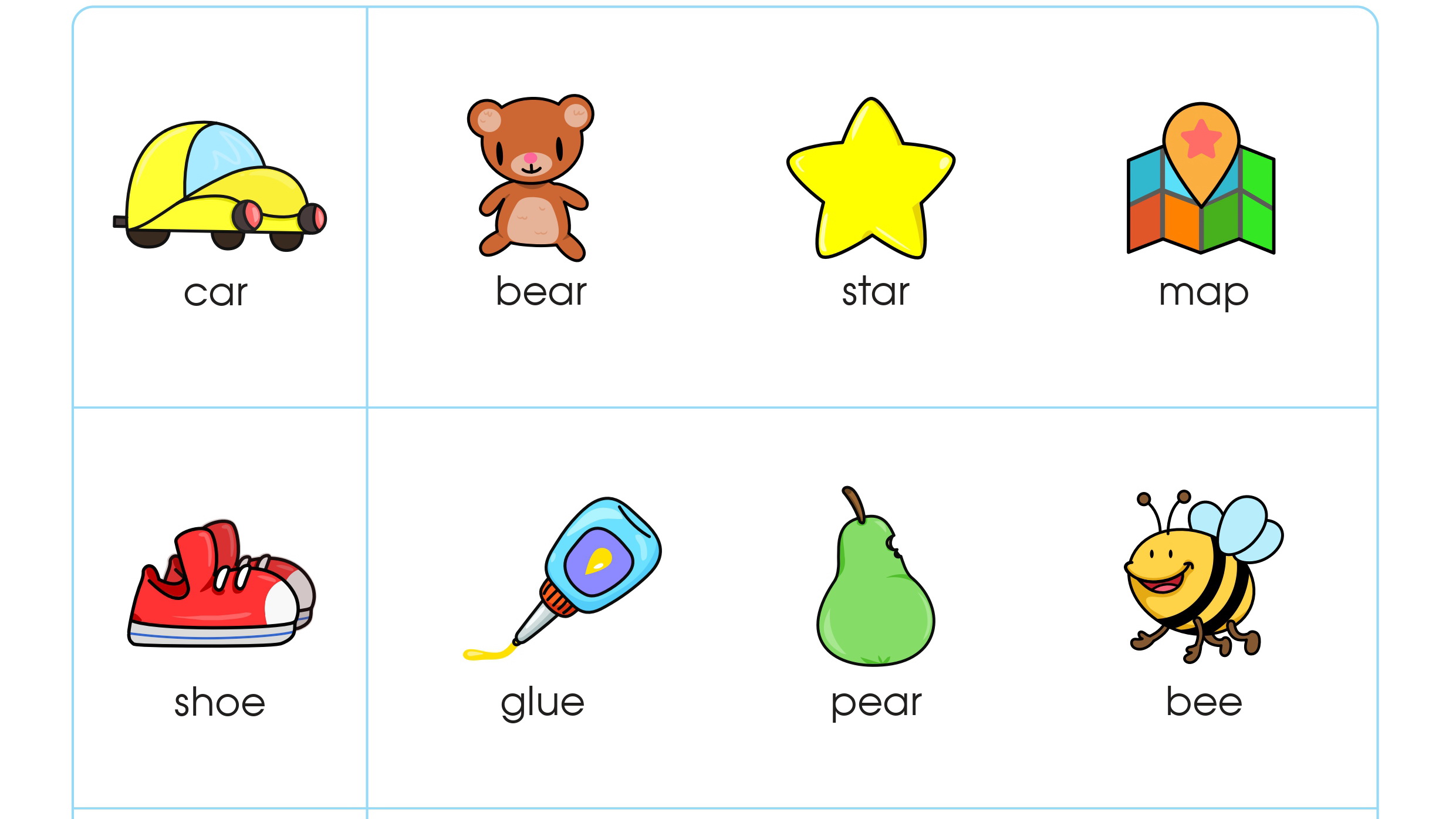
Vocabulary enhancement through normal rhyming words is crucial for children ages 5-6 as it lays a strong foundation for literacy development. At this age, children are highly receptive to sounds and patterns in language, making rhyming an effective tool for enhancing vocabulary. Exposure to rhyming words helps children recognize phonetic patterns and improves their phonemic awareness, which is essential for reading and writing skills.
Moreover, rhyming words encourage listening skills and memory retention by creating a fun and engaging learning experience. Children enjoy the rhythm and melody of rhymes, making it easier for them to recall new words. This method also fosters creativity as kids begin to play with sounds, invent their own rhymes, and enhance their language expression.
Additionally, as parents and teachers expose children to varied rhyming words in playful contexts—such as songs, poems, and games—children not only expand their vocabulary but also develop critical thinking and comprehension skills. These foundational skills are integral for their future academic success and confident communication. Ultimately, prioritizing vocabulary enhancement through rhyming contributes to a well-rounded education, promoting both linguistic and cognitive growth.








