Cognitive Development Normal Science Worksheets for Ages 5-6
12 filtered results
-
From - To
Explore our "Cognitive Development Normal Science Worksheets" designed for children ages 5-6. These engaging resources promote critical thinking, problem-solving, and observational skills through fun and age-appropriate science activities. Each worksheet encourages young learners to explore their surroundings, fostering curiosity about the world. From simple categorization tasks to hands-on experiments, our materials align with early childhood educational standards. Perfect for both home and classroom settings, these worksheets keep children entertained while enhancing their cognitive skills. Give your little learners the tools they need to thrive in science and beyond with our thoughtfully crafted Cognitive Development worksheets!
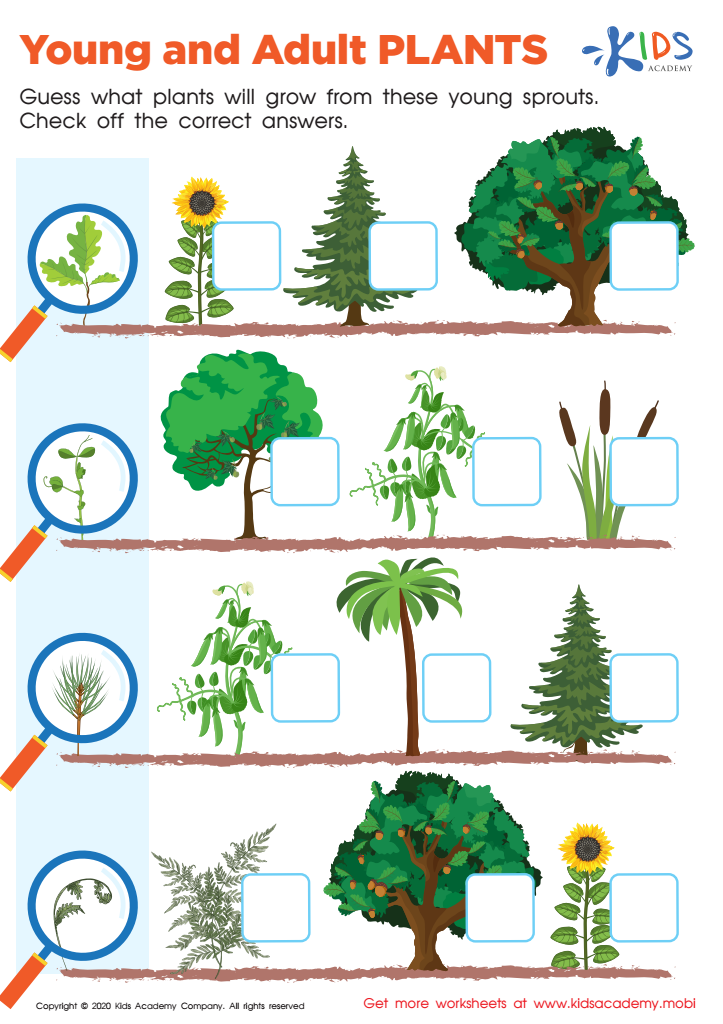
Young and Adult Plants Worksheet
 Assign to My Students
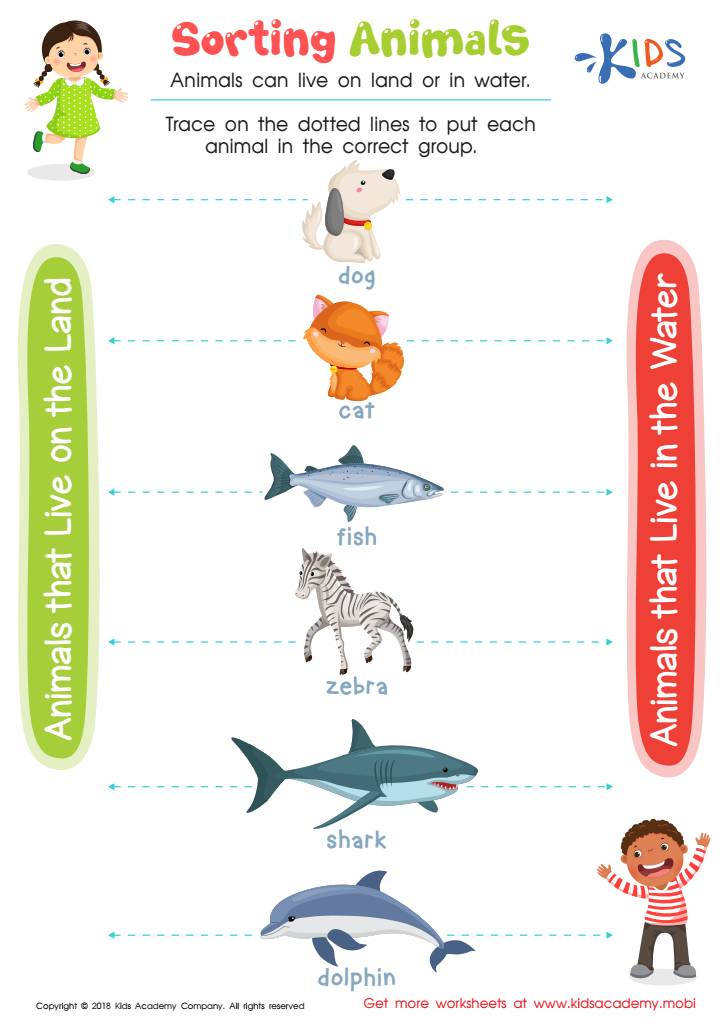
Sorting Animals Worksheet
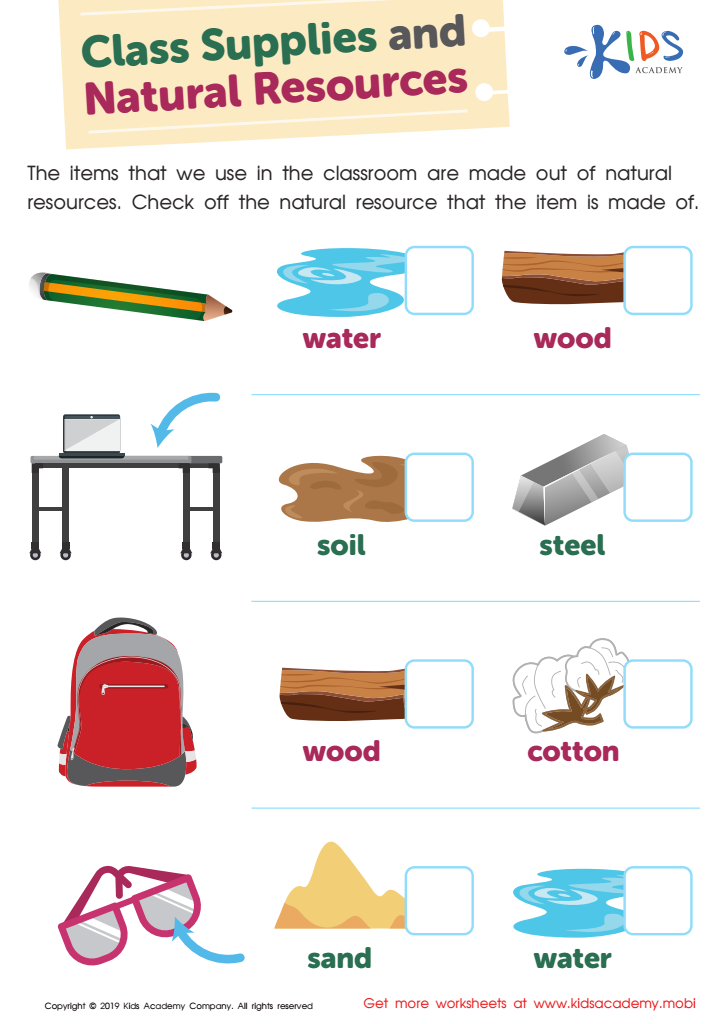
Class Supplies and Natural Resources Worksheet
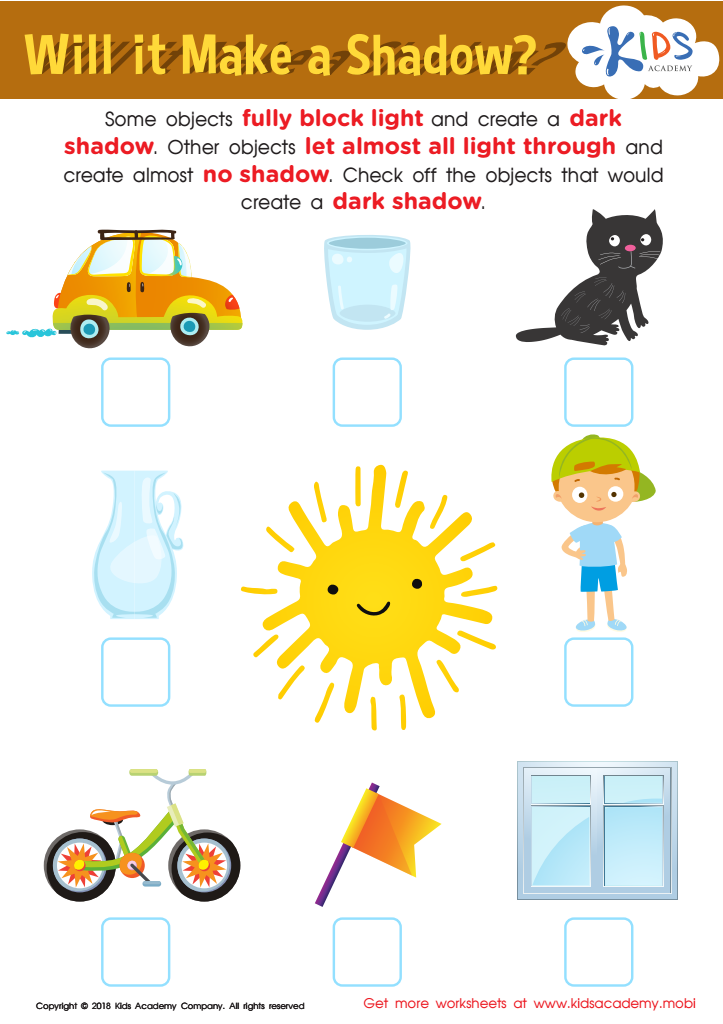
Will It Make a Shadow? Worksheet
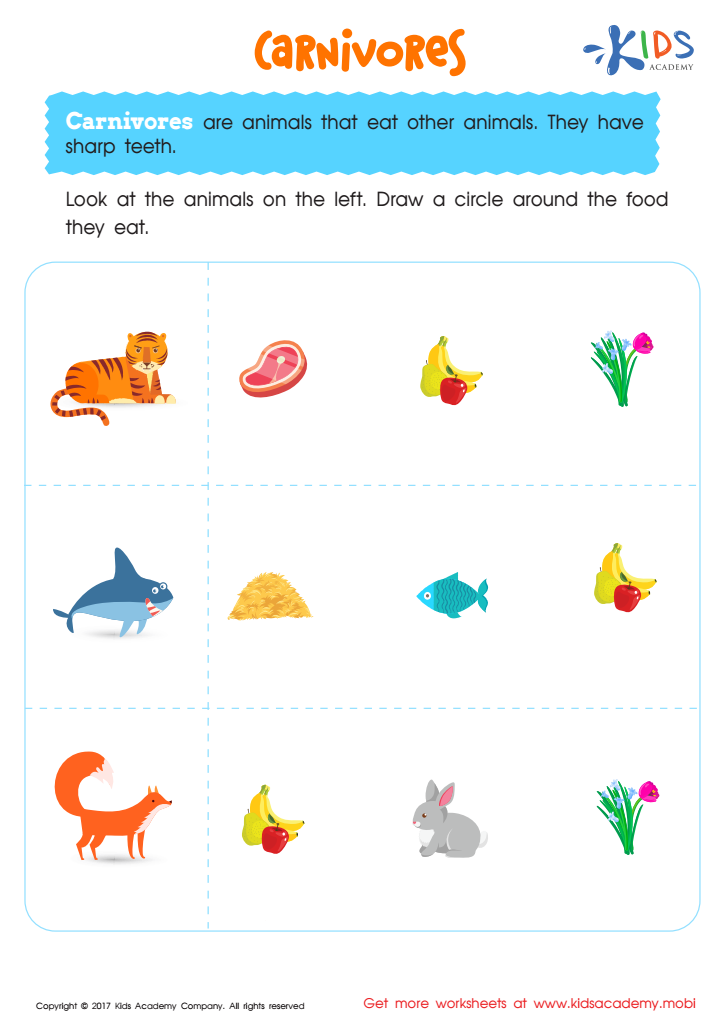
Carnivores Worksheet
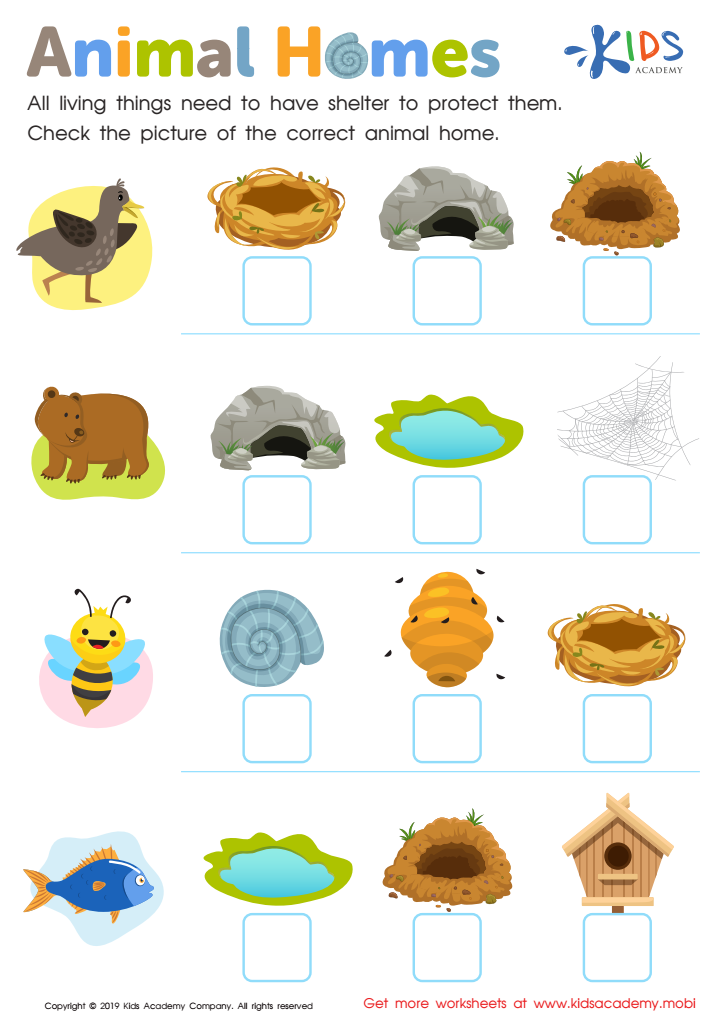
Animal Homes Worksheet

Hows the Weather Worksheet

Light Sources and Shadows Worksheet

Seasons Match Worksheet

Arctic Animals Worksheet
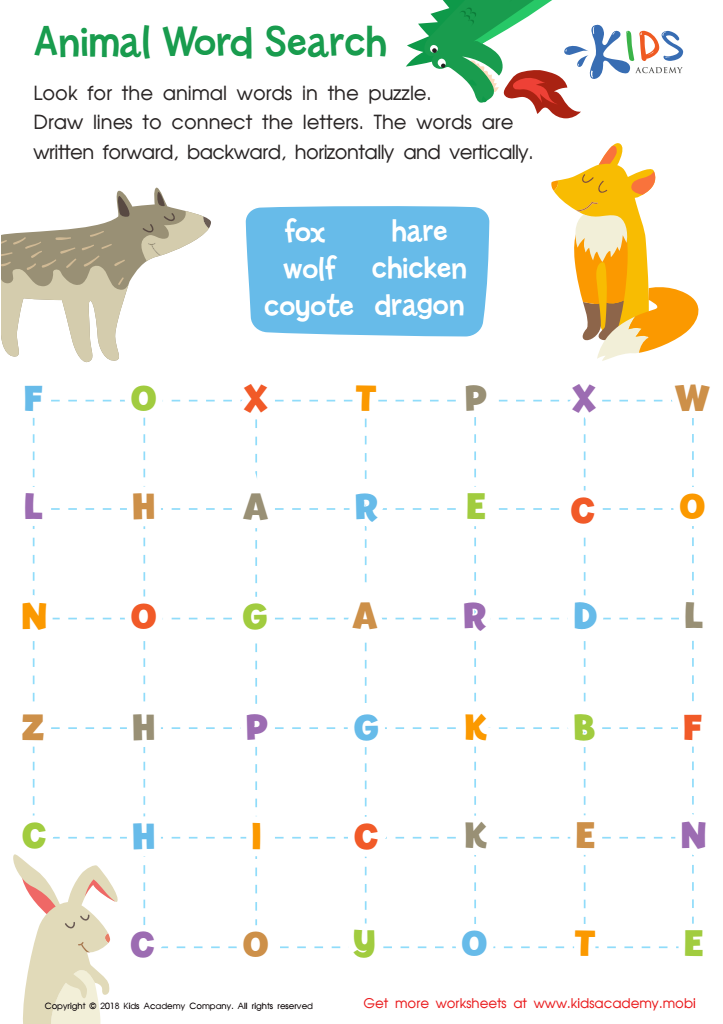
Animal Word Search Worksheet
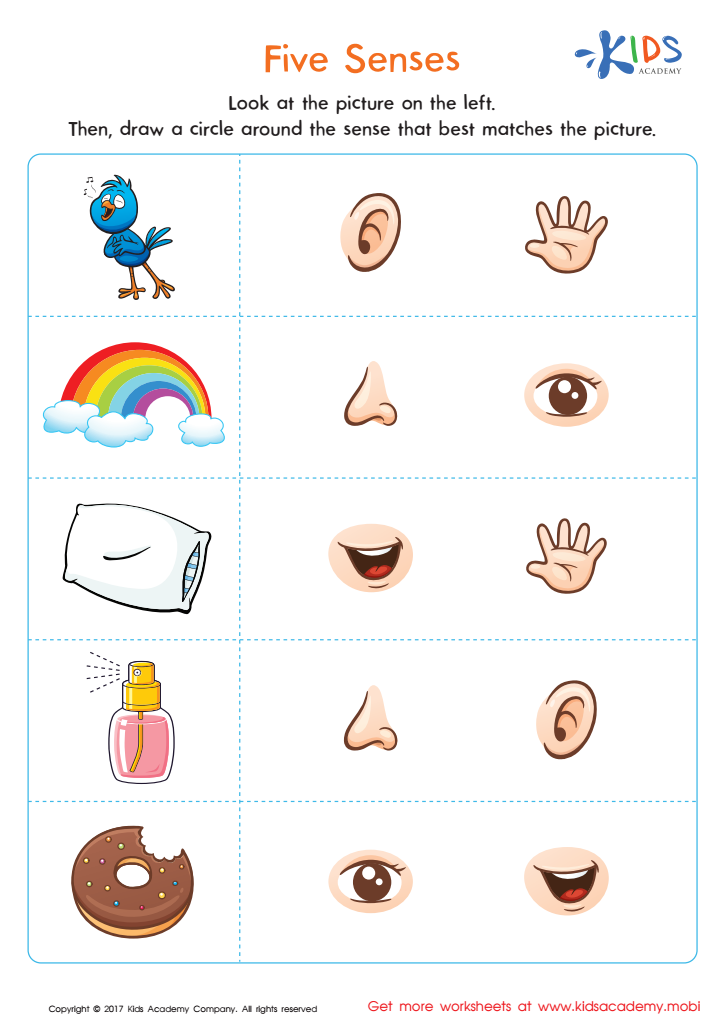
Five Senses Printable


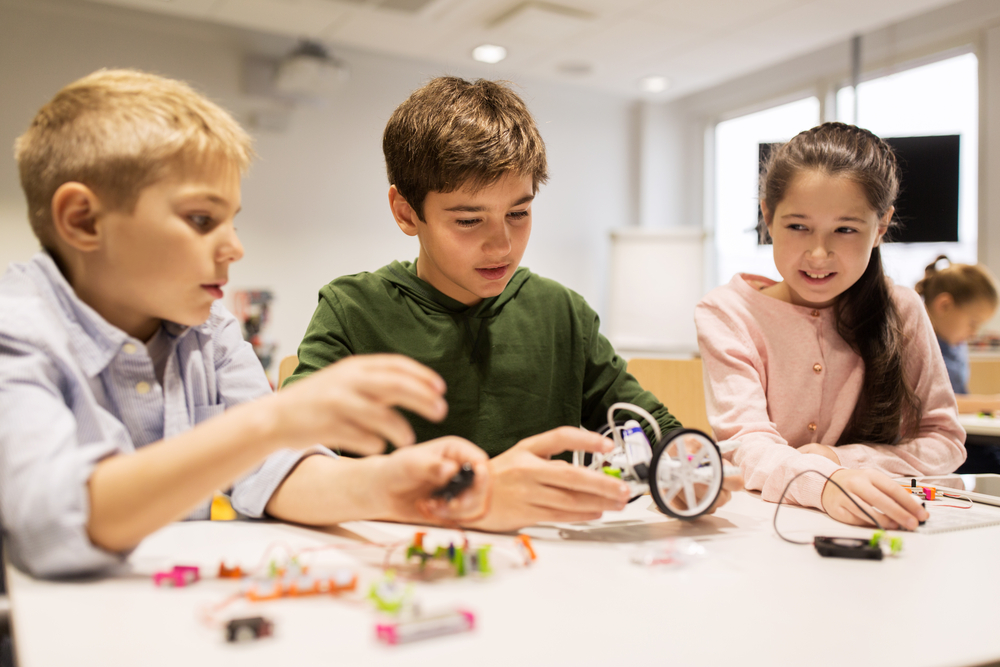




Cognitive development during ages 5-6 is crucial for children's overall growth and learning. At this stage, children transition from basic understanding to more complex thinking processes. Engaging with cognitive development concepts prepares educators and parents to nurture critical skills, including problem-solving, logical reasoning, and memory.
Understanding normal cognitive development helps identify milestones, ensuring that children are on track. Parents and teachers can tailor educational experiences to support each child's unique learning style and pace. This creates an environment where children feel confident to explore, question, and engage with their surroundings.
Additionally, cognitive development impacts social skills and emotional intelligence. Children learn to navigate relationships, understand others' perspectives, and manage their feelings. Awareness of cognitive milestones supports the cultivation of these essential skills, fostering well-rounded individuals.
Investing in cognitive development techniques—from encouraging imaginative play to introducing basic scientific principles—empowers children as lifelong learners. By recognizing and supporting normal cognitive science, parents and teachers lay the foundation for academic success and holistic personal growth. Ultimately, this investment shapes children's future, enabling them to thrive in an increasingly complex world.







