Understanding habitats Normal Science Worksheets for Ages 5-6
4 filtered results
-
From - To
Explore the fascinating world of habitats with our "Understanding Habitats" Normal Science Worksheets, designed specifically for children aged 5-6. These engaging printables introduce young learners to various ecosystems, including forests, oceans, and deserts. Each worksheet combines fun activities and visuals to help kids grasp essential concepts about animal homes and environmental interactions. Through colorful illustrations and engaging exercises, children will enhance their observation skills and develop a foundational understanding of nature. Ideal for home or classroom use, these worksheets foster curiosity and a love for science, making learning about habitats exciting and accessible for early learners. Start your exploration today!
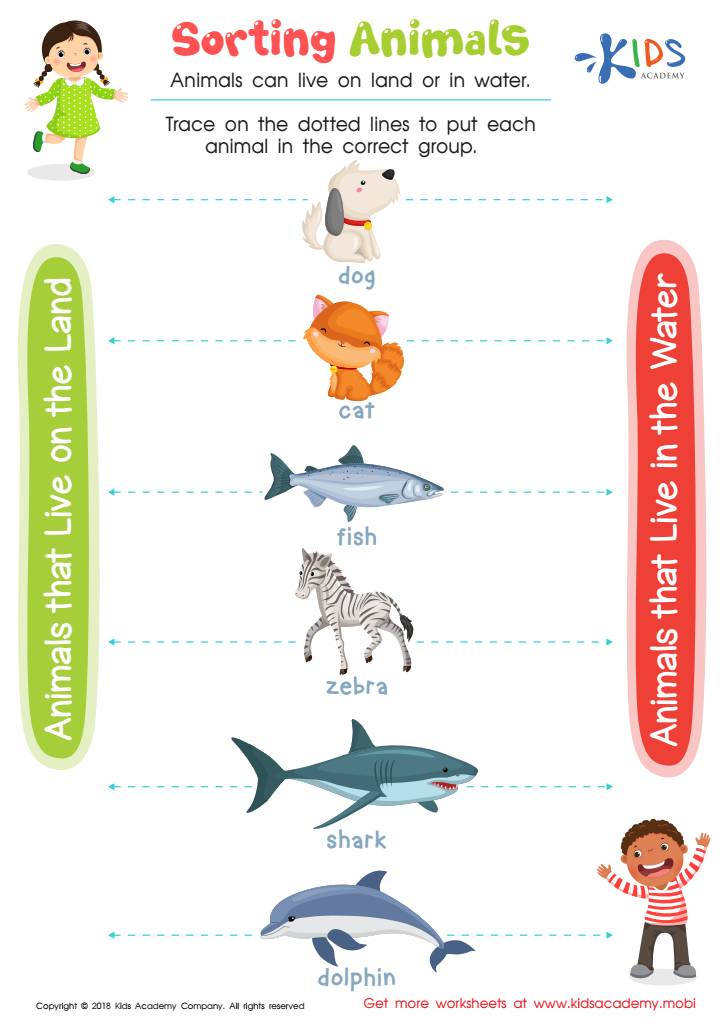
Sorting Animals Worksheet
 Assign to My Students
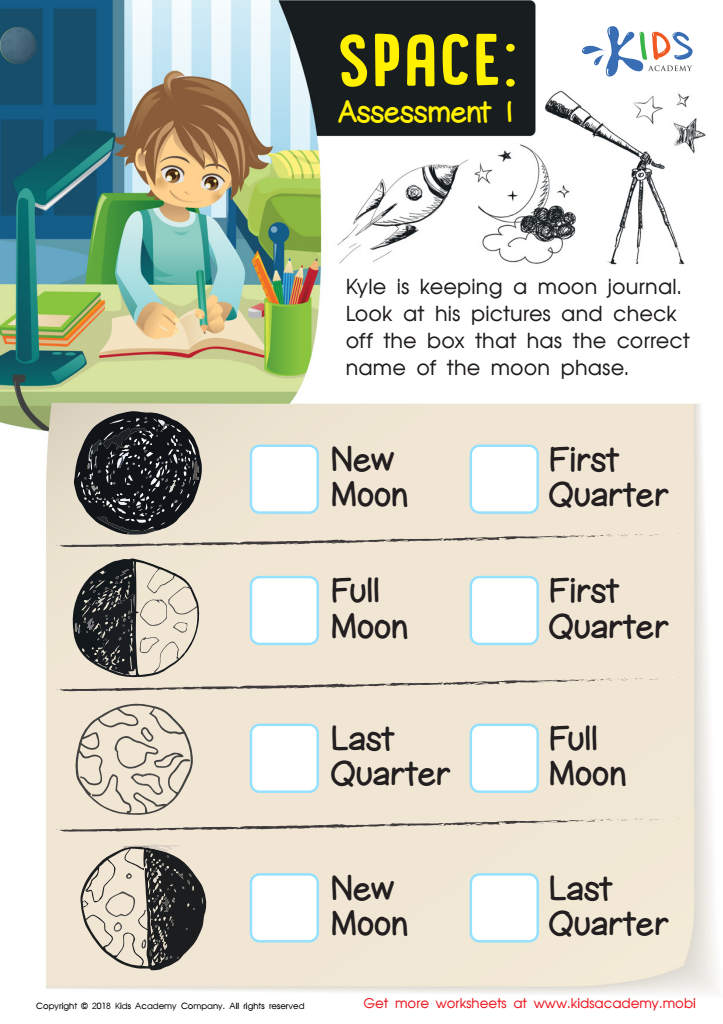
Space: Assessment 1 Worksheet
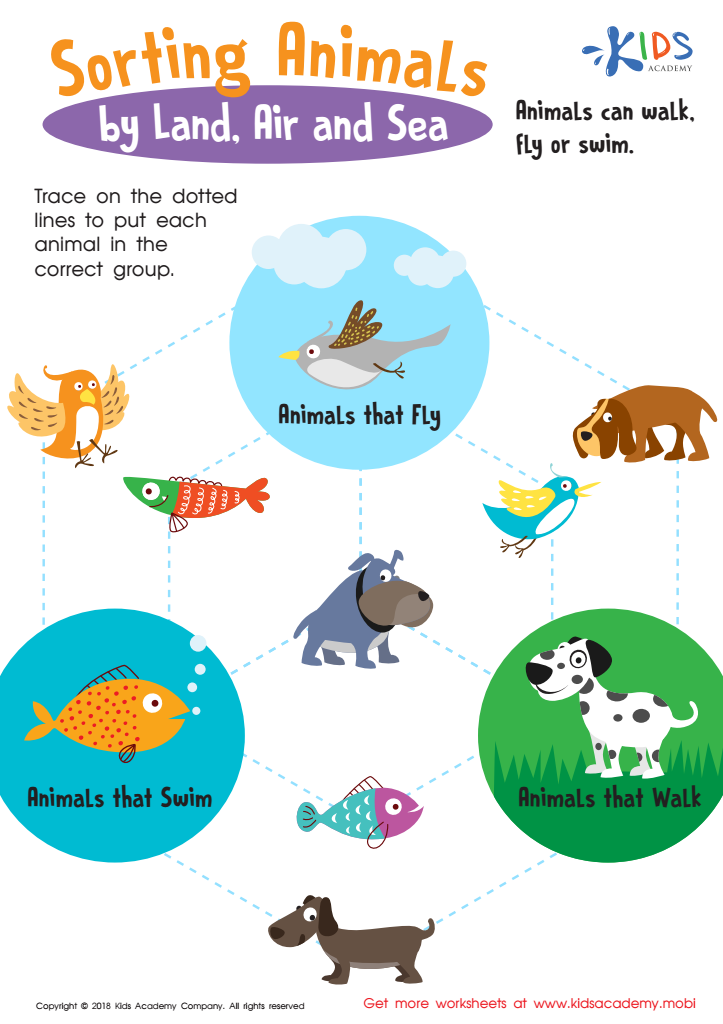
Sorting Animals by Land, Air and Sea Worksheet
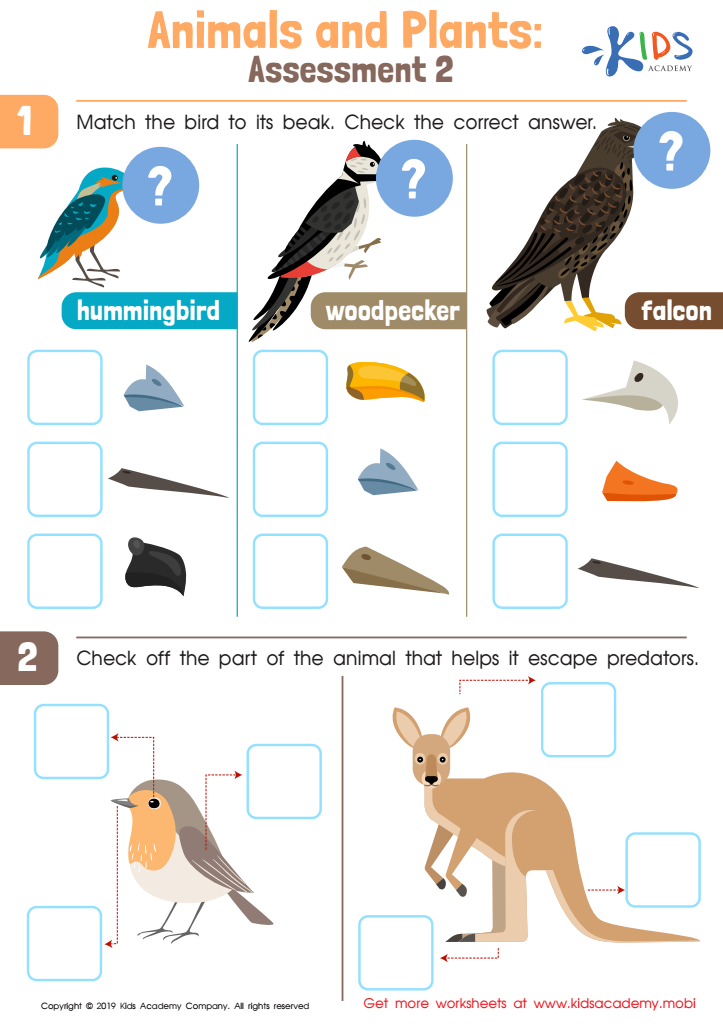
Animals and Plants: Assessment 2 Worksheet





Understanding habitats is vital for children aged 5-6 as it fosters a fundamental appreciation for the world around them. Parents and teachers should care because this early education lays the groundwork for a child’s environmental awareness and scientific thinking. When children learn about various habitats—like forests, oceans, or deserts—they not only discover the diverse forms of life that inhabit these areas but also begin to understand interdependence in nature.
Teaching kids about habitats encourages curiosity and exploration, prompting them to ask questions about living organisms and ecosystems. This aligns with early scientific learning, helping children cultivate critical thinking skills and a sense of inquiry. Additionally, understanding habitats nurtures empathy and stewardship for the environment, instilling values that will contribute to responsible citizenship as they grow.
Moreover, engaging in discussions about habitats can enhance language skills and promote social learning—children often collaborate and share ideas while exploring these concepts. When parents and teachers prioritize habitats in education, they enrich children's knowledge, foster a love for nature, and empower the next generation to take meaningful action in preserving our planet. Ultimately, this foundational knowledge is essential for shaping environmentally conscious individuals and informed future leaders.







