Logical Reasoning Normal Plants and Animals Worksheets for Ages 5-6
4 filtered results
-
From - To
Explore our engaging "Logical Reasoning Normal Plants and Animals Worksheets" designed specifically for ages 5-6. These worksheets are crafted to enhance your child's critical thinking and problem-solving skills while introducing them to the fascinating world of plants and animals. Interactive and fun, they cover basic concepts, encouraging young learners to observe, compare, and comprehend differences and similarities. Perfect for both classroom and home use, our worksheets will help your child develop a strong foundation in science and logical reasoning, laying the groundwork for future academic success. Unleash your child's potential with Kids Academy's top-notch educational resources!
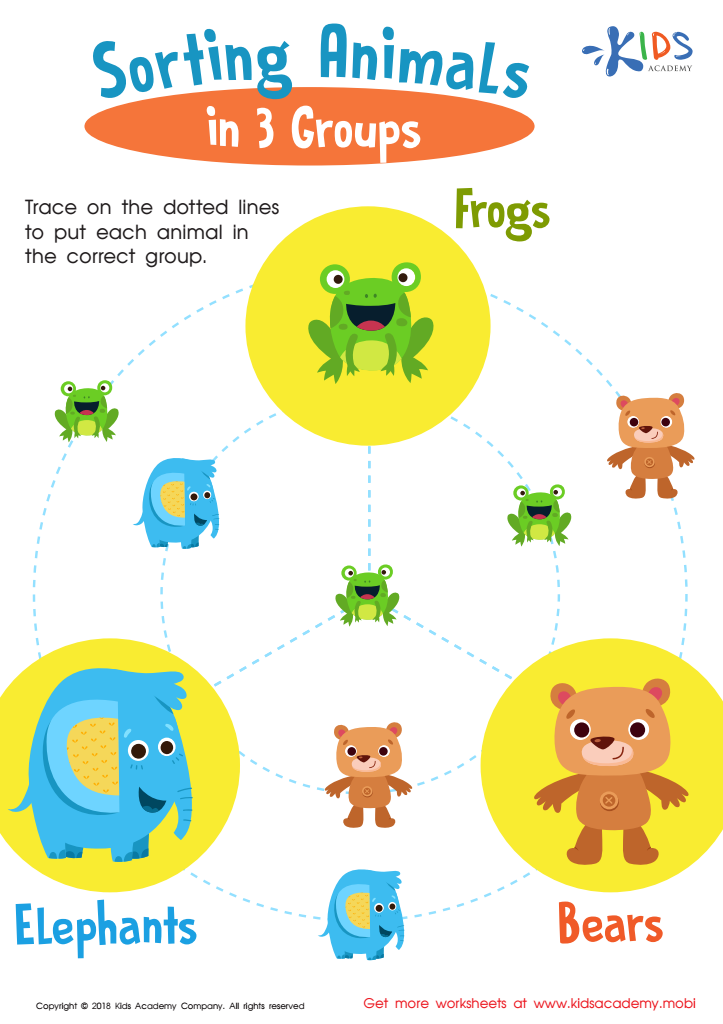
Sorting Animals in 3 Groups Worksheet
 Assign to My Students
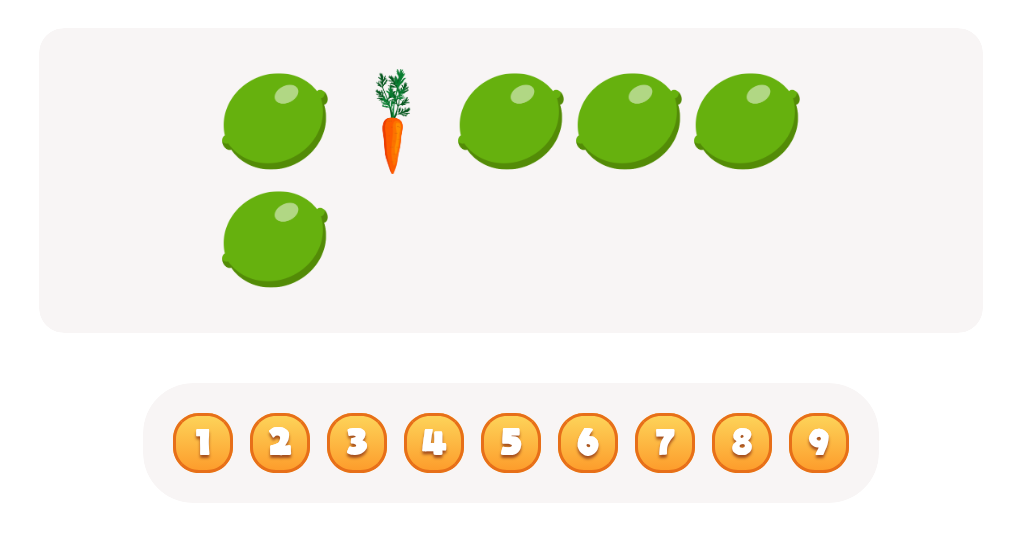

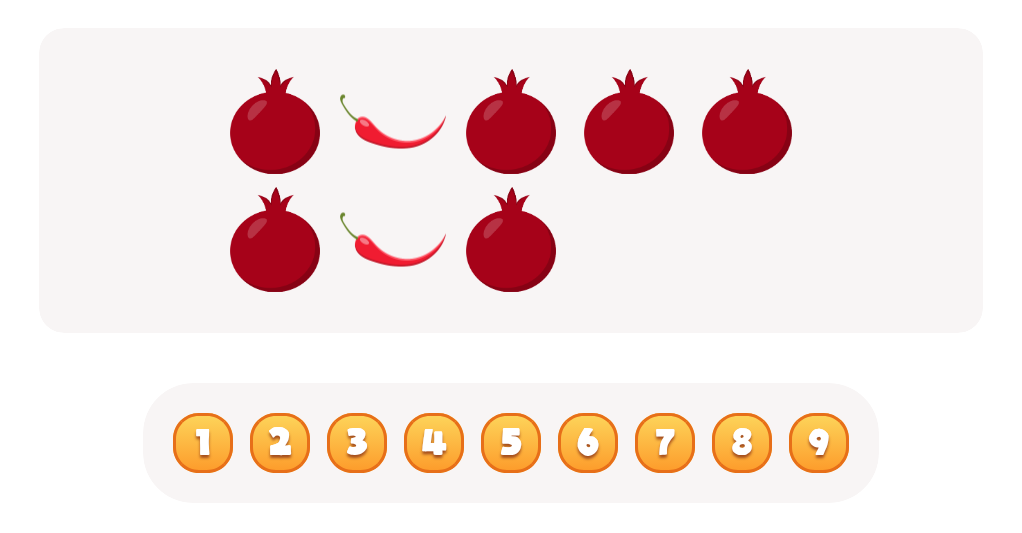
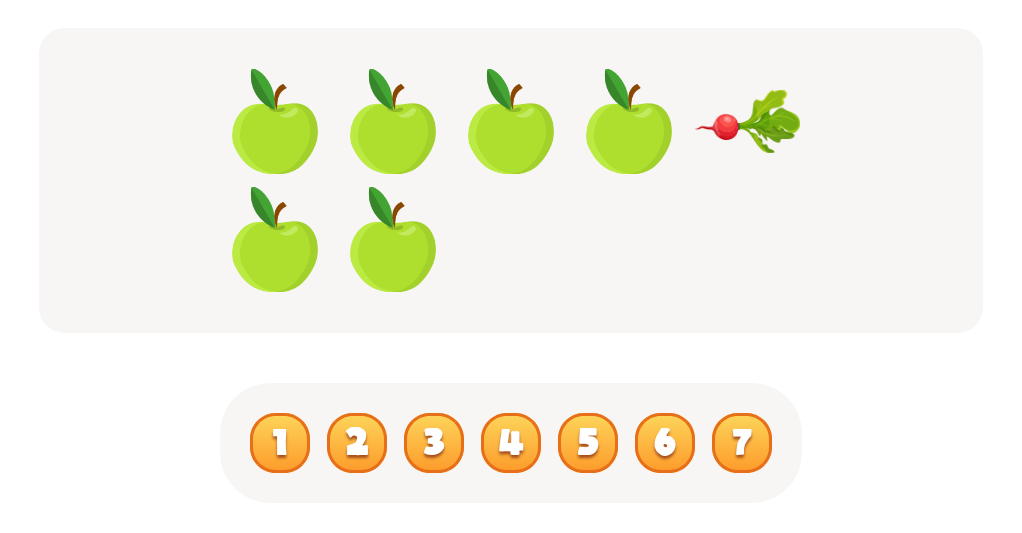
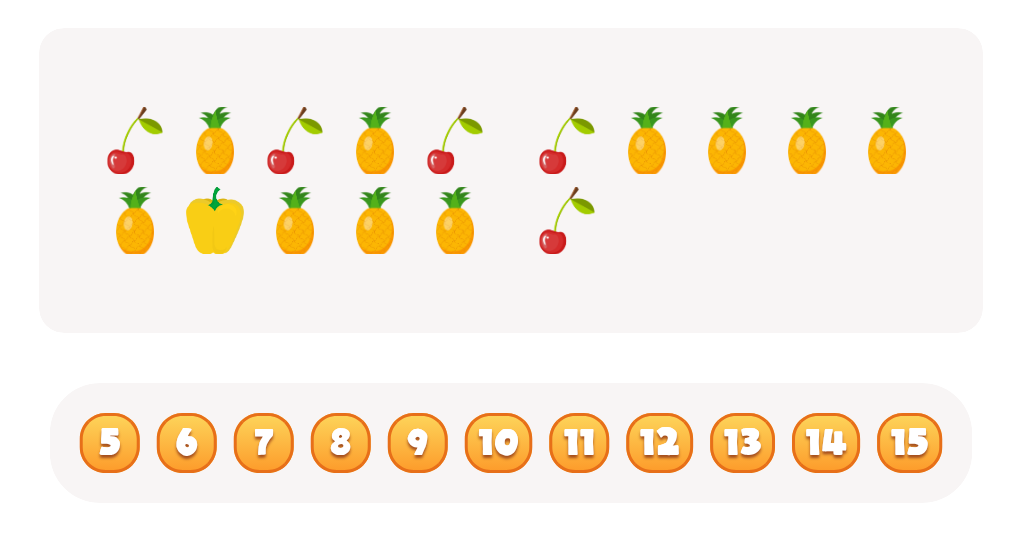
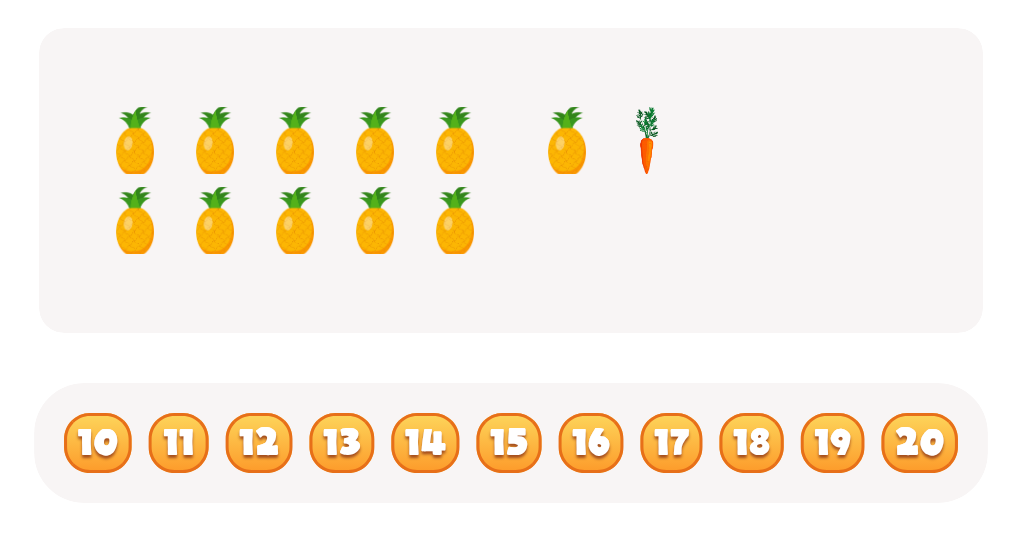
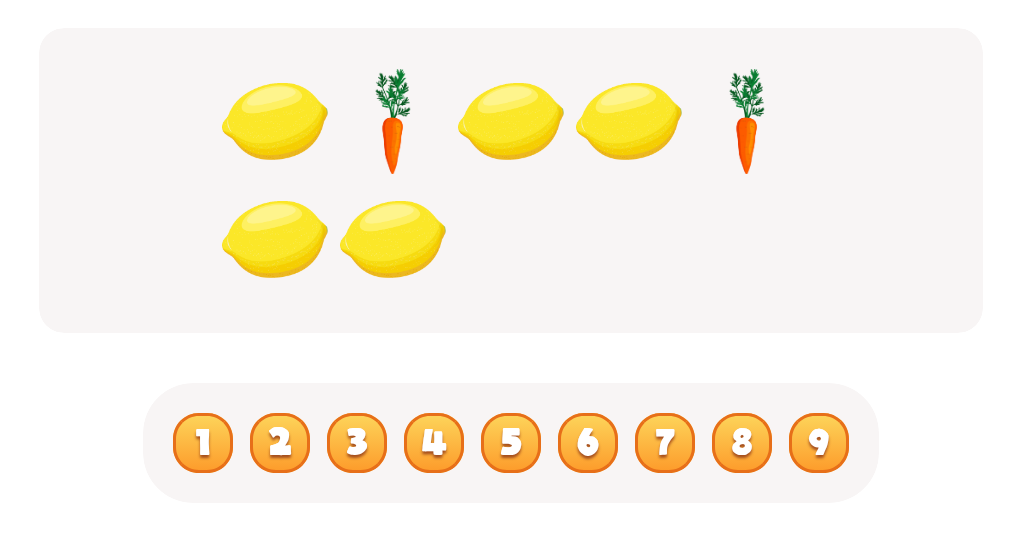
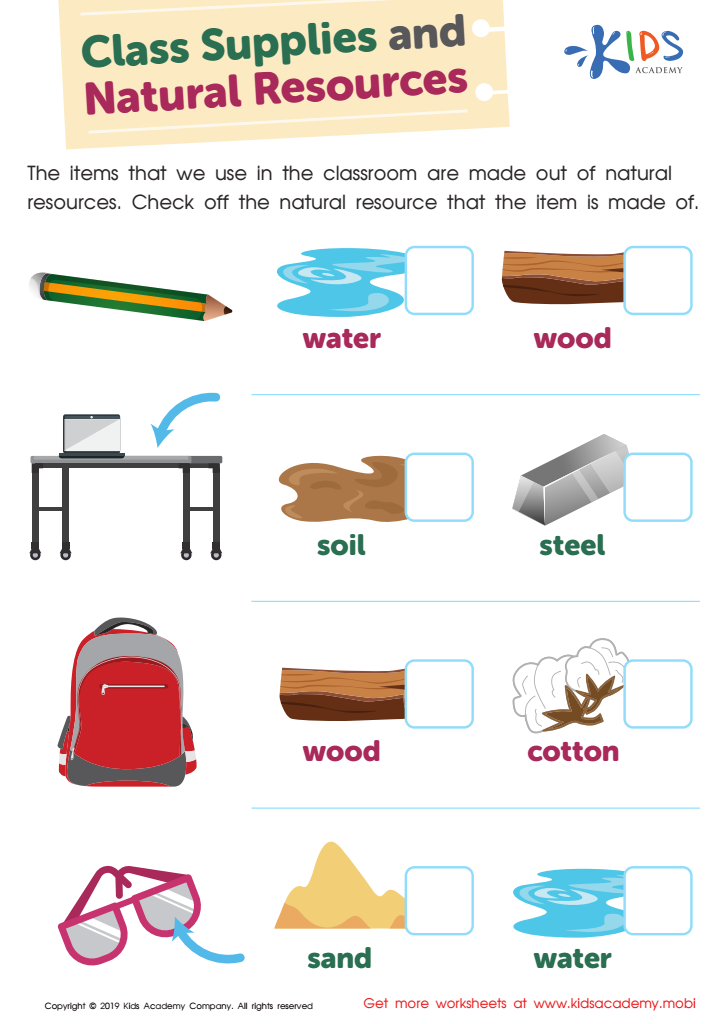
Class Supplies and Natural Resources Worksheet
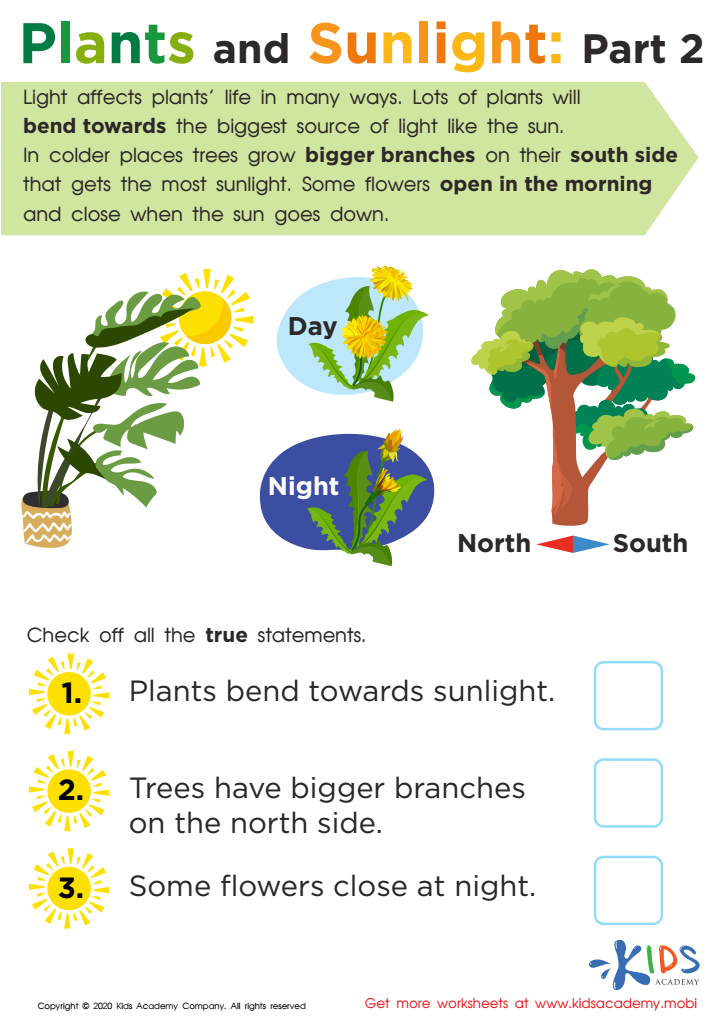
Plants and Sunlight: Part 2 Worksheet
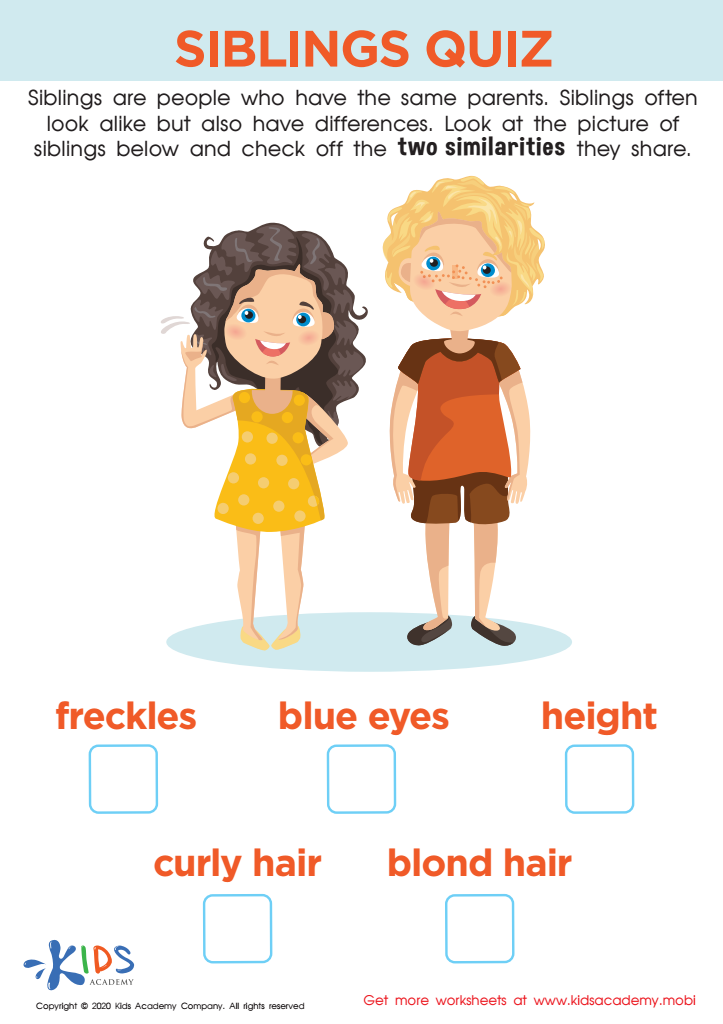
Siblings Quiz Worksheet








Caring about logical reasoning, even at ages 5-6, is vital for foundational cognitive development. It shapes the way children perceive and interact with the world around them, especially in core subjects like math, science, and problem-solving in daily life. Age-appropriate activities involving normal plants and animals fortify these skills with relevant, engaging content.
At this age, children are naturally curious and keen observers of their environment. Teaching logical reasoning using plants and animals harnesses their intrinsic interest, making learning feel more like exploration than instruction. Simple activities can introduce classification, sequencing, and cause-and-effect relationships, fundamental precursors to more advanced logical thinking.
For example, understanding that water and sunlight help plants grow acknowledges basic biological needs and introduces cause-and-effect relationships. Recognizing differences and similarities between various animals reinforces classification skills, essential for organizing information logically.
Moreover, these activities promote inquiry-based learning, where children ask questions, predict outcomes, observe results, and draw conclusions. These steps are the building blocks of scientific reasoning. Encouraging such thought processes early boosts their confidence and eagerness to solve problems, setting a precedent for lifelong learning.
Thus, integrating logical reasoning with normal plants and animals cultivates a rich, engaging educational environment that prepares children with essential thinking skills, fostering both academic and personal growth.







