Critical Thinking Normal Community Worksheets for Ages 5-6
4 filtered results
-
From - To
Our "Critical Thinking Community Worksheets" for ages 5-6 are designed to inspire a love of learning while developing critical thinking skills. Created for young minds, these worksheets focus on logical reasoning and creativity within community-based scenarios. Each activity encourages children to think critically about everyday life, helping them to connect concepts and solve problems. Perfectly complementing social studies curriculum, these worksheets are playful yet educational, making learning about community engaging and fun. From puzzles to interactive exercises, kids will enjoy tackling challenges that promote independent thinking, setting a foundation for lifelong problem-solving skills.
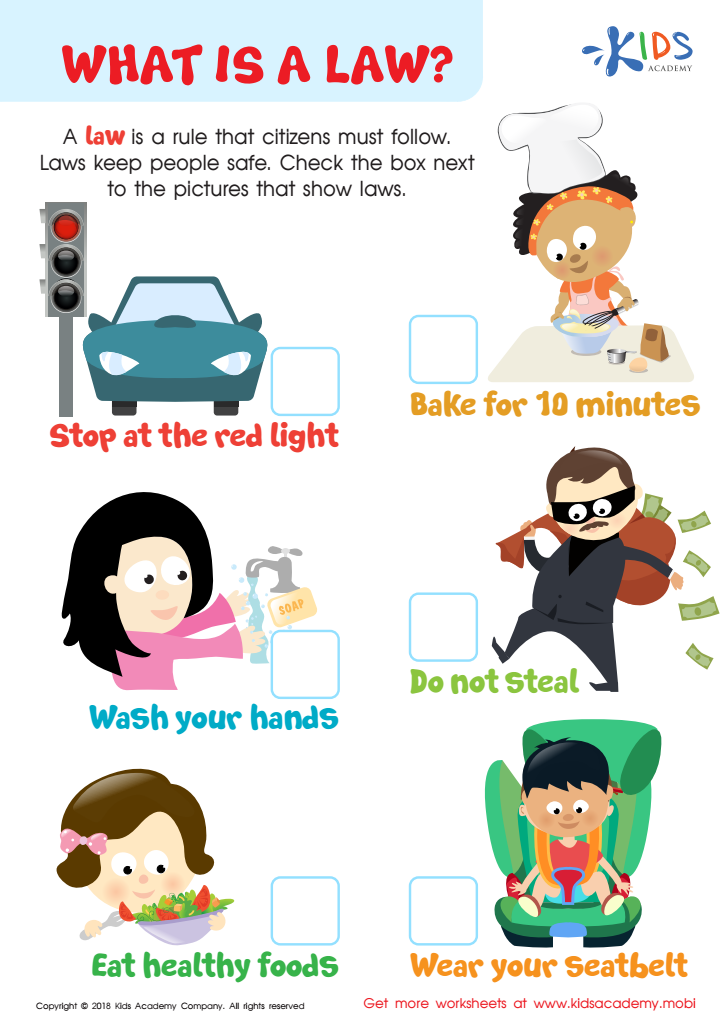
What is a Law? Worksheet
 Assign to My Students
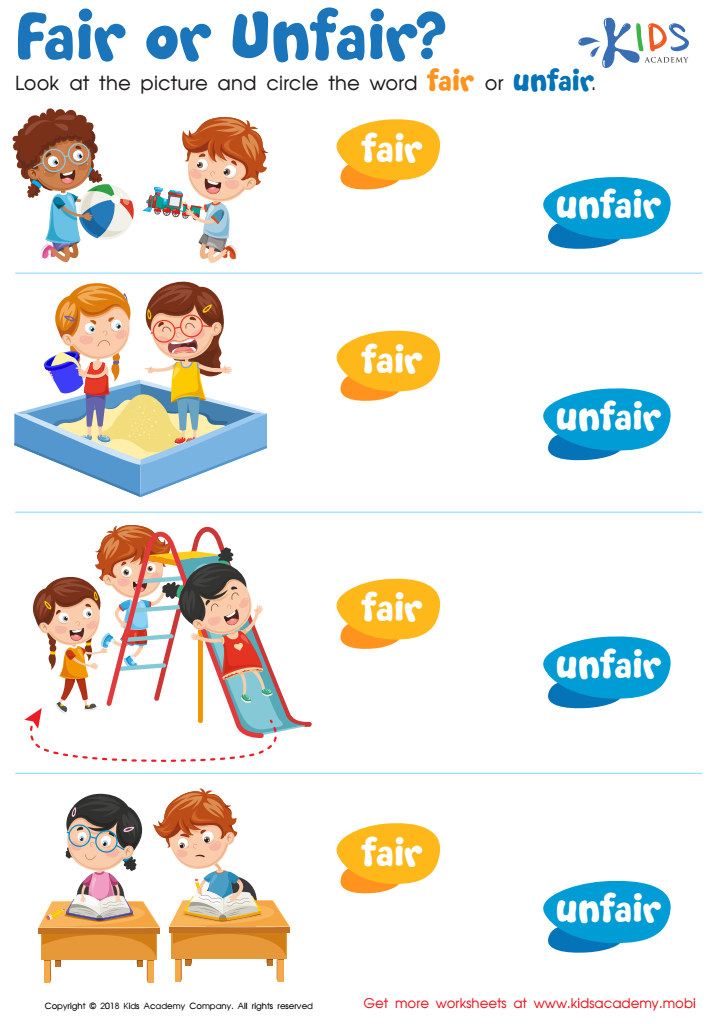
Fair or Unfair Worksheet
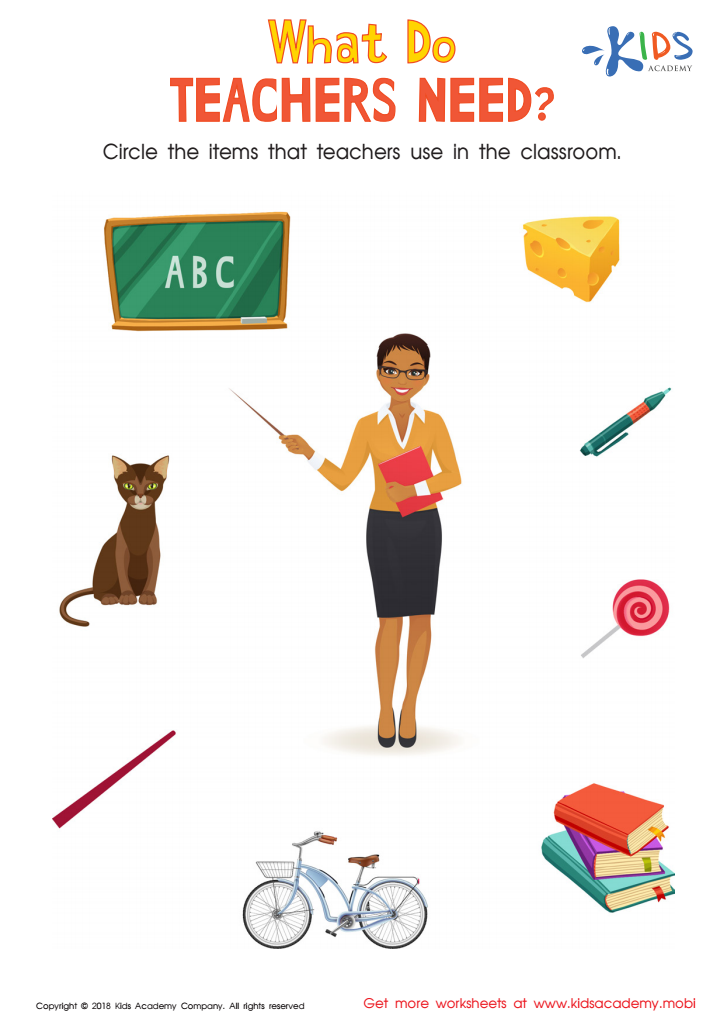
What Do Teachers Need Worksheet

Traditional Music Worksheet







Critical Thinking Normal Community, designed for children aged 5-6, is essential for fostering lifelong learning and problem-solving skills. For parents and teachers, nurturing critical thinking at an early age is crucial as it lays the foundation for academic success and personal growth.
At this developmental stage, children's brains are highly receptive. Exposure to critical thinking helps enhance curiosity, creativity, and a love for learning. It encourages kids to ask questions, analyze information, and approach problems from different angles, nurturing their inquisitive minds.
Incorporating critical thinking into daily routines helps strengthen cognitive skills such as reasoning, logic, and decision-making. Engaging in activities that challenge them—like puzzles, discussions, or interactive games—stimulates their intellect and helps them understand the world better.
Moreover, fostering a supportive community that values critical thinking can create a collaborative learning environment. Children learn from one another and enjoy shared experiences that reinforce their understanding and teamwork skills. Group activities train them to express ideas confidently, listen to peers, and respect differing viewpoints, promoting emotional and social development.
Overall, investing in critical thinking for young children equips them with essential skills for future challenges. It creates a strong foundation for educational success and helps shape well-rounded, curious, and thoughtful individuals. Parents and teachers who prioritize this can influence positive long-term academic and personal outcomes for their children.