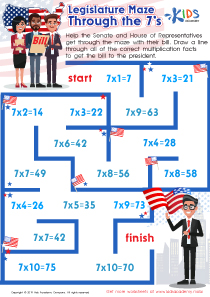
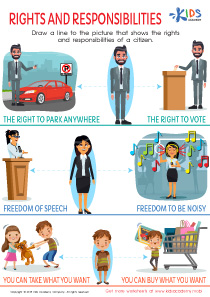
Identification skills Normal Social Studies Worksheets for Ages 5-6
3 filtered results
-
From - To
Explore our engaging "Identification Skills Normal Social Studies Worksheets" designed for children ages 5-6! These worksheets aim to develop key identification skills while introducing young learners to essential social studies concepts. Each activity is crafted to be fun and educational, encouraging students to identify community helpers, symbols, and landmarks that are vital to their environment. Perfect for both classroom use and home learning, these worksheets enhance critical thinking and observational skills. Give your child a head start in understanding the world around them with our easy-to-follow, colorful, and interactive resources that inspire curiosity and a love for learning!
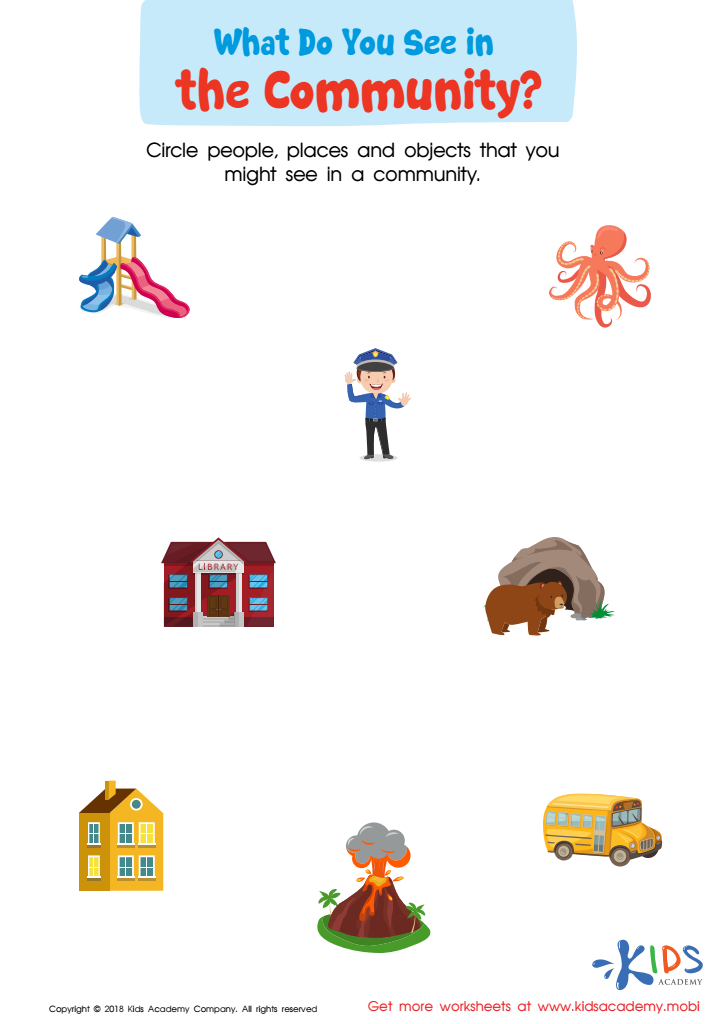
What Do You See in the Community Worksheet
 Assign to My Students
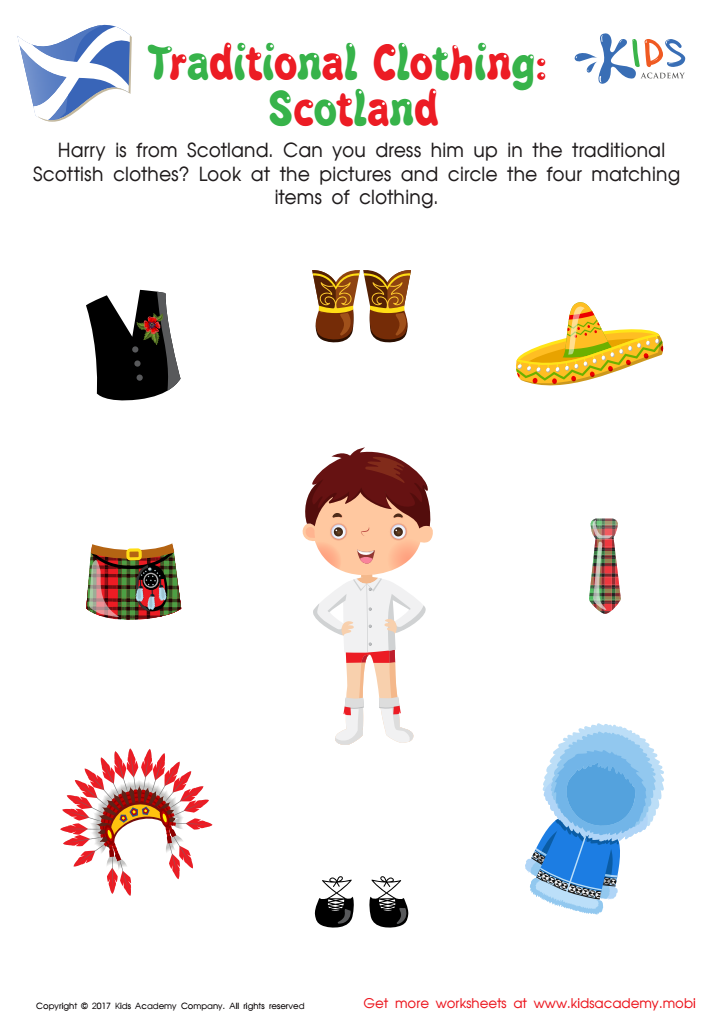
Traditional Clothing in Scotland Worksheet
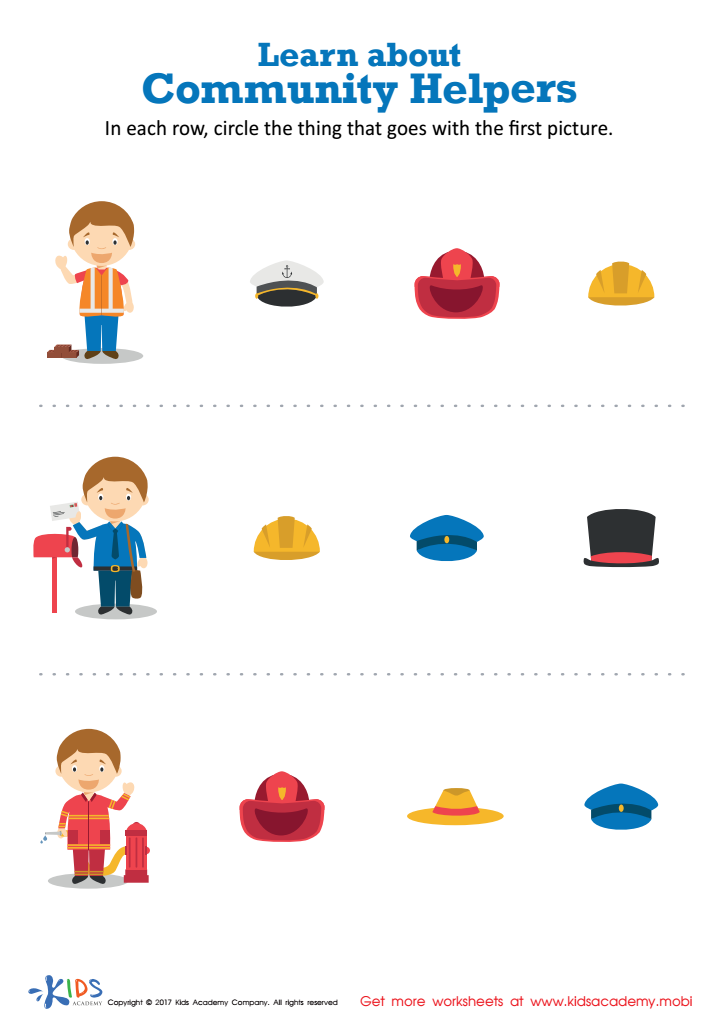
Learn about Community Helpers Printable


.jpg)




Parents and teachers play a pivotal role in the development of identification skills in early learners, especially in social studies. For children aged 5-6, these skills form the foundation for understanding themselves and their place in the world. Developing identification skills allows young learners to recognize and categorize people, places, and events, fostering critical thinking and comprehension abilities.
In social studies, these competencies help children make sense of diverse cultures, community roles, and basic geographic concepts. By learning to identify and categorize various social elements, children enhance their curiosity and engage better with their environment, building a sense of belonging and community awareness.
Furthermore, cultivating identification skills during this critical developmental period encourages social interactions, empathy, and respect for differences among peers. It also lays the groundwork for future learning, where deeper knowledge of social dynamics becomes essential. Enhancing these skills through meaningful interactions, discussions, and hands-on activities, helps stimulate cognitive development and prepares our children to navigate an increasingly complex society. Ultimately, prioritizing identification skills in early education has lasting benefits, shaping informed, empathetic, and engaged citizens. Parents and teachers should recognize this vital connection and invest in nurturing these skills for the holistic development of young learners.