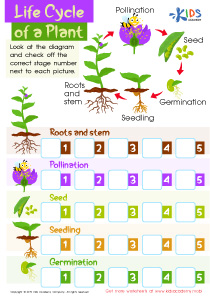
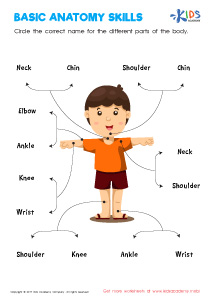
Cognitive Development Normal World Around Us Worksheets for Ages 5-6
6 filtered results
-
From - To
Explore our "Cognitive Development Normal World Around Us Worksheets for Ages 5-6" designed to enhance young minds! These engaging, printable worksheets help boost critical thinking and problem-solving skills by inviting kids to explore their surroundings. Perfect for children aged 5 to 6, our sheets cover a broad spectrum of activities, from matching and sequencing to identification and comprehension exercises rooted in real-world contexts. Created by educational experts at Kids Academy, these worksheets aim to stimulate curiosity and cognitive growth, paving the way for lifelong learning. Equip your child with the tools they need to understand and interact with the world confidently!
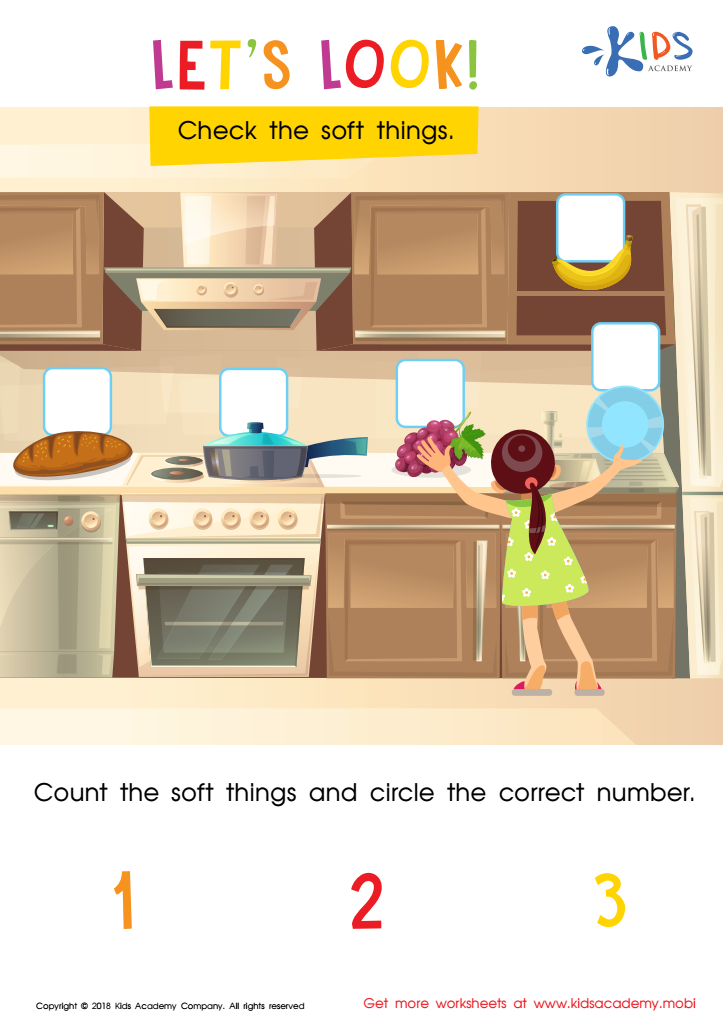
Let's Look! Assessment Worksheet
 Assign to My Students
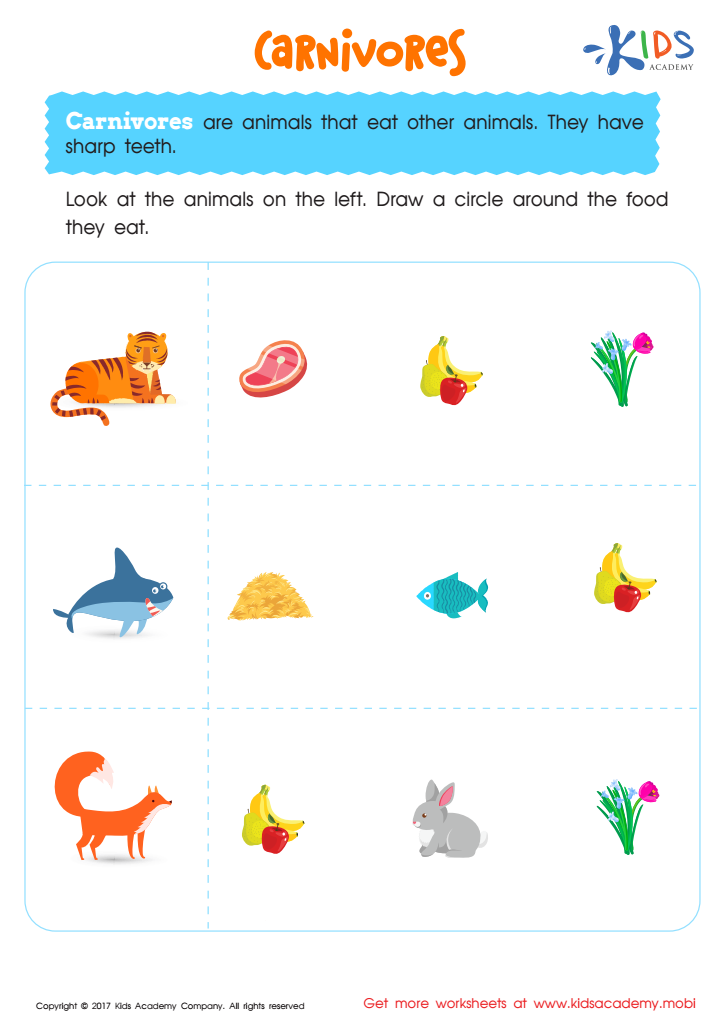
Carnivores Worksheet
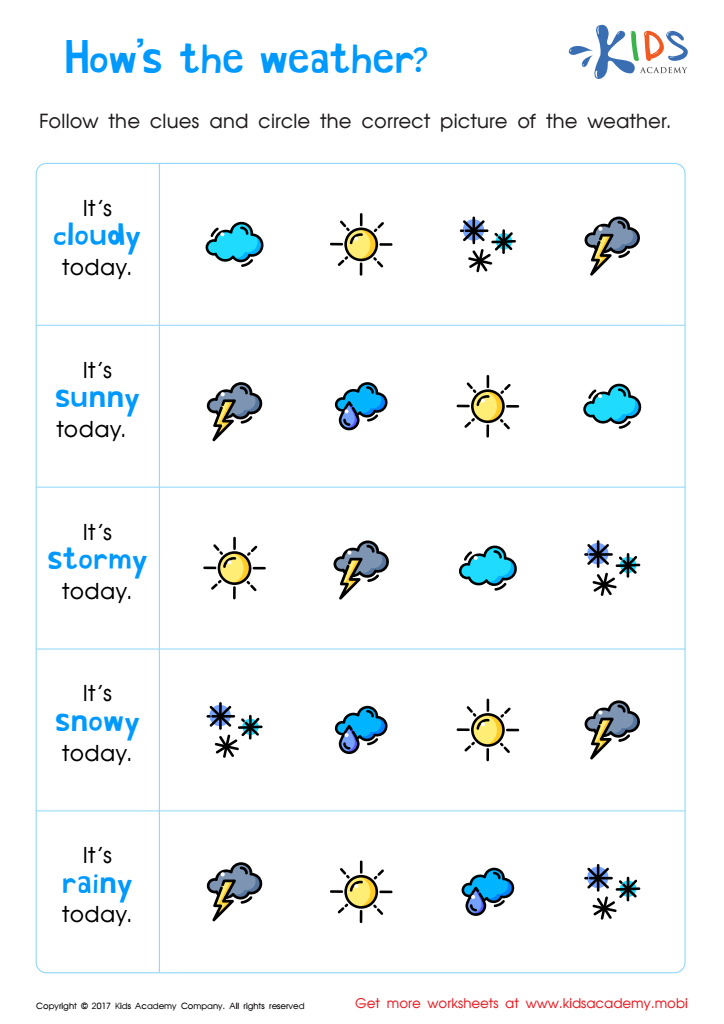
Hows the Weather Worksheet

Traditional Dance Printable

Arctic Animals Worksheet
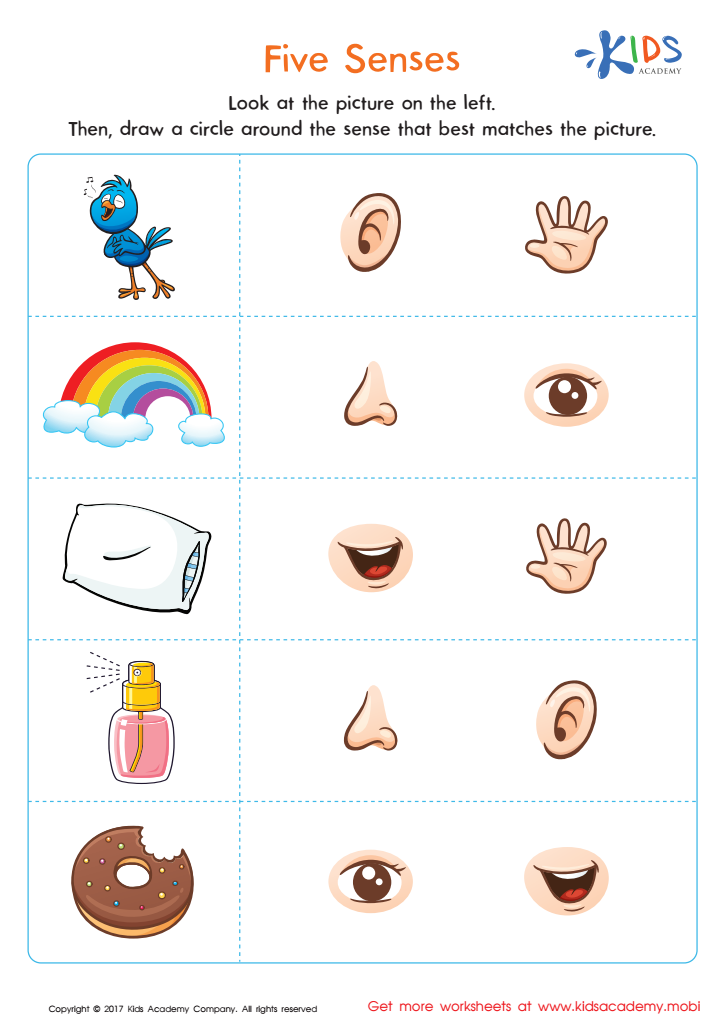
Five Senses Printable




.jpg)


Parents and teachers should care deeply about cognitive development in children aged 5-6 because this period is a crucial developmental stage that lays the foundation for future learning and reasoning abilities. At this age, children begin to transition from intuitive thought to more logical processes. They start to understand complex concepts such as time, numbers, and basic cause-and-effect relationships, which are fundamental to academic success.
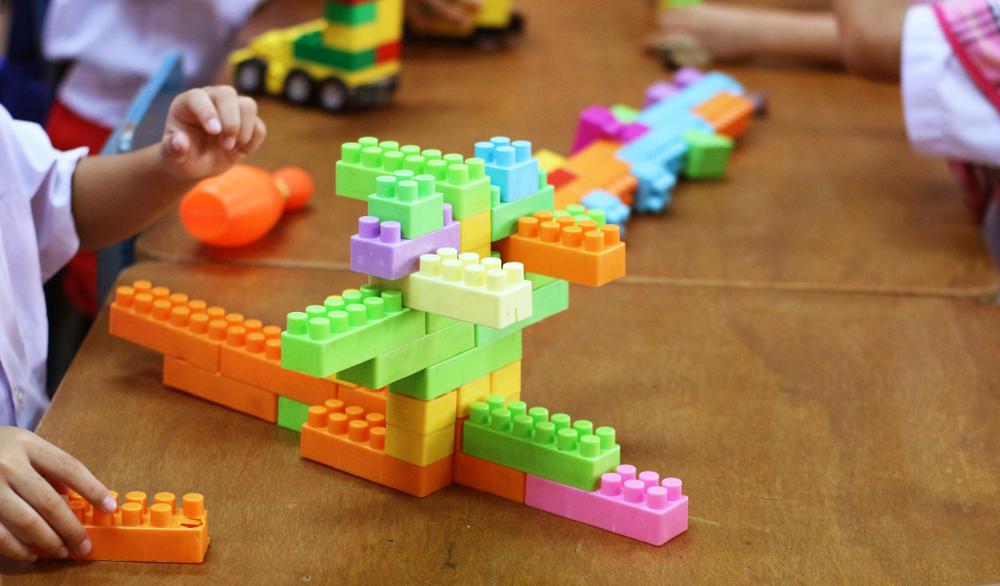
Engagement in various cognitive activities enhances critical thinking and problem-solving skills. For example, tasks requiring sorting, classifying, or simple puzzles help develop these abilities. Additionally, language development, including vocabulary and grammar, rapidly evolves, making story-telling and interactive reading essential practices that stimulate imagination and comprehension skills.
Moreover, cognitive development is tightly interwoven with social and emotional growth. Children's ability to pay attention, remember instructions, and control impulses directly impacts their behavior in classroom settings. This contributes to better relationship-building with peers and adults, fostering a supportive learning environment.
Overall, nurturing cognitive development from ages 5-6 equips children with the essential tools for academic achievements and daily life interactions. Parents and teachers who prioritize this development help children build a strong intellectual and social foundation, enabling them to navigate the complexities of the world more effectively as they grow.