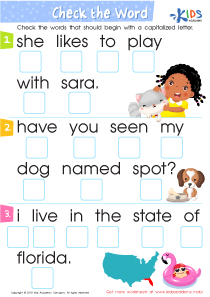
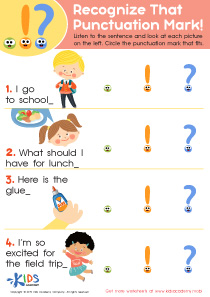
Reading proficiency Normal Writing Worksheets for Ages 5-6
3 filtered results
-
From - To
Enhance your child's reading proficiency with our engaging Normal Writing Worksheets designed specifically for ages 5-6. These worksheets feature a variety of fun and interactive activities that focus on developing essential reading skills, including phonetic awareness, sight words, and comprehension. Each worksheet is thoughtfully crafted to keep young learners motivated and excited about reading. Ideal for homeschooling or classroom settings, these printable resources encourage creativity while reinforcing literacy concepts. Help your child build a solid foundation for future learning and literacy success! Explore our collection today to make reading a joyful experience for your little one.
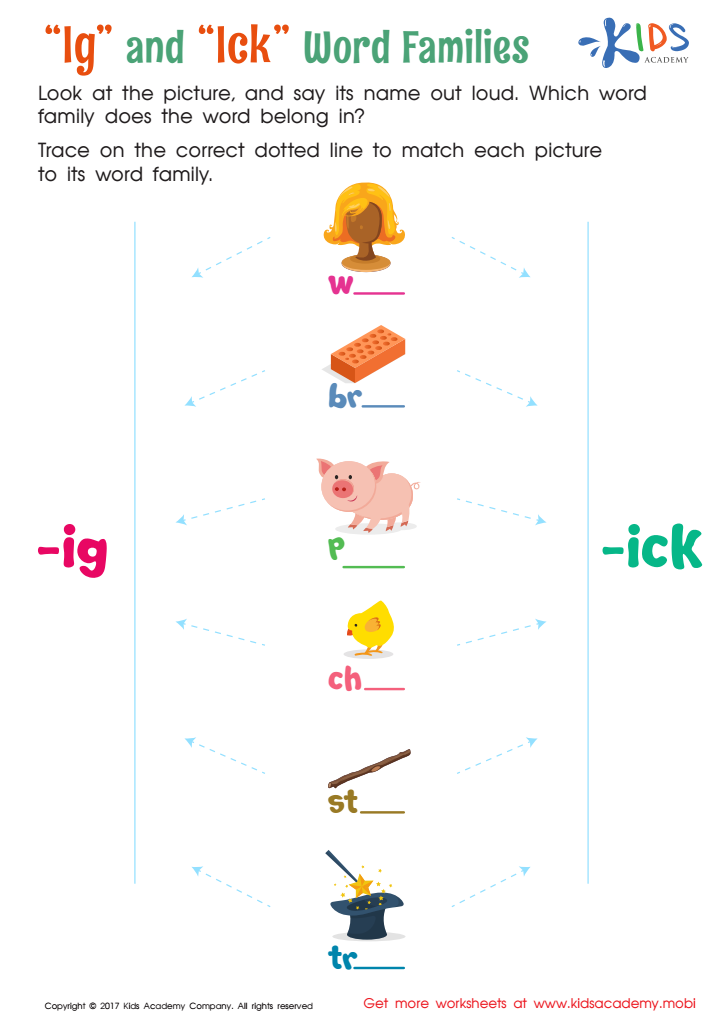
Words Families "ig" and "ick" Spelling Worksheet
 Assign to My Students
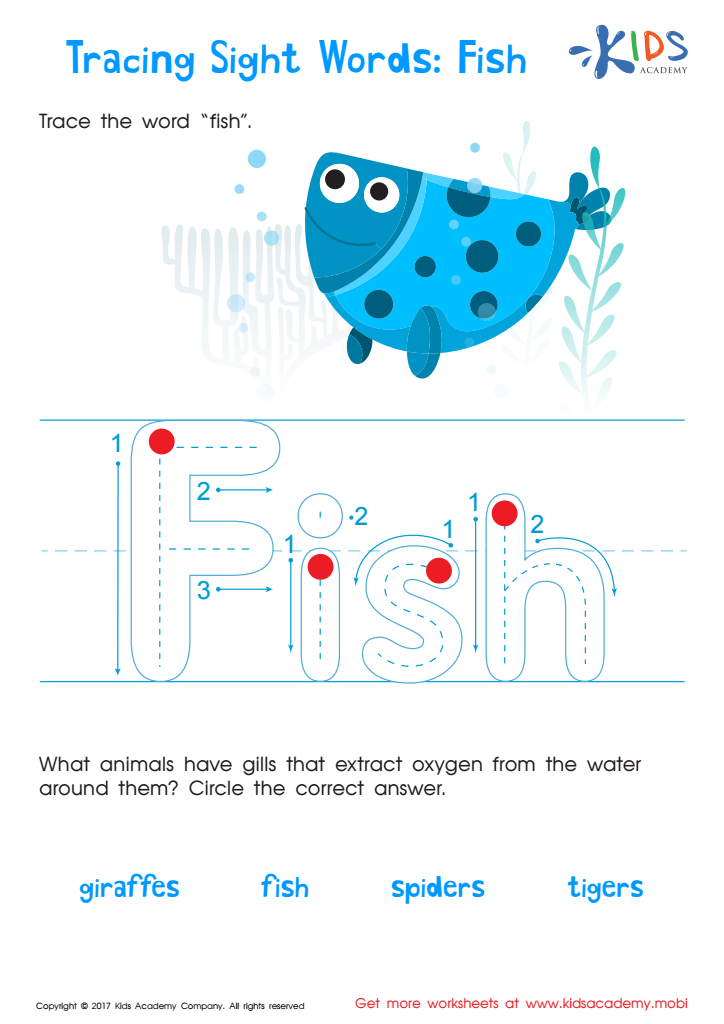
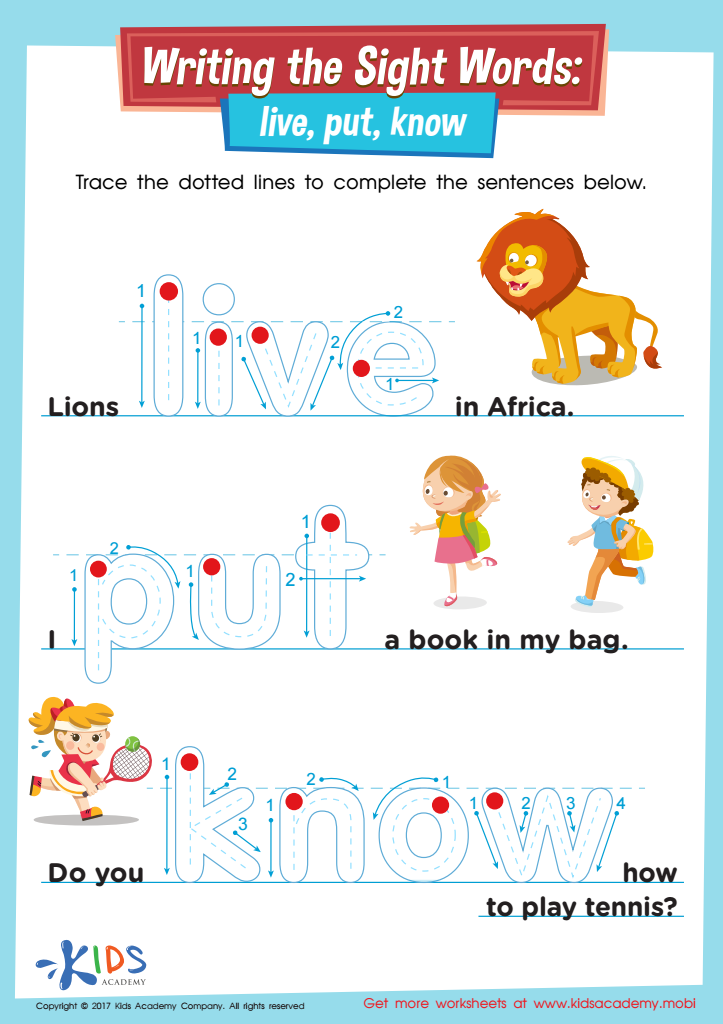
Live, Put, Know Printable Sight Words Worksheet





.jpg)


Reading proficiency for ages 5-6 is crucial for a child's overall development and future academic success. At this stage, children are building foundational skills that will shape their literacy abilities for years to come. Strong reading proficiency helps foster a love for learning, improving their confidence as they navigate texts and comprehend stories.
Parents and teachers play a vital role in nurturing these skills. Early readers are more likely to develop critical thinking, problem-solving abilities, and effective communication skills. Additionally, proficient reading enhances vocabulary, allowing children to express themselves better and understand the world around them. As they engage with stories, children also learn empathy and social lessons, enriching their emotional intelligence.
Investing time in reading activities promotes not just academic readiness but also a lifelong enthusiasm for reading and learning. For educators, recognizing the significance of early reading lays the groundwork for tailored teaching strategies that cater to diverse learning styles. For parents, encouraging literacy at home creates a supportive environment, leading to stronger parent-child bonds. Ultimately, prioritizing reading proficiency in early childhood contributes to producing well-rounded, successful individuals prepared to tackle future challenges.