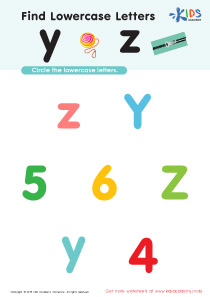
Alphabet Recognition Normal Uppercase Letters Worksheets for Ages 5-7
10 filtered results
-
From - To
Enhance your child's learning experience with our Alphabet Recognition Normal Uppercase Letters Worksheets, designed specifically for ages 5-7. These engaging worksheets focus on helping young learners identify and recognize uppercase letters through fun activities and exercises. Ideal for reinforcing foundational literacy skills, our worksheets include tracing, matching, and coloring tasks that make learning enjoyable. Each worksheet is crafted with age-appropriate challenges to promote confidence and self-assurance in reading and writing. Empower your child’s educational journey with interactive resources that foster early literacy development and lay the groundwork for their future academic success. Start learning today with our easy-to-use printable worksheets!
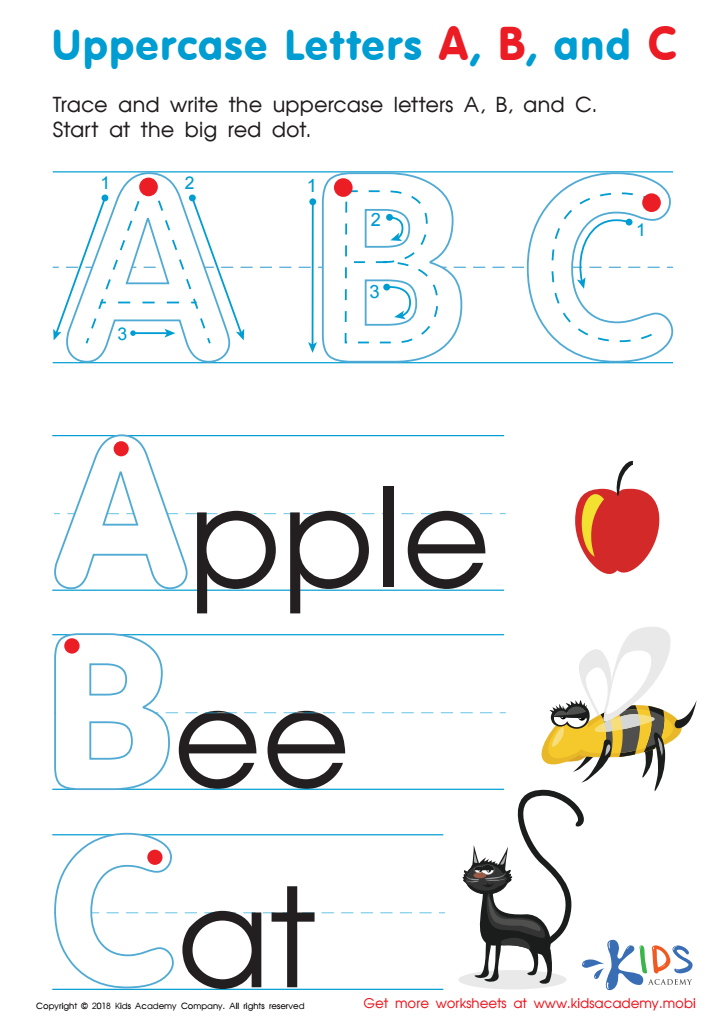
Uppercase Letters A, B, and C Worksheet
 Assign to My Students
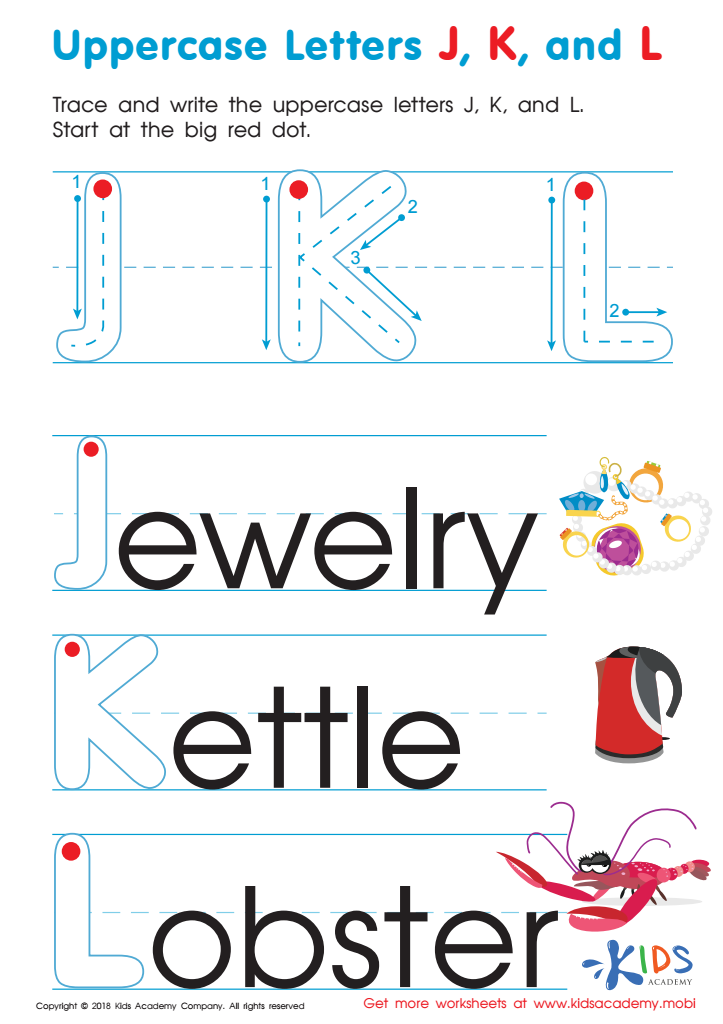
Uppercase Letters J, K, and L Worksheet
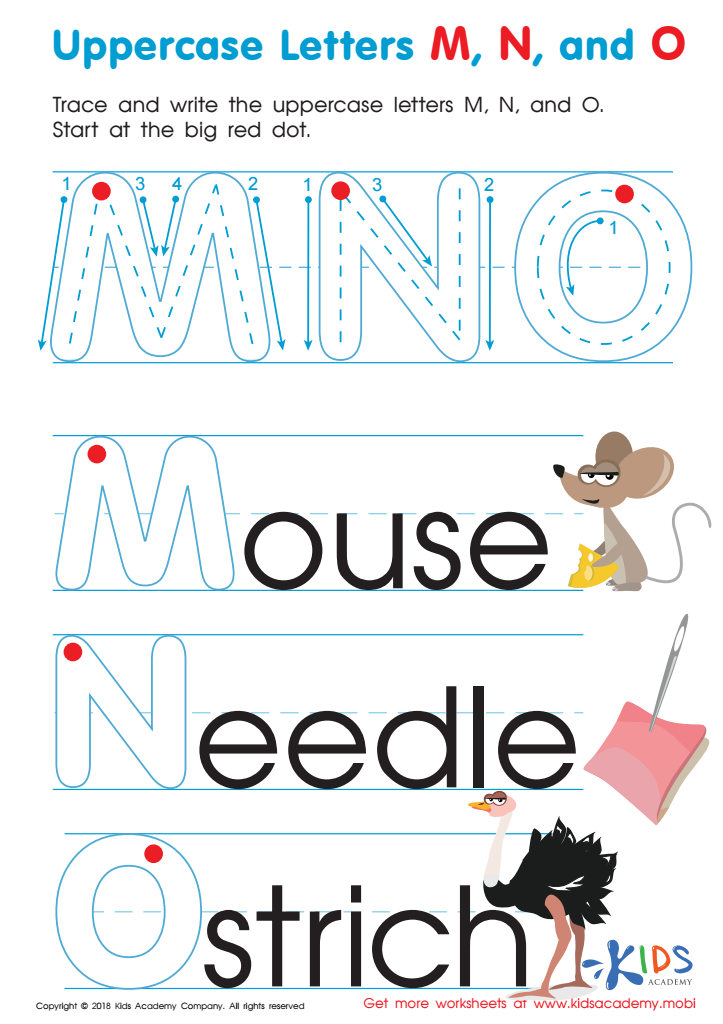
Uppercase Letters M, N, and O Worksheet
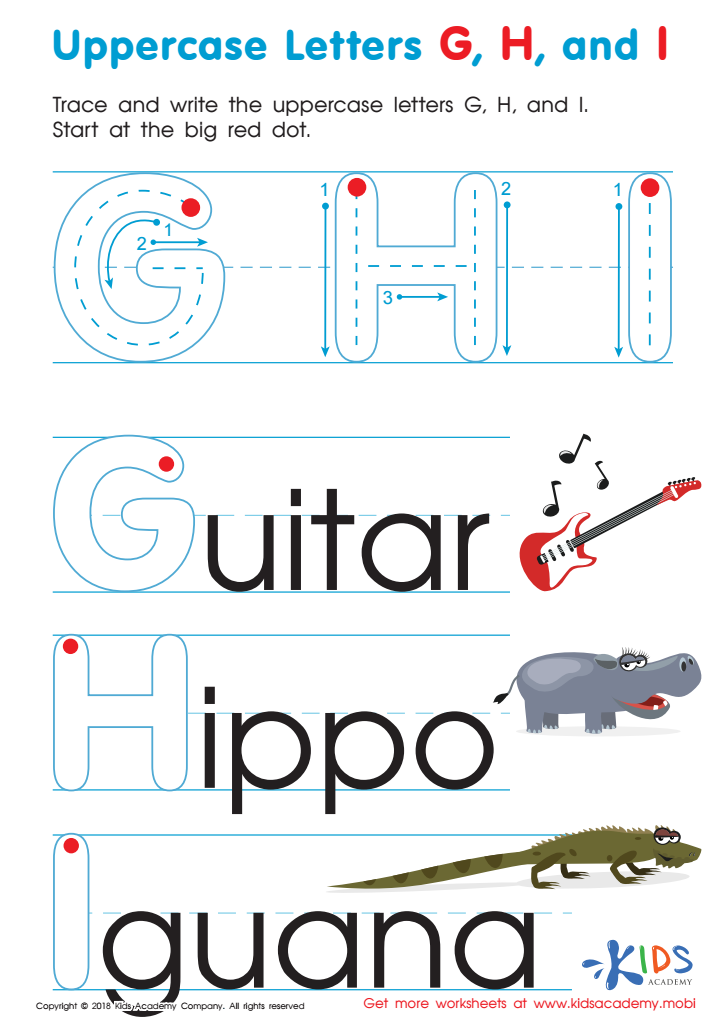
Uppercase Letters G, H, and I Worksheet
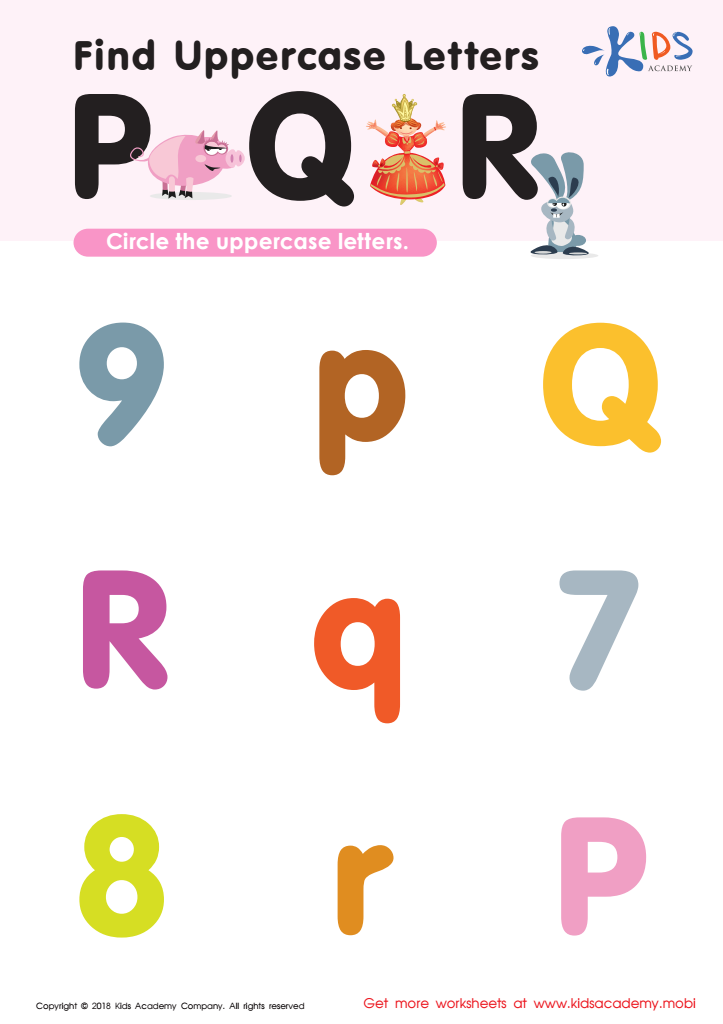
Find Uppercase Letters P, Q, and R Worksheet
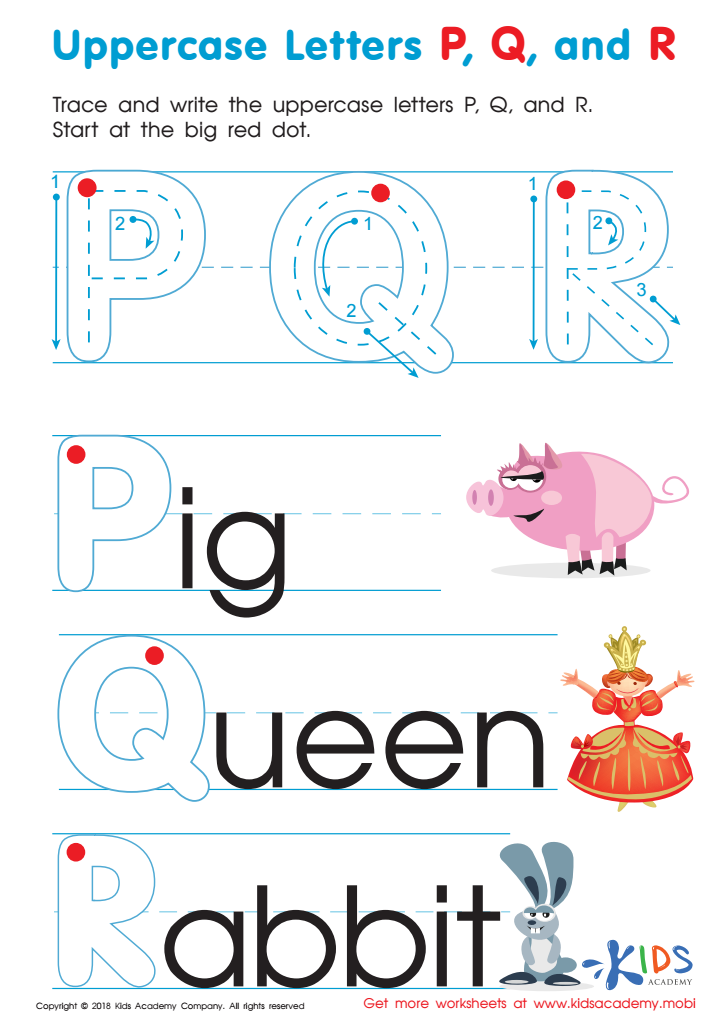
Uppercase Letters P, Q, and R Worksheet
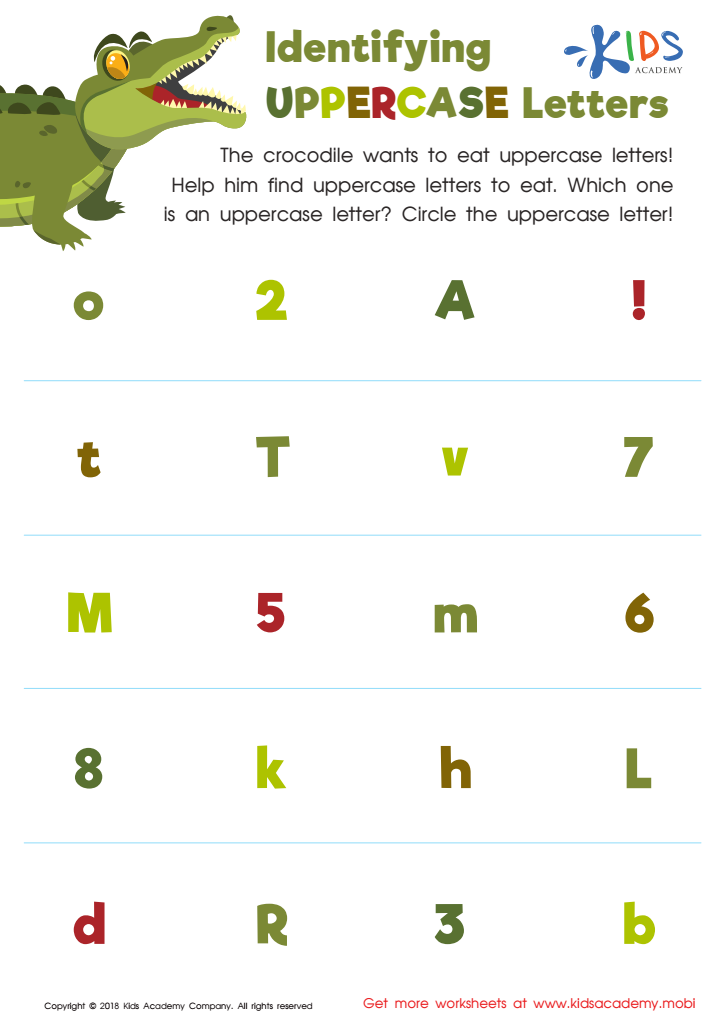
Identifying Uppercase Letters Worksheet
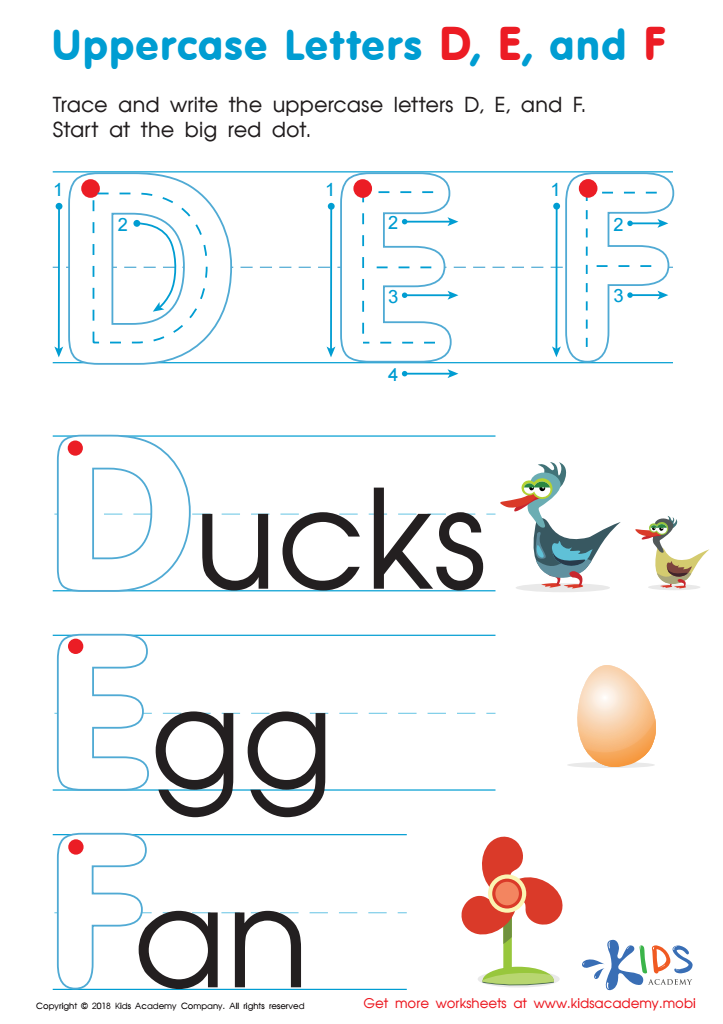
Uppercase Letters D, E, and F Worksheet
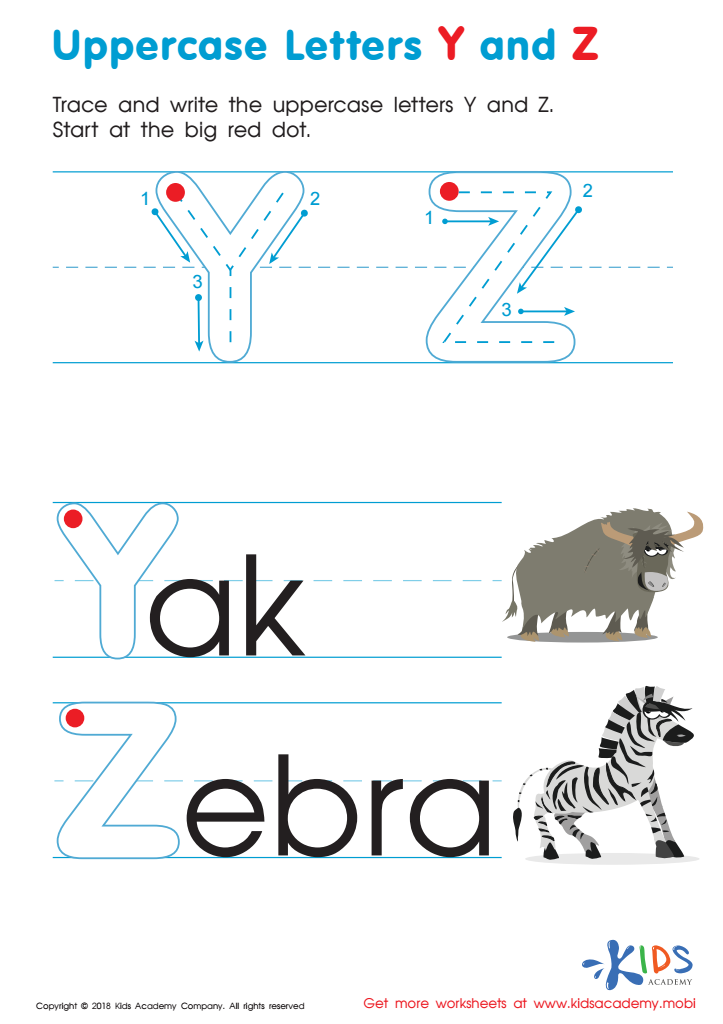
Uppercase Letters Y Z Worksheet
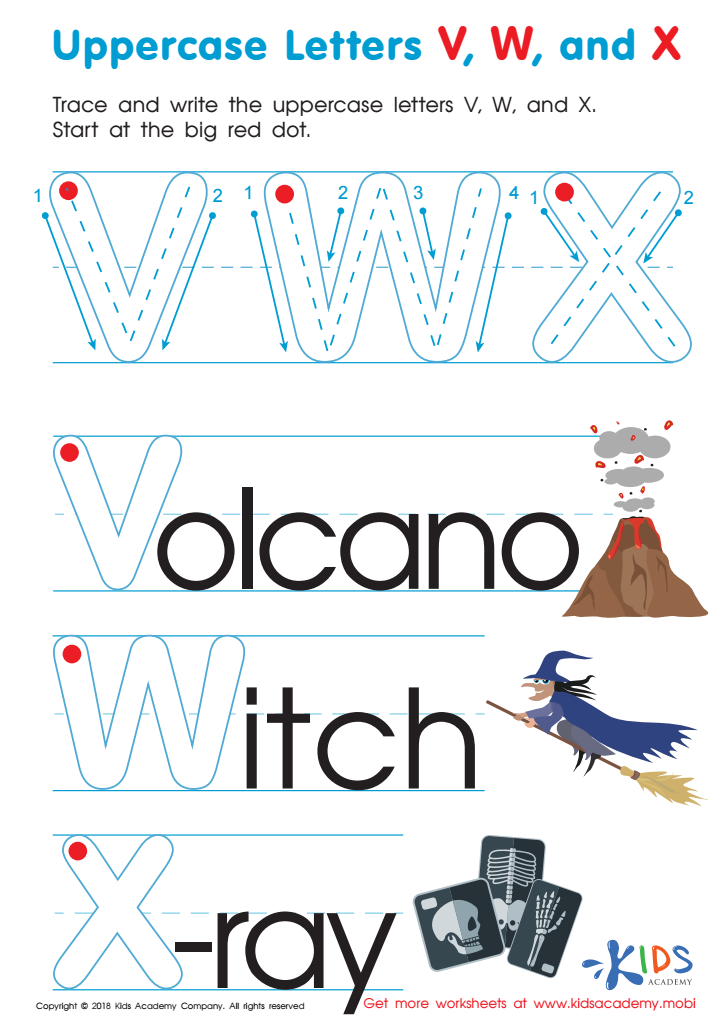
Uppercase Letters V, W, and X Worksheet








Alphabet recognition, particularly of uppercase letters, is a foundational skill for children aged 5-7 that significantly impacts their literacy development. At this stage, children are transitioning from recognizing letters to using them in reading and writing, crucial for their academic success. When children can identify and name uppercase letters, they develop essential phonemic awareness, enabling them to decode words more effectively and facilitating smoother transitions into reading comprehension.
Teachers and parents should be attentive to this skill because it builds confidence in children as they begin to engage with texts. Mastery of uppercase letters allows children to label their artwork, read simple books, and participate in classroom activities, fostering social interaction and collaboration. Moreover, knowledge of uppercase letters is vital for understanding the rules of writing, such as the beginning of sentences and proper nouns.
In essence, prioritizing alphabet recognition cultivates a love for reading and learning, laying the groundwork for future academic endeavors. By encouraging this skill through playful activities and supportive practices, parents and teachers contribute significantly to a child's cognitive and emotional development, ensuring they are better prepared for the challenges ahead in their educational journey.