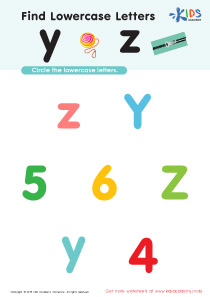
Handwriting practice Normal Uppercase Letters Worksheets for Ages 5-7
6 filtered results
-
From - To
Discover our engaging Handwriting Practice Worksheets for Normal Uppercase Letters, designed especially for children aged 5-7. These worksheets provide young learners with the perfect opportunity to develop their handwriting skills while mastering uppercase letters. Each activity encourages fine motor skills, letter recognition, and proper writing techniques through interactive and fun exercises. Our easy-to-follow sheets guide kids in practicing letter formation, helping them gain confidence in their writing abilities. Printed on high-quality paper, these worksheets can be reused for continuous practice. Perfect for classrooms or at-home learning, they lay the foundation for clear and confident handwriting for your young learners!
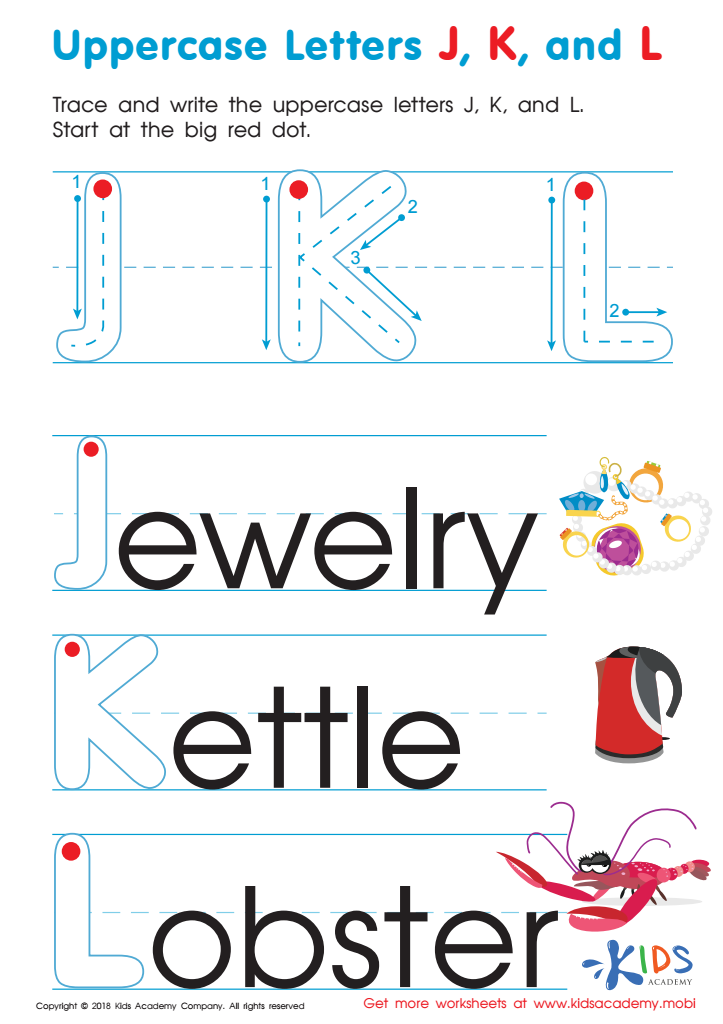
Uppercase Letters J, K, and L Worksheet
 Assign to My Students
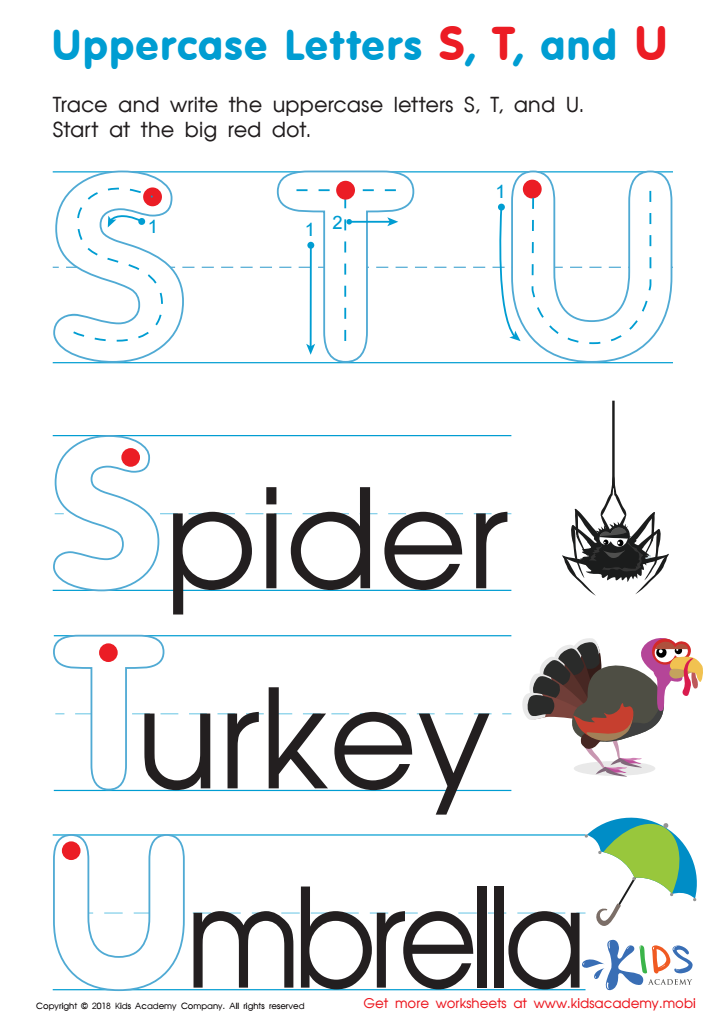
Uppercase Letters S, T, and U Worksheet
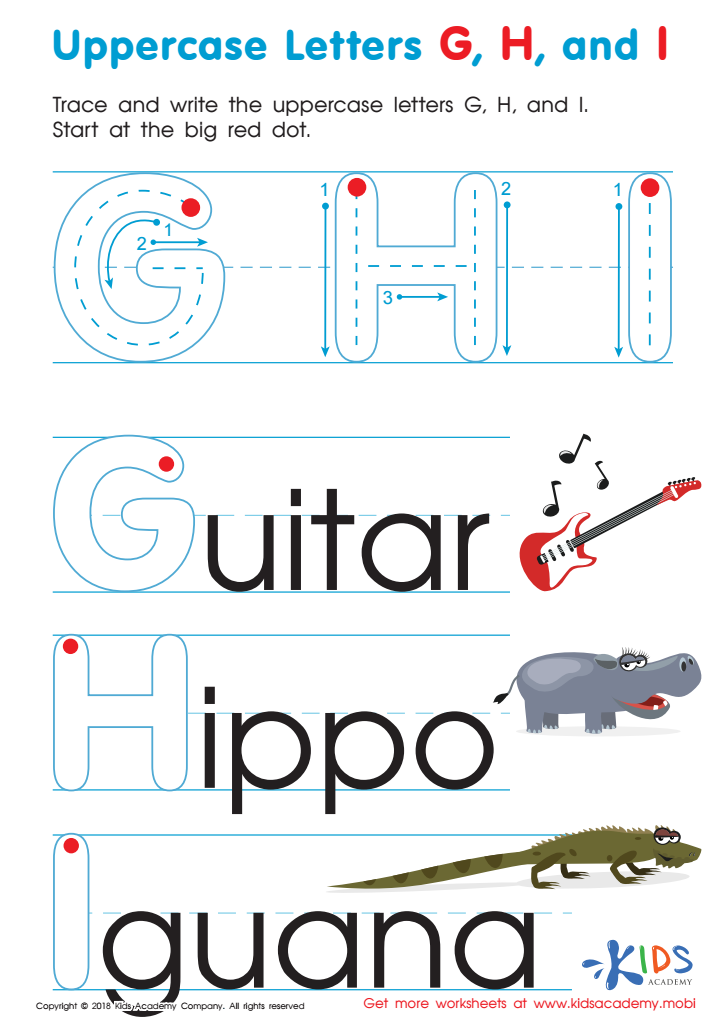
Uppercase Letters G, H, and I Worksheet
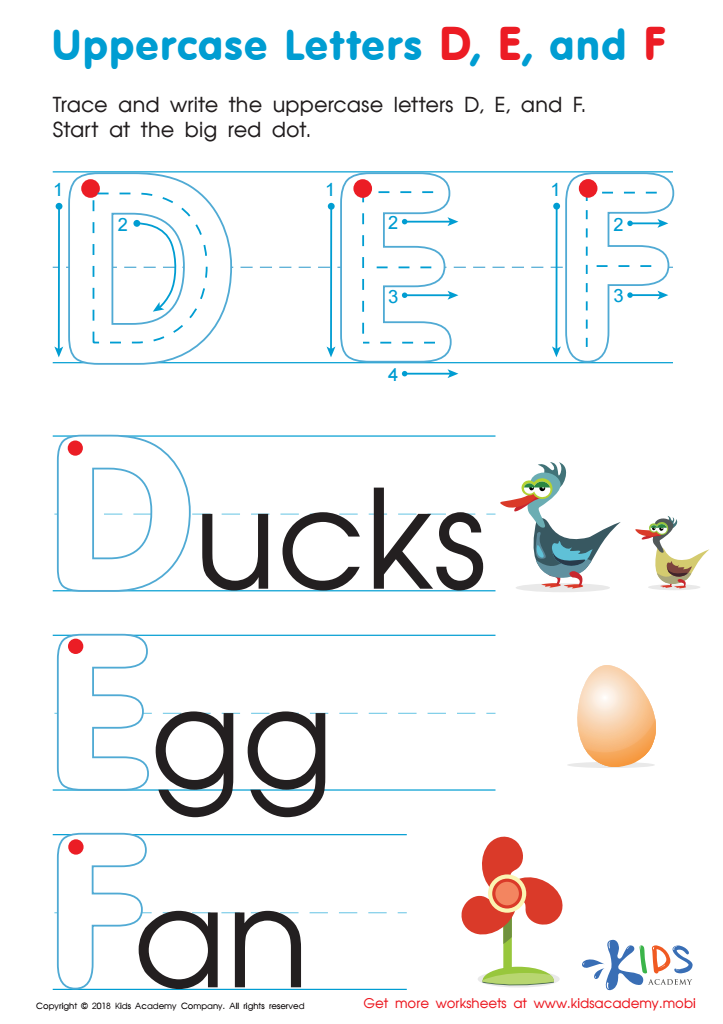
Uppercase Letters D, E, and F Worksheet
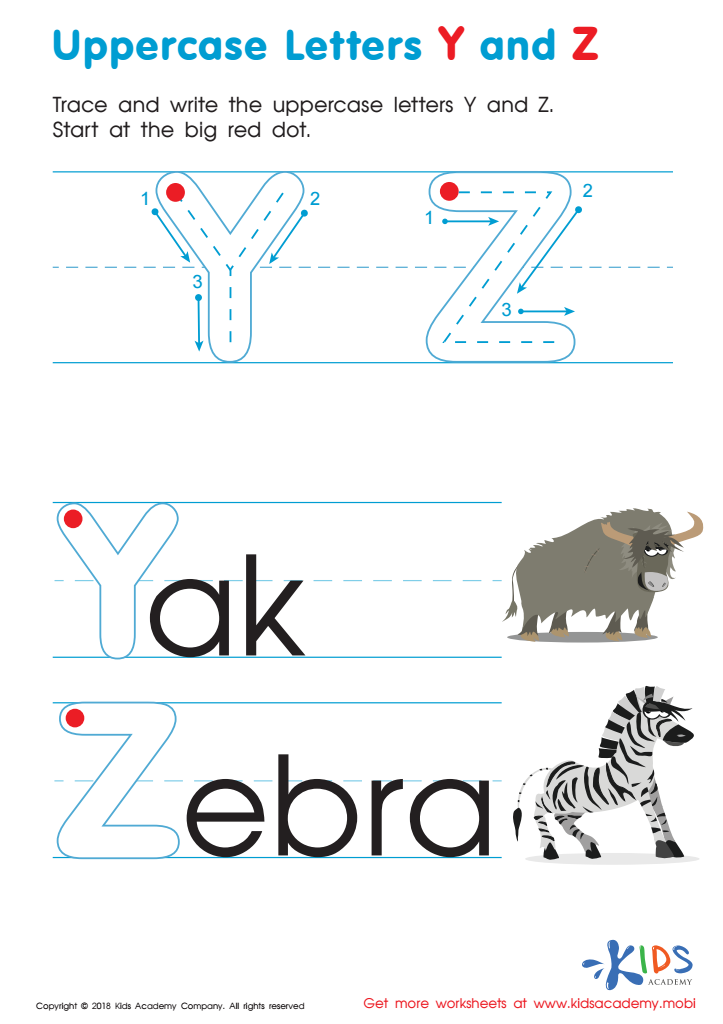
Uppercase Letters Y Z Worksheet
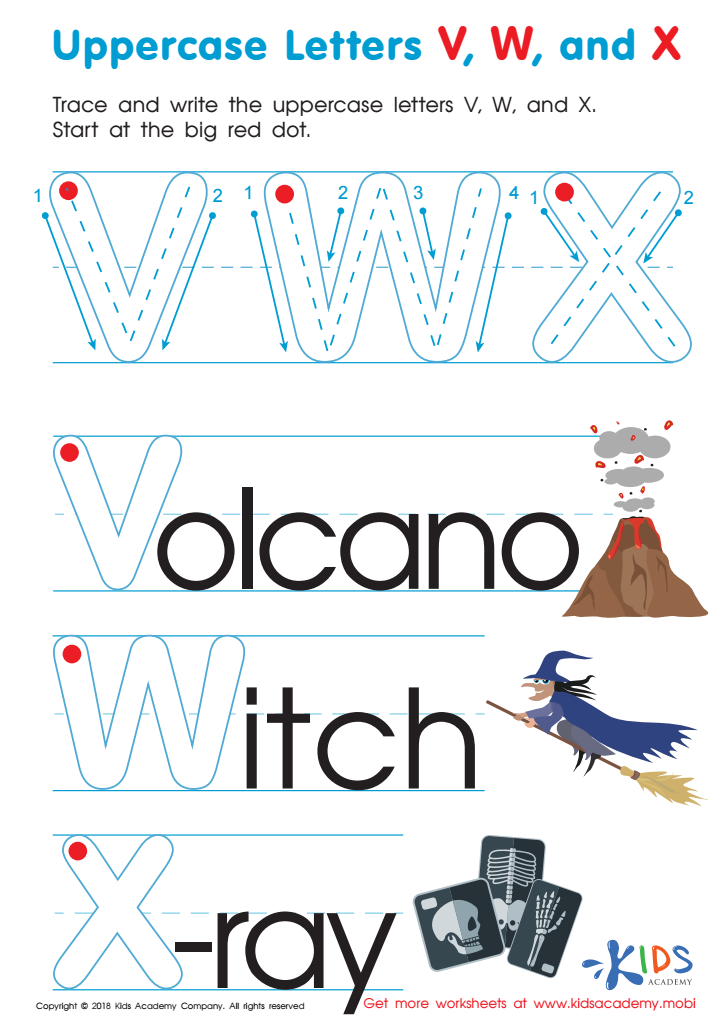
Uppercase Letters V, W, and X Worksheet








Handwriting practice for normal uppercase letters is crucial for children aged 5-7 as it lays the foundation for effective communication and academic success. At this developmental stage, children are refining their fine motor skills, which are essential not only for writing but also for tasks like using scissors and drawing. Practicing uppercase letters helps improve hand-eye coordination, grip, and dexterity.
Moreover, mastering uppercase letters fosters confidence and autonomy in young learners. Clear, legible handwriting ensures that their work is understood by peers and teachers, enhancing their ability to express themselves. Well-developed handwriting skills can also reduce frustration when children are learning to read and spell, as they learn to connect sounds and forms.
Additionally, practicing handwriting promotes cognitive development. As children engage in this repetitive activity, they reinforce their memory recall when associating letter forms with sounds and words. Furthermore, handwriting can serve as a calming and focused activity, offering a break from screens and allowing for skillful, creative expression. Age-appropriate handwriting practice contributes to a holistic educational experience, making it an essential focus for parents and teachers guiding young learners.