Color Identification Normal Coloring Pages Worksheets for Ages 5-7
6 filtered results
Difficulty Level
Grade
Age
-
From - To
Subject
Activity
Standards
Color Identification Normal Coloring Pages Worksheets for ages 5-7 are an engaging educational tool designed to help young learners easily recognize and differentiate colors. These printable worksheets, offered by Kids Academy, combine fun coloring activities with essential learning skills. Each page invites children to color various shapes, objects, and scenes while reinforcing their understanding of basic color concepts. Perfect for both classroom and home use, these worksheets support early development skills including hand-eye coordination, fine motor skills, and color vocabulary. Equip your child with the tools they need for academic success through these entertaining and educational coloring pages.
Favorites
With answer key
Interactive
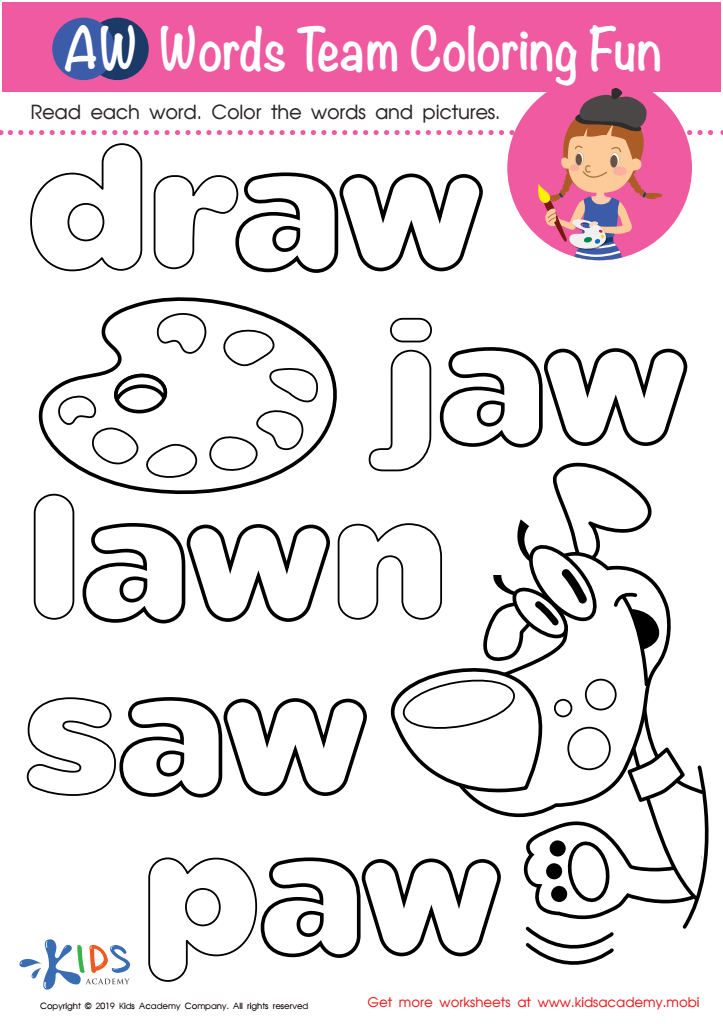
AW Words Team Coloring Fun Worksheet
Coloring words they can read is a blast for little learners! This worksheet offers emerging readers the chance to practice and gain confidence in reading words from the -aw family, while also improving fine-motor and creativity skills. Without knowing it, they'll learn about phonetic teams along the way!
Download (PDF)
 Assign to My Students
Assign to My Students
AW Words Team Coloring Fun Worksheet
Worksheet
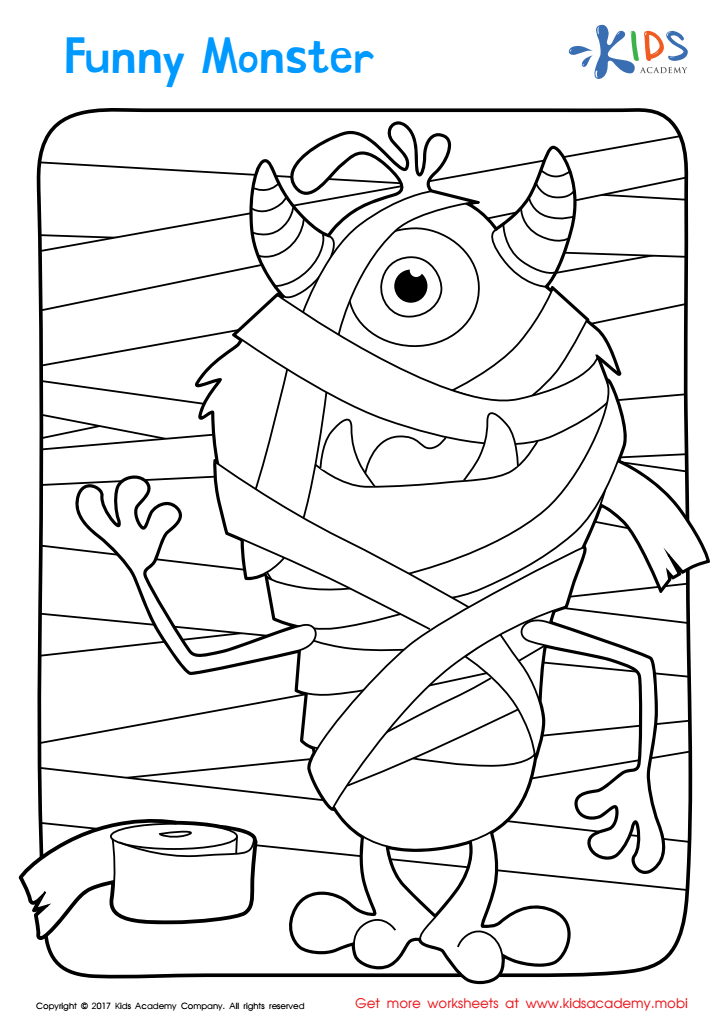
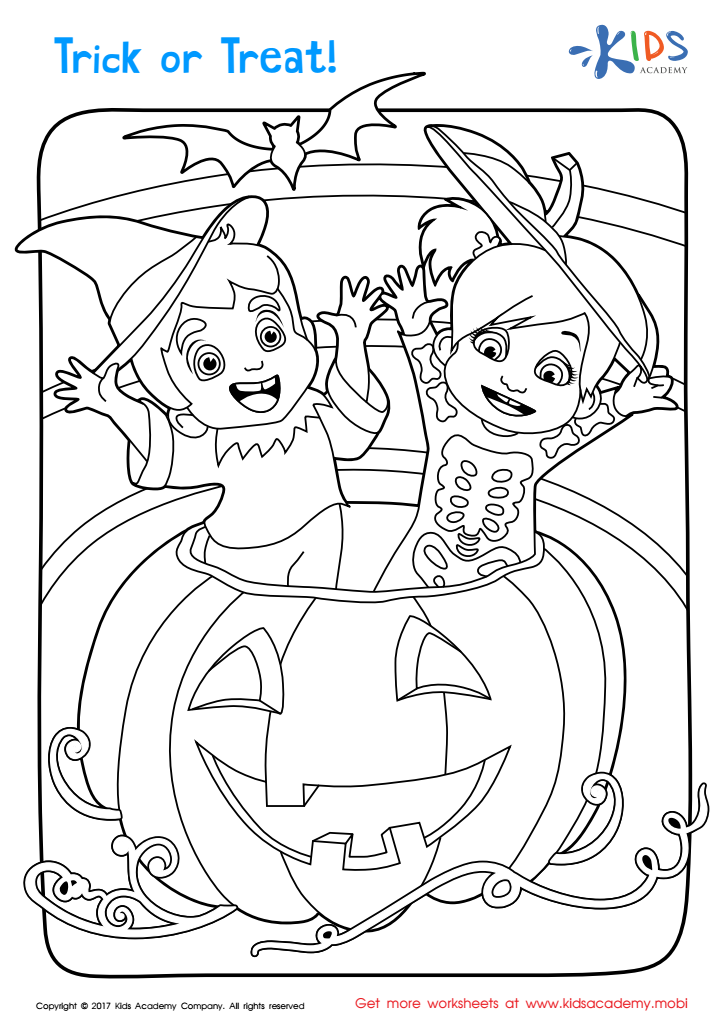
Halloween: A Funny Monster Worksheet
Get ready for spooky fun: print and color this Halloween coloring page with your child today!
Encourage your child to get into the Halloween spirit with a free coloring page! Print it on cardstock to decorate a trick-or-treat bag or hang it up on the wall. Kids will love creating their own custom-made box or adding it to an existing bag to take on their candy-collecting adventure. Get ready for fun and print out this page now!
Download (PDF)
Assign to My Students
Assign to My Students
Halloween: A Funny Monster Worksheet
Worksheet
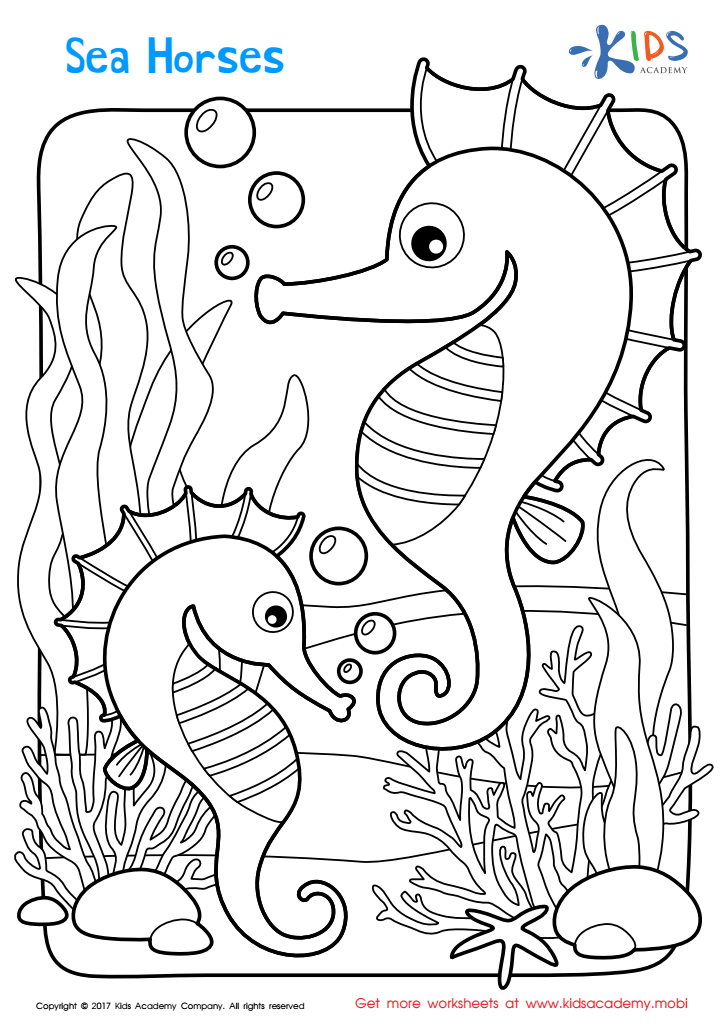
Sea Horses Printable
Let your child explore the deep blue sea with this sea horses coloring page! They'll have fun picking colors, then discover more with a book about this fascinating creature.
Download (PDF)
Assign to My Students
Assign to My Students
Sea Horses Printable
Worksheet
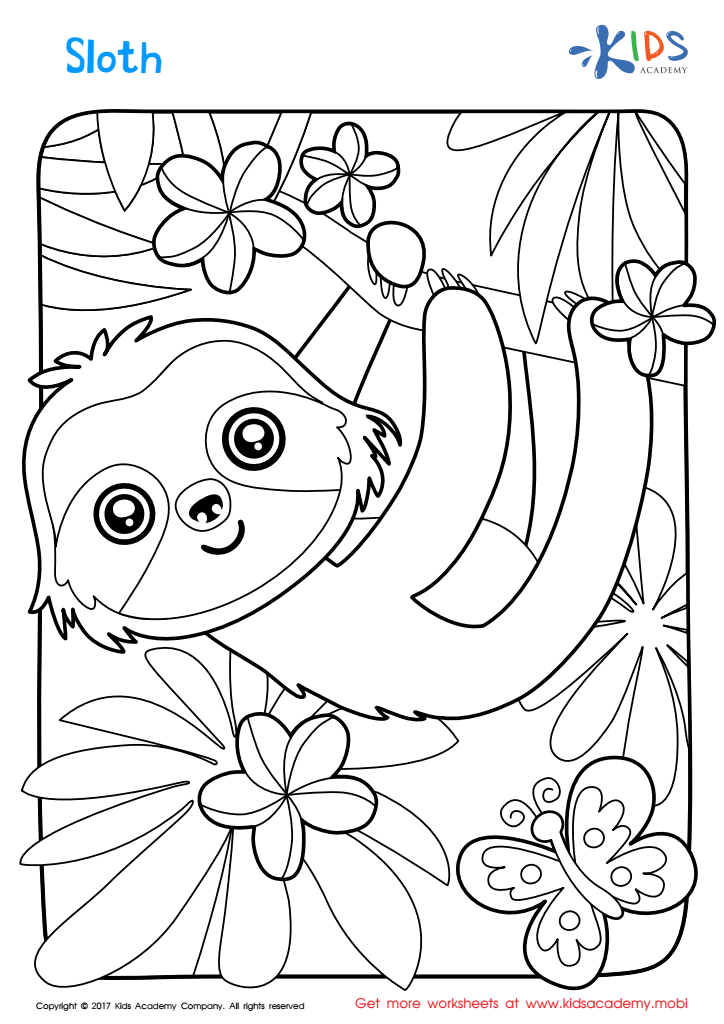
Sloth Worksheet
Get your kid excited to color the sloth coloring page! Explain to them the fascinating details of this slow-moving animal. Once complete, show it off on the fridge! For an extra lesson, look up more sloth pics and facts!
Download (PDF)
Assign to My Students
Assign to My Students
Sloth Worksheet
Worksheet
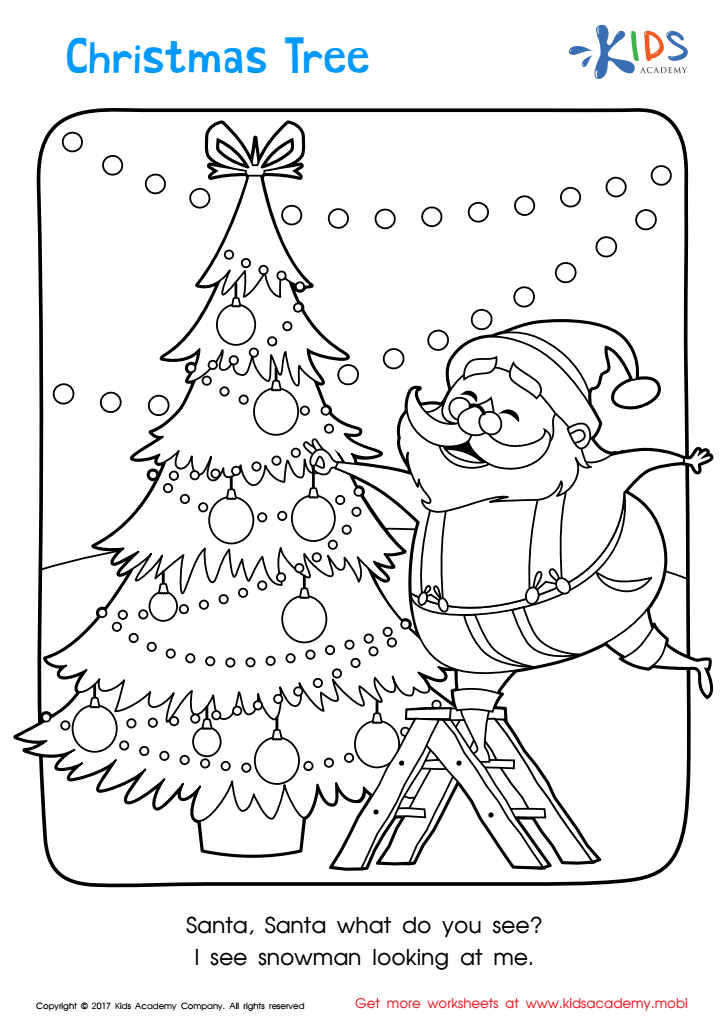
Christmas: Christmas Tree Printable
Help Santa get ready for Christmas! Let your child use their creativity to decorate his tree with this festive coloring page. Talk about Christmas-themed colors and encourage them to draw a fireplace, elves, or reindeer. Have your child decorate their room or give the coloring page to someone with a gift or card. There are plenty of ways to help your child spread the joy of the season with this fun activity!
Download (PDF)
Assign to My Students
Assign to My Students
Christmas: Christmas Tree Printable
Worksheet
Join Kids Academy for Free
Who is primarily going to use this learning content?








Color identification coloring pages can significantly influence the cognitive and emotional development of children aged 5-7. During these formative years, children are not only learning to recognize and name colors but also strengthening crucial cognitive skills.
Firstly, these activities promote visual discrimination. As children work on coloring within the lines and choosing the right colors, they enhance their ability to distinguish subtle differences in shapes and hues, key for reading and math skills later. Engaging in coloring within a guided context ensures they pay closer attention to details, honing their focus and observational skills.
Secondly, fine motor skills are developed as children hold crayons and markers to color. This practice improves hand-eye coordination and prepares them for more complex tasks like writing. The repetitive movements also enhance muscle memory, contributing to greater dexterity and control.
Moreover, color identification coloring exercises help in boosting self-esteem and emotional expression. Completing a coloring page correctly offers a sense of achievement, fostering confidence. It also serves as a medium through which children can express their emotions creatively, important for their emotional intelligence.
Additionally, these pages often include themes that acquaint children with their surroundings, broadening their general knowledge. Encouraging proper use of colors can direct their learning and make real-world connections more recognizable.
In essence, such activities form a foundational block supporting academic, motor, and emotional skills. Parents and teachers should thus incorporate them to create a balanced, engaging learning environment.