Alphabet sequencing Normal Worksheets for Ages 5-7
4 filtered results
-
From - To
Our Alphabet Sequencing Normal Worksheets are designed for children ages 5-7 to enhance their literacy skills in a fun and engaging way! These worksheets help young learners practice alphabetical order, recognizing letters, and improving their sequencing abilities. Perfect for both classroom and home use, these activities are tailored to bolster cognitive development and fine motor skills. Children will find these exercises enjoyable and educational, boosting their confidence in their reading and writing abilities. Make learning exciting and effective with our expertly crafted alphabet sequencing worksheets, setting a solid foundation for academic success.
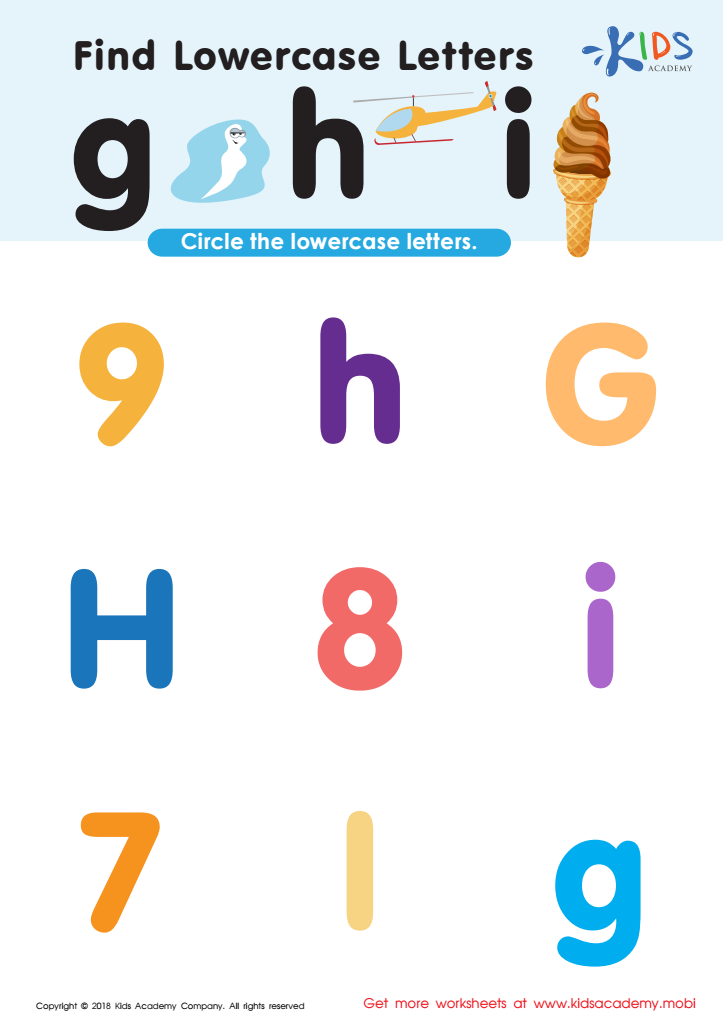
Find Lowercase Letters g h i Worksheet
 Assign to My Students
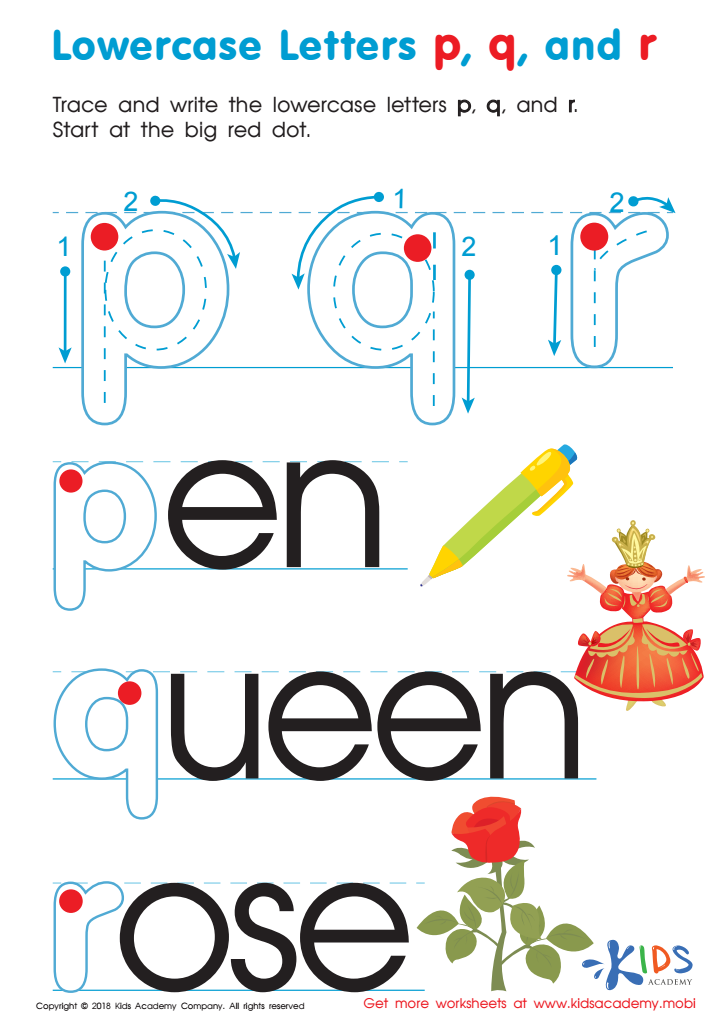
Lowercase Letters p q r Worksheet
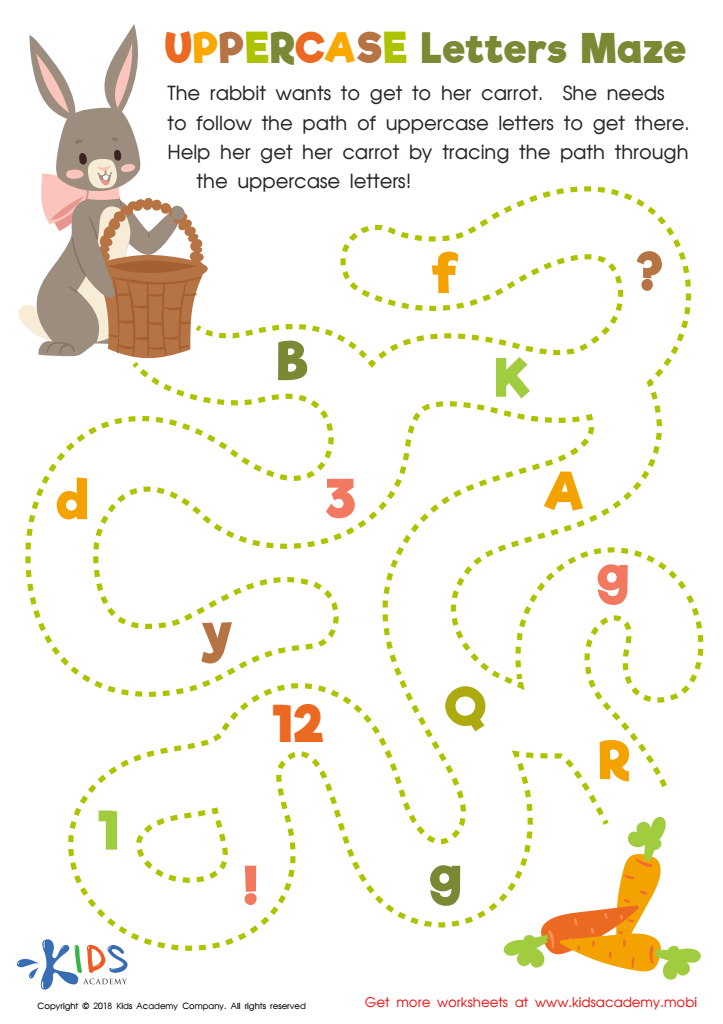
Uppercase Letters Maze Worksheet
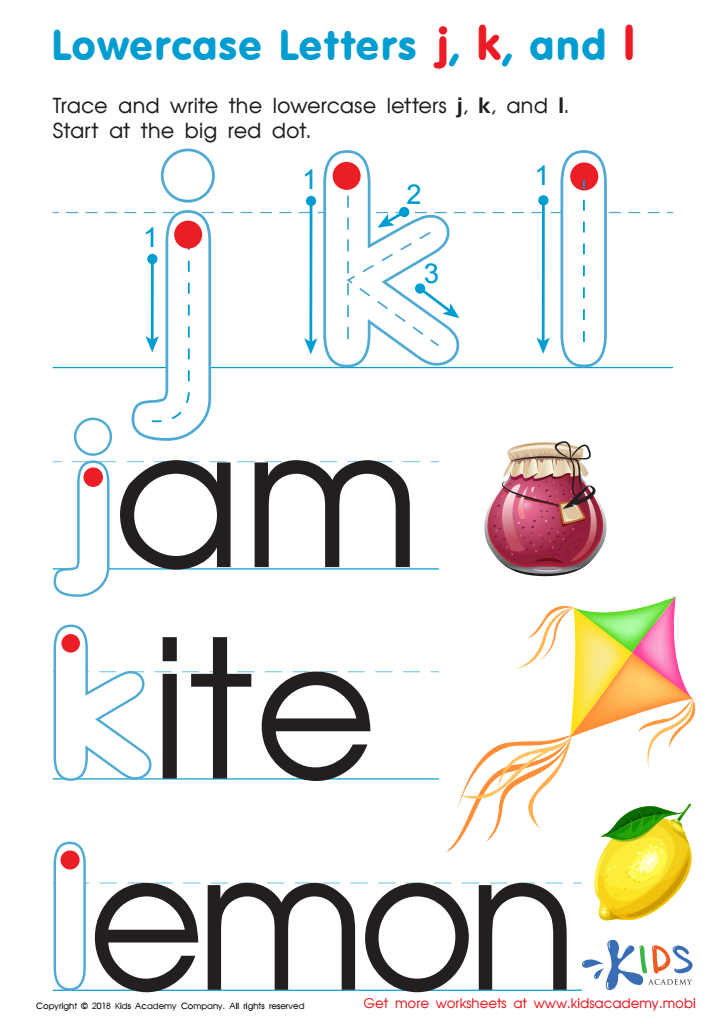
Lowercase Letters j k l Worksheet






.jpg)
Caring about alphabet sequencing at ages 5-7 is crucial because it forms the foundation for future literacy and academic success. Firstly, recognizing and ordering letters prepares children for reading by helping them understand the principle that letters represent sounds and combining them forms words. This phonemic awareness is a critical early literacy skill.
Teaching children the sequence of the alphabet also boosts their memory and cognitive abilities, as they learn to recall and order information systematically. This skill is transferable and benefits other areas of learning and problem-solving.
Additionally, alphabet sequencing aids in vocabulary development. When children know the order of letters, they can more easily use dictionaries and other reference materials, gradually enhancing their word knowledge and comprehension.
For teachers, consistent emphasis on alphabet sequencing helps identify students who might struggle with literacy skills early on, allowing for timely intervention. For parents, understanding how essential this skill is can encourage supportive home-learning environments, where children are encouraged to practice and recreationally engage with letters through songs, puzzles, and books.
By prioritizing alphabet sequencing, we are ensuring that children build a solid educational foundation, fostering confidence and competence in their reading and writing abilities. This early intervention ultimately supports ongoing academic achievement and lifelong learning.








