Discover our engaging Basic Counting Skills worksheets designed for children ages 5-7! These printable resources offer fun and interactive activities that make learning to count enjoyable. Through various exercises, kids will enhance their number recognition, develop one-to-one correspondence, and practice addition and subtraction in a playful way. Suitable for both classroom and home use, our worksheets align with early learning standards, ensuring an enriching experience for young learners. Perfect for reinforcing foundational math skills, our counting worksheets help set a strong foundation for future math success. Explore our collection today and watch your child’s confidence grow as they master counting!

Check out this FREE "Basic counting skills" Trial Lesson for age 5-7!

Relative Positions - Top, Bottom, Up Down

Favorites
With answer key
Interactive
  • 5-7
  • Basic counting skills
  • Normal
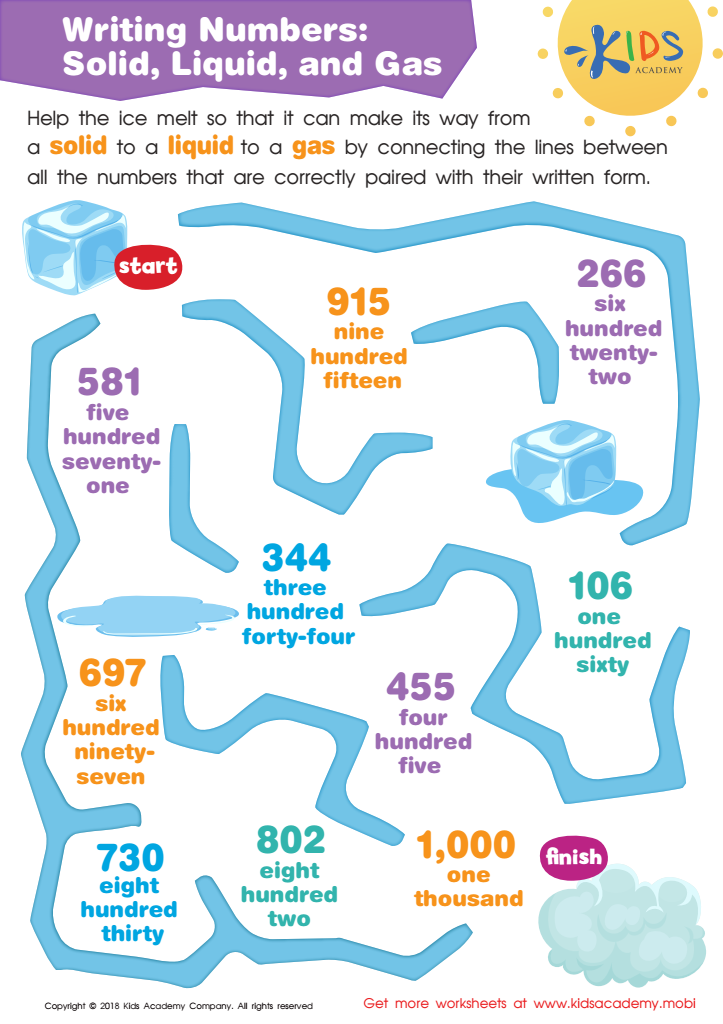
Solid, Liquid, and Gas Writing Numbers Worksheet

Solid, Liquid, and Gas Writing Numbers Worksheet

Your student can see the math/science connection in this fun maze! Download the PDF and help the ice melt by navigating a maze of number words and numeral representations. To the finish line! Only the paired words and numbers that match get you there.
Solid, Liquid, and Gas Writing Numbers Worksheet
Worksheet
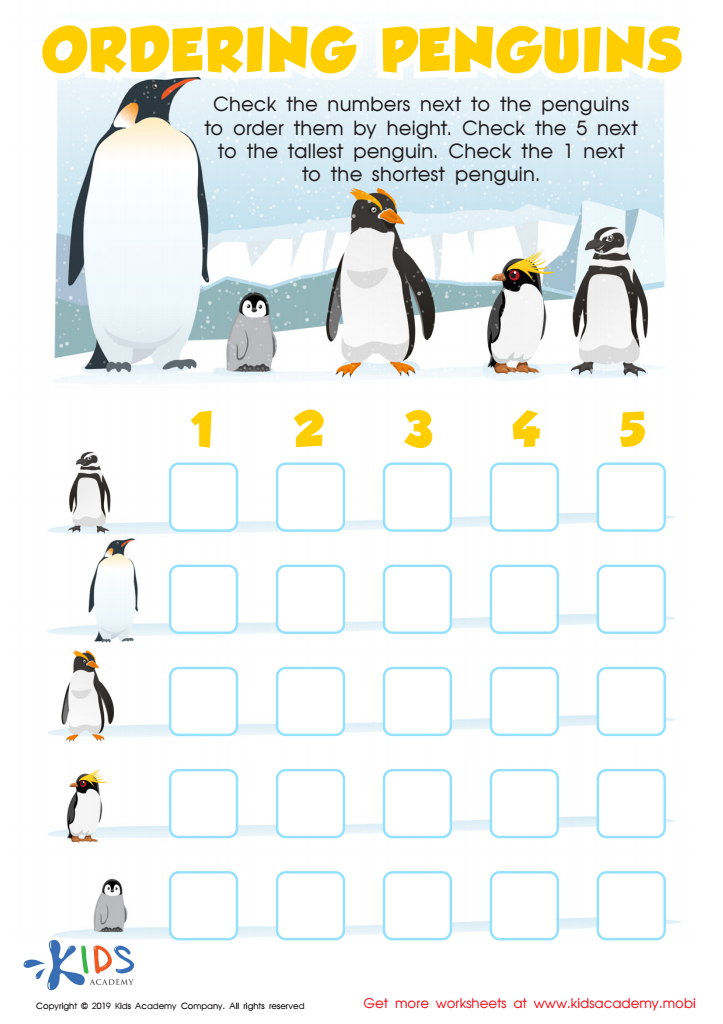
Ordering Penguins Worksheet

Ordering Penguins Worksheet

Check photos of penguins with your kids, then help them order by height. Tallest gets a 5, shortest gets a 1. Learn cool facts while having fun!
Ordering Penguins Worksheet
Worksheet
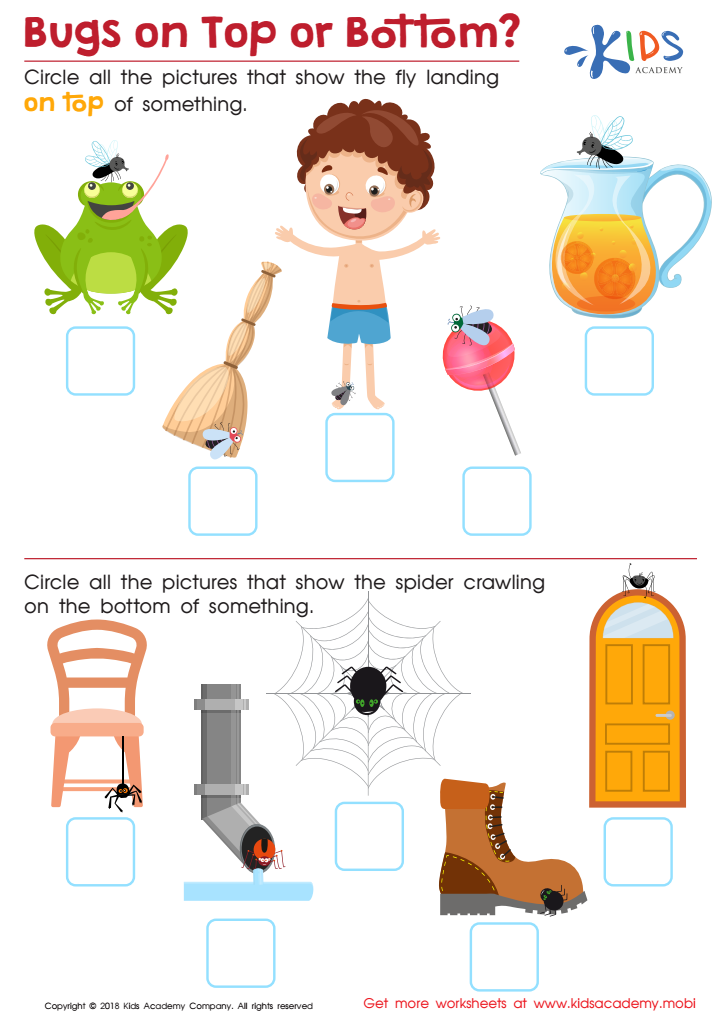
Bugs on Top or Bottom? Worksheet

Bugs on Top or Bottom? Worksheet

Preschoolers need to learn directional skills such as top and bottom. This PDF worksheet helps them recognize bugs on the top or bottom using fun visuals. It builds their spatial reasoning while teaching prepositional words in an engaging way.
Bugs on Top or Bottom? Worksheet
Worksheet
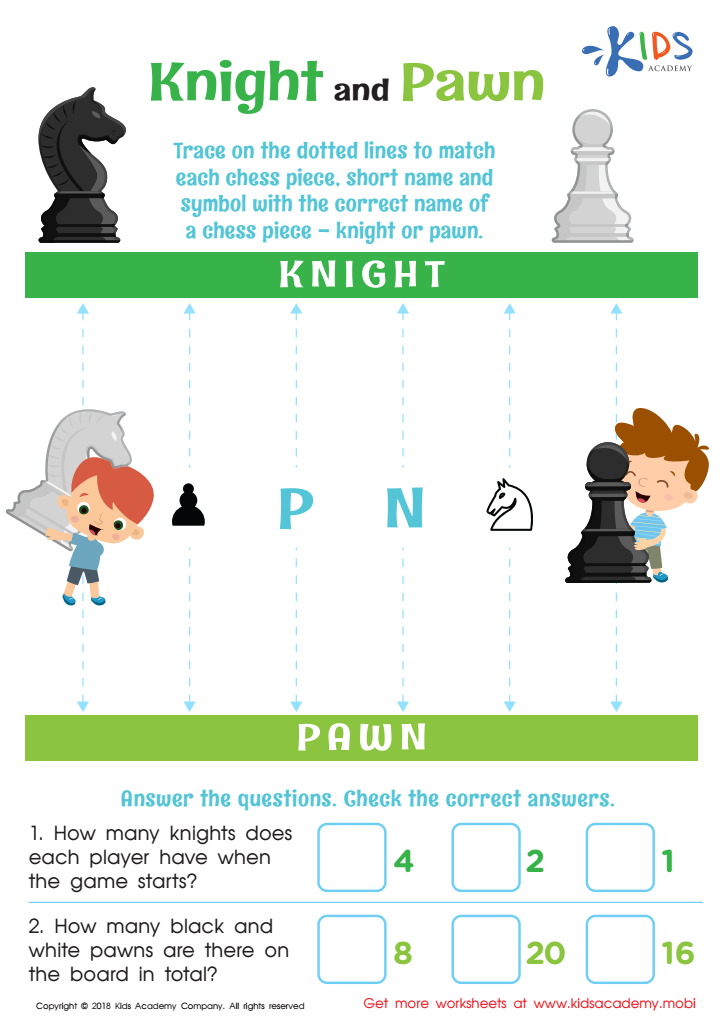
Knight and Pawn Worksheet

Knight and Pawn Worksheet

This tracing worksheet teaches kids about chess. They trace the dotted lines to match pieces, names and symbols to the correct chess piece. Questions at the bottom test their understanding. It's a simple exercise for a fun way to learn.
Knight and Pawn Worksheet
Worksheet
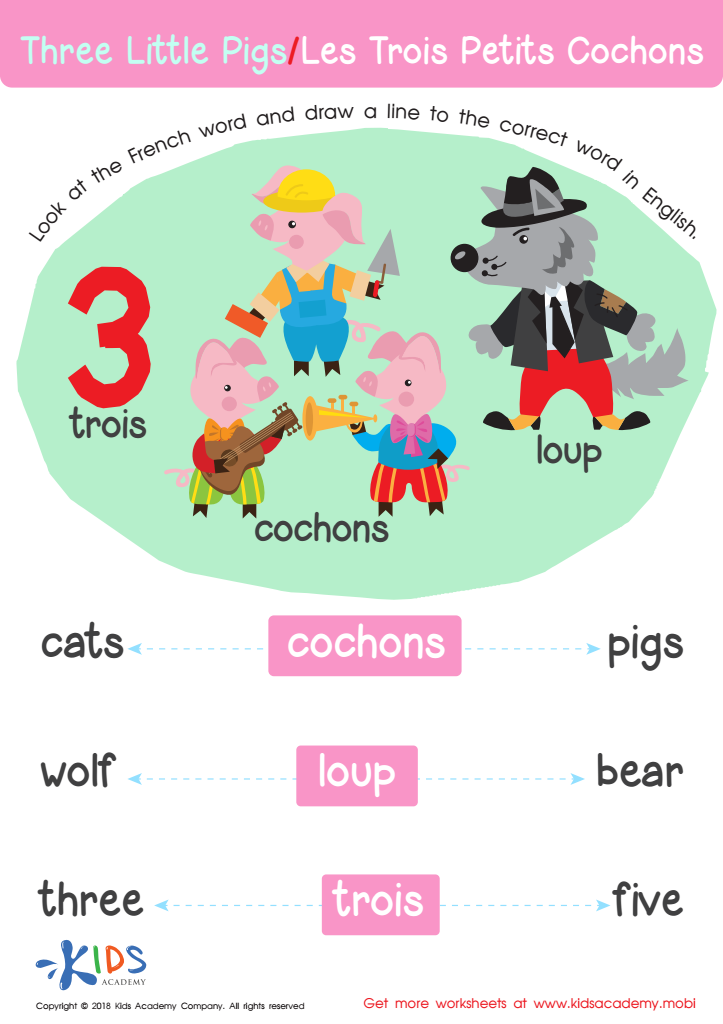
Three Little Pigs / Les Trois Petits Cochons Worksheet

Three Little Pigs / Les Trois Petits Cochons Worksheet

Teaching kids words in foreign tongues? Use picture clues to help them build connections for deeper learning! This PDF worksheet uses the three little pigs story to teach French words for three, pigs and wolf. Kids can make picture-word associations and follow traceable lines to match the French and English words.
Three Little Pigs / Les Trois Petits Cochons Worksheet
Worksheet
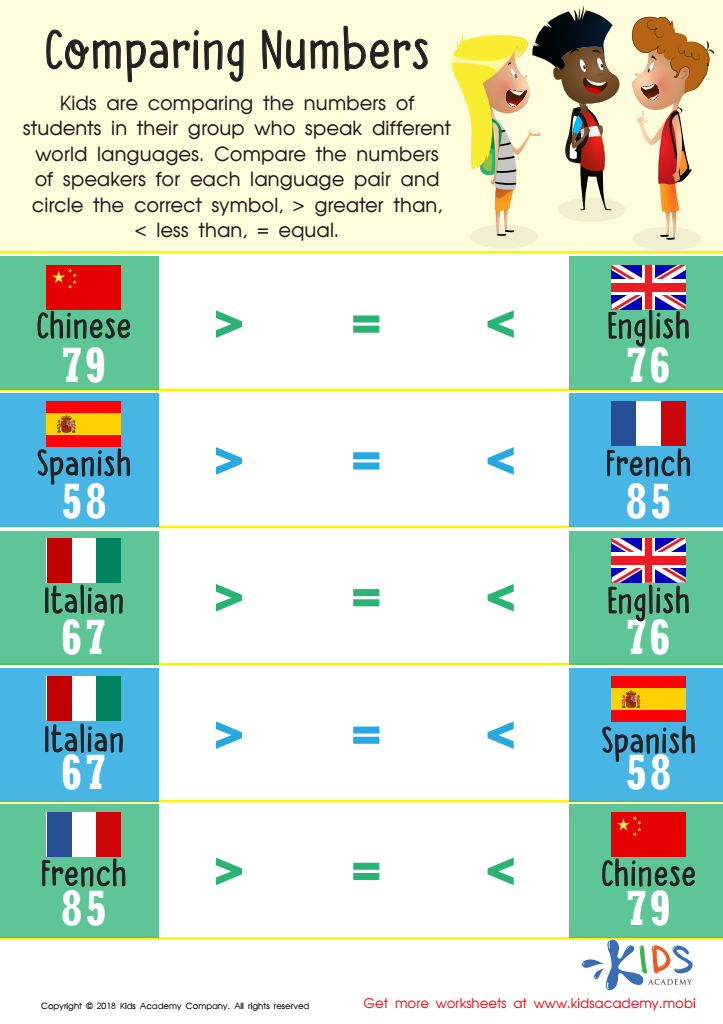
Comparing Numbers Worksheet for 1st Grade

Comparing Numbers Worksheet for 1st Grade

Children can build number sense by exploring the relationship between numbers. This worksheet uses bright international flags to compare numerical groups. Kids will love the cheerful colors and flags from different countries. It encourages them to compare numbers and reinforces their number sense with tens and ones place values.
Comparing Numbers Worksheet for 1st Grade
Worksheet
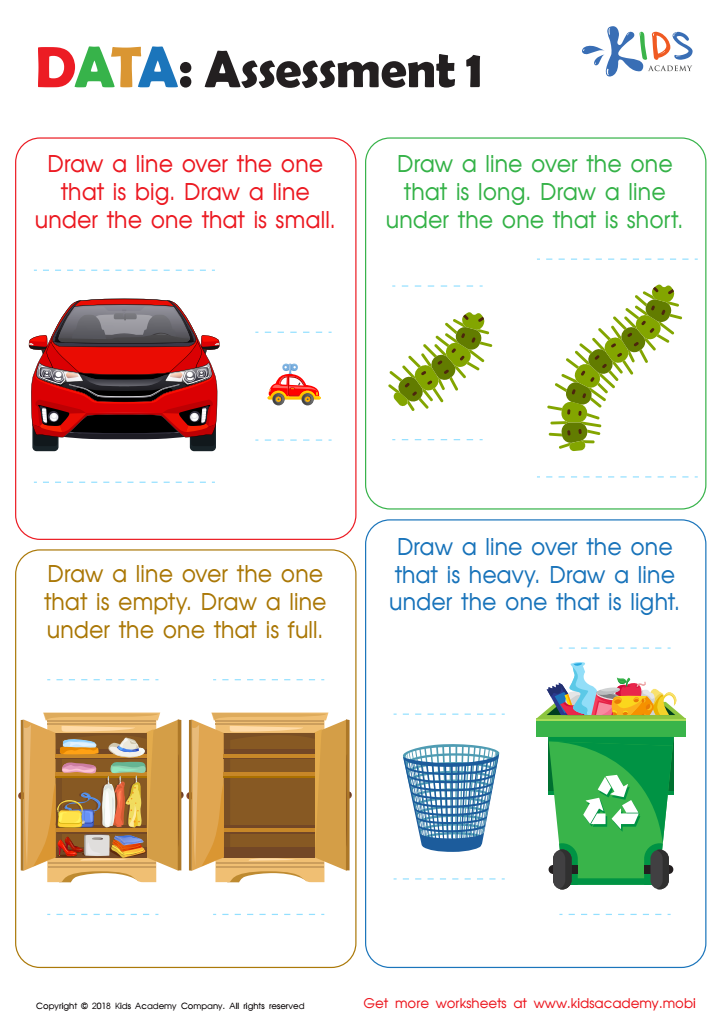
Data: Assessment 1 Worksheet

Data: Assessment 1 Worksheet

Assess your students' knowledge of measurement words with this worksheet. Have them compare and describe objects/quantities using words like "big", "small", "long", "short", "empty", "full", "heavy" and "light". Encourage further learning by asking students to provide examples of each word meaning.
Data: Assessment 1 Worksheet
Worksheet


Basic counting skills are fundamental for children aged 5-7, as they form the foundation for future mathematical concepts and everyday problem-solving. Parents and teachers should care about these skills because they significantly influence a child's cognitive development and academic readiness. Mastery of counting enhances number recognition, provides a solid understanding of quantities, and supports critical thinking skills as children learn to organize and classify objects.

Moreover, the skills acquired at this age extend beyond mathematics. Counting fosters logical reasoning and supports language development, as children learn to articulate numbers and their relationships. It also encourages a positive attitude towards math, which can prevent future anxiety or reluctance toward the subject.

Early counting experiences can enrich a child’s social skills, too. For instance, sharing and taking turns can involve counting, reinforcing both math skills and interpersonal development. When children grasp counting concepts, they feel a sense of accomplishment and confidence, paving the way for more complex mathematical understanding later.

In summary, by nurturing basic counting skills, parents and teachers not only equip children with essential math knowledge but also enhance their overall development, ensuring they build a strong foundation for lifelong learning.