Building vocabulary Normal Worksheets for Ages 5-7
4 filtered results
-
From - To
Enhance your child's language skills with our Building Vocabulary Normal Worksheets for Ages 5-7! Tailor-made by Kids Academy, these engaging worksheets are designed to introduce and reinforce core vocabulary concepts for early readers. Through a variety of fun and interactive activities, children will expand their vocabulary, improve word recognition, and boost reading comprehension. Our educational materials are perfect for parents and educators looking to provide structured support in developing essential language skills. Help your young learners discover the joy of words and build a robust vocabulary foundation with these expertly crafted worksheets. Explore now!
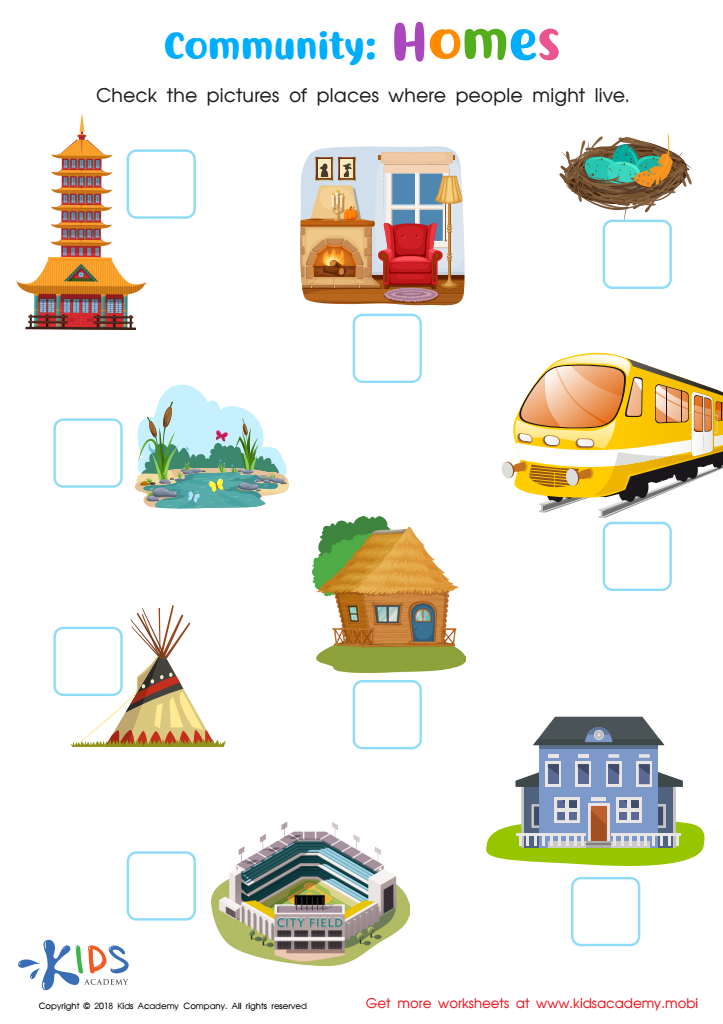
Community: Homes Worksheet
 Assign to My Students
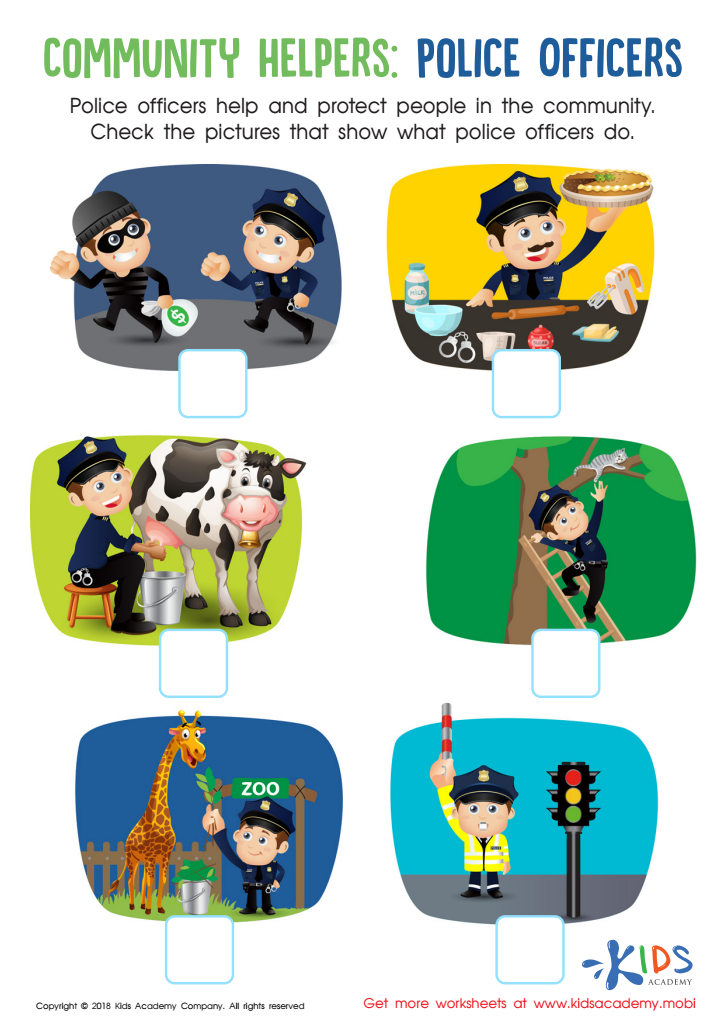
Police Officers Community Helpers Worksheet
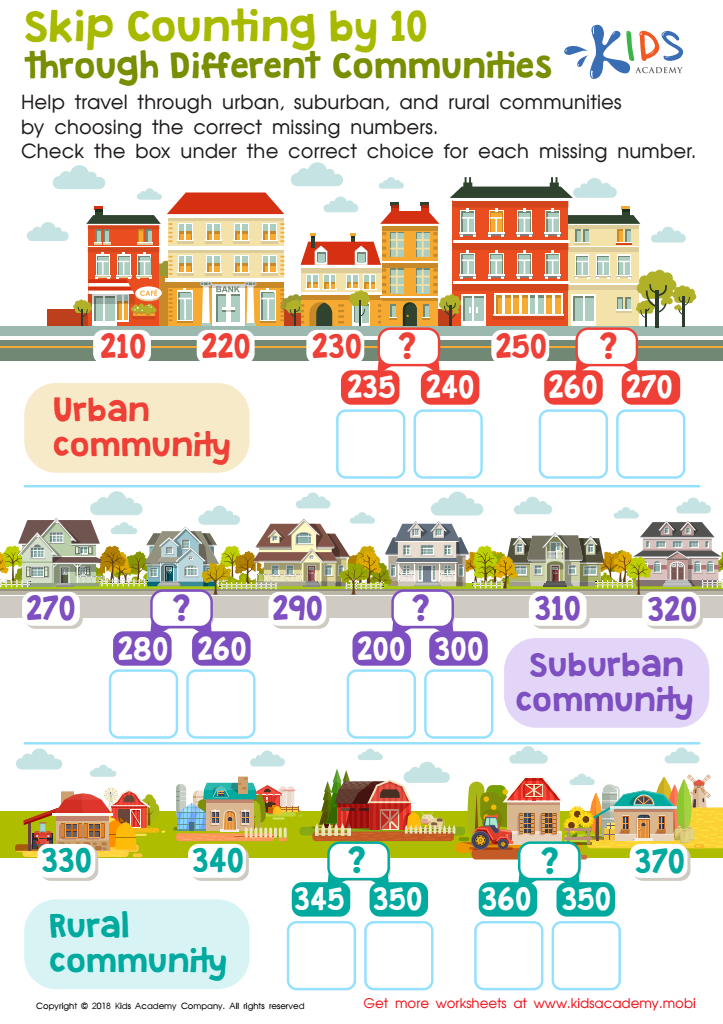
Skip Counting by 10 through Different Communities Worksheet
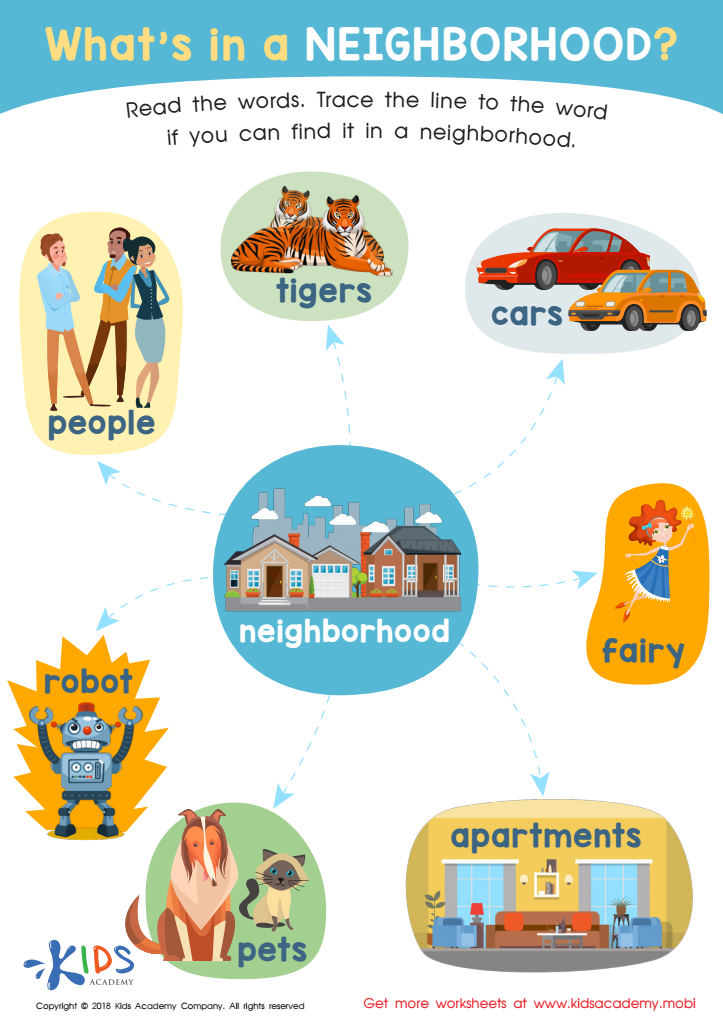
What's in a Neighborhood? Worksheet








Building vocabulary in children ages 5-7 is pivotal to their overall academic and social development. At this early stage, children's brains are incredibly receptive to new information, making it an ideal period for vocabulary expansion. Rich vocabulary helps young learners express themselves more clearly and confidently. This enhanced communication capability paves the way for better interpersonal relationships and fosters emotional intelligence, as children can more effectively articulate their thoughts and feelings.
Academically, a strong vocabulary is foundational to reading comprehension. As children learn to read, their ability to understand and derive meaning from texts is directly tied to their vocabulary knowledge. This comprehension is crucial for success across all subject areas, not just language arts. Additionally, a well-developed vocabulary boosts listening skills. When children understand a wider range of words, they can follow instructions more accurately and engage more fully in classroom discussions and interactive activities.
Parents and teachers who prioritize vocabulary building are contributing to a child's cognitive development, enhancing their critical thinking and problem-solving skills. Engaging children in conversations, reading to them, and exposing them to new experiences are effective strategies that cultivate a robust vocabulary, setting the stage for future academic success and lifelong learning.








