Comparing objects Normal Worksheets for Ages 5-7
4 filtered results
-
From - To
Discover our engaging "Comparing Objects Normal Worksheets" for ages 5-7! These carefully crafted worksheets are designed to enhance young learners' observational and analytical skills through exciting activities that focus on comparing shapes, sizes, colors, and other attributes. Ideal for kindergarten and early grade classrooms, our worksheets encourage children to actively explore differences and similarities, fostering critical thinking and cognitive development. Each activity is designed to be fun and interactive, promoting a hands-on learning experience. Perfect for teachers and parents alike, these printables will make learning about comparisons both enjoyable and effective. Start your child's journey toward mastery today!
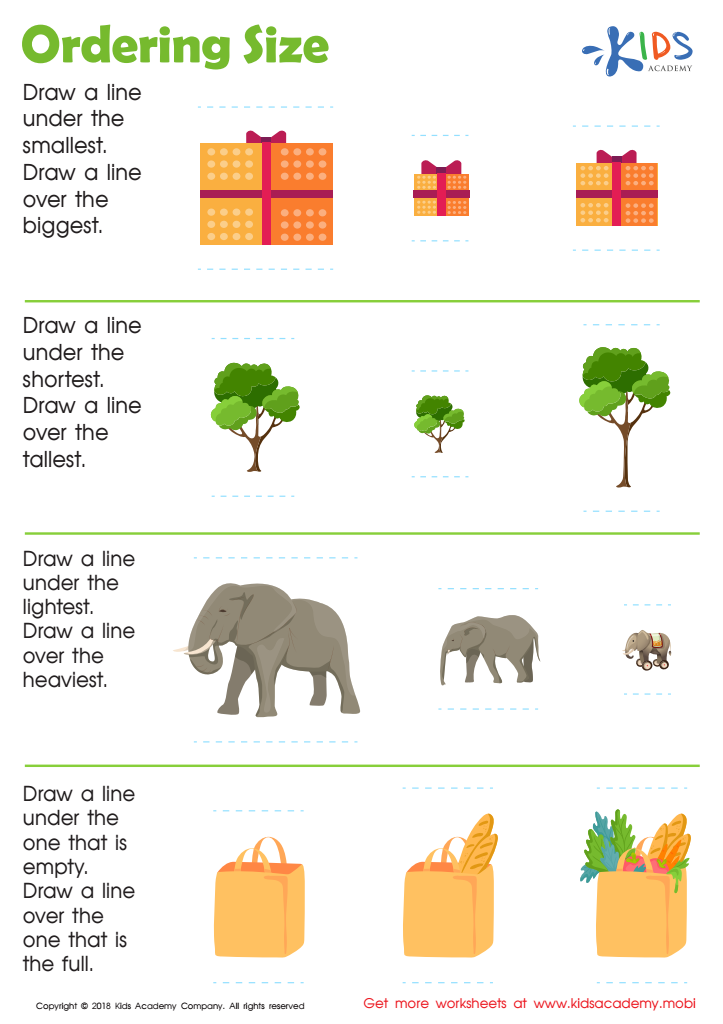
Ordering Size Worksheet
 Assign to My Students
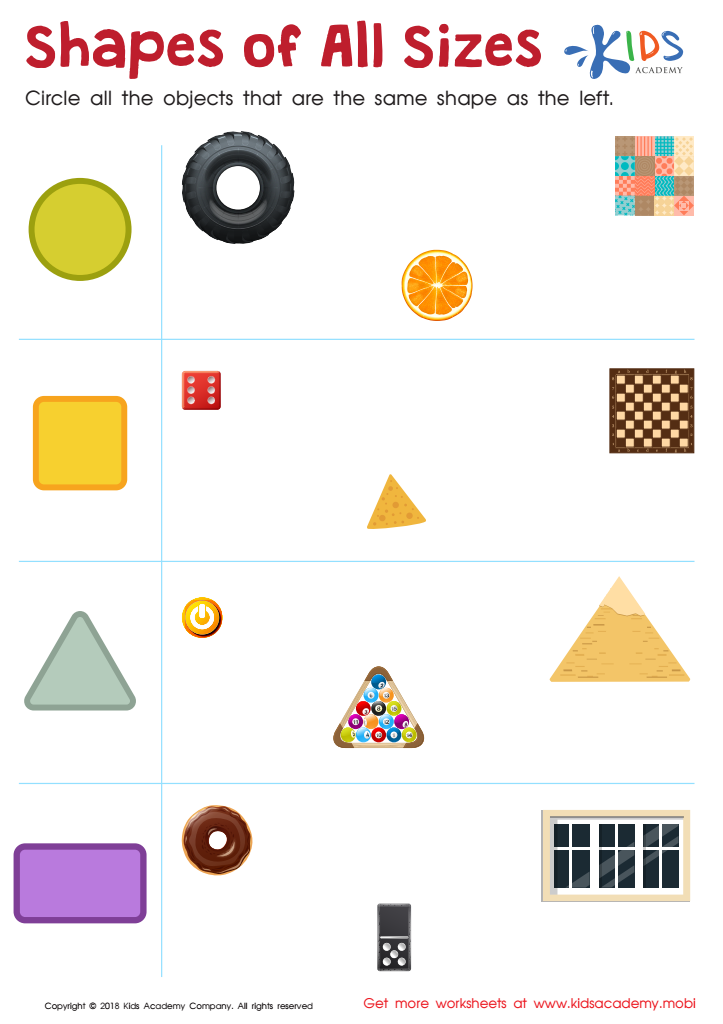
Shapes of All Sizes Worksheet
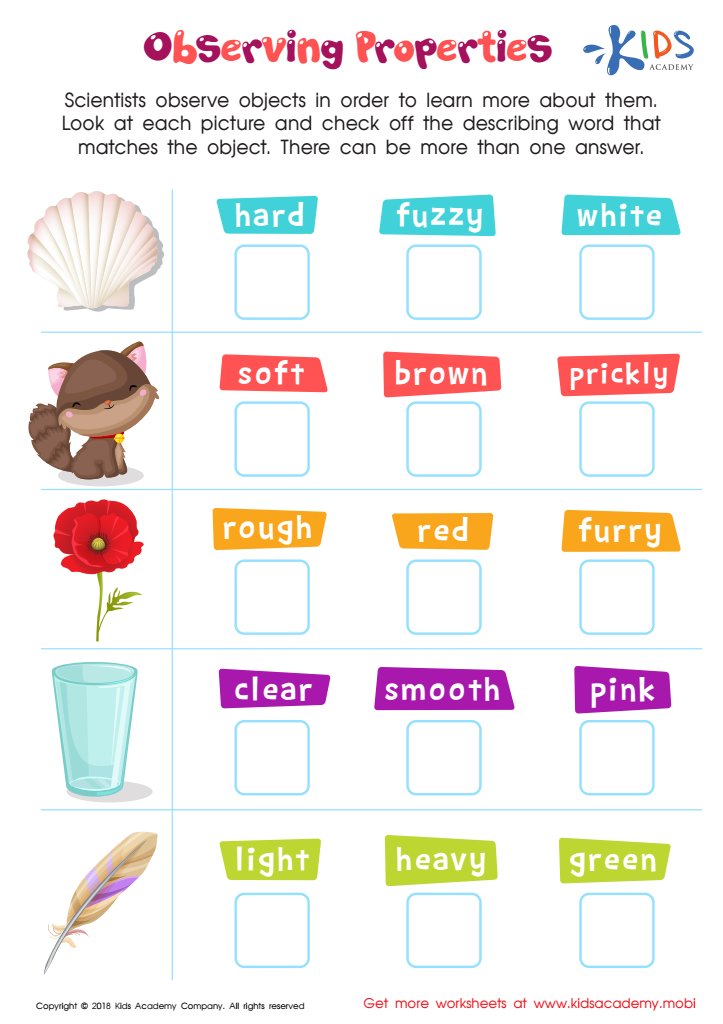
Observing Properties Worksheet
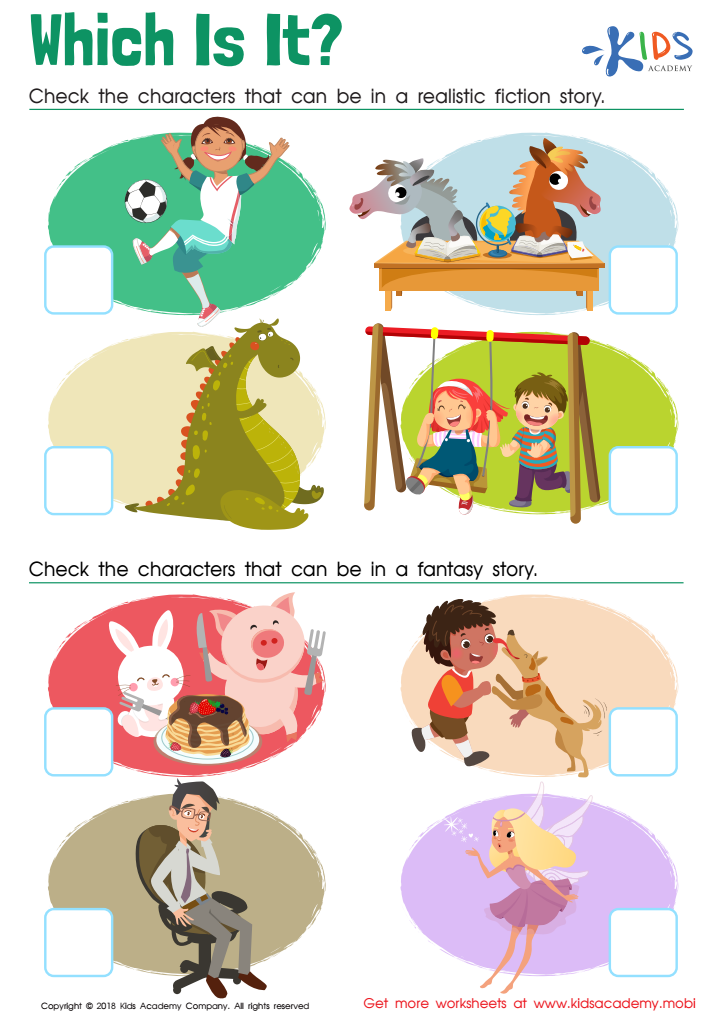
Which Is It? Worksheet








Comparing objects is a fundamental skill for children aged 5-7 that fosters critical thinking and promotes early math literacy. When parents and teachers encourage children to compare objects—such as size, weight, length, or quantity—they help them develop essential analytical skills and an understanding of the world around them. This process enhances their ability to notice differences and similarities, laying the groundwork for more complex mathematical concepts like measurement and sorting.
Additionally, comparing objects promotes vocabulary development. As children articulate their observations using comparative words (e.g., larger, smaller, heavier), they expand their language skills and learn how to communicate their thoughts more effectively. This practice also strengthens their cognitive abilities by engaging them in problem-solving activities, stimulating curiosity and encouraging exploration.
Furthermore, activities that involve comparing objects can be integrated into play and everyday situations, making learning enjoyable and relatable. Whether it's comparing the sizes of toys, the heights of plants, or the number of snacks, these experiences make mathematics accessible and relevant. Ultimately, nurturing the skill of comparison helps children build a strong foundational knowledge that empowers their academic journey and fosters lifelong learners. Parents and teachers play a crucial role in guiding and supporting this valuable learning process.








