Critical Thinking Normal Worksheets for Ages 5-7 - Page 4
74 filtered results
-
From - To
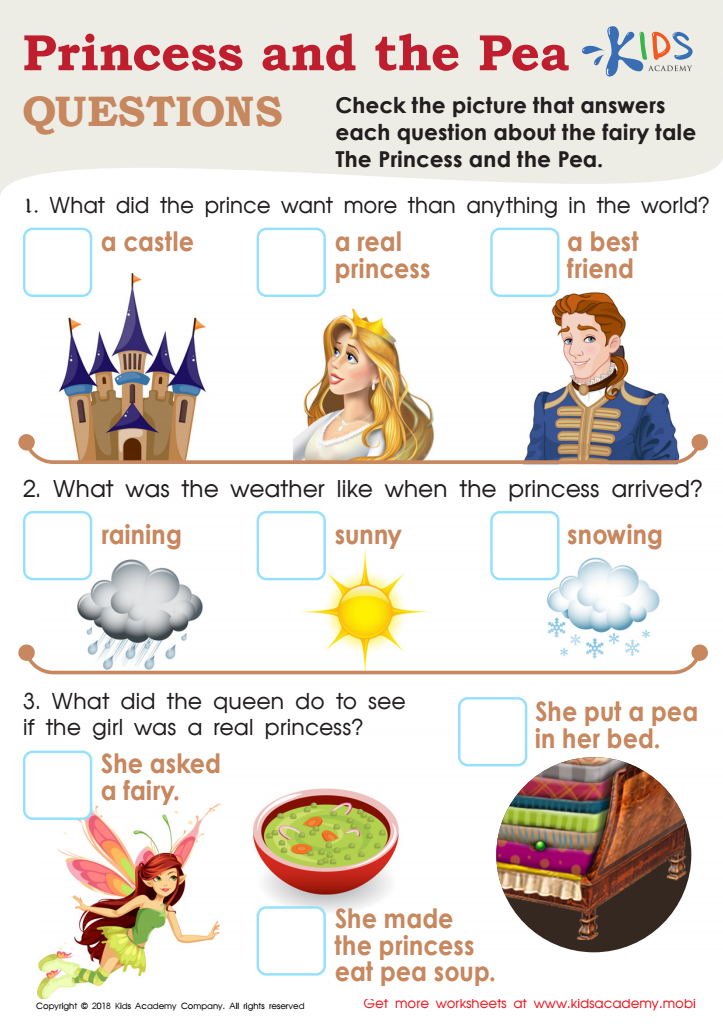
Princess and the Pea Questions Worksheet
 Assign to My Students
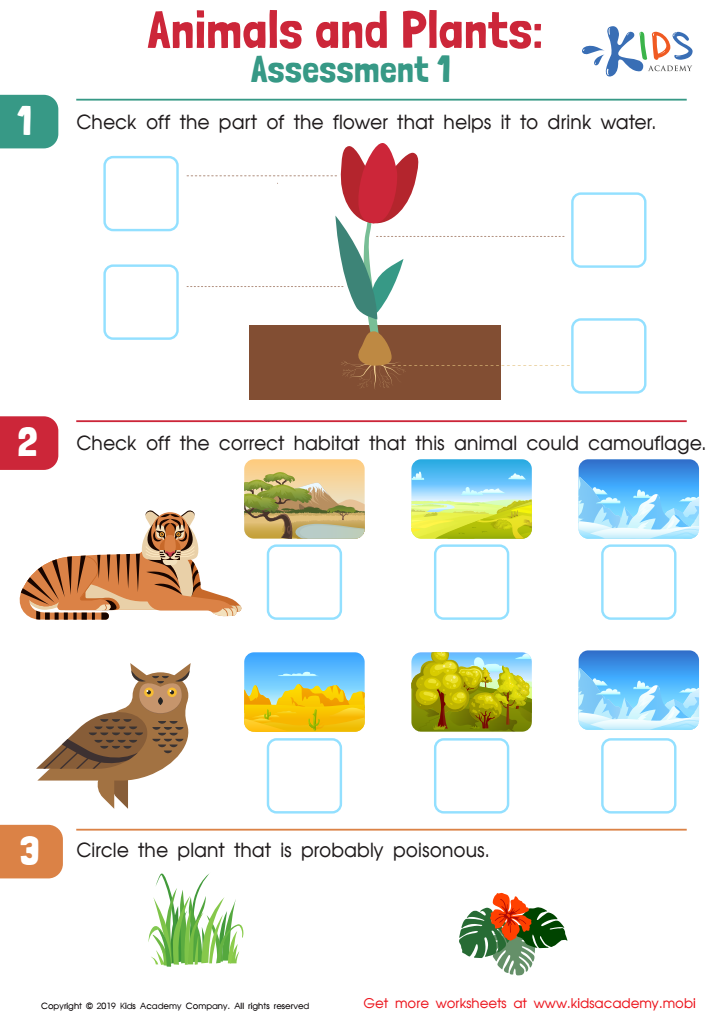
Animals and Plants: Assessment 1 Worksheet




.jpg)


Critical thinking is a foundational skill that is crucial for children aged 5 to 7, as this developmental stage lays the groundwork for future learning and problem-solving abilities. Parents and teachers should care about fostering critical thinking during these formative years for several reasons.
Firstly, critical thinking promotes independence and confidence. When children learn to question, analyze, and evaluate information, they become more self-reliant and assertive in their decision-making processes. This empowerment encourages them to express their ideas and opinions with assurance.
Secondly, cultivating critical thinking skills enhances academic performance. Children who think critically can better comprehend and apply knowledge across subjects, leading to improved classroom engagement and achievement. They learn to approach challenges with a problem-solving mindset, which fosters resilience and adaptability.
Lastly, critical thinking encourages creativity and curiosity. By promoting an environment where questioning is welcomed, caregivers and educators inspire children to explore and innovate. This curiosity not only enriches their learning experiences but also prepares them for complex societal challenges they will encounter in the future.
In summary, nurturing critical thinking in young children equips them with essential life skills that aid their personal growth and academic success, providing advantages as they navigate an increasingly complex world.








