Mathematical reasoning Normal Worksheets for Ages 5-7
15 filtered results
-
From - To
Welcome to our collection of Mathematical Reasoning Normal Worksheets designed specifically for children aged 5-7! These engaging and interactive worksheets aim to develop foundational math skills, fostering critical thinking and problem-solving abilities. Our resources cover essential topics such as basic addition and subtraction, number patterns, and simple logic puzzles, all tailored to keep young minds captivated. Perfect for teachers and parents alike, these worksheets provide a fun and effective way to enhance your child's understanding of mathematics in a supportive learning environment. Download our worksheets today and watch your child's confidence in math grow as they explore the world of numbers!
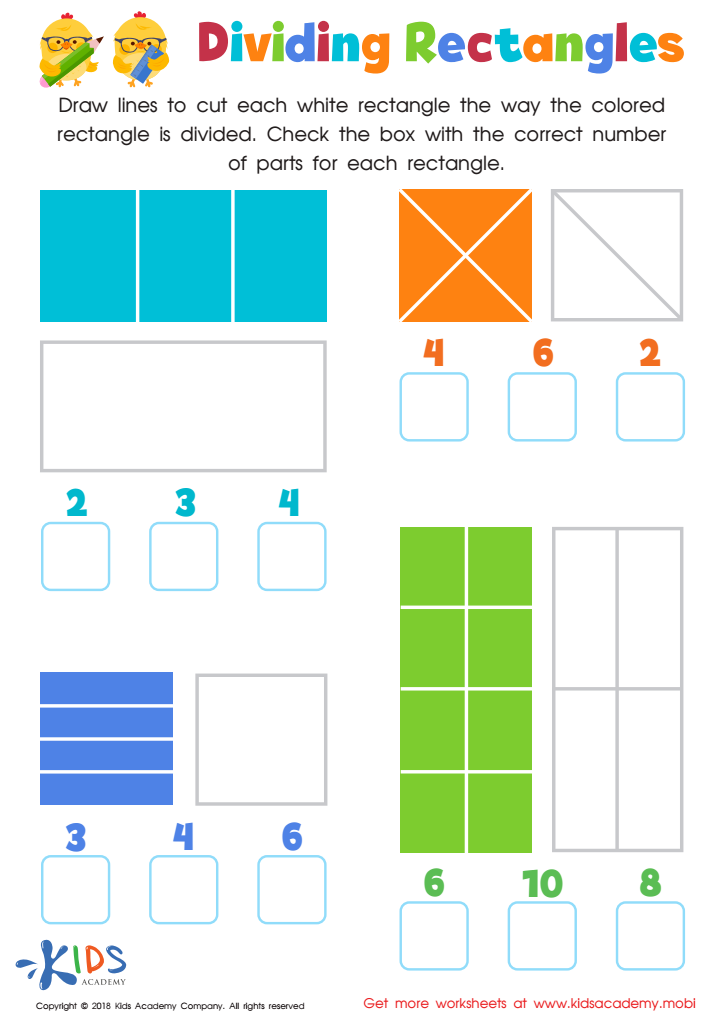
Dividing Rectangles Worksheet
 Assign to My Students
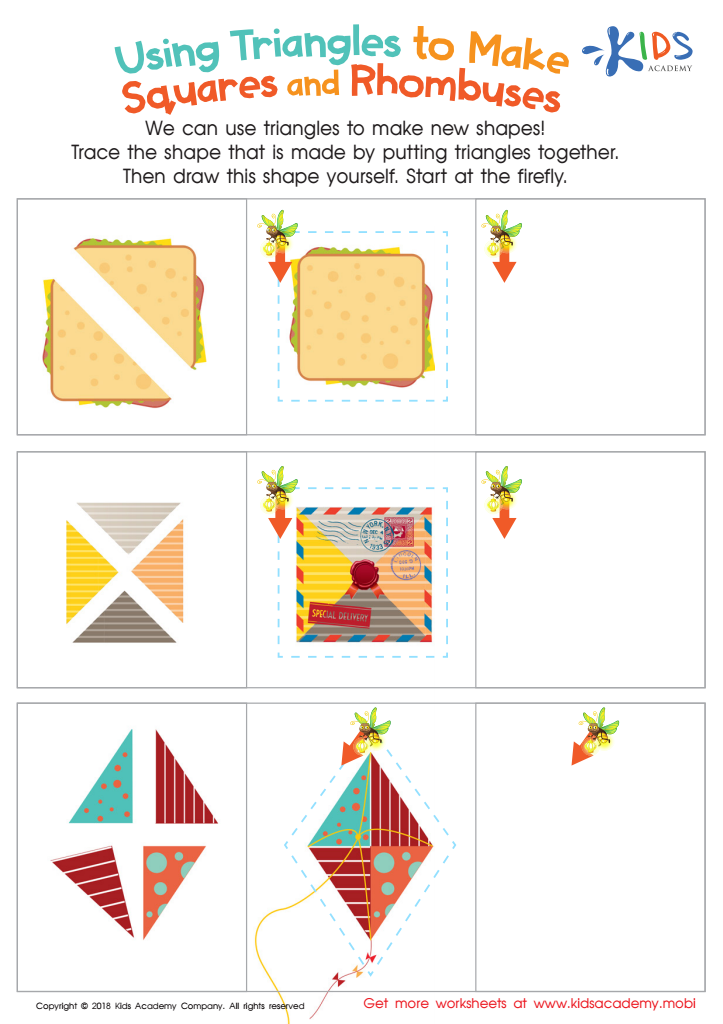
Using Triangles to Make Squares and Rhombuses Worksheet
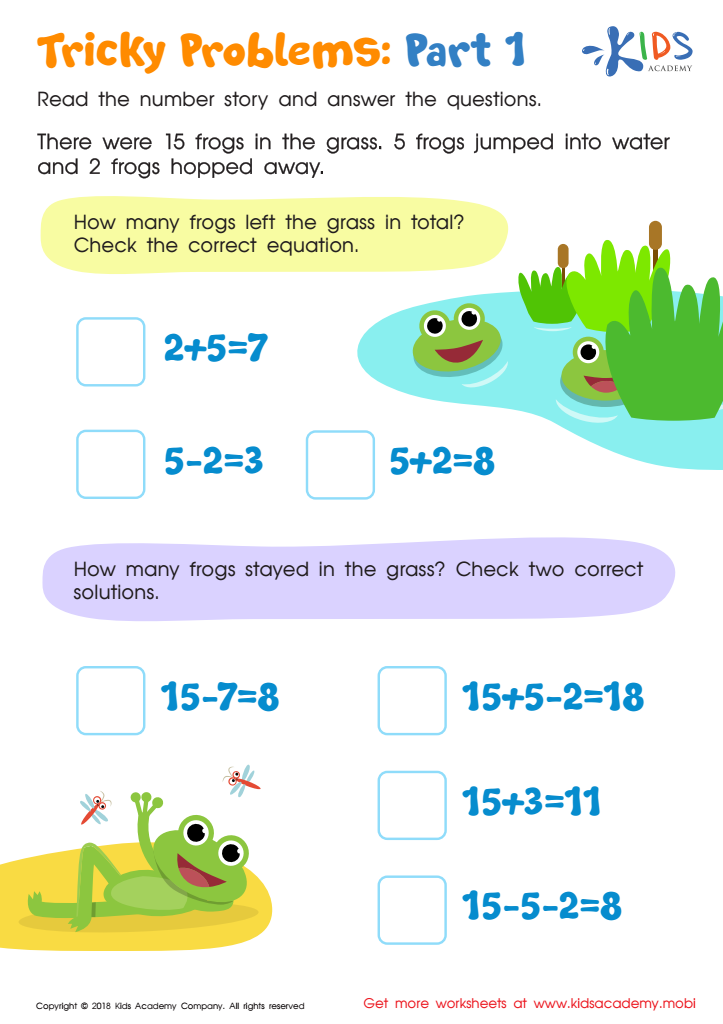
Tricky Problems Worksheet: Part 1
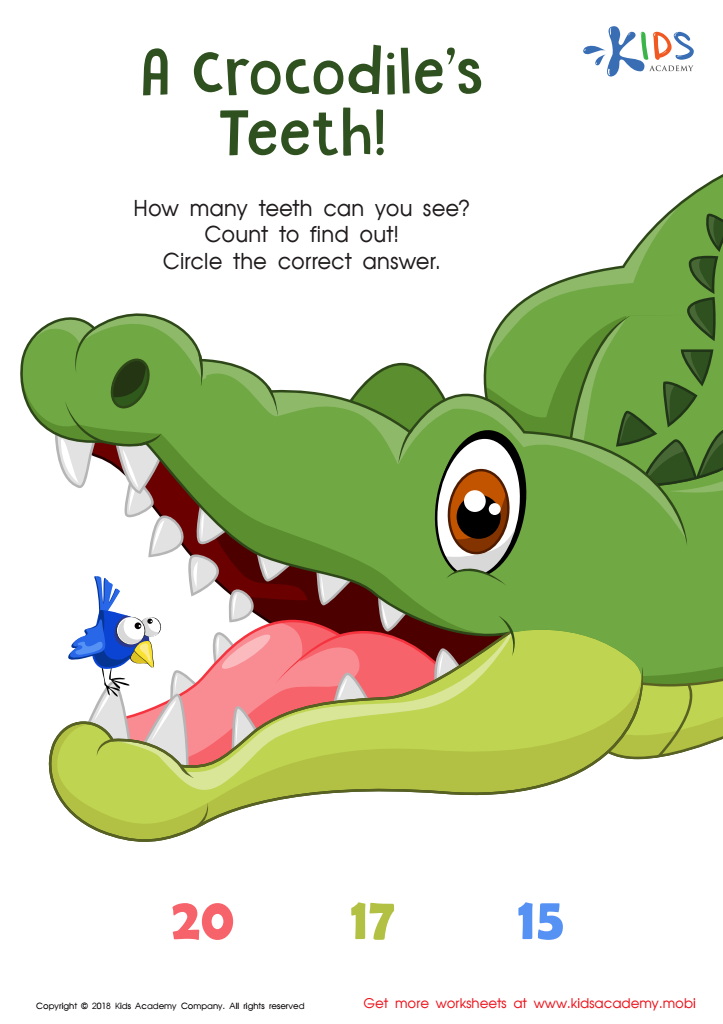
A Crocodile's Teeth Worksheet
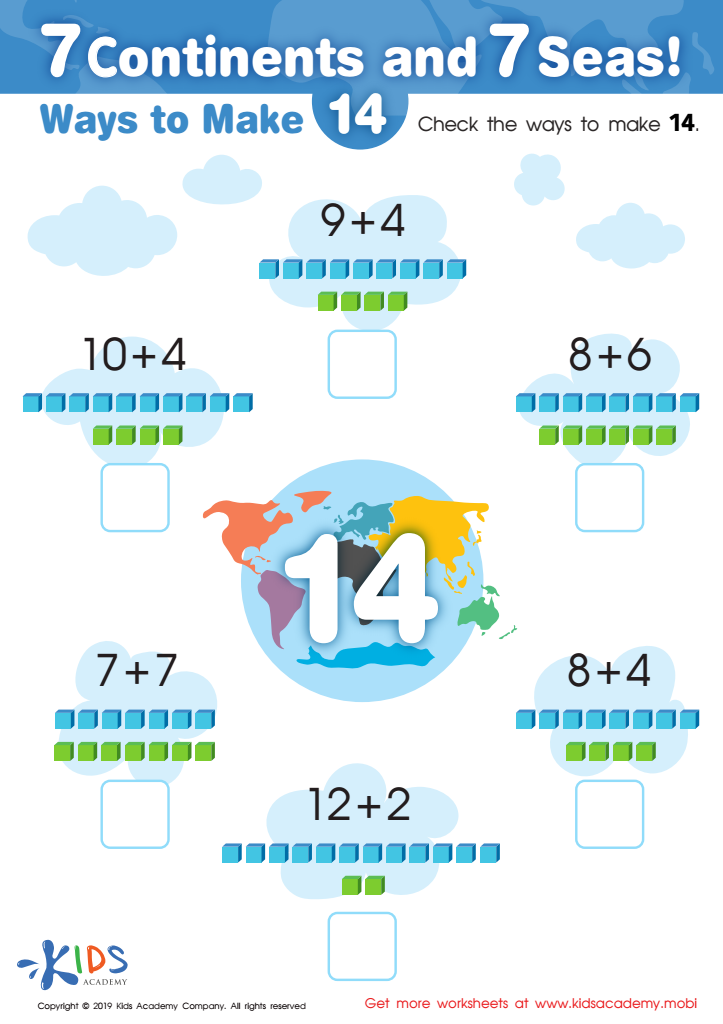
7 Continents and 7 Seas Worksheet
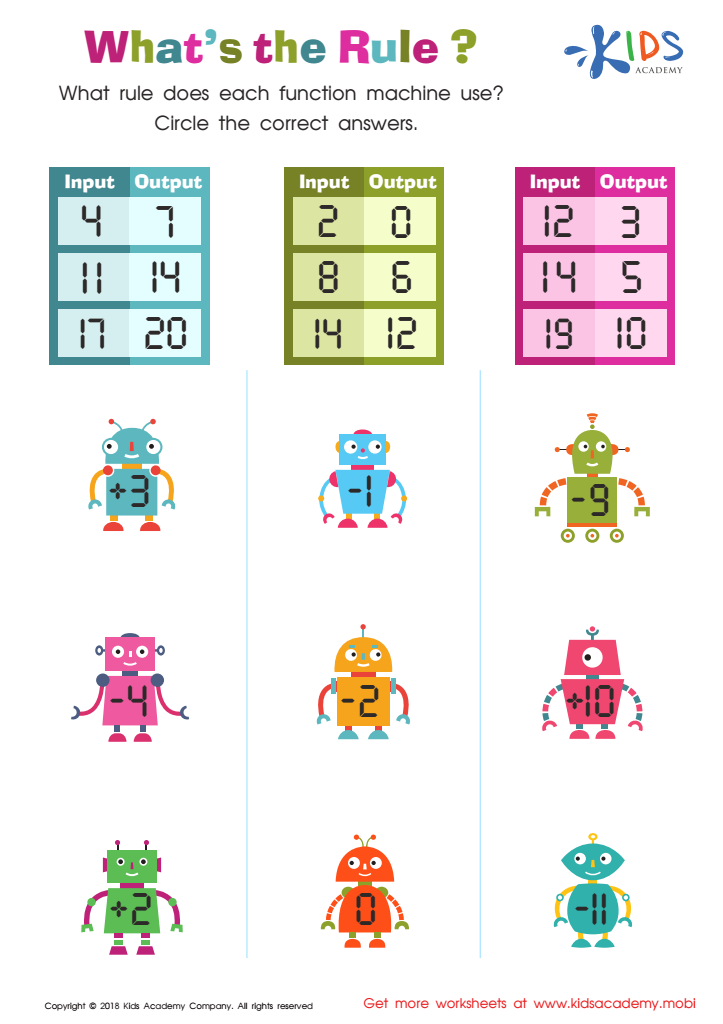
What's the Rule Worksheet
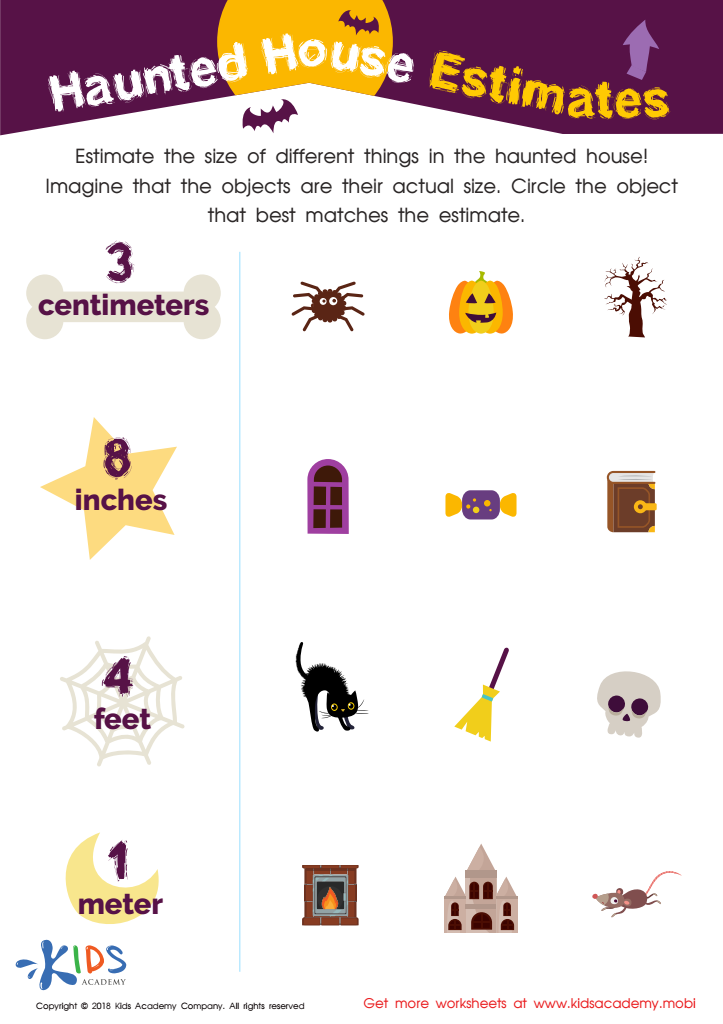
Haunted House Estimates Worksheet
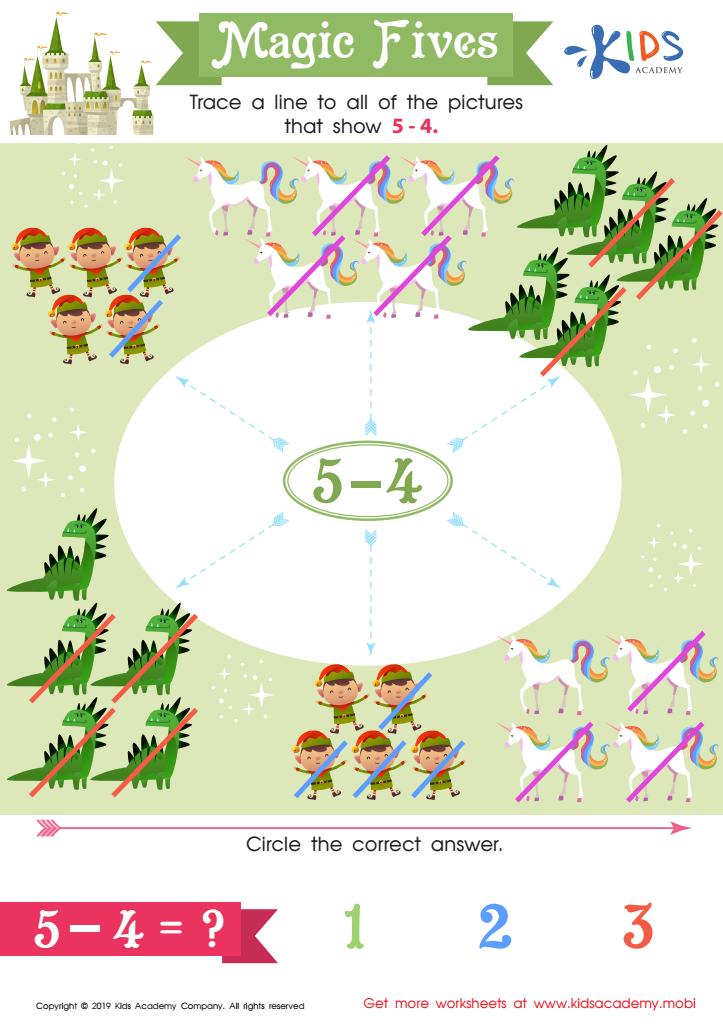
Magic Fives Worksheet
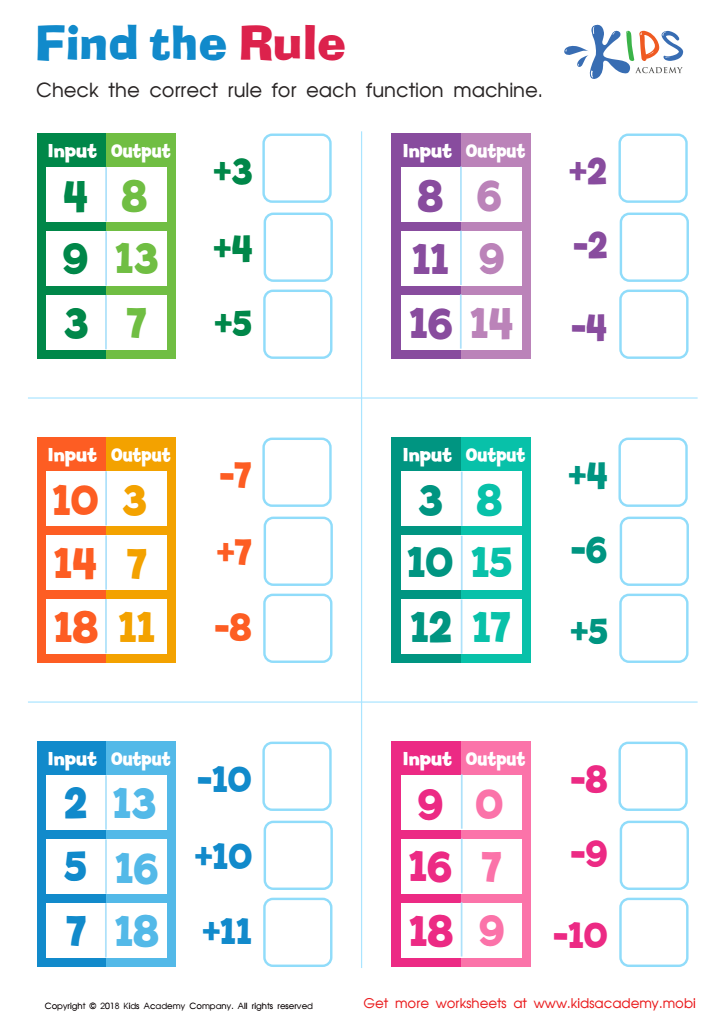
Find the Rule Worksheet
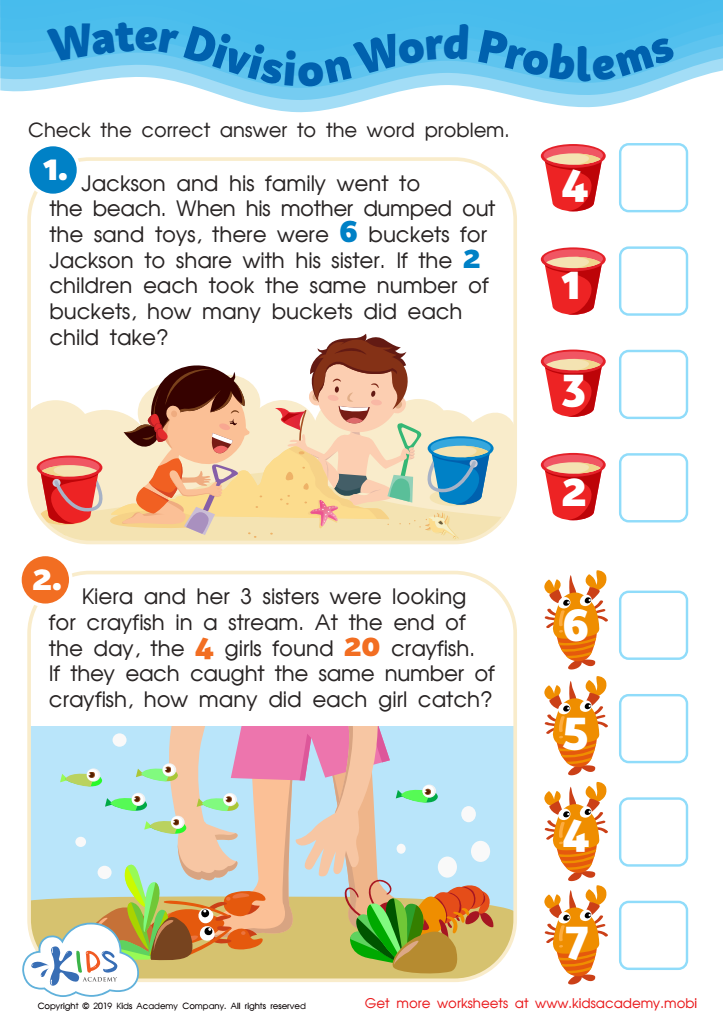
Water Division Word Problems Worksheet
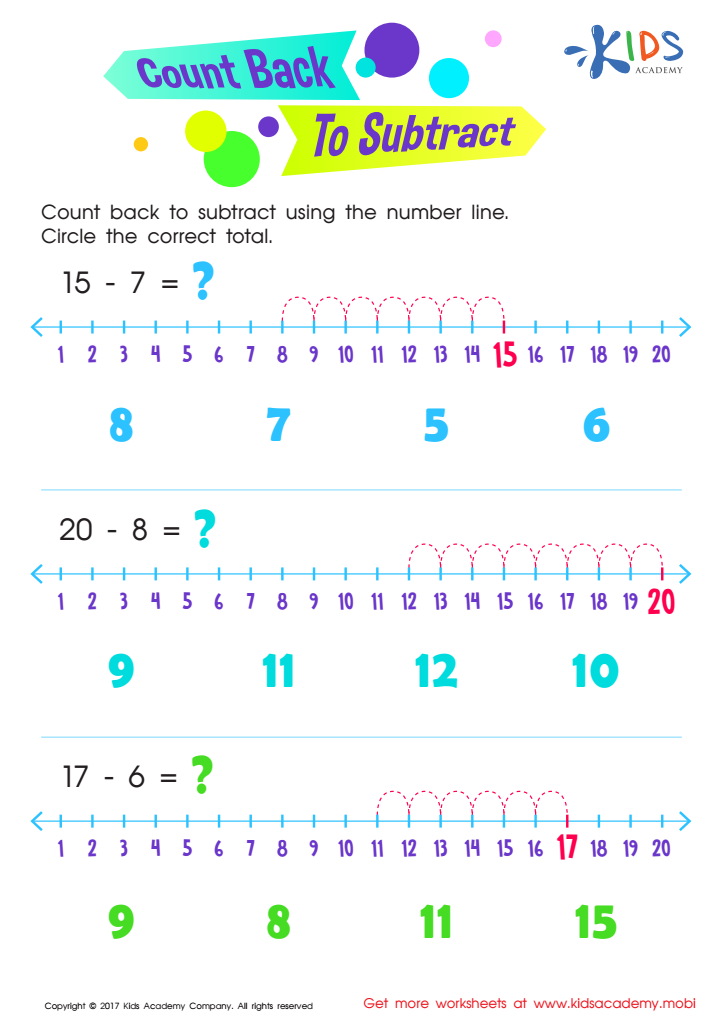
Count Back to Subtract Substraction Worksheet
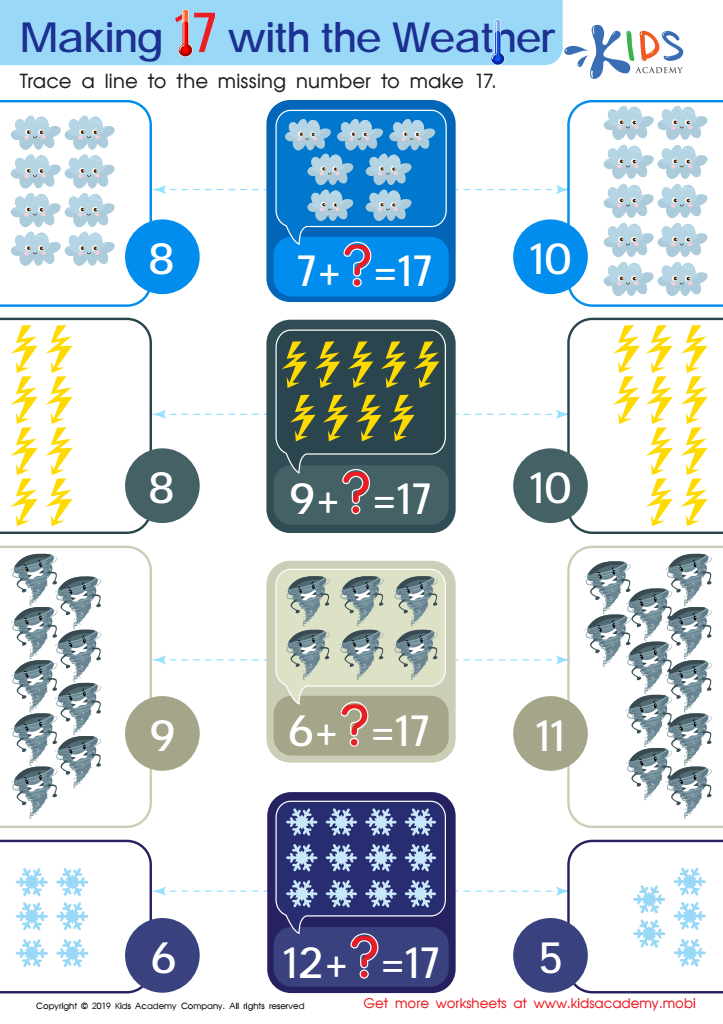
Making 17 with the Weather Worksheet
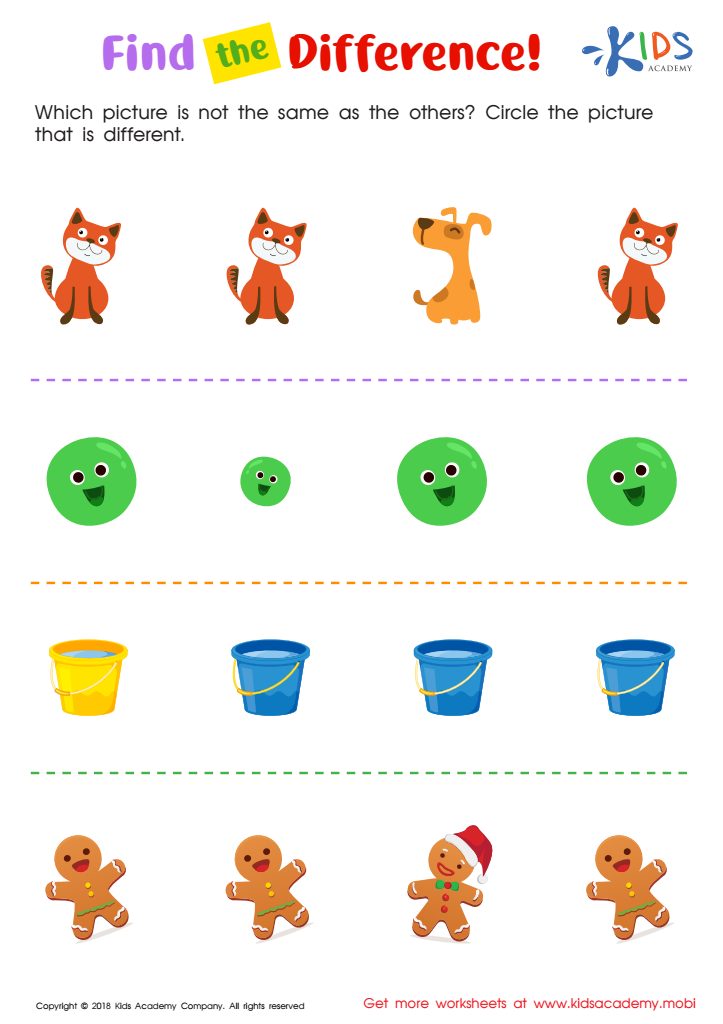
Find the Difference Worksheet
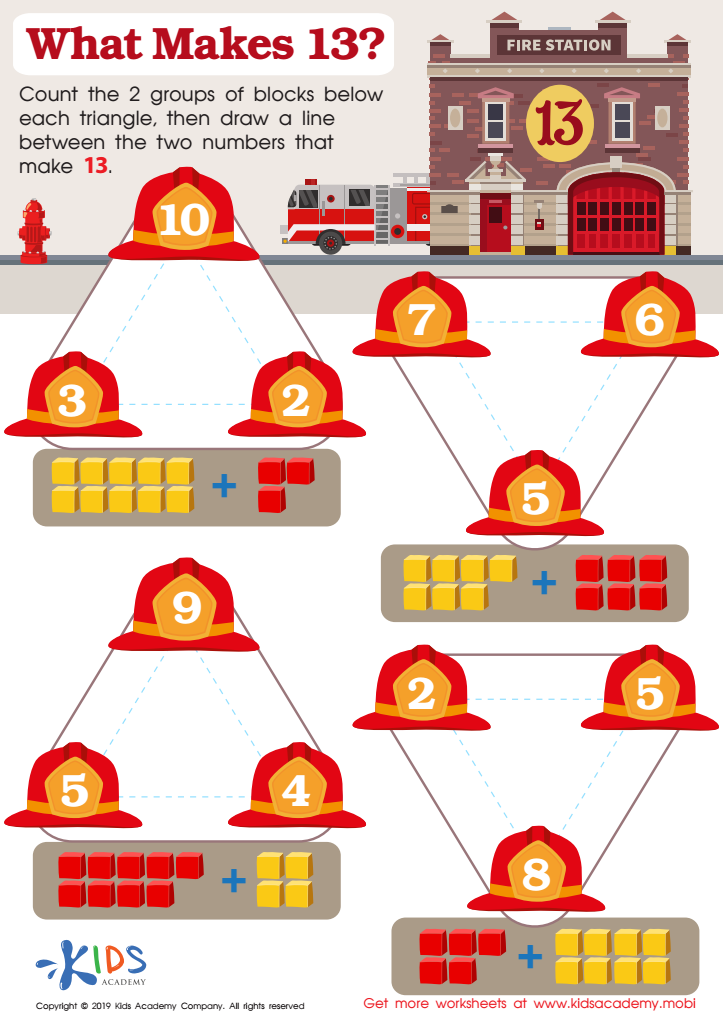
What Makes 13 Worksheet
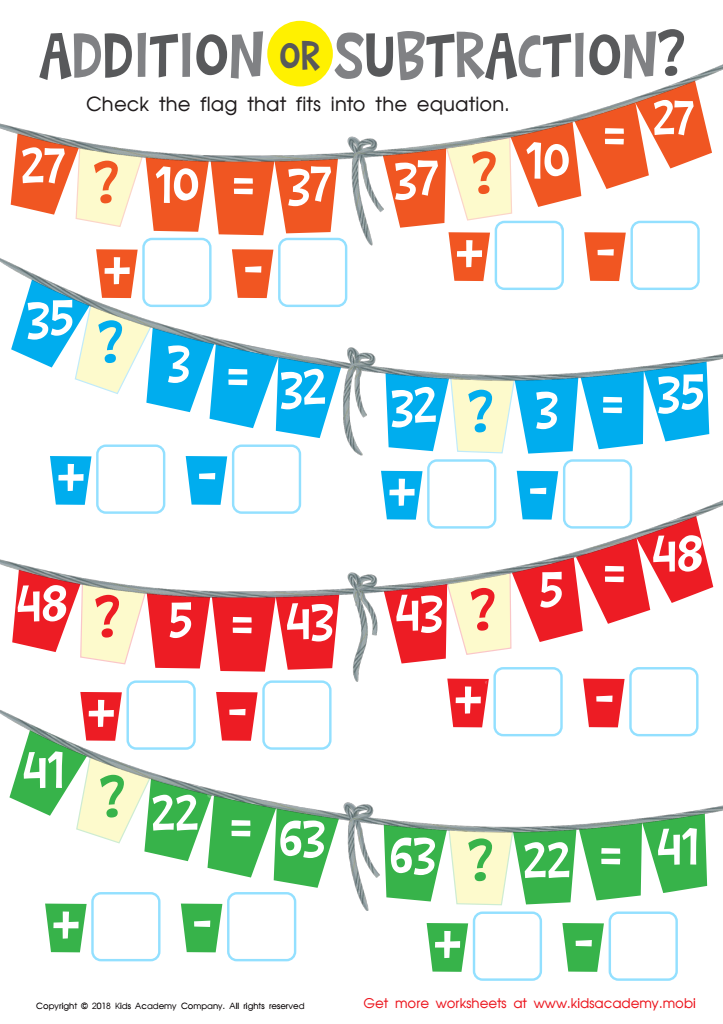
Addition or Subtraction? Worksheet








Mathematical reasoning is vital for children aged 5-7 as it lays the foundation for critical thinking and problem-solving skills essential for their overall development. During these formative years, children are naturally curious and eager to explore concepts, making it an optimal time to cultivate a strong understanding of math. By engaging students in reasoning activities, parents and teachers can help them develop logical thinking, pattern recognition, and the ability to approach problems systematically.
Moreover, mathematical reasoning enhances children's confidence in their abilities. When they understand the "why" behind math concepts, rather than just memorizing facts, they are more likely to appreciate the subject and its relevance to real-life situations. This foundational understanding can translate to improved academic performance in higher grades.
Additionally, mathematical reasoning fosters communication skills, encouraging children to articulate their thought processes, share strategies with peers, and collaborate effectively. This social interaction builds a supportive learning environment and helps develop soft skills that are crucial in everyday life.
In conclusion, prioritizing mathematical reasoning for young learners equips them with the tools they need to succeed academically and socially, fostering a lifelong appreciation for mathematics and critical thinking. An investment in these skills at a young age sets the stage for future achievements.








