Recognizing shapes Normal Worksheets for Ages 5-7
3 filtered results
-
From - To
Discover our engaging and educational Recognizing Shapes Normal Worksheets, specially designed for children aged 5-7. These fun printable worksheets help young learners explore and identify various shapes such as circles, squares, triangles, and more. With vibrant illustrations and interactive activities, your child will enhance their shape recognition skills while enjoying the learning process. Perfect for both classroom use and home learning, these worksheets are aligned with early education standards, ensuring a comprehensive approach to shape recognition. Foster creativity and critical thinking as children complete puzzles, coloring tasks, and shape-matching exercises. Start your child's journey into geometry with our captivating shape worksheets today!
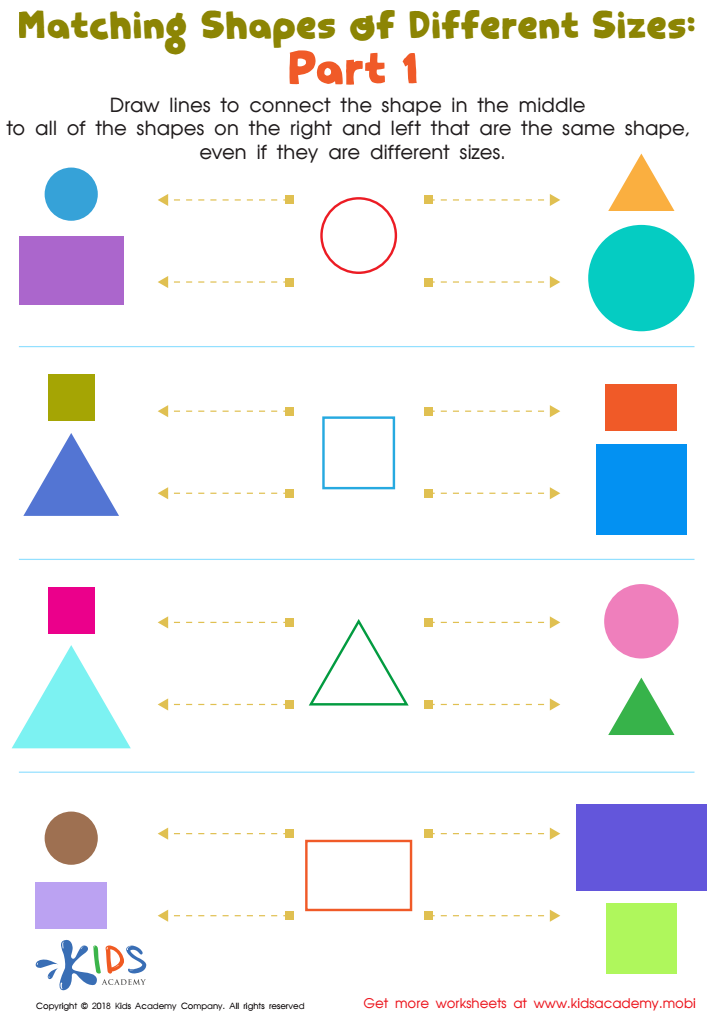
Geometry: part 1 Worksheet
 Assign to My Students
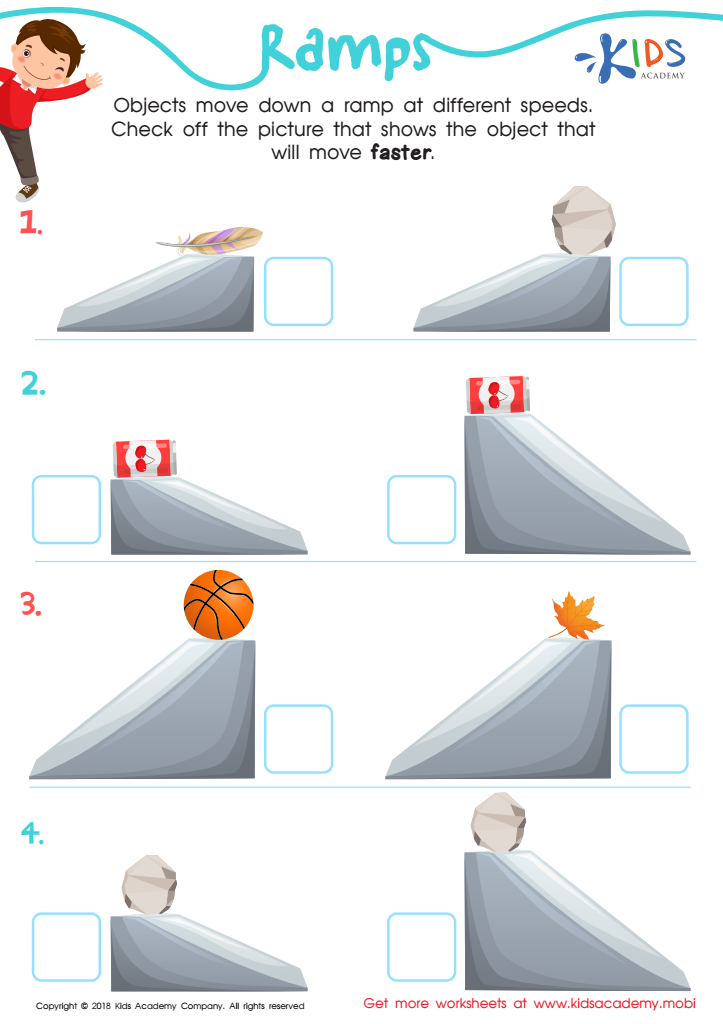
Ramps Worksheet
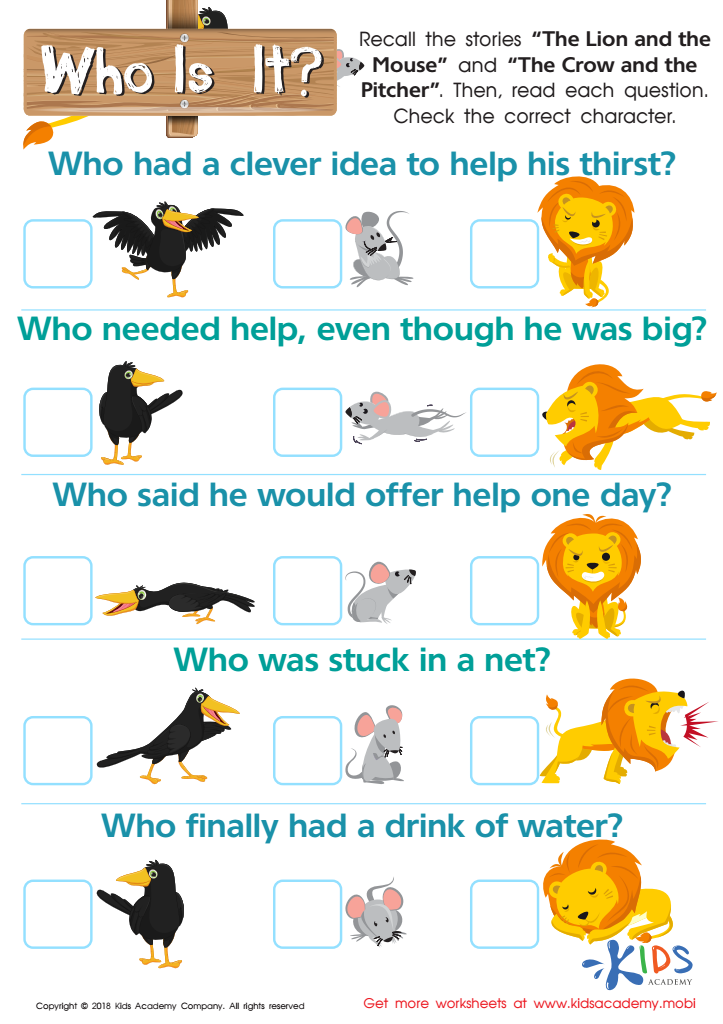
Who Is It? Worksheet








Recognizing shapes is a foundational skill in early childhood education, particularly for children aged 5-7. Understanding shapes forms the basis for more complex mathematical concepts and critical thinking skills. Parents and teachers should care about this skill because it directly impacts children's cognitive development and their ability to understand the world around them.
At this age, children learn to identify, compare, and categorize shapes, which enhances their spatial awareness and problem-solving abilities. Shape recognition also fosters creativity and encourages children to look for patterns, as well as develops fine motor skills through activities like drawing and building with blocks.
Moreover, engaging in shape recognition activities can strengthen parent-child or teacher-student relationships. Interactive games and hands-on activities provide opportunities for bonding and can boost children's confidence as they master new skills.
Finally, the ability to recognize shapes is linked to future academic success in subjects like math and science. By supporting shape recognition, parents and teachers lay a strong foundation for lifelong learning and comprehension. Investing time in this essential area benefits children's overall development and prepares them for more complex concepts later in their educational journey.








