Vocabulary expansion Normal Worksheets for Ages 5-7 - Page 6
123 filtered results
-
From - To
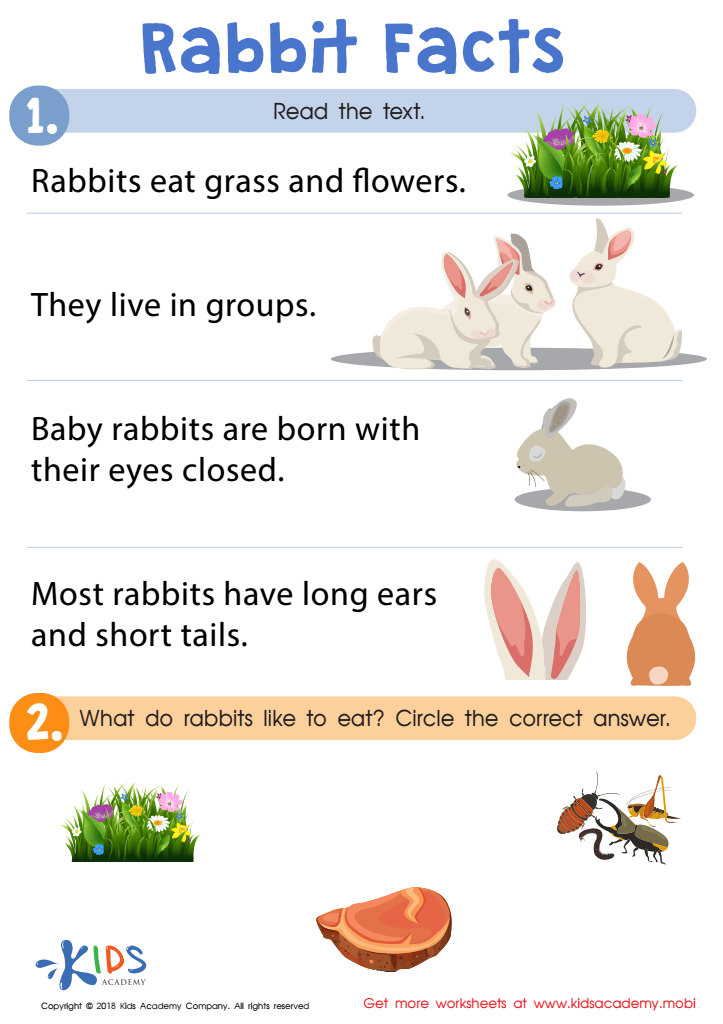
Rabbit Facts Worksheet
 Assign to My Students
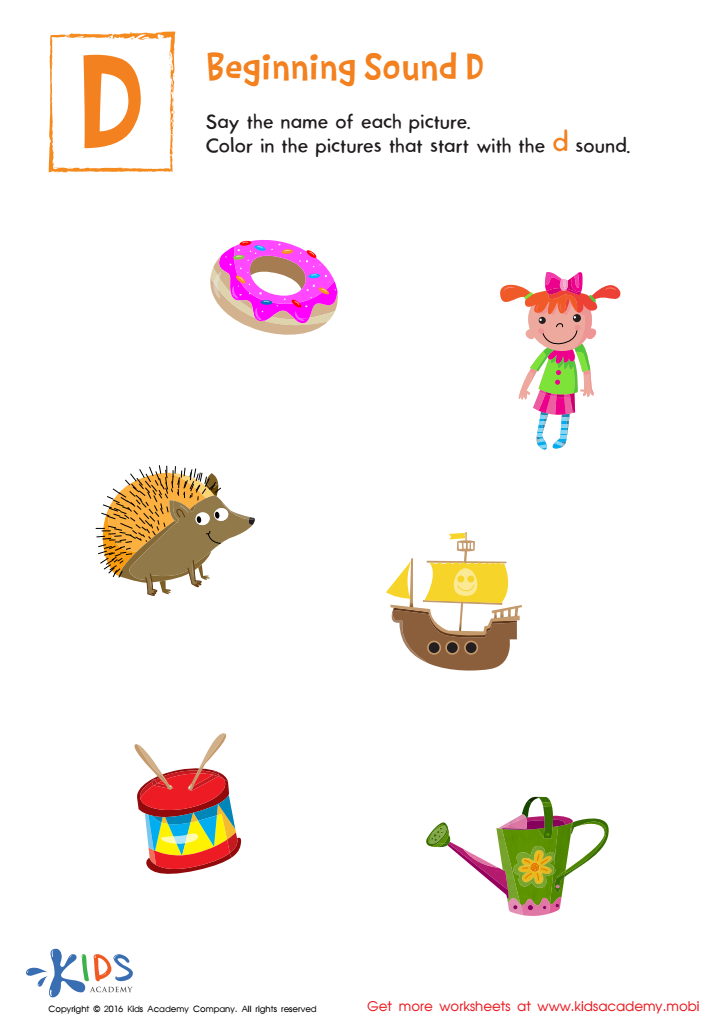
Beginning Sound D Worksheet
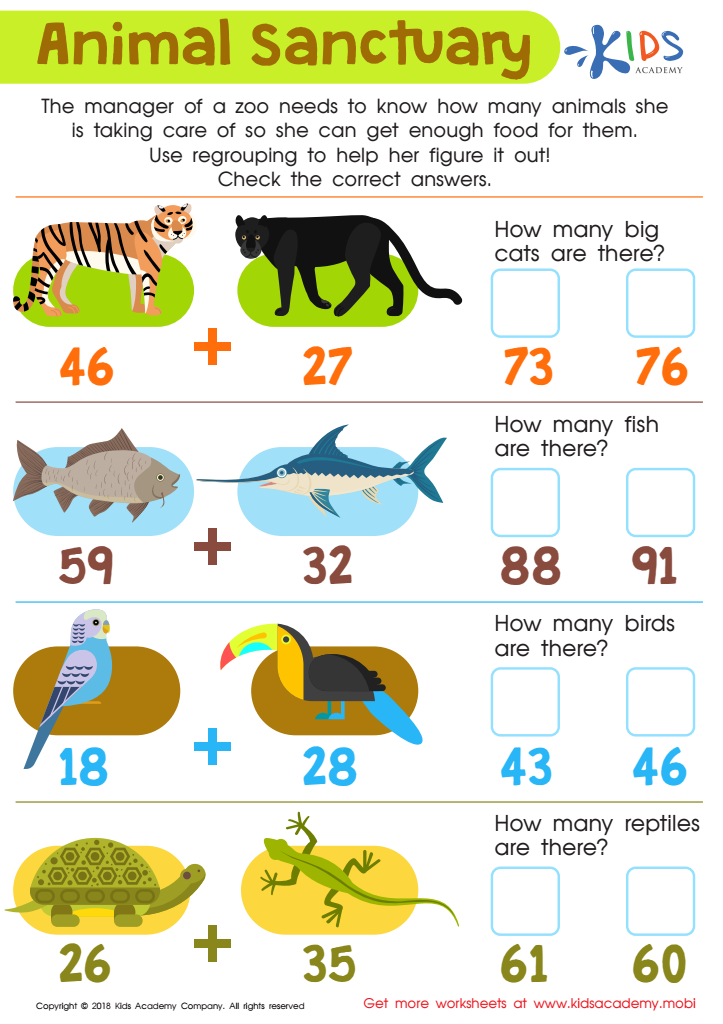
Animal Sanctuary Worksheet








Vocabulary expansion during the critical developmental stage of ages 5 to 7 is crucial for several reasons. Firstly, this period is marked by rapid brain development, where children are not only learning to speak but also starting to read and write. A rich vocabulary enhances their ability to express thoughts and emotions clearly, fostering effective communication skills that are essential for building relationships.
Secondly, a robust vocabulary is fundamental for academic success. Children with an extensive vocabulary are more likely to comprehend texts, participate in discussions, and engage deeply with learning materials. This foundational knowledge assists them in subjects beyond language arts, such as science and social studies, where specialized terms are often required.
Additionally, vocabulary growth promotes critical thinking and creativity. As children encounter new words, they begin to make connections, draw inferences, and articulate their ideas, which fosters cognitive development.
Finally, supportive adults can cultivate a love for language through reading, storytelling, and conversations that encourage exploration of new words. By prioritizing vocabulary expansion, parents and teachers are not only enhancing a child's linguistic abilities but are also laying the groundwork for lifelong learning and emotional intelligence. Investing in vocabulary today can yield significant advantages for a child's future.








