Counting practice Normal Math Worksheets for Ages 5-7 - Page 2
27 filtered results
-
From - To
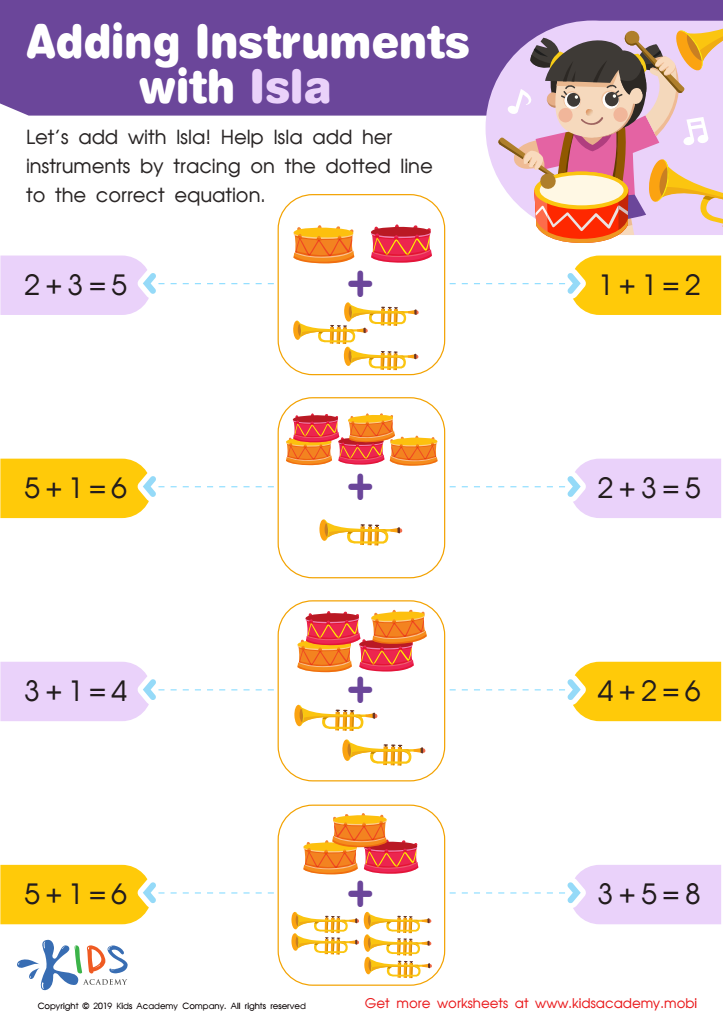
Adding Instruments with Isla Worksheet
 Assign to My Students
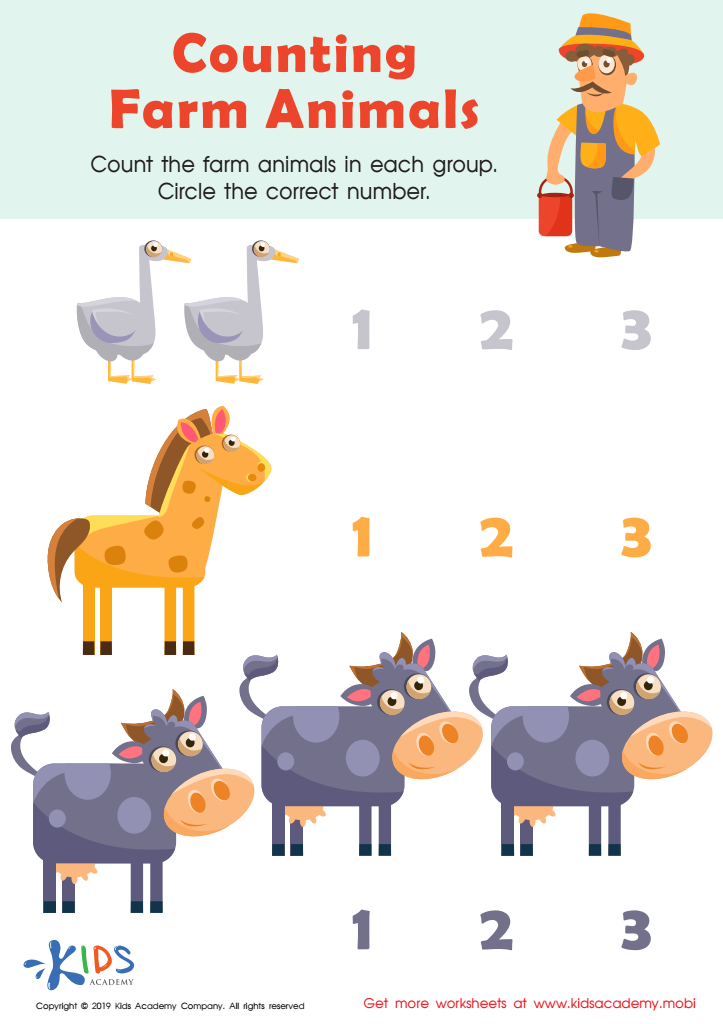
Counting Farm Animals Worksheet
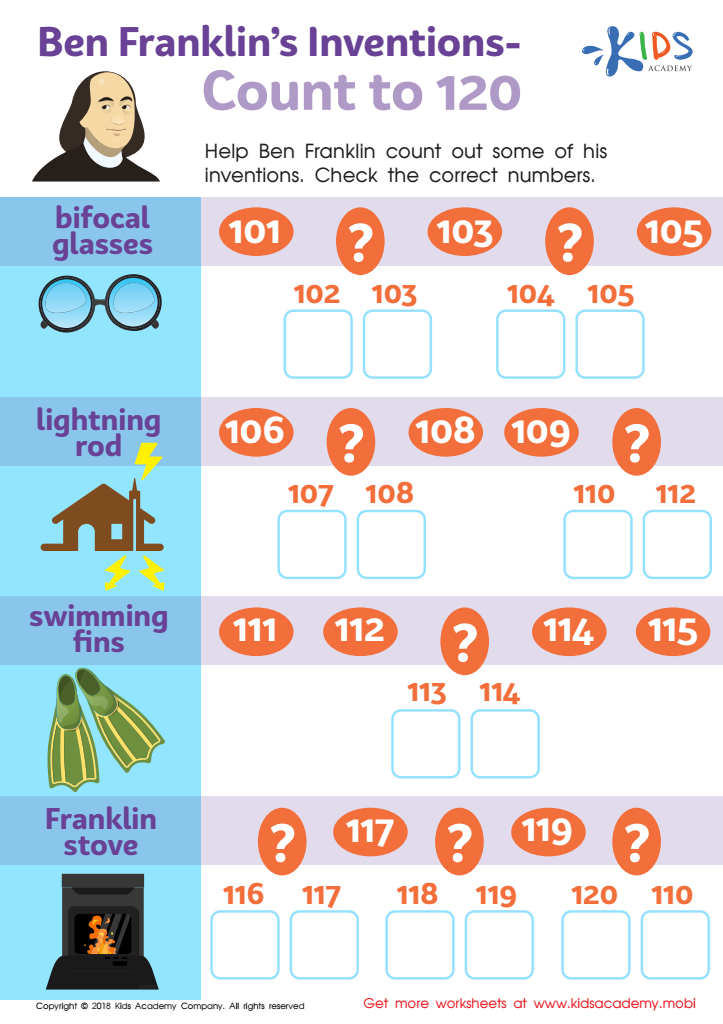
Ben Franklin’s Inventions – Count to 120 Worksheet


.jpg)





Counting practice in early math education for children aged 5-7 is crucial for various reasons. First, it lays the foundational skills necessary for more complex mathematical concepts. During this age, children develop number sense, which helps them understand how numbers relate to each other and the world around them.
Engaging in counting practice strengthens cognitive skills, enhancing memory and attention. As children count, they also start to recognize patterns and improve their problem-solving abilities. Moreover, mastering basic counting helps boost a child's confidence in math, fostering a positive attitude towards the subject as they progress in their education.
Counting activities are not just about numbers; they promote social skills when done in groups, collaboration through games, and communication by encouraging children to verbalize their thought processes. Additionally, counting in everyday contexts, such as during playful interactions at home or in the classroom, nurtures a natural learning environment that connects math to real-life situations.
By prioritizing counting practice, parents and teachers can equip children with essential skills, encourage a love for numbers, and prepare them for future academic success. Overall, early math experiences form a vital part of a child’s cognitive development and lifelong learning journey.








