Enhancing observation skills Normal Math Worksheets for Ages 5-7
5 filtered results
-
From - To
Discover "Enhancing Observation Skills Normal Math Worksheets" tailored for children aged 5 to 7. These engaging, printable worksheets aim to sharpen young minds by fostering critical observation abilities through fun math-related activities. Designed with age-appropriate content, these resources feature colorful visuals and interactive tasks that help children recognize patterns, shapes, and quantities. By encouraging young learners to focus attentively and analyze their environments, our worksheets not only develop foundational math skills but also enhance vital cognitive processes. Perfect for classroom introduction or at-home learning, these activities ensure that your child builds confidence and joy in their learning journey. Start exploring today!
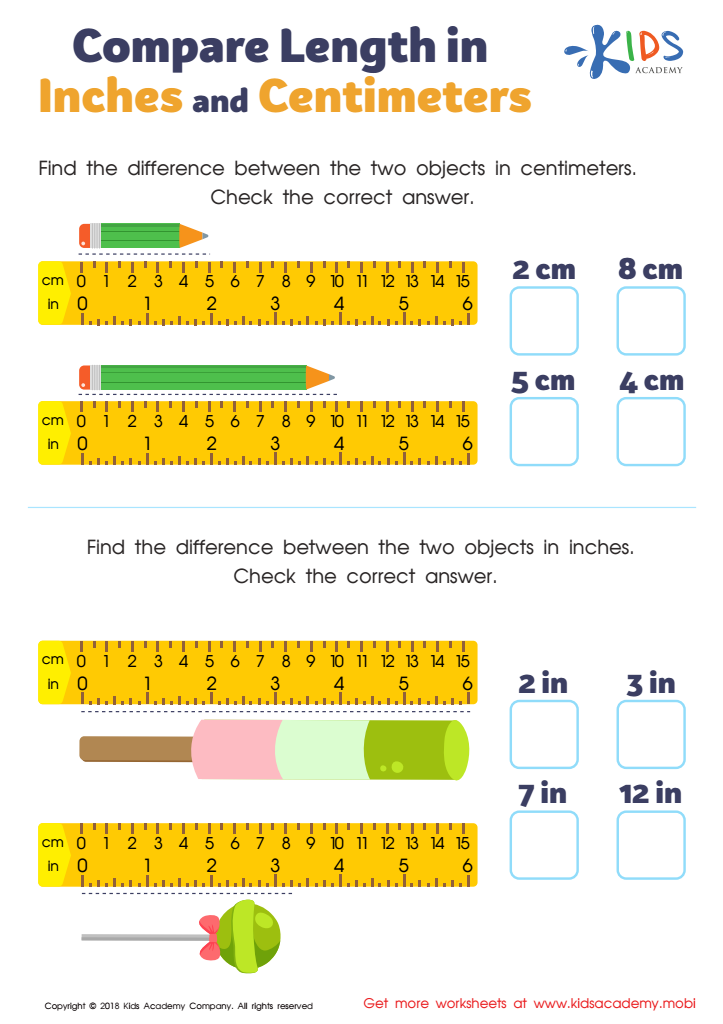
Compare Length in Inches and Centimeters Worksheet
 Assign to My Students
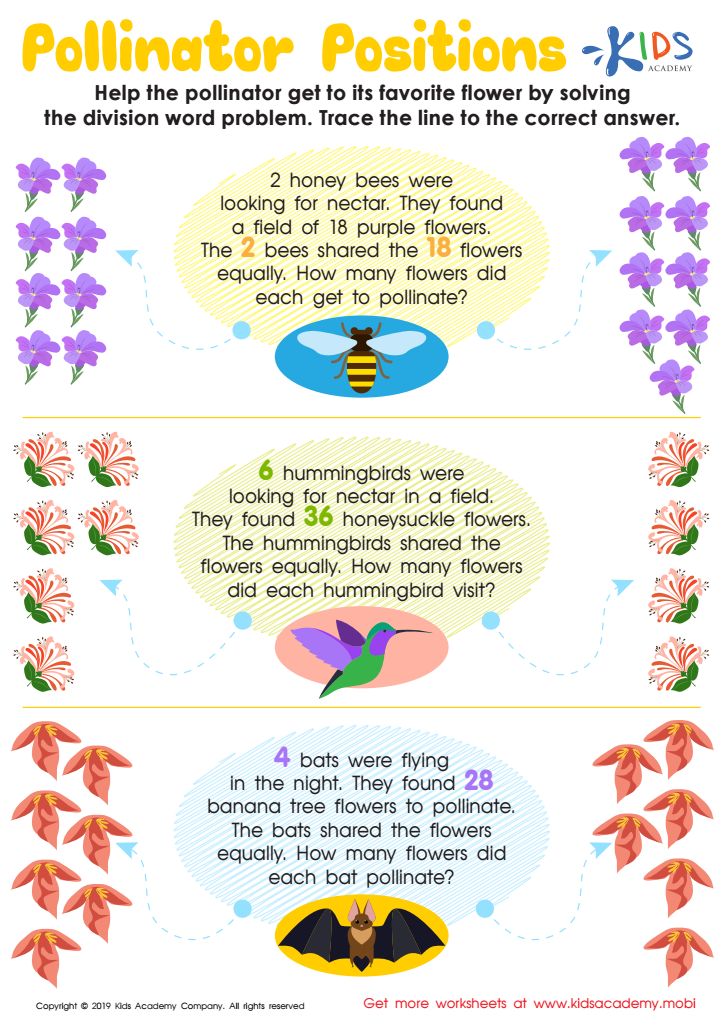
Pollinator Positions Worksheet
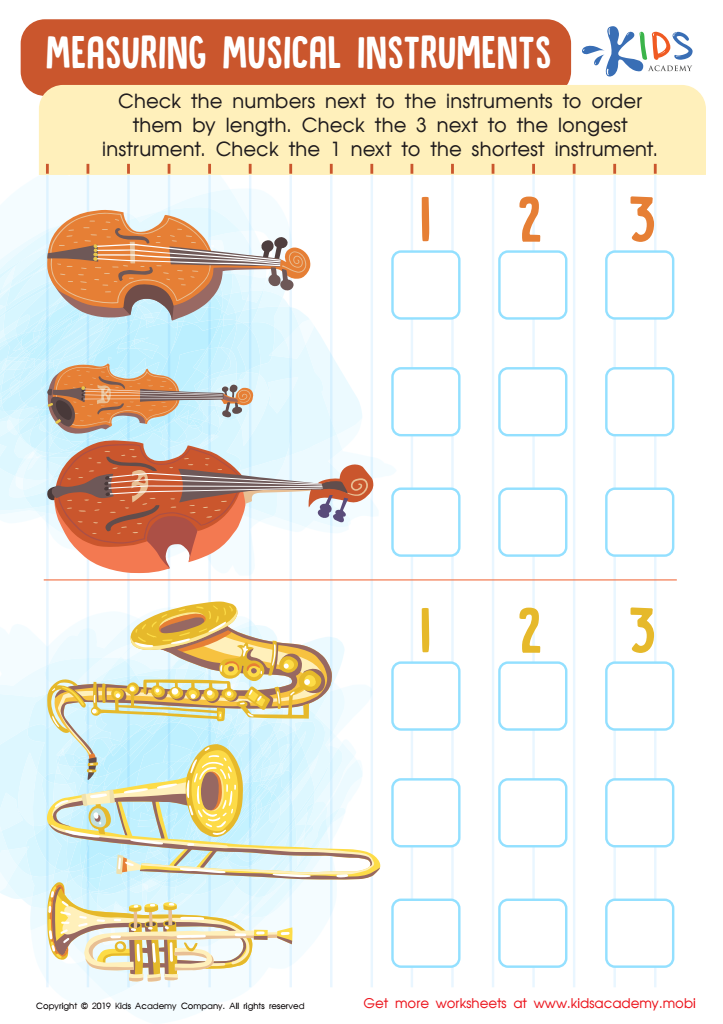
Measuring Musical Instruments Worksheet
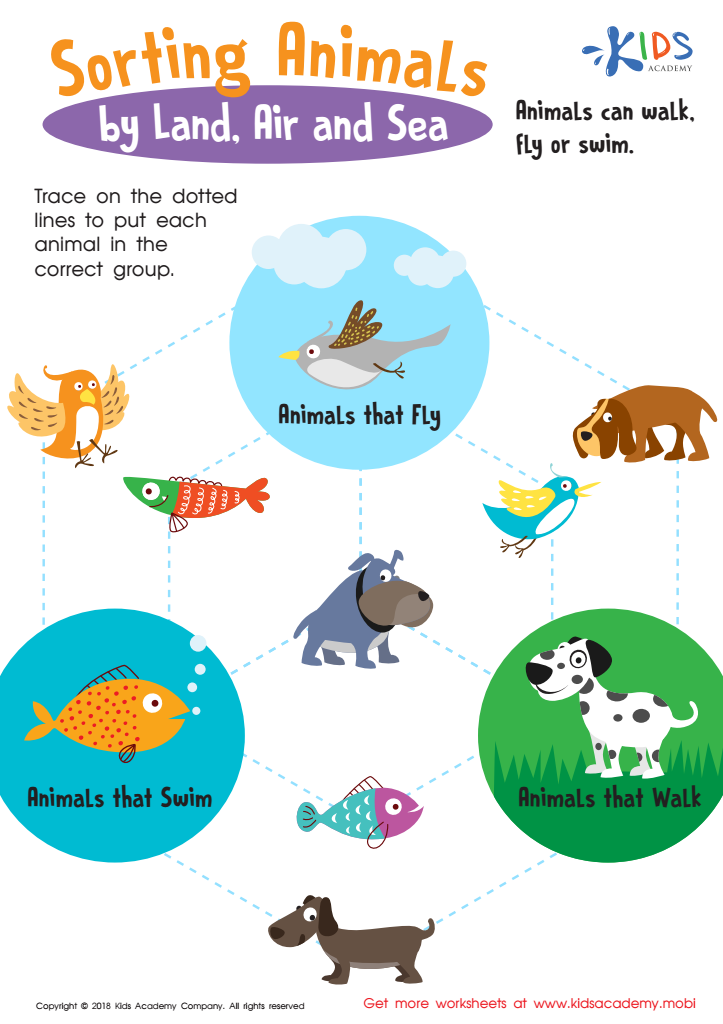
Sorting Animals by Land, Air and Sea Worksheet
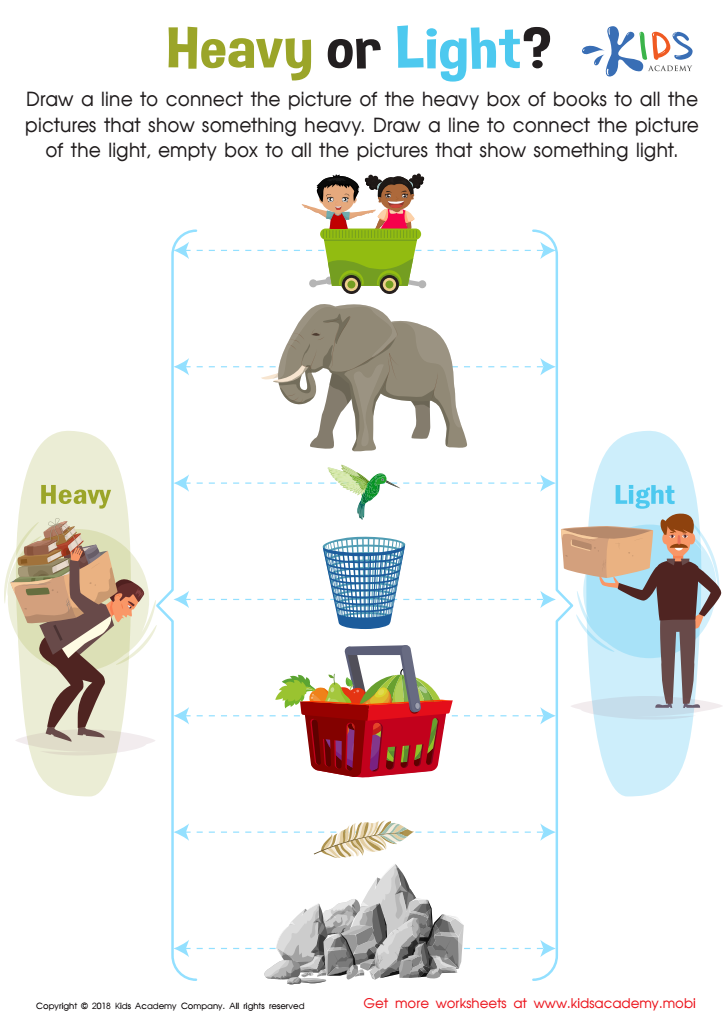
Heavy or Light? Worksheet








Enhancing observation skills in children, particularly in the realm of math for ages 5-7, is crucial for their overall cognitive development and lifelong learning. At this age, children are naturally curious and eager to explore their environment, and fostering this curiosity can lead to a deeper understanding of mathematical concepts.
Observation skills enable children to notice patterns, relationships, and differences, which are foundational for mathematical reasoning. When young learners develop the ability to observe closely, they can better understand numbers, shapes, measurements, and basic statistical concepts. This skill also promotes critical thinking; students learn to analyze situations and derive logical conclusions from their findings.
Moreover, enhancing observation skills aligns with hands-on, experiential learning approaches that engage students more fully. This not only makes math enjoyable but encourages perseverance and resilience when faced with challenges. Parents and teachers who prioritize these skills can cultivate an environment where children feel confident to ask questions and explore solutions, fostering a love for learning.
Ultimately, improving observation skills helps build a strong mathematical foundation, ensuring that children are well-prepared for more complex concepts in later grades and establishing a positive attitude towards math as a whole.








