Recognizing Patterns Normal Math Worksheets for Ages 5-7
3 filtered results
-
From - To
Introduce your little ones to the fascinating world of patterns with our "Recognizing Patterns: Math Worksheets for Ages 5-7." Designed to nurture early critical thinking and problem-solving skills, these engaging worksheets provide a fun and interactive way for children to identify and complete patterns. Perfect for kindergarten and first-grade students, our expertly crafted activities help young learners understand sequences, shapes, colors, and numbers. Each worksheet aims to build a strong foundation in mathematics while keeping children entertained and focused. Start your child's pattern recognition journey today and watch their confidence and curiosity grow!
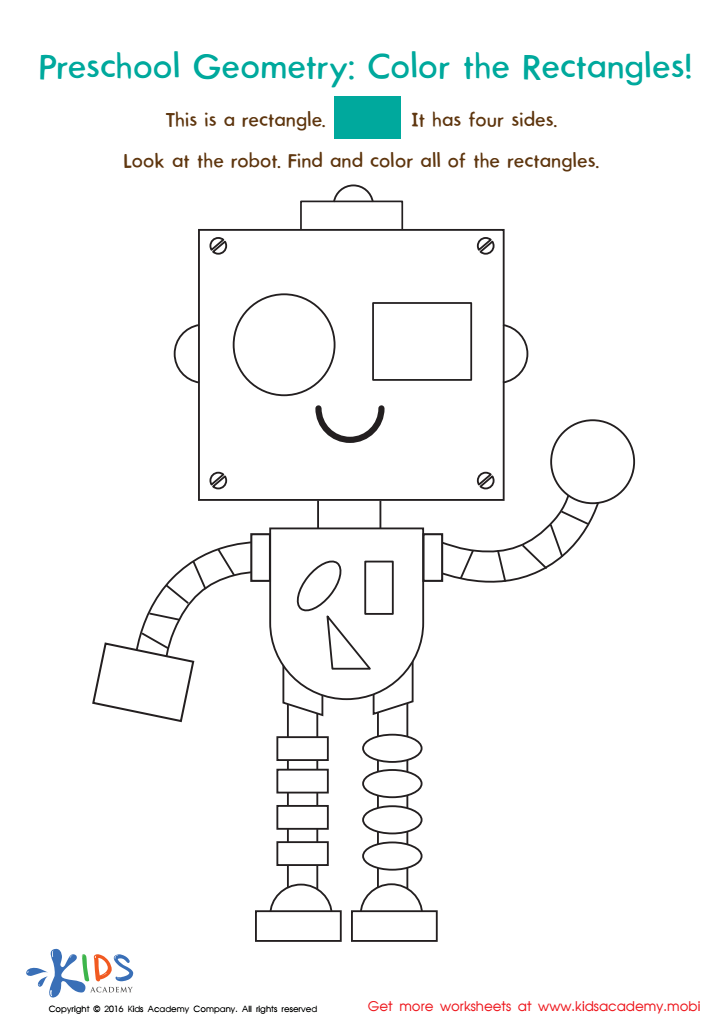
Geometry Worksheet
 Assign to My Students
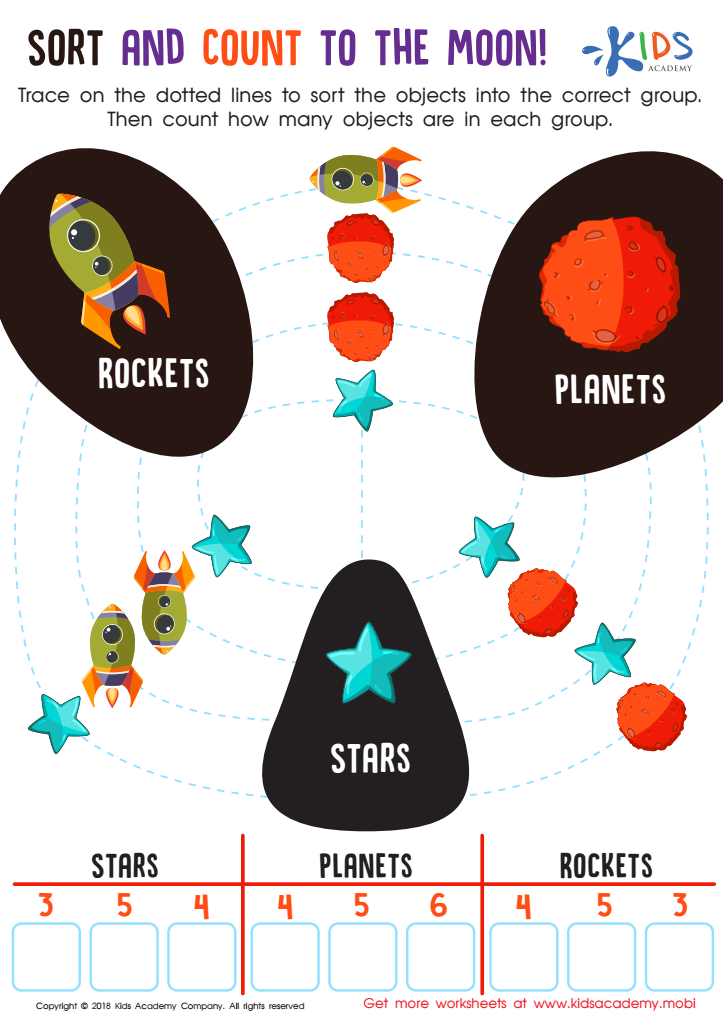
Sort and Count to the Moon Worksheet
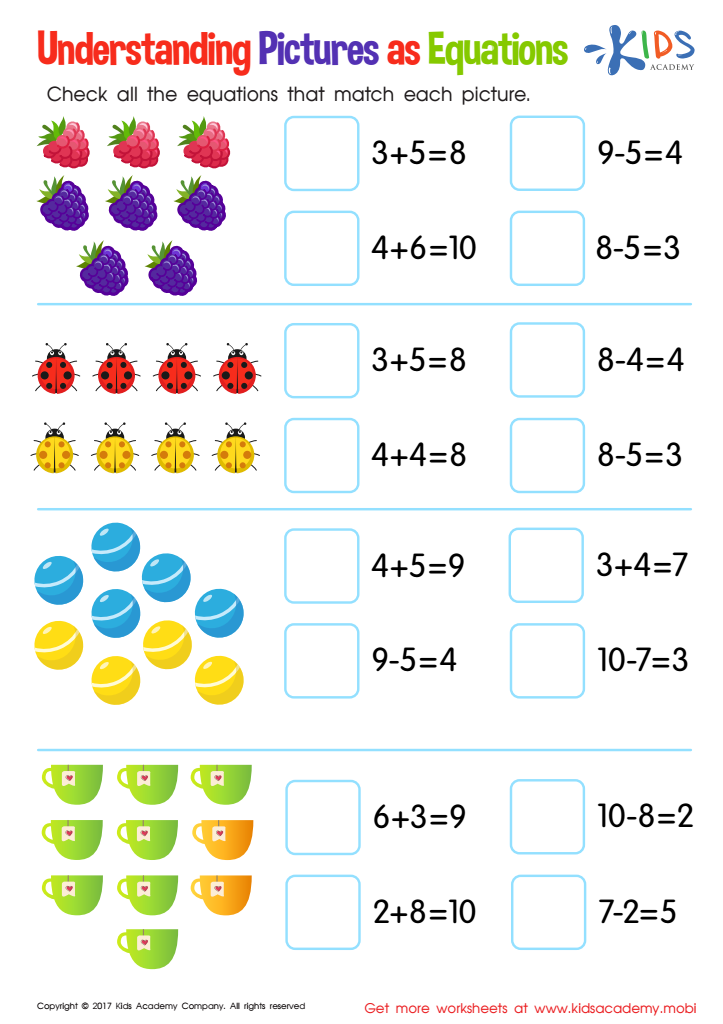
Understanding Pictures as Equations Worksheet



.jpg)



.jpg)
Recognizing patterns in math is crucial for children aged 5-7 because it lays the foundation for future mathematical understanding and problem-solving skills. During these formative years, children’s brains are extremely receptive to learning basic concepts such as sequences, shapes, and recurring designs. These early experiences with patterns help develop their critical thinking, observational, and analytical skills.
Patterns are everywhere in math and life: numbers, operations, geometric shapes, and even in daily routines. By identifying and understanding patterns, children learn to make predictions and establish connections. Recognizing patterns enhances their ability to count, add, and understand other mathematical operations, forming a coherent structure upon which more complex mathematical principles can be built.
Moreover, pattern recognition nurtures children’s logical reasoning and boosts their ability to categorize information, making sense of the immediate world around them. It not only strengthens their cognitive skills but also their confidence in tackling mathematical problems. For educators and parents, fostering an environment where pattern recognition is encouraged can lead to a lifelong interest and competence in math, creating a robust groundwork for advanced academic achievements. Supporting children in recognizing patterns ensures they acquire essential skills that are not just vital in math but also applicable in various real-life situations.








