Normal Numbers 0–10 Worksheets for Ages 5-7 - Page 2
34 filtered results
-
From - To
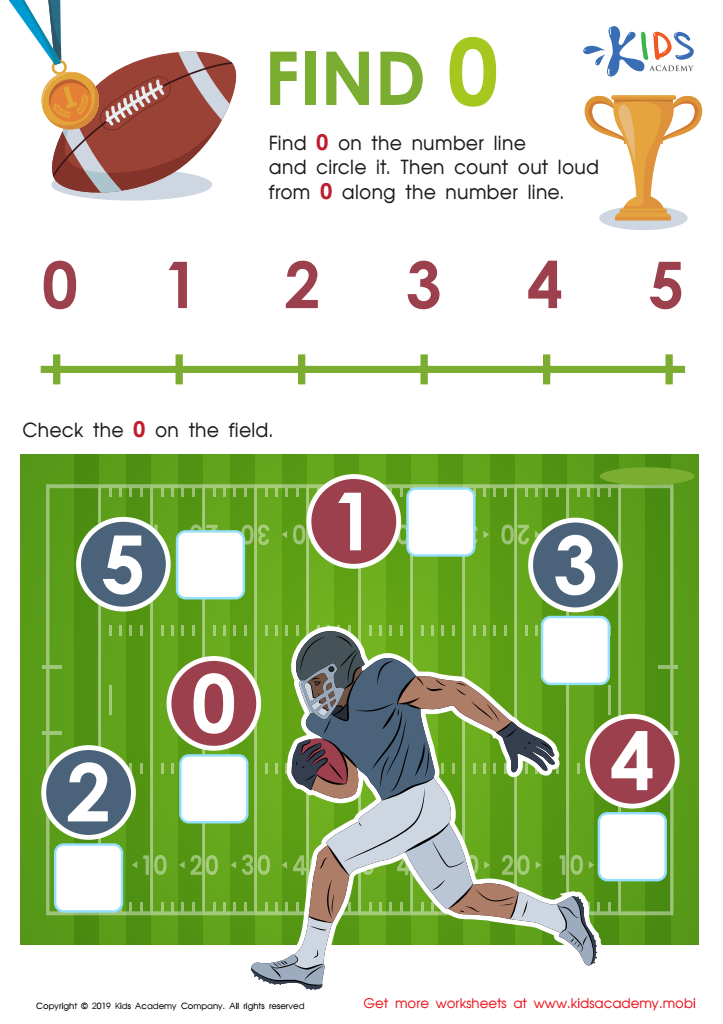
Find 0 Worksheet
 Assign to My Students
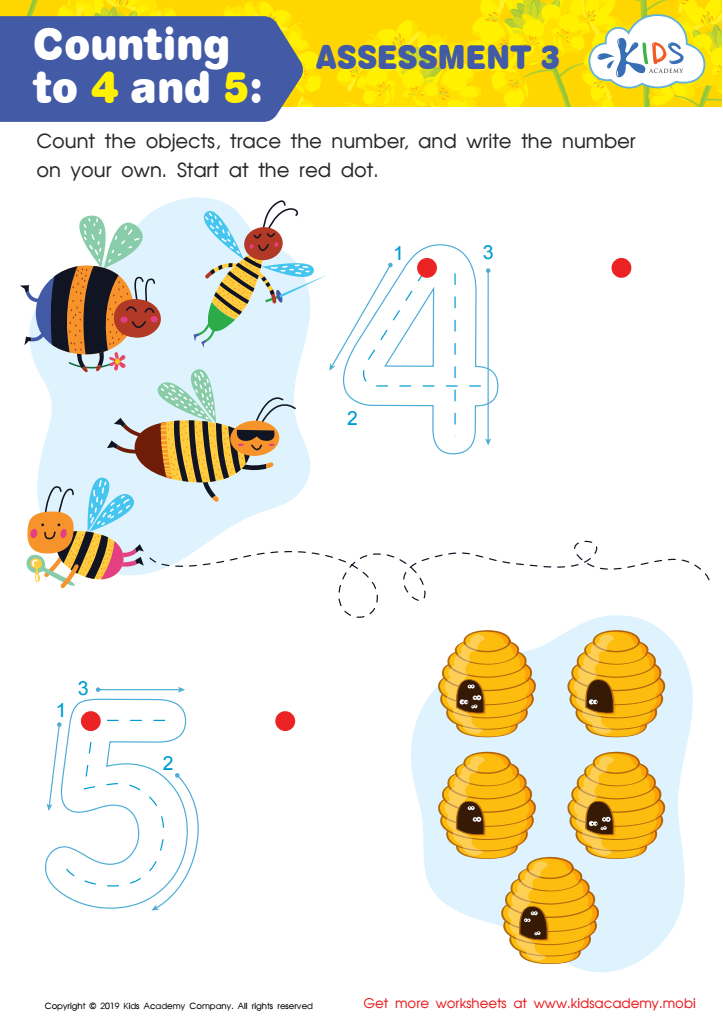
Counting to 4 and 5: Assessment 3 Worksheet
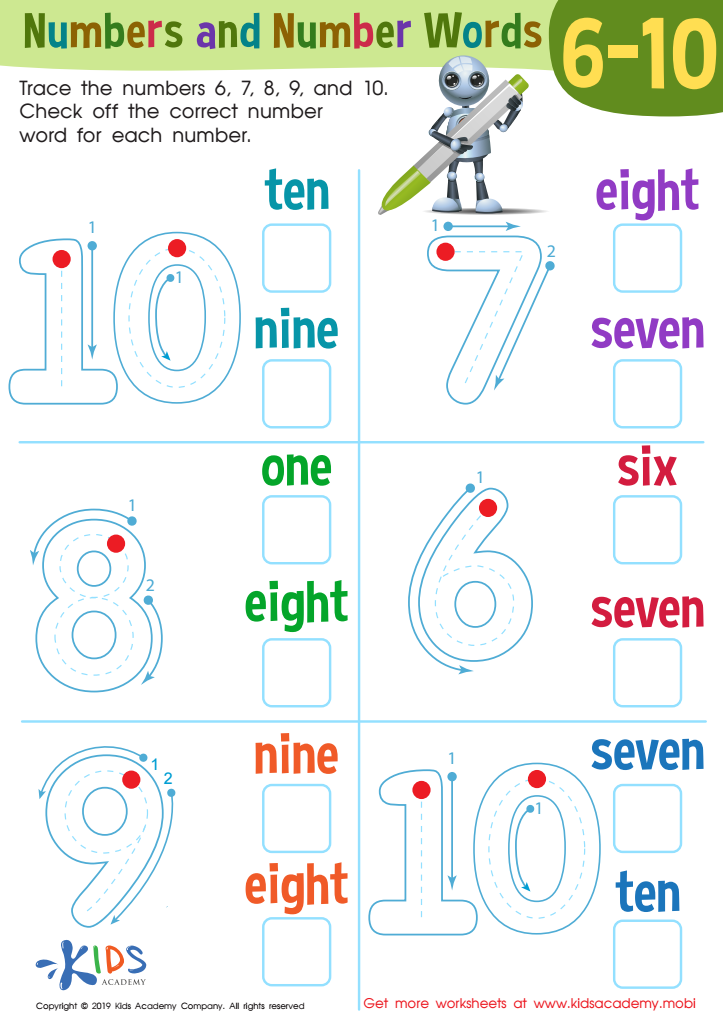
Numbers and Number Words 6–1 Worksheet
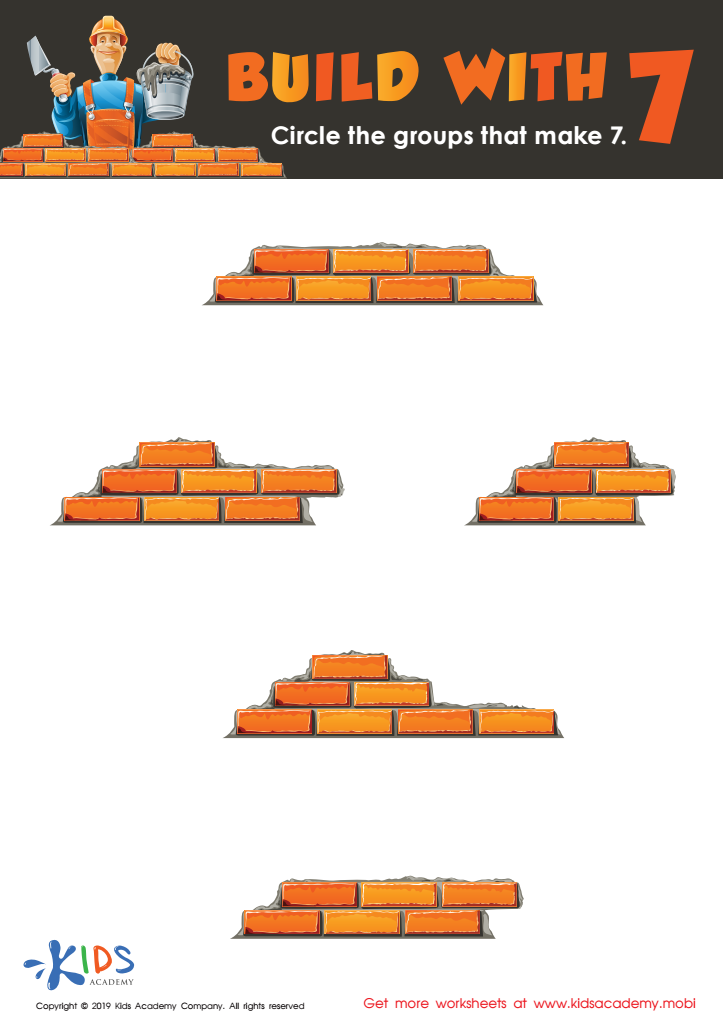
Build with 7 Worksheet
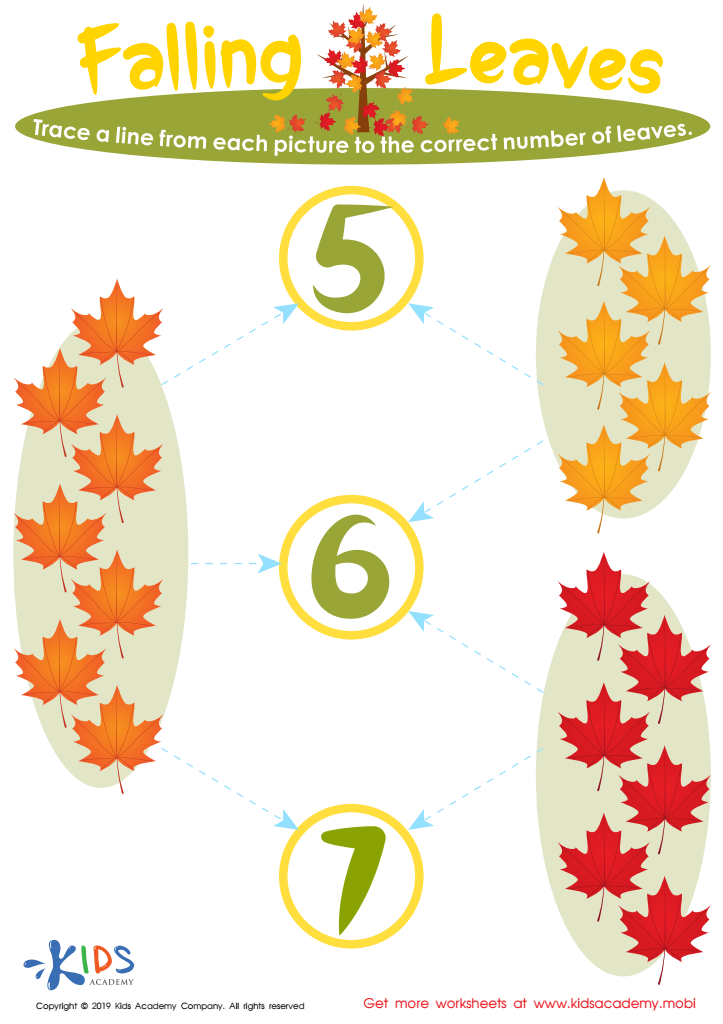
Falling Leaves Worksheet

Count and Match Vegetables 1 – 5 Math Worksheet
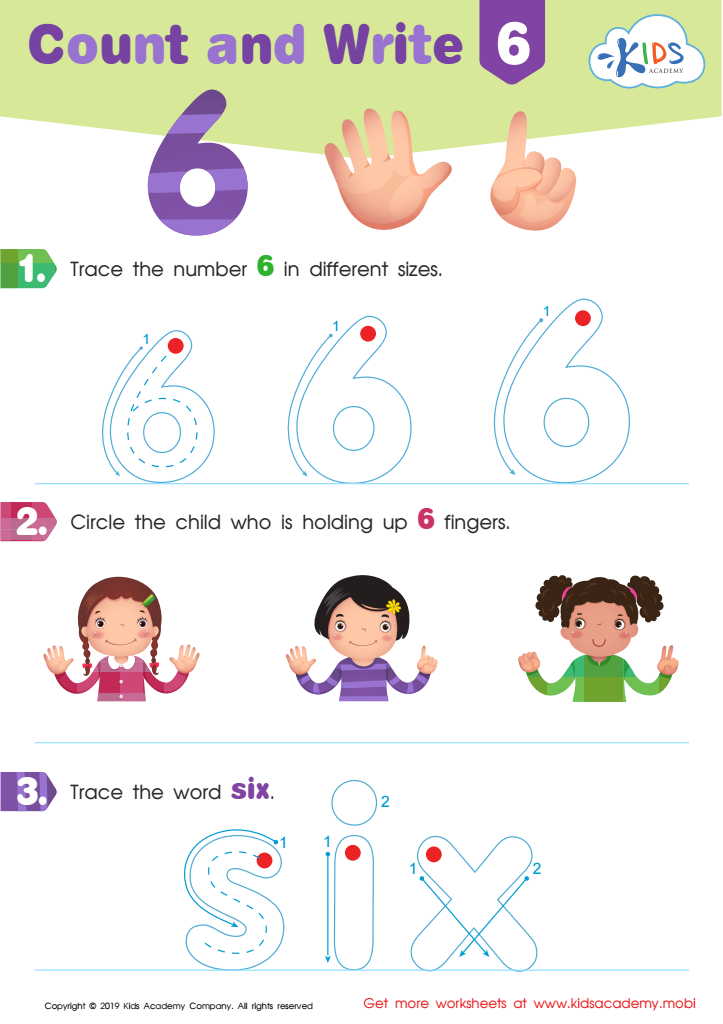
Count and Write 6 Worksheet
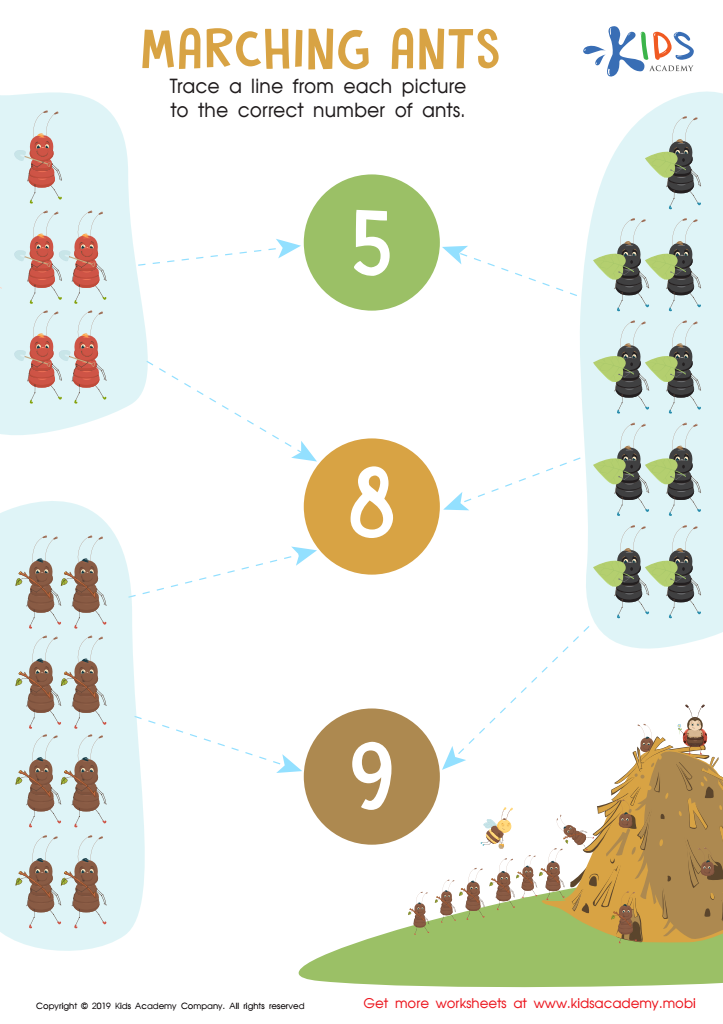
Marching Ants Worksheet
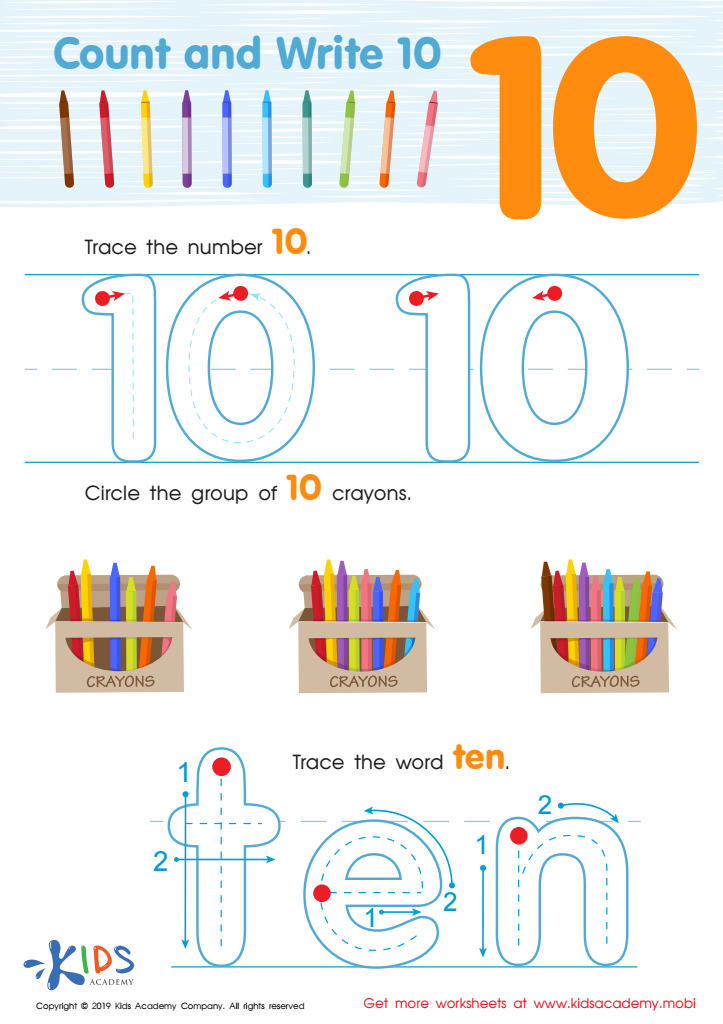
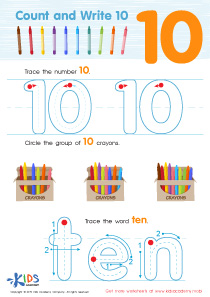
Count and Write 10 Worksheet
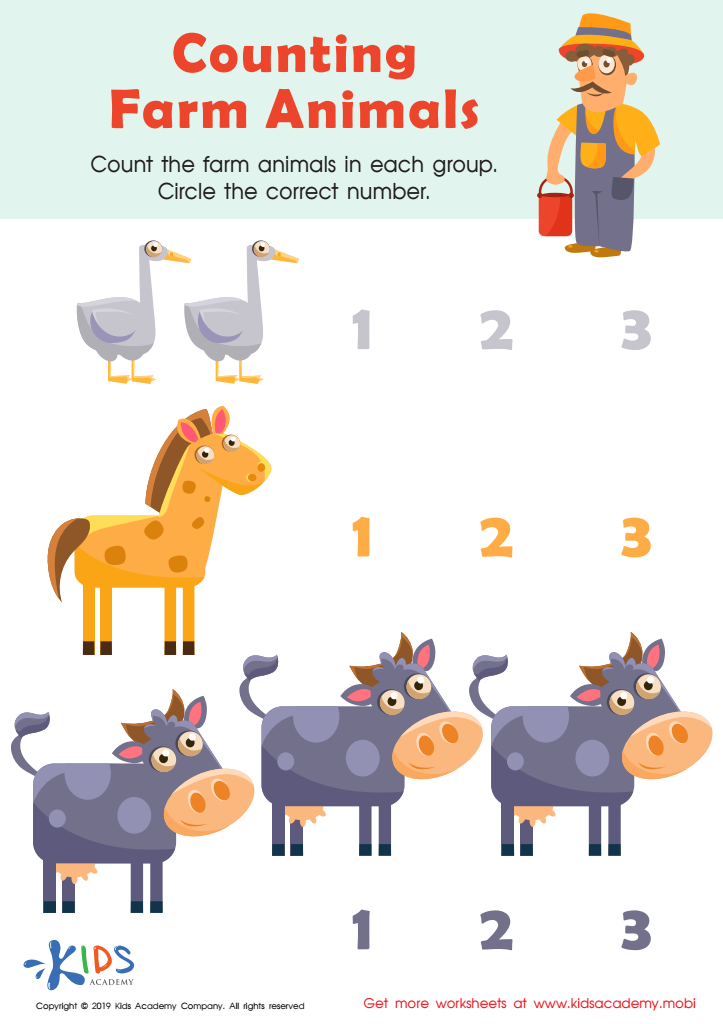
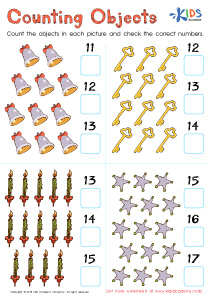
Counting Farm Animals Worksheet








Understanding normal numbers from 0 to 10 is essential for children ages 5-7 as it lays the foundation for their mathematical development. Parents and teachers play a crucial role in this learning process because these early experiences shape children's attitudes towards math and reasoning skills.
At this age, children are developing their number sense, which includes recognizing, counting, and comparing numbers. Familiarity with normal numbers helps kids understand basic concepts such as addition and subtraction, which are critical for their future studies. For instance, knowing how many are in a set or what it means to have one more enables them to tackle more complex problems later.
Moreover, engaging children with numbers can enhance their cognitive skills. Activities that involve counting, sorting, and measuring not only make learning enjoyable but also promote critical thinking. Parents can support this by incorporating numbers into daily routines, such as counting items during shopping or measuring ingredients while cooking.
Lastly, early exposure to numbers supports overall academic success. When children are comfortable with the lower range of numbers, they gain confidence and are more likely to succeed as they advance in math, preparing them for a lifetime of problem-solving skills. Therefore, both parents and teachers should prioritize these foundational numeracy skills for young learners.